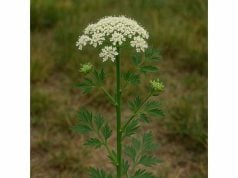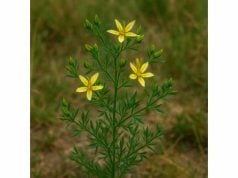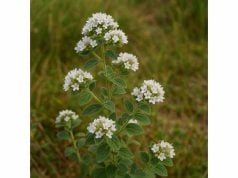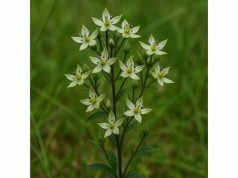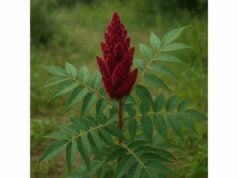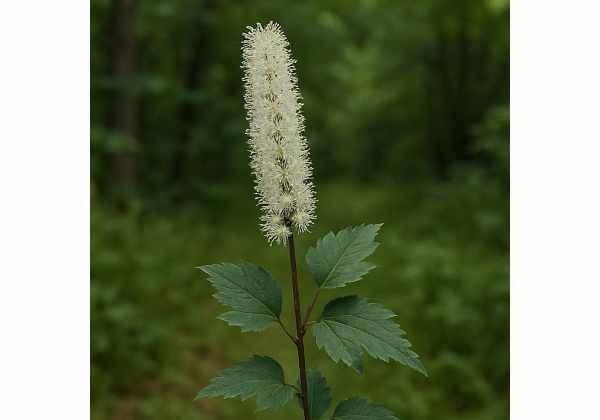
Snake root, when identified as Actaea racemosa, refers to the North American herb better known today as black cohosh or black snakeroot. It has a long history of traditional use for menstrual discomfort, rheumatic pain, and women’s midlife symptoms, and it remains one of the most widely discussed herbs for hot flashes and other menopausal complaints. The modern picture, however, is more nuanced than supplement labels often suggest. Its root and rhizome contain triterpene glycosides, phenolic compounds, and other constituents that may influence neuroendocrine signaling rather than acting like a simple plant estrogen.
That distinction matters. Current evidence suggests that Actaea racemosa may help some people with overall menopausal symptom burden, especially hot flashes and night sweats, but results are mixed and depend heavily on the extract used. It is also a herb that deserves careful attention to product quality and safety, especially because rare but serious liver-related concerns have been reported. Used thoughtfully, snake root can be a focused supportive herb. Used casually, it is easy to overestimate, misidentify, or dose poorly.
Key Takeaways
- Snake root may help reduce hot flashes and overall menopausal symptom burden for some people when a studied extract is used.
- Its best-supported modern use is menopausal symptom support, not general hormone balancing.
- A common studied range is about 20 to 40 mg/day of a standardized extract, though products vary.
- People who are pregnant, breastfeeding, have liver disease, or are under care for hormone-sensitive cancer should avoid self-treatment.
Table of Contents
- What Snake Root Is and Why the Name Matters
- Snake Root Key Ingredients and Medicinal Properties
- Where the Health Benefits Look Most Credible
- How Actaea racemosa Is Used in Real-World Practice
- Dosage Timing and Duration
- Common Mistakes and Product Quality Problems
- Safety Side Effects Interactions and Who Should Avoid It
What Snake Root Is and Why the Name Matters
“Snake root” is one of those plant names that sounds simple but is not. Several different herbs have carried some version of that common name, which is why the botanical identity matters more than usual. In this article, snake root means Actaea racemosa, a woodland perennial native to eastern North America and more commonly sold as black cohosh or black snakeroot. It was once widely labeled Cimicifuga racemosa, and older books and supplement labels still use that name. That history matters because readers often see both names and assume they are different herbs when they are actually the same plant.
The medicinal part is the root and rhizome. These underground portions are harvested, dried, and processed into teas, tinctures, tablets, capsules, and standardized extracts. Traditional North American use included menstrual discomfort, musculoskeletal pain, and menopausal complaints. In modern commerce, however, the herb is overwhelmingly associated with hot flashes, night sweats, sleep disruption, irritability, and other symptoms of the menopausal transition.
One of the most useful practical insights is that black cohosh is not simply a “women’s hormone herb.” That phrase is too vague to be helpful. A better way to think about it is this: Actaea racemosa is a midlife symptom herb with the strongest modern relevance for vasomotor and climacteric symptoms, especially when standardized extracts are used. That is narrower, but also more accurate.
It also helps to understand where it sits in the broader herbal landscape. In traditional and integrative discussions, black cohosh is often mentioned alongside herbs such as dong quai for women’s health traditions, but the two are not interchangeable. Dong quai is rooted more in East Asian formulas and menstrual-circulatory patterns, while Actaea racemosa has become more tightly associated with menopause support and black cohosh extract research.
The name issue also carries a safety lesson. Because “snake root” can refer to more than one plant, vague product labeling is a red flag. If a supplement does not clearly state Actaea racemosa or black cohosh root/rhizome, it becomes harder to know what you are taking. That matters even more with a herb that has both commercial popularity and ongoing safety questions.
In other words, the first step with snake root is not dosing. It is identification. Once the plant is correctly identified, its benefits, limits, and risks become much easier to understand. Without that clarity, even a well-written label can be misleading.
Snake Root Key Ingredients and Medicinal Properties
The chemistry of Actaea racemosa helps explain both its popularity and the confusion around how it works. Unlike red clover or soy, black cohosh is not best understood as a straightforward phytoestrogen herb. Its root and rhizome contain a mix of constituents, but the ones most often discussed are triterpene glycosides, phenolic acids, and other specialized plant compounds that may influence signaling pathways tied to the nervous system and symptom perception.
The main groups of compounds include:
- Triterpene glycosides, such as actein and 23-epi-26-deoxyactein
These are often used as marker compounds in standardization and quality control. They are central to black cohosh chemistry, but their exact role in symptom relief is still not fully settled. - Phenolic and aromatic acids, including caffeic-acid-related compounds and fukinolic acid
These may contribute antioxidant and signaling effects and are part of the plant’s broader pharmacological profile. - Other minor constituents, including alkaloid-related and resin-like compounds
These are less familiar to most consumers, but they matter because black cohosh is not a one-compound herb.
Its medicinal properties are most often described in these broader terms:
- Neuroendocrine-modulating rather than strongly estrogenic
- Potentially serotonergic in action
- Traditionally antispasmodic and pain-relieving
- Supportive for vasomotor symptoms
- Possibly calming in people whose symptoms include irritability and sleep disturbance
That first point is especially important. Many people still assume black cohosh “works because it acts like estrogen.” Current evidence does not support treating it that simply. Some laboratory and clinical findings suggest it may act more through serotonergic, opioid, or central signaling pathways than through direct estrogen receptor stimulation. That helps explain why some people feel better on it even when hormone lab assumptions do not neatly fit.
This is also where comparisons can become more useful. If someone is specifically looking for an herb known for isoflavones and a more phytoestrogen-centered conversation, red clover isoflavone support is a more natural comparison than black cohosh. The two herbs are often grouped together in menopause discussions, but their chemistry and likely mechanisms are not the same.
A second practical point is that chemistry varies by product. A generic capsule labeled “black cohosh 500 mg” may not behave like a studied standardized extract. Extraction solvent, herb-to-extract ratio, and standardization markers matter. This is one reason clinical studies of black cohosh often produce mixed outcomes: the word “black cohosh” can hide meaningful differences in what was actually used.
So the real medicinal picture is this: snake root is not a blunt hormone tool. It is a chemically complex root and rhizome whose most plausible value lies in symptom modulation, especially for menopause-related discomfort. That distinction makes the herb more believable, and it helps keep expectations within the range of what the evidence can actually support.
Where the Health Benefits Look Most Credible
The most credible health benefits of Actaea racemosa cluster around menopausal and perimenopausal symptom relief, especially when standardized extracts are used. Even here, the evidence is not uniform. Some trials and reviews show benefit, while others show little or no advantage over placebo. That does not mean the herb is useless. It means its effects are likely modest, product-specific, and more noticeable in some people than others.
The areas where the evidence looks most believable are these:
- Hot flashes and night sweats
This is the most common reason people try black cohosh. Updated reviews suggest that black cohosh extracts may improve overall menopausal symptoms and may modestly improve hot flashes, but results are not perfectly consistent across trials. - Overall climacteric symptom burden
Some research suggests improvement in combined symptom scores rather than one dramatic effect on a single complaint. This fits real life. People often do not want only fewer hot flashes. They want the whole cluster of sleep disruption, irritability, and bodily discomfort to ease. - Irritability, sleep disruption, and sense of inner unrest
Evidence here is less consistent than for vasomotor symptoms, but it is part of why some people find black cohosh helpful even when the hot flash effect is not dramatic.
Where the evidence is less convincing:
- Depression or anxiety as stand-alone conditions
- General hormone balancing
- Premenstrual syndrome as a primary use
- Weight loss, libido, or broad anti-aging claims
- Automatic benefit for breast-cancer-treatment hot flashes
That last point deserves care. Black cohosh has been studied in breast cancer settings, but the data are mixed, and self-treatment in that context should never replace oncology-guided decisions.
It is also useful to distinguish symptom patterns. If someone’s main problem is clearly cyclical PMS, breast tenderness, and luteal-phase mood change rather than hot flashes or night sweats, chaste tree for cycle-based hormone patterns is often a more logical comparison. Black cohosh is usually a better fit for vasomotor and climacteric symptoms than for premenstrual symptom clusters.
Another important nuance is that modern benefits appear strongest with specific extracts, not with vague raw herb use. The more tightly a product resembles what was studied, the more reasonable it is to expect a research-like result. That is why consumers often get confused: they hear that black cohosh “works,” but they are not told that the studied product may differ substantially from the bottle in hand.
So the fairest conclusion is this: black cohosh may help some women with menopausal symptoms, especially hot flashes and broader symptom burden, but it is not a guaranteed or universal fix. The evidence is promising enough to justify cautious, informed use. It is not strong enough to justify overselling.
How Actaea racemosa Is Used in Real-World Practice
In real-world use, Actaea racemosa is usually taken as a standardized oral product rather than as a home kitchen herb. Unlike peppermint, ginger, or chamomile, black cohosh is not mainly a tea-drinking herb for everyday comfort. Its strongest modern use comes from tablets, capsules, or liquid extracts that aim to provide a more repeatable dose of the root and rhizome.
The most common forms include:
- Standardized extract tablets or capsules
- Liquid extracts or tinctures
- Combination menopause formulas
- Less commonly, loose root or powdered preparations
Standardized extracts are usually the most sensible starting point because they are closer to the products studied in trials. That does not guarantee benefit, but it improves consistency. Generic powders may still be useful, though they are harder to compare across brands.
People commonly use black cohosh for:
- hot flashes
- night sweats
- sleep disruption tied to menopause
- irritability or menopausal unrest
- transition support during perimenopause and menopause
In practice, it often works best as a time-limited, structured trial, not as an indefinite supplement habit. A person takes a defined product for several weeks, tracks symptoms, and then decides whether the effect is meaningful enough to continue. This approach is better than vaguely “adding it in” with five other menopause supplements at the same time.
Another real-world issue is stacking. Menopause products often combine black cohosh with soy, sage, red clover, St. John’s wort, or vitamins. That can make sense commercially, but it creates a problem for users: if the formula helps or harms, it becomes harder to know what actually drove the outcome. For clearer self-assessment, single-ingredient or well-characterized products are usually easier to judge.
Black cohosh is also sometimes explored alongside evening primrose for broader midlife comfort, especially when skin dryness, breast discomfort, or general perimenopausal change are part of the picture. The two herbs have different strengths, though. Evening primrose is not black cohosh’s equivalent and should not be expected to do the same job.
For clinicians and experienced herbal users, black cohosh can be part of a broader menopause-support plan that also includes sleep, exercise, caffeine timing, alcohol moderation, room cooling, and symptom tracking. That matters because the herb is rarely strong enough to carry the whole burden alone. When it helps, it often helps as one piece of a calmer overall strategy.
So the practical use-case is not “take snake root for everything hormonal.” It is more precise: use a quality Actaea racemosa product when menopausal vasomotor or climacteric symptoms are the real target, and evaluate the result with discipline instead of guesswork.
Dosage Timing and Duration
Dosing black cohosh is trickier than it looks because products vary widely. A capsule might list the weight of raw herb, the weight of extract, or the amount of material equivalent to a certain root/rhizome dose. That means “500 mg” on one bottle may not be comparable to “40 mg” on another. With Actaea racemosa, the best dose is the one tied to a clearly described extract and realistic label directions.
A practical, evidence-informed way to think about dosage is this:
- Common studied standardized extract range: about 20 to 40 mg/day total for certain commercial extracts
- Some trials used higher-dose extracts: such as 160 mg/day of a different standardized extract
- Crude powders and tinctures: vary too much to treat as interchangeable with studied tablets
Because of that variation, consumers should not chase the highest number on the label. More is not automatically better, and it may simply reflect a different type of preparation.
A cautious approach often looks like this:
- Choose one clearly labeled product.
- Start with the label dose, especially if it matches a standardized extract.
- Take it daily at the same time.
- Track hot flashes, night sweats, sleep, and overall symptom burden for 6 to 12 weeks.
- Reassess instead of continuing indefinitely out of habit.
Timing is usually flexible. Many people take black cohosh once or twice daily, depending on the formulation. Taking it with food can help if stomach upset occurs. It is not generally treated as a fast-acting herb. Benefits, when they appear, usually emerge over weeks, not hours.
Duration matters too. Black cohosh is not the kind of herb to use endlessly without review. If there is no meaningful change after a fair trial, it is reasonable to stop. If it does help, periodic reassessment is still wise, especially because menopause symptoms themselves change over time.
A few practical dosing lessons are worth emphasizing:
- do not compare raw herb milligrams with extract milligrams as though they mean the same thing
- do not switch brands every few weeks and expect a clean result
- do not combine multiple “menopause blends” at once if you want to know what works
- do not assume a higher dose overcomes a poor-quality product
Another helpful mindset is to distinguish black cohosh from food-first symptom support. Some people start with gentler measures such as sage for a food-and-herb approach to midlife symptoms, then move to black cohosh if vasomotor symptoms are more disruptive and a more targeted trial feels appropriate.
In short, dosing black cohosh is less about memorizing one magic number and more about matching the product to the evidence, then giving it a structured window to prove whether it is actually useful.
Common Mistakes and Product Quality Problems
Many black cohosh disappointments come from avoidable mistakes rather than from the herb itself. Actaea racemosa is one of those plants where product quality, naming clarity, and expectations make an unusually large difference.
The first mistake is treating all products as equivalent. They are not. One formula may contain a standardized isopropanolic or hydroalcoholic extract, while another may contain an uncharacterized powder or a blend with several other herbs. If studies show benefit for one preparation, that does not automatically transfer to every capsule labeled “black cohosh.”
The second mistake is using the common name without checking the botanical name. “Snake root” and “snakeroot” can refer to other plants. For black cohosh, the label should clearly identify Actaea racemosa or black cohosh root/rhizome. If that information is missing, the product is harder to trust.
A third mistake is expecting it to act like estrogen or hormone therapy. Black cohosh is not a botanical version of menopausal hormone therapy. If someone expects rapid and reliable symptom suppression equal to prescription therapy, disappointment is likely.
Other common errors include:
- taking it for PMS when the real target is cyclical rather than vasomotor symptoms
- combining it with several other hormone or menopause products at the same time
- ignoring liver warning symptoms because the product is “natural”
- staying on it indefinitely without ever checking whether it is still needed
- assuming stronger is better when the real issue may be product mismatch
Quality problems deserve special attention. Official and research sources have repeatedly noted that some commercial black cohosh products contain the wrong herb, mixed ingredients, or quality inconsistencies. That matters for two reasons. First, it can make an ineffective product seem like a failure of black cohosh itself. Second, it may help explain why some adverse-effect reports are so difficult to interpret.
A good quality checklist is simple:
- choose a product that names Actaea racemosa
- prefer a clearly described extract over a vague proprietary blend
- look for root/rhizome identification
- avoid products that make dramatic cure-like claims
- stop using the product if the label or source feels unclear
One final mistake is failing to track symptoms before starting. Menopausal symptoms naturally fluctuate. Without a baseline, it becomes easy to misread ordinary variation as either success or failure. Black cohosh is best judged by structured observation, not by memory alone.
When people use the right species, a credible product, and realistic expectations, black cohosh becomes easier to judge fairly. When they do not, the herb often gets blamed for confusion that really began at the label.
Safety Side Effects Interactions and Who Should Avoid It
Black cohosh is generally well tolerated in short-term studies, but it is not a casual herb. The main safety issue that deserves careful attention is the long-standing concern about rare but potentially serious liver injury reports in people taking products labeled as black cohosh. The evidence does not prove that black cohosh itself is always the cause, and product adulteration may explain some cases, but the concern is real enough that it should shape how the herb is used.
Common side effects, when they occur, are usually mild and may include:
- stomach upset
- nausea
- dizziness
- headache
- rash
- breast tenderness or heaviness in some users
The more important warnings involve who should avoid self-treatment:
- people who are pregnant or breastfeeding
- anyone with active liver disease or a history of significant liver problems
- people being treated for hormone-sensitive cancers
- those using tamoxifen, aromatase inhibitors, or other oncology-directed endocrine therapies unless their oncology team approves it
- anyone with unexplained vaginal bleeding, severe pelvic symptoms, or new breast changes that need medical assessment first
Liver-related warning symptoms should always be taken seriously. Stop the product and seek medical advice if any of these appear:
- dark urine
- yellowing of the skin or eyes
- unusual fatigue
- loss of appetite
- severe upper abdominal pain
- persistent nausea
Interaction questions are more subtle. Black cohosh is not among the most interaction-heavy herbs, but caution is still appropriate. There are ongoing questions about hormone-sensitive conditions, liver stress, and possible mild metabolic interactions. For people on complex medication regimens, especially oncology or psychiatric regimens, it is smarter to treat black cohosh as a real pharmacologically active product rather than as a harmless supplement.
Another major safety point is product quality. If a product contains the wrong herb or a mixed botanical blend, then even a careful user can run into avoidable risk. This is one reason official sources keep returning to the issue of clear labeling and reputable manufacturing.
The overall safety picture is best summarized this way:
- short-term use in the right person is often tolerated reasonably well
- pregnancy, breastfeeding, and liver concerns require real caution
- product identity matters as much as dose
- “natural” does not remove the need for symptom monitoring
Black cohosh can be a reasonable choice for a structured menopause-support trial, but it is not the herb to use casually during pregnancy, during cancer treatment without guidance, or in the face of possible liver symptoms. That kind of caution does not weaken the herb’s case. It makes its use more responsible.
References
- Black Cohosh 2024 (Fact Sheet)
- Black cohosh extracts in women with menopausal symptoms: an updated pairwise meta-analysis 2023 (Meta-analysis)
- Exploring the Efficacy and Safety of Black Cohosh (Cimicifuga racemosa) in Menopausal Symptom Management 2024 (Review)
- Review of black cohosh-induced toxicity and adverse clinical effects 2025 (Review)
- Black Cohosh (PDQ®)–Health Professional Version 2024 (Health Professional Summary)
Disclaimer
This article is for educational purposes only and is not medical advice, diagnosis, or treatment. Snake root as Actaea racemosa may help some menopausal symptoms, but it should not replace professional care for severe hot flashes, unexplained bleeding, breast symptoms, liver symptoms, depression, or any ongoing medical condition. Because products sold as black cohosh or snakeroot can vary in quality, and because rare liver-related adverse events have been reported, it is important to speak with a qualified clinician before using this herb if you are pregnant, breastfeeding, living with liver disease, taking prescription medicines, or under care for a hormone-sensitive cancer.
If you found this article useful, please share it on Facebook, X, or another platform that helps others find reliable health information.