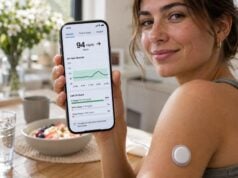
No supplement has evidence strong enough to replace the lifestyle measures proven to prevent or delay type 2 diabetes. For prediabetes, the highest-value steps remain modest weight loss when needed, regular physical activity, a sustainable eating pattern, adequate sleep, and consistent medical follow-up. While supplements like berberine, cinnamon, magnesium, chromium, psyllium, and alpha-lipoic acid are often marketed as “natural metformin,” the scientific backing varies wildly. Some offer promising but limited benefits; others show inconsistent results or address entirely different health issues.
Berberine and cinnamon possess some human trial data regarding glucose lowering, and magnesium may be particularly helpful if baseline levels are low. Psyllium can modestly improve post-meal glucose as part of a higher-fiber diet. In contrast, chromium has not demonstrated reliable enough benefits for routine use, and alpha-lipoic acid is better studied for diabetic neuropathy than for reversing prediabetes. The safest approach treats supplements as optional adjuncts. Prioritize interventions with stronger evidence, check for medication interactions, and be vigilant about product quality issues.
Table of Contents
- What actually works for prediabetes
- Berberine and cinnamon
- Magnesium, chromium, and alpha-lipoic acid
- Fiber supplements and psyllium
- How to spot supplement hype
- How to use supplements safely
What actually works for prediabetes
Prediabetes indicates that blood glucose levels have risen above the normal range but are not yet high enough to warrant a diabetes diagnosis. Under U.S. criteria, this condition is identified by an A1C of 5.7% to 6.4%, a fasting plasma glucose of 100–125 mg/dL, or a two-hour glucose of 140–199 mg/dL during a 75-gram oral glucose tolerance test. Because different organizations may use slightly different cutoffs, results should always be interpreted with your clinician in the context of the specific test used.
The strongest evidence for prevention does not come from pills or powders. Structured lifestyle programs that combine nutrition changes, physical activity, and weight reduction in people with overweight or obesity can substantially lower the risk of progressing to type 2 diabetes. Current American Diabetes Association guidance emphasizes a goal of at least 5–7% weight loss for high-risk individuals with overweight or obesity, alongside at least 150 minutes per week of moderate-intensity activity, such as brisk walking.
These targets are not magic numbers. They represent the range studied in successful prevention programs. A person can improve glucose control without hitting an exact percentage, and those who are not overweight should avoid unnecessary weight loss efforts.
Food quality plays a critical role, too. Mediterranean-style eating patterns, minimally processed carbohydrate sources, legumes, vegetables, whole grains, nuts, seeds, and adequate protein all fit the bill. Lower-carbohydrate patterns may also work if they are nutritionally sound and sustainable. The objective is not one perfect diet; it is reducing the overall glycemic and energy burden while improving overall diet quality.
This evidence hierarchy matters when evaluating supplements. If someone is taking six capsules but remains inactive, sleeps five hours, and consumes most calories from ultra-processed foods, they are targeting the smallest lever available. A structured prediabetes action plan should start with the basics that have the strongest clinical evidence.
Medication can also be appropriate. Metformin is sometimes considered for adults at particularly high risk, including certain younger adults with obesity, higher fasting glucose or A1C, or a history of gestational diabetes. That decision belongs with a clinician. Supplements should not be used to delay indicated medical treatment.
Berberine and cinnamon
Berberine has some of the most interesting glucose-lowering evidence among popular supplements, but it is also one of the easiest to oversell. It is an alkaloid found in several plants with drug-like biological effects on glucose and lipid metabolism.
A small 2023 double-blind pilot trial in adults with prediabetes reported improvements in fasting glucose, post-meal glucose, A1C, and insulin-related measures using a branded berberine product over 12 weeks. Meta-analyses of randomized trials have also found modest improvements in glycemic markers. However, many included studies involve people with type 2 diabetes rather than prediabetes, vary widely in dose and product quality, and rely on relatively small or short trials.
This is very different from proving that berberine prevents diabetes long term. There is no large prevention trial showing that over-the-counter berberine products reduce diabetes incidence to the degree established for intensive lifestyle intervention. Calling it “natural metformin” glosses over important differences in manufacturing, dosing, evidence base, regulation, and safety profiles.
Berberine can cause nausea, constipation, diarrhea, or abdominal pain. It interacts with medications through drug-metabolizing pathways and may add to the glucose-lowering effect of diabetes drugs. It should generally be avoided in pregnancy and breastfeeding unless a qualified clinician specifically recommends otherwise. If you are considering it, see the more detailed guide to berberine evidence, dosing, and interactions.
Cinnamon has a more familiar food image, but concentrated supplements still deserve caution. A 2024 randomized crossover trial in adults with prediabetes found modest improvement in continuous glucose measures over four weeks. Other studies and reviews have produced mixed results, with variability in cinnamon species, dose, baseline glucose status, and study design.
Cassia cinnamon can contain meaningful amounts of coumarin, a compound that can be harmful to the liver at high chronic intakes. Ceylon cinnamon generally contains much less coumarin. Using cinnamon as a spice in food is very different from taking concentrated capsules daily. The article on cinnamon for blood sugar explains that distinction in more detail.
Magnesium, chromium, and alpha-lipoic acid
Magnesium participates in hundreds of enzymatic reactions, including pathways related to insulin signaling and glucose metabolism. Observational studies often link lower magnesium intake or status with greater metabolic risk. This makes magnesium biologically plausible as a support for glucose health, but plausibility does not mean everyone with prediabetes should take a high-dose supplement.
Recent meta-analyses in people with prediabetes or diabetes suggest that magnesium supplementation may improve some measures, such as two-hour glucose or insulin resistance, while effects on fasting glucose are inconsistent. Benefits may be more likely when baseline magnesium intake or status is low. The larger lesson is to correct deficiency rather than assume more is always better.
Food sources include nuts, seeds, beans, whole grains, and leafy greens. If a supplement is needed, forms such as magnesium citrate or glycinate are often better tolerated than magnesium oxide, though product choice depends on the goal. Supplemental magnesium can cause diarrhea and should be used carefully in significant kidney disease because impaired kidneys may not clear excess magnesium normally. The detailed guide to magnesium and blood sugar covers forms and safety.
Chromium is commonly sold as chromium picolinate with claims about insulin sensitivity, cravings, or fat loss. Major diabetes guidance does not recommend routine chromium supplementation for glycemic benefit because the evidence is insufficient and inconsistent. True chromium deficiency is rare in people eating a normal diet. Large supplemental doses can also create safety concerns, particularly in people with kidney or liver disease.
Alpha-lipoic acid is an antioxidant involved in mitochondrial energy metabolism. It has better evidence for symptoms of diabetic peripheral neuropathy than for preventing diabetes in people with prediabetes. Some small studies have examined insulin sensitivity, but that is not enough to make it a routine prediabetes supplement. It can also lower glucose and may interact with medications. If neuropathy or diabetes is the reason you are considering it, alpha-lipoic acid benefits and interactions are more relevant than generalized “glucose support” marketing.
Fiber supplements and psyllium
Psyllium is less glamorous than many “glucose support” capsules, but it has a straightforward mechanism and a useful role for some people. Psyllium is a soluble, gel-forming fiber. When taken with sufficient water, it can slow the digestion and absorption of carbohydrate, increase stool bulk, and support LDL-cholesterol reduction.
For blood sugar, timing matters. Taking psyllium before or with a carbohydrate-containing meal can blunt the post-meal rise in some studies. The effect is usually modest, and it works best as part of an overall high-quality diet rather than as a way to neutralize unlimited refined carbohydrate.
A practical starting dose is often small, such as about 3–5 grams once daily, followed by gradual increases if tolerated. Exact dosing depends on the product because powders, capsules, and husks differ in concentration. Adequate fluid is essential. Taking dry psyllium without enough water can create a choking risk, and people with swallowing disorders or intestinal narrowing need medical guidance.
Psyllium can also affect medication absorption. A common strategy is to separate it from medications by a couple of hours, but the correct interval can depend on the specific drug. Ask a pharmacist if you take prescription medicines. The guide to psyllium before meals for blood sugar covers practical timing and tolerance.
Other fibers such as inulin are marketed for gut health and glucose control. They can support beneficial gut bacteria, but they are more fermentable and often cause gas or bloating when doses increase quickly. More fiber is not always better if it makes you too uncomfortable to maintain the habit.
The bigger goal is total dietary fiber from food. Beans, lentils, vegetables, fruit, intact whole grains, nuts, and seeds bring vitamins, minerals, and phytochemicals that a fiber powder does not. A supplement can fill a gap; it should not replace a fiber-rich diet.
How to spot supplement hype
Prediabetes is an ideal market for exaggerated claims because many people want to act before they need medication. That motivation is positive, but it can make “reverse your A1C naturally” advertising persuasive.
Start by looking for claims that sound stronger than the evidence. Red flags include “works like insulin,” “melts blood sugar,” “reverses prediabetes in days,” or “clinically proven” without naming the actual trial. Testimonials and CGM screenshots can be compelling, but they do not show what would have happened without the product.
Be skeptical of proprietary blends. If a label lists a 1,500 mg blend containing berberine, cinnamon, bitter melon, chromium, alpha-lipoic acid, and several herbs without disclosing individual amounts, you cannot tell whether any ingredient is present at a studied dose. You also have more opportunities for interactions.
“Natural” is not a safety standard. Berberine has pharmacologic effects. Cinnamon extracts can contain coumarin. Minerals can accumulate in kidney disease. Herbal ingredients can affect liver enzymes or drug metabolism. A product can be natural and still be potent, contaminated, mislabeled, or inappropriate for a particular person.
Look for independent quality testing from recognized third parties when available. Quality certification does not prove the supplement works, but it can improve confidence that the bottle contains what the label says and is screened for certain contaminants.
Also check what outcome the research measured. Lower fasting glucose after eight weeks is not the same as preventing type 2 diabetes over several years. A statistically significant change may also be too small to matter clinically. Strong claims should be supported by strong outcomes, not just a favorable biomarker in a small short trial.
Finally, beware of supplement “stacks” that make it impossible to know what helps. If you start five products together and your glucose improves, you cannot identify the responsible factor. If liver enzymes rise or you develop diarrhea, you face the same problem in reverse.
How to use supplements safely
If you want to try a supplement, use a method that makes benefit and harm easier to judge. First, confirm that you actually have prediabetes using a validated test. An isolated consumer CGM spike is not a diagnosis. Understanding prediabetes A1C ranges and next steps can help put one result in context.
Then ask what problem you are trying to solve. If your diet is low in fiber, psyllium may be a logical adjunct. If laboratory testing shows magnesium deficiency, correcting it makes sense. If you are considering berberine because your A1C is rising despite sustained lifestyle changes, discuss the evidence and medication alternatives with a clinician rather than treating it as a harmless food.
Use one new product at a time. Record the dose, brand, start date, side effects, and relevant glucose measures. Give the intervention enough time to match the outcome you are measuring. A1C reflects roughly the previous two to three months, so checking it after ten days tells you little.
Do not adjust prescription medication because a supplement seems to be working. Combining glucose-lowering agents can sometimes increase the risk of low blood sugar, especially in people using insulin or insulin secretagogues. Blood-pressure drugs, anticoagulants, transplant medicines, and other drugs can also interact with supplements.
Tell your clinician and pharmacist what you take, including powders, teas, and “natural” products. This is especially important before surgery, during pregnancy, with kidney or liver disease, or when starting a new prescription.
Most importantly, measure success by the whole health picture. A supplement is not a win if it lowers fasting glucose slightly but causes persistent diarrhea, costs hundreds of dollars, or distracts from exercise and dietary changes that would provide larger benefits. For prediabetes, supplements can be supporting actors. They should not be the main strategy.
It is also worth asking whether a nutrient problem can be solved with food before buying a supplement. Magnesium-rich foods such as pumpkin seeds, almonds, beans, whole grains, and leafy greens improve diet quality at the same time they raise magnesium intake. Fiber from beans, lentils, oats, berries, vegetables, and seeds delivers far more than a single isolated compound. Supplements are most useful when they fill a defined gap, not when they substitute for the foods that create the gap.
Vitamin D deserves a similar distinction. Low vitamin D is common and should be corrected when clinically indicated for bone and overall health, but taking high-dose vitamin D solely to prevent diabetes has not become a routine prediabetes recommendation. The same principle applies to vitamin B12: it is important to identify and treat deficiency, and people taking metformin long term may need periodic assessment, but B12 is not a glucose-lowering supplement for someone whose levels are already adequate.
When you evaluate a new product, ask for four pieces of information: the exact ingredient amount, the population studied, the outcome measured, and the duration of the trial. A bottle can claim “supports healthy glucose metabolism” based on evidence that would not justify expecting a lower A1C in a person with prediabetes.
Cost is part of the evidence decision too. Spending $80 each month on a proprietary glucose formula may crowd out gym access, higher-quality food, a dietitian visit, or prescribed medication. The best intervention is not only biologically plausible; it should also provide enough benefit to justify its cost and complexity.
Follow-up matters more than a dramatic start. If you make a change, repeat the laboratory marker your clinician recommends after an appropriate interval and judge the result alongside weight, blood pressure, lipids, activity, and side effects. Prediabetes can improve, remain stable, or progress for many reasons, so one lower home glucose reading does not prove a supplement is responsible. If a product has produced no measurable benefit after a reasonable trial, continuing it indefinitely “just in case” may add cost and interaction risk without value. Reassessing is part of responsible supplement use.
References
- 3. Prevention or Delay of Diabetes and Associated Comorbidities: Standards of Care in Diabetes—2026 2026 (Guideline)
- 5. Facilitating Positive Health Behaviors and Well-being to Improve Health Outcomes: Standards of Care in Diabetes—2026 2026 (Guideline)
- Overall and Sex-Specific Effect of Berberine on Glycemic and Insulin-Related Traits: a Systematic Review and Meta-Analysis of Randomized Controlled Trials 2023 (Systematic Review)
- Efficacy and safety of HIMABERB® Berberine on glycemic control in patients with prediabetes: double-blind, placebo-controlled, and randomized pilot trial. 2023 (RCT)
- Effect of cinnamon spice on continuously monitored glycemic response in adults with prediabetes: a 4-week randomized controlled crossover trial 2024 (RCT)
- Impact of oral magnesium supplementation on glycemic and cardiometabolic outcomes in prediabetic adults: a systematic review and meta-analysis. 2026 (Systematic Review)
Disclaimer
This article is for general education and does not replace medical care. Supplements can interact with prescription drugs and may be unsafe in pregnancy or in kidney or liver disease. If you have prediabetes, review supplements with your clinician or pharmacist and do not stop or change prescribed medication based on an over-the-counter product.