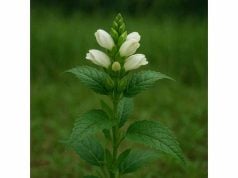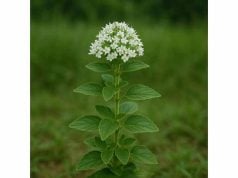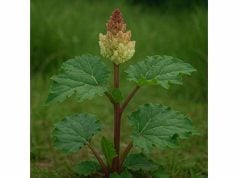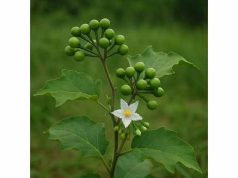
Thistle is a broad common name, and that is where many articles go wrong. In this piece, “thistle” refers to species in the Cirsium genus, not milk thistle, which belongs to a different botanical group and has a different evidence base. Cirsium thistles include several traditional medicinal plants used in Asia, Europe, and folk herbal practice for bleeding, inflammation, liver support, wound care, and general tissue recovery. Their appeal comes from a rich phytochemical profile that includes flavonoids, phenolic acids, sterols, triterpenes, and other protective compounds.
What makes Cirsium especially interesting is that its medicinal promise is real, but highly species-dependent. Some species are studied for antioxidant, anti-inflammatory, antimicrobial, and hepatoprotective effects, while others are better known as edible wild plants or regional folk remedies. That means the genus deserves attention, but also caution. A product labeled only as “thistle” can sound far more precise than it actually is. Used carefully, Cirsium may offer meaningful support in traditional and wellness contexts, but it should be approached as a diverse herbal genus rather than a single, standardized remedy.
Quick Facts
- Cirsium thistles show promising antioxidant and anti-inflammatory activity in modern laboratory research.
- Several species have a long traditional history for helping with minor bleeding and supporting liver and tissue health.
- Traditional decoctions of some medicinal Cirsium species use about 9 to 15 g dried herb, but this is not a validated genus-wide dose.
- People with ragweed-family allergies, pregnancy concerns, or those taking anticoagulants should be especially cautious.
Table of Contents
- What thistle means in Cirsium and why species matter
- Key ingredients and medicinal profile of Cirsium thistles
- Thistle health benefits and what the research suggests
- Traditional and modern uses of Cirsium thistle
- How Cirsium thistle is prepared and dosage considerations
- How to choose a good product and avoid common mistakes
- Safety side effects interactions and who should avoid thistle
What thistle means in Cirsium and why species matter
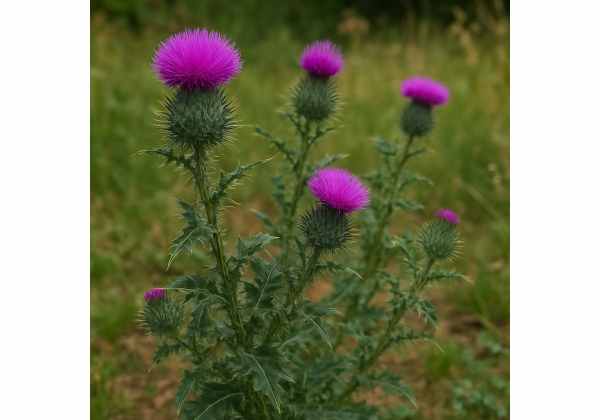
The word “thistle” sounds simple, but medicinally it is not. It can refer to several prickly plants across different genera, and that can create serious confusion for readers, shoppers, and even writers. In this article, the focus is on Cirsium species, a large genus in the daisy family. These plants are often recognized by their spiny leaves, purple or pink flower heads, and hardy growth in fields, roadsides, and mountain habitats. Yet beneath that familiar appearance lies a wide range of species with very different research profiles, traditional uses, and chemical fingerprints.
That distinction matters because many people hear “thistle” and immediately think of milk thistle. Milk thistle is Silybum marianum and is studied mainly for silymarin-rich liver support. Cirsium is different. Some Cirsium species are used in traditional Chinese medicine as hemostatic herbs. Others are explored for antioxidant or antimicrobial properties. Some are edible or regionally used as spring greens. A few are studied for liver protection, wound support, or anti-inflammatory effects. So the correct starting point is not “what does thistle do?” but rather “which thistle are we talking about?”
Several of the better-known medicinal members of this genus include Cirsium japonicum, Cirsium setosum, Cirsium vulgare, Cirsium arvense, and region-specific species studied in Taiwan, Korea, and Europe. Traditional East Asian medicine often treats certain Cirsium herbs as cooling, blood-stopping plants with additional value for swelling and inflammatory conditions. European herbal interest has been broader and less standardized, with some uses tied to digestive, skin, or liver support.
Species variability affects nearly every meaningful question:
- which part of the plant is used
- whether it is taken as a tea, tincture, powder, or food
- which compounds dominate the extract
- what kind of evidence exists
- what dose might be considered traditional or experimental
This is why a genus-level article has to balance clarity with humility. It can describe recurring themes across Cirsium species, but it should not pretend that all thistles are interchangeable. A statement that is accurate for Cirsium japonicum may not be equally true for Cirsium vulgare or Cirsium palustre. The safest reader takeaway is that Cirsium thistles share a family resemblance in traditional use and phytochemistry, but not a single standardized clinical identity.
For comparison, this is similar to how people often group very different bitter herbs together even though their evidence and chemistry differ, as seen with dandelion in herbal digestive and liver traditions. In other words, genus matters, species matters even more, and vague labels deserve caution.
Key ingredients and medicinal profile of Cirsium thistles
The medicinal appeal of Cirsium begins with its chemistry. Across the genus, researchers have identified a wide range of compounds that help explain why thistles have remained relevant in traditional medicine and modern phytochemical research. The most important groups are flavonoids, phenolic acids, triterpenes, sterols, polyacetylenes, and other specialized secondary metabolites. Together, these compounds give Cirsium species their antioxidant, anti-inflammatory, antimicrobial, and tissue-protective reputation.
Flavonoids are especially important. Several Cirsium species contain luteolin, apigenin, pectolinarin, cirsimaritin, hispidulin, and related flavone derivatives. These are not just decorative plant pigments. They are biologically active molecules studied for free-radical scavenging, inflammatory signaling control, vascular effects, and cellular protection. In some species, pectolinarin and cirsimaritin are treated almost like signature compounds because they appear repeatedly in discussions of Cirsium pharmacology.
Phenolic acids also contribute heavily to the genus profile. Chlorogenic acid, caffeic acid, and related compounds appear in several species and are part of the reason thistles are studied for antioxidant activity. These compounds can help explain why extracts from some Cirsium species perform well in laboratory tests involving oxidative stress, lipid peroxidation, and cell protection.
Other key constituents include:
- triterpenes, which may contribute to anti-inflammatory and membrane-stabilizing actions
- phytosterols, which may support metabolic and structural effects
- polyacetylenes and phenylpropanoids, which add to the plant’s broader biological activity
- volatile and lipophilic compounds in some species that may help explain antimicrobial findings
The medicinal profile that emerges from this chemistry is broad but not uniform. Across the genus, researchers most often discuss the following properties:
- antioxidant
- anti-inflammatory
- antimicrobial
- hepatoprotective
- hemostatic
- cytoprotective
- possible antidiabetic and metabolic support in selected species
The word “possible” matters. Chemistry can show why an herb is promising, but it does not prove clinical success. A genus can be rich in beneficial metabolites and still lack strong human trials. That is largely where Cirsium stands today. The plant chemistry is more mature than the clinical literature.
Another point worth noting is that the plant part changes the profile. Leaves, aerial parts, flowers, and roots can all differ in their dominant compounds. One extract may be richer in flavonoids, while another may show stronger lipophilic or antimicrobial effects. This is one reason that teas, alcohol extracts, and powdered herb products may not behave the same way even when they come from the same named species.
Readers familiar with other mineral-rich, phenolic-heavy herbs may recognize a similar “nutritive plus bioactive” pattern in plants such as nettle with its compound-rich profile. Still, Cirsium remains its own category: less standardized than mainstream supplements, but chemically interesting enough to justify ongoing medicinal research.
Thistle health benefits and what the research suggests
The health benefits most often associated with Cirsium thistles fall into a few repeat themes: antioxidant protection, inflammation control, liver support, traditional bleeding control, and antimicrobial activity. These themes are not invented, but they do need to be interpreted carefully. Most of the evidence comes from species-specific laboratory, animal, or traditional-use research rather than from large human clinical trials.
The best supported genus-wide theme is antioxidant activity. Multiple Cirsium species have demonstrated strong radical-scavenging potential and high phenolic content. This matters because oxidative stress is closely tied to inflammation, tissue damage, metabolic dysfunction, and cellular aging. In practical terms, an antioxidant-rich herbal extract may help explain why traditional systems valued these plants in recovery, inflammatory states, and protective formulations.
Anti-inflammatory activity is another strong theme. Compounds such as cirsimaritin and related flavonoids have shown the ability to influence inflammatory pathways in experimental settings. This does not mean a cup of thistle tea behaves like a prescription anti-inflammatory drug, but it does give real biologic support to traditional uses for swelling, soreness, and irritation.
Liver support is one of the most interesting areas, especially because people often assume only milk thistle belongs there. Some Cirsium species, particularly those studied in East Asia and Taiwan, have shown hepatoprotective potential in preclinical work. These findings suggest that certain thistles may help protect liver tissue from oxidative or chemical stress. That said, this is still not the same as a proven treatment for hepatitis, fatty liver disease, or medication-related liver injury. The evidence is promising, not definitive.
Traditional bleeding control is also notable. Several medicinal Cirsium species are historically used to help stop bleeding, cool the blood, and reduce swelling. This is one of the more distinctive traditional identities of the genus. Yet even here, the modern clinical data are thin. The use is longstanding, but not well validated by modern trial standards.
Other possible benefits discussed in the literature include:
- mild antimicrobial and antifungal effects
- support for wound recovery
- metabolic and glucose-related benefits in selected species
- possible vascular support
- digestive and motility-modulating effects in some species
The key phrase throughout is “in selected species.” Cirsium japonicum may not behave like Cirsium vulgare, and a lipophilic extract may not resemble a tea infusion. Once that is understood, the research looks more useful and more honest. It points to a genus with real pharmacological promise, especially for inflammation and tissue protection, but not yet to a standardized clinical herb with one universally accepted use.
Compared with more established anti-inflammatory herbs such as boswellia in joint and inflammation research, Cirsium is earlier in the evidence pipeline. Its benefits should be described as plausible, species-dependent, and still developing.
Traditional and modern uses of Cirsium thistle
Traditional uses give Cirsium much of its medicinal identity. In East Asian herbal systems, certain species are used to cool heat, stop bleeding, move blood stasis, reduce swelling, and support recovery from inflammatory conditions. These are not vague symbolic ideas only. They often correspond reasonably well with the modern observation that Cirsium species can show antioxidant, anti-inflammatory, and tissue-protective activity.
Historically, the genus has been used for:
- nosebleeds and minor bleeding states in traditional formulas
- blood in urine or stool in older traditional contexts
- inflammatory swelling and sores
- liver-related complaints
- wound and skin applications
- recovery support after trauma or heat-related inflammatory states
Modern wellness use has broadened these themes. Today, Cirsium products may be marketed for liver support, circulation, inflammatory balance, metabolic health, skin recovery, or general antioxidant protection. Some species are also used in functional foods or teas rather than only in medicinal extracts.
One reason the genus continues to attract attention is that it sits between food, folk herb, and research herb. Some species have edible leaves or young shoots when prepared properly. Others are used more strictly as medicinal materials. This flexibility makes Cirsium attractive to people who prefer plant-based approaches that feel gentler than high-potency supplements. Yet that same flexibility can blur the line between traditional use and proven effect.
Modern uses that make the most sense are the ones that stay close to the evidence:
- mild supportive use for general inflammation-focused herbal routines
- adjunctive liver-support formulas built around antioxidant herbs
- traditional bleeding-support formulas directed by experienced practitioners
- topical folk uses for minor skin and tissue support
- species-specific extracts studied for antioxidant or antimicrobial potential
Where claims tend to overreach is when a generic “thistle” supplement is presented as a direct treatment for serious liver disease, active bleeding disorders, infection, cancer, or autoimmune disease. Those applications go beyond what current evidence can justify, especially when the exact species is unclear.
A useful practical distinction is that traditional use shows where an herb has been trusted, while modern research shows where it may deserve deeper study. Neither one automatically proves medical efficacy. That is why Cirsium works best as a supportive herb, not a heroic one. Readers should be especially cautious when marketers rely on the general prestige of “thistle” to imply the established liver-data reputation that belongs more clearly to another plant.
Within broader herbal traditions, Cirsium often sits alongside other classic bitter or protective herbs such as artichoke for digestive and liver-oriented support. That comparison can be helpful, but it should not erase the fact that Cirsium remains less standardized and much more species-sensitive than many better-known herbal staples.
How Cirsium thistle is prepared and dosage considerations
Dosage is one of the most difficult parts of a genus-level article on Cirsium, because there is no single validated oral dose that fits all species, extracts, and traditions. That is not a weakness in the article. It is a fact about the plant. Different Cirsium species are used differently, and the evidence base is not strong enough to produce a universally reliable modern dosing standard.
In traditional East Asian practice, some medicinal Cirsium herbs are commonly prepared as decoctions. A frequently cited traditional range is about 9 to 15 g of dried herb, with larger amounts sometimes used in formula-based practice depending on species, preparation, and therapeutic goal. This kind of number can be useful as historical context, but it should not be mistaken for a clinically validated genus-wide recommendation. It applies most reasonably to specific medicinal Cirsium species used by trained practitioners, not to every thistle product sold online.
Modern forms include:
- dried herb for infusion or decoction
- powdered capsules
- liquid extracts and tinctures
- standardized or semi-standardized botanical extracts
- combination formulas with other liver or anti-inflammatory herbs
A sensible reader-focused approach is to separate traditional use from self-care use.
- If the product is a tea or dried herb, follow the labeled preparation instructions and start conservatively.
- If the product is a tincture or capsule, choose one that clearly names the species and plant part.
- Avoid combining multiple new herbs at once, especially in a liver-support or bleeding-focused formula.
- Reassess after several days rather than assuming more is better.
The reason caution matters is simple: the pharmacology may differ by species, and the dose that is gentle for one extract may be excessive for another. A flower-rich aerial extract, a root powder, and a lipophilic fraction are not interchangeable.
Duration is equally important. For most adults using a basic herbal tea or simple formula, short-term cautious use makes more sense than indefinite use. Long-term routine supplementation is harder to justify when safety and efficacy are not deeply established.
One more distinction helps. Some people encounter Cirsium as a food-like herb, especially in regions where young shoots or leaves are used seasonally. That is different from using a concentrated extract for inflammation or liver support. Culinary exposure is not the same as medicinal dosing.
A prudent summary is this: Cirsium does have traditional dosage ranges in some systems, especially around 9 to 15 g dried herb in decoction for selected medicinal species, but there is no single modern evidence-based dose for “thistle” as a whole. That means personalization, species clarity, and moderation matter more than strict numbers.
How to choose a good product and avoid common mistakes
If there is one place where people make preventable mistakes with thistle, it is product selection. The label may say “thistle,” but that tells you almost nothing useful. For a genus as broad and species-sensitive as Cirsium, the product is only as good as the identity information attached to it.
The first rule is simple: the label should clearly state the Latin name. Ideally, it should say something like Cirsium japonicum, Cirsium vulgare, or another exact species, not just “thistle herb.” Without that detail, the product cannot be evaluated against the research or traditional use that is being implied.
The second rule is to confirm the plant part. Aerial parts, roots, flowers, and whole-herb products may differ substantially in chemistry. This is especially important if a product makes claims about bleeding support, liver health, or antimicrobial potential, because those claims may come from studies on a different extract profile than the one being sold.
A stronger product usually gives you:
- exact Latin binomial
- plant part used
- extraction ratio or concentration information
- ingredient list without vague proprietary hiding
- manufacturer quality testing or contaminant screening
- realistic labeling rather than disease-specific promises
The most common mistakes include:
- confusing Cirsium thistle with milk thistle
- assuming all Cirsium species are interchangeable
- buying a product that uses “thistle” as marketing shorthand
- choosing a formula with five other herbs before knowing how you respond
- expecting dramatic effects from a lightly prepared tea
- treating traditional use as proof of clinical efficacy
Another mistake is relying on color, bitterness, or price as proof of quality. A darker extract is not automatically stronger, and an expensive bottle is not automatically better standardized. Clarity matters more than mystique.
People interested in inflammation or tissue support sometimes do better by comparing Cirsium with better-characterized herbs first. For example, if the real goal is musculoskeletal comfort, a person may want to understand whether a more established option such as willow bark for traditional pain support better matches the intended use. Cirsium may still be appropriate, but it should be selected for what it is, not for what another herb is famous for.
Finally, beware of overconfident marketing. A good Cirsium product should look like a careful botanical preparation. A bad one often looks like a catch-all promise in a thorny bottle. When the evidence is nuanced, the label should be nuanced too.
Safety side effects interactions and who should avoid thistle
Cirsium thistles are often presented as gentle herbs, and for many adults they may be relatively well tolerated in normal traditional amounts. Still, “natural” does not mean risk-free. The main safety issues involve allergy potential, uncertainty around concentrated extracts, herb-drug interactions, and the danger of using a poorly identified product for a serious condition.
The most likely side effects are mild and nonspecific:
- stomach upset
- nausea
- bloating
- loose stools
- headache
- rash or skin irritation with topical use
Because Cirsium belongs to the daisy family, people with allergies to ragweed, daisies, chrysanthemums, or related Asteraceae plants should be careful. Cross-reactivity is not guaranteed, but it is possible. A person with a strong history of plant-allergy reactions should avoid casual experimentation.
Pregnancy and breastfeeding deserve caution as well. Traditional use exists, but modern safety data for concentrated Cirsium extracts are limited. That makes self-directed medicinal use a poor choice during pregnancy or breastfeeding unless a qualified clinician specifically advises it.
Drug interactions are not deeply mapped for the genus, but a few categories deserve special care:
- anticoagulants and antiplatelet drugs
- diabetes medications
- blood pressure medications
- drugs processed by the liver when strong extracts are used
The reason is not that every Cirsium product is known to interact strongly. It is that the genus has enough biologic activity, especially around hemostatic, hepatic, and metabolic themes, that uncertainty should be treated seriously. If someone is taking prescription medication for bleeding risk, liver disease, or glucose control, adding a concentrated thistle extract without advice is not prudent.
Who should avoid medicinal use of Cirsium unless guided?
- pregnant or breastfeeding people
- children
- people with severe ragweed-family allergies
- anyone on blood thinners
- people self-treating unexplained bleeding
- people substituting herbs for proper liver-disease care
That last point is especially important. Traditional hemostatic use does not mean an herb should be used to manage unexplained blood in urine, coughing up blood, or heavy bleeding without evaluation. In the same way, promising hepatoprotective research does not justify self-treating hepatitis, jaundice, or medication-related liver injury with “thistle.”
Patch testing is also wise for topical preparations, especially if a salve or wash contains multiple botanicals. Homemade thistle products can vary widely in strength and cleanliness.
The safest general conclusion is that Cirsium thistle may have a relatively favorable traditional safety reputation when properly identified and used conservatively, but the modern evidence is still too limited to justify casual or heroic use. Respect for the plant should include respect for its limits.
References
- Recent research progress of Cirsium medicinal plants in China 2021 (Systematic Review)
- Traditional Uses, Phytochemical Composition, Pharmacological Properties, and the Biodiscovery Potential of the Genus Cirsium 2022 (Review)
- Potential Antioxidant and Anti-Inflammatory Properties of Polyphenolic Compounds from Cirsium japonicum Extract 2024 (Research Article)
- Antimicrobial and Antioxidant Efficacy of the Lipophilic Extract of Cirsium vulgare 2023 (Research Article)
- Antioxidant Effects and Phytochemical Properties of Seven Taiwanese Cirsium Species Extracts 2021 (Research Article)
Disclaimer
This article is for educational purposes only and is not medical advice. Cirsium thistles are a diverse group of plants, and their chemistry, traditional uses, and safety profiles can vary by species and preparation. The information here should not be used to diagnose, treat, or replace care for bleeding disorders, liver disease, infection, or any other medical condition. Speak with a qualified healthcare professional before using thistle products if you are pregnant, breastfeeding, taking prescription medication, or managing a chronic health condition.
If this article was helpful, please share it on Facebook, X, or another platform you prefer.