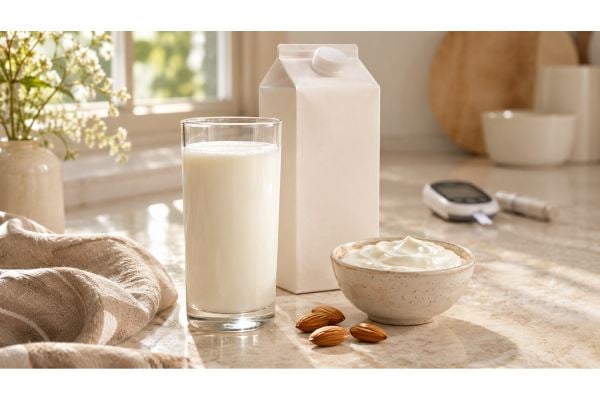
Ultra-filtered high-protein milk can be a strategic choice for blood sugar management, primarily because it delivers more protein and less lactose-derived sugar than standard dairy. However, it is not an automatic weight-loss tool or a glucose-control miracle. The value lies in substitution. Swapping a sweetened drink, sugary coffee creamer, or higher-carbohydrate snack for unsweetened ultra-filtered milk may reduce the post-meal glucose rise and improve satiety due to its higher protein and lower carbohydrate load. Conversely, simply adding a 120-calorie glass to an already adequate diet means those calories still count toward your total intake.
It is also important to recognize that milk protein stimulates insulin. Therefore, a smaller glucose rise does not equate to “no metabolic response.” The most useful products are unsweetened or lightly sweetened versions that fit within your calorie needs and provide meaningful protein per serving. Flavored variants warrant a careful label check, as added sugar can erase much of the carbohydrate advantage. The central question is not whether high-protein milk is inherently good or bad, but whether it improves the specific meal or snack it replaces.
Table of Contents
- What Ultra-Filtered Milk Is
- How It Affects Blood Sugar
- Protein, Insulin, and Satiety
- When It Helps—and When It Just Adds Calories
- How to Read the Label
- Best Ways to Use It
- Who Should Be Cautious
What Ultra-Filtered Milk Is
Ultra-filtered milk begins as standard cow’s milk but undergoes a process where it is passed through membranes that separate components by size. Manufacturers can remove specific amounts of water and lactose while concentrating milk proteins and minerals. The resulting product typically contains more protein and less sugar per cup than ordinary milk.
To put this in perspective, regular cow’s milk provides about 8 g of protein and roughly 12 g of naturally occurring sugar, mostly lactose, per 8-ounce cup. Many ultra-filtered milks offer around 13 g of protein and roughly 6 g of sugar per cup, though exact numbers vary by brand. Some products are also treated with lactase, an enzyme that breaks lactose into glucose and galactose, allowing them to be labeled lactose-free. Others may differ in filtering steps, fat levels, or added ingredients.
“High protein” is thus a product characteristic rather than a single standardized recipe. A bottle marketed for fitness might contain 20–30 g of protein but also be larger than one cup. Flavored versions may add cocoa, sweeteners, sugar, gums, or other components. Comparing per-container numbers without checking serving size can make one product appear superior when it is merely larger.
The protein itself remains mainly casein and whey, the same major protein families found in conventional cow’s milk. Filtration changes concentration more than protein identity. This distinction matters because milk proteins have specific effects on digestion, insulin secretion, gut hormones, and satiety.
It is also crucial not to confuse ultra-filtration with plant-based milk alternatives. Oat, almond, soy, and pea beverages have very different protein and carbohydrate profiles. For instance, some oat milks contain more rapidly digestible carbohydrate and less protein than cow’s milk, which can produce a distinct glucose response. The principles outlined in choosing oat milk for blood sugar are therefore fundamentally different from those applied when selecting an ultra-filtered dairy milk.
How It Affects Blood Sugar
Unsweetened ultra-filtered milk often produces a smaller glucose load than the same volume of regular milk because it contains less lactose-derived carbohydrate. If a cup contains 6 g of sugar instead of 12 g, that represents roughly half the carbohydrate from milk sugar.
However, blood glucose is not determined by sugar grams alone. Protein plays a significant role in modulating the response. Dairy proteins, especially whey, can stimulate insulin and gut hormones such as GLP-1. They may also slow gastric emptying in certain meal settings. Consequently, adding milk protein to a carbohydrate-containing meal can reduce the post-meal glucose excursion, even while insulin levels rise.
Recent evidence supports this mechanism. A meta-analysis of controlled feeding trials found that adding dairy protein to carbohydrates reduced glucose exposure in people without diabetes, with more variable effects observed in those with type 2 diabetes. Another systematic review noted that whey-protein preloads before meals reduced peak glucose and overall post-meal glucose levels, partly through increased insulin, GLP-1 secretion, and slower gastric emptying.
This explains why high-protein milk pairs well with foods like oats, cereal, or fruit. You are not only lowering the milk’s inherent carbohydrate content; you are also increasing the protein ratio of the mixed meal.
The effect remains dose- and meal-dependent. Adding a cup of high-protein milk to a large bowl of sugary cereal does not transform the cereal into a low-glycemic food. It may blunt the peak compared with a lower-protein liquid, but the total carbohydrate load remains the dominant factor.
Likewise, a lower glucose peak should not be interpreted as “free food.” Insulin is doing part of the work to manage that glucose. This is normal physiology, but it is important when evaluating marketing claims that treat any flat glucose curve as automatically superior for health.
For someone with diabetes who uses a continuous glucose monitor (CGM), the practical test is to compare similar meals. If the same oatmeal breakfast produces a smaller and shorter rise with unsweetened ultra-filtered milk than with a sweetened beverage, that is useful personal data. One isolated curve, however, does not prove a long-term health benefit.
Protein, Insulin, and Satiety
The higher protein content is the primary reason ultra-filtered milk may help with appetite control. Protein is generally more filling per calorie than refined carbohydrate and can help preserve lean mass during weight loss.
Milk protein contains both whey and casein. Whey digests relatively quickly and strongly stimulates insulin and several gut hormones. Casein forms a slower-digesting curd in the stomach. Together, they provide a complete amino-acid profile with substantial leucine, an amino acid critical for muscle protein synthesis.
Research on milk-protein supplementation has found small improvements in fasting glucose, fasting insulin, and insulin resistance in some adult populations, although effects on A1C are not consistently significant. These results do not mean drinking more milk automatically improves diabetes management. In many trials, the protein replaces or supplements specific parts of a controlled diet rather than being added to an unrestricted one.
The satiety effect also depends heavily on context. A 13-g-protein glass of milk may make a breakfast of toast and fruit more filling. The same glass consumed after a large dinner when you are already full may simply add energy without reducing subsequent intake.
This replacement principle is important enough to state explicitly:
- Replacing a 250-calorie pastry with a 120-calorie high-protein milk can reduce calories and add protein.
- Replacing a 150-calorie sweetened coffee drink with unsweetened milk may lower added sugar intake.
- Adding 120 calories of milk to the pastry and coffee increases the meal’s total energy, even if the milk itself has a favorable nutrient profile.
A similar idea applies to adding protein to coffee. Protein can make a beverage more filling, but it works best when it replaces another calorie source or supports a planned meal rather than becoming an automatic extra.
When It Helps—and When It Just Adds Calories
Ultra-filtered milk is most useful when it solves one of three specific problems: breakfast is too low in protein, a beverage adds too much sugar, or a snack does not keep you full.
Consider breakfast. A bowl of plain oats made with water may contain useful fiber but relatively little protein. Using high-protein milk can increase the protein content by 10–15 g without requiring a separate protein powder. Add berries, nuts, or seeds, and the meal becomes more balanced.
For a snack, a cup of high-protein milk paired with fruit may be more satisfying than juice or crackers alone. The protein can slow the eating pace and provide essential amino acids, while the fruit adds fiber and micronutrients.
After resistance exercise, milk can also serve as a convenient recovery food. It provides fluid, complete protein, carbohydrate, potassium, and calcium. If training is part of a plan to improve insulin sensitivity, this can be a practical use rather than “extra” calories.
Where it becomes less helpful is automatic consumption. Drinking high-protein milk between meals simply because the label looks healthy can add 700–1,000 calories across a week if nothing else changes. This may slow weight loss, and excess body fat can worsen insulin resistance over time.
There is another reason the replacement question matters: liquid calories are easy to consume quickly. Chewing a meal usually gives the brain more time to register fullness, while a bottle can be finished in a few minutes. High protein improves satiety for many people, but it does not guarantee that you will compensate by eating less later. If the drink does not reduce hunger or replace another food, count it as an added snack.
Calorie density also differs by fat level. A nonfat ultra-filtered milk may provide high protein for relatively few calories, while a whole-milk version can contain substantially more energy because of fat. Neither is automatically wrong. Someone who struggles to eat enough may benefit from the higher-calorie version, while someone using the milk during weight loss may prefer a leaner option.
Calories matter even when glucose does not spike much. Dietary fat and protein contribute energy, and a lower-glucose beverage can still lead to a positive energy balance. This is a common blind spot in glucose-focused eating: people sometimes optimize the CGM curve while total intake quietly rises.
The best way to evaluate the product is to ask, “What is this replacing?” If the answer is soda, dessert, a low-protein breakfast, or a snack that leaves you hungry, the trade can be favorable. If the answer is “nothing,” decide whether the extra protein is actually needed.
How to Read the Label
Ignore the marketing headline for a moment and compare the Nutrition Facts panel. The most useful numbers are serving size, calories, protein, total carbohydrate, added sugar, and saturated fat.
For blood sugar and appetite management, an unsweetened high-protein milk often has a strong profile when it provides substantially more protein than carbohydrate. A practical label check includes:
- Serving size: Is the bottle one serving or two?
- Protein: Does one serving provide at least about 10–15 g if you are buying it specifically for higher protein?
- Total carbohydrate: Compare this with regular milk and with other beverages you use.
- Added sugar: Plain milk should generally not need added sugar. Flavored products can vary widely.
- Calories: Decide whether the serving fits your energy needs.
- Saturated fat: Whole-milk versions contain more than reduced-fat versions; choose based on your overall diet and cardiovascular goals.
- Ingredients: Check for sweeteners, flavorings, gums, or lactase if those matter to you.
A simplified comparison might look like this:
| Beverage type | Protein | Carbohydrate | Practical blood-sugar note |
|---|---|---|---|
| Regular cow’s milk | Moderate | About 12 g lactose per cup | Balanced, but more carbohydrate than many ultra-filtered versions |
| Plain ultra-filtered milk | Higher | Often lower | Useful when you want more protein with less lactose-derived carbohydrate |
| Flavored ultra-filtered milk | Higher | Variable | Added sugar can substantially increase glucose load |
| Protein shake | Often highest | Highly variable | May include powders, sweeteners, oils, or additives; check the full label |
If you are comparing a ready-to-drink bottle with a carton, calculate what you will actually consume. A 14-ounce bottle with 26 g of protein may look twice as “high protein” as a cup of milk simply because it contains almost twice the volume. Dividing the nutrition by ounces can help you distinguish concentration from serving size.
Sweeteners can also change the experience without adding much glucose. Some flavored high-protein milks use nonnutritive sweeteners. These can be useful if they help you choose a lower-sugar product, but they are optional. Taste preference, digestive tolerance, and your overall eating pattern matter more than whether a product is technically sugar-free.
Do not compare products only by “sugar.” Lactose is a natural sugar, while total carbohydrate captures a broader part of the glucose-relevant picture. Added sugar is still worth checking because sweetened chocolate or vanilla versions can contain much more carbohydrate than plain milk.
Best Ways to Use It
Use high-protein milk where the extra protein changes the structure of the meal.
At breakfast, pour it over unsweetened whole-grain cereal or use it in oatmeal. Add berries and nuts rather than sweetened granola if glucose control is the priority. In a smoothie, pair it with whole fruit, leafy greens, and perhaps seeds; avoid turning the smoothie into a dessert with juice, honey, multiple fruits, and sweetened yogurt.
As a snack, combine a measured serving with fruit or a small handful of nuts. If you are using it to reduce between-meal blood sugar swings, the goal is a planned snack that prevents grazing, not another eating occasion on top of frequent snacks.
You can also use a smaller amount before a carbohydrate-heavy meal. Research on whey protein before meals suggests that a modest protein preload can reduce post-meal glucose in some people, especially those with type 2 diabetes. Ultra-filtered milk is not identical to a concentrated whey preload, but the mechanism helps explain why protein-rich dairy can alter the glucose curve.
If you routinely eat breakfast with little protein, consider a simple target rather than chasing the highest number on the shelf. Getting roughly 20–30 g of protein in a meal is often enough to make breakfast more balanced for many adults. A cup of high-protein milk plus eggs, yogurt, oats, or another protein-containing food can reach that range without a specialty shake. Exact needs vary with body size, age, activity, and health.
For cooking, high-protein milk can increase protein in soups, mashed potatoes, pancakes, or sauces, but heating may change texture depending on the product. The metabolic value still depends on the complete recipe.
If your goal is weight loss, budget the milk into the day. A useful method is to replace another calorie source rather than adding the milk spontaneously. For example, use it instead of a sugary afternoon latte, not alongside the latte.
Who Should Be Cautious
Ultra-filtered milk is still cow’s milk. People with a true milk-protein allergy should avoid it even if the product is lactose-free. Removing lactose does not remove casein or whey proteins.
Lactose intolerance is different. Many ultra-filtered products contain less lactose, and some are treated with lactase until they are lactose-free. Check the package because filtration alone does not guarantee complete lactose removal.
People with chronic kidney disease may need individualized protein, potassium, phosphorus, or fluid targets. A high-protein beverage that is appropriate for a healthy adult may not fit a kidney-disease nutrition plan. Ask your clinician or renal dietitian before deliberately increasing protein intake.
People taking insulin or other glucose-lowering medication should also remember that milk still contains carbohydrate unless the label says otherwise. Count the actual carbohydrate in the serving rather than assuming “high protein” means “no carb.”
If you are unsure whether it is helping, test a two-week swap rather than simply adding it. Replace one usual drink or snack with the milk, keep the rest of the day similar, and note hunger, glucose if you monitor it, and body-weight trend. That makes the effect easier to judge than changing several foods at once.
Finally, high-protein milk is optional. You can get the same basic nutritional goals from Greek yogurt, cottage cheese, eggs, fish, poultry, tofu, beans, soy milk, or other protein-rich foods. Choose it because it is convenient, tastes good, and improves the nutrient balance of your meal—not because filtration itself has been proven to produce unique long-term metabolic benefits.
References
- The Effect of Adding Protein to a Carbohydrate Meal on Postprandial Glucose and Insulin Responses: A Systematic Review and Meta-Analysis of Acute Controlled Feeding Trials 2024 (Systematic Review)
- A Randomized, Placebo-Controlled, Single-Center, Crossover Study to Evaluate the Effects of Pre-Meal Whey Protein Microgel on Post-Prandial Glucometabolic and Amino Acid Response in People with Type 2 Diabetes and Overweight or Obesity 2025 (RCT)
- Effects of supplementation with milk protein on glycemic parameters: a GRADE-assessed systematic review and dose-response meta-analysis 2023 (Systematic Review)
- Whey Protein Premeal Lowers Postprandial Glucose Concentrations in Adults Compared with Water-The Effect of Timing, Dose, and Metabolic Status: a Systematic Review and Meta-analysis 2023 (Systematic Review)
- Effects of Dairy Intake on Markers of Cardiometabolic Health in Adults: A Systematic Review with Network Meta-Analysis 2023 (Systematic Review)
Disclaimer
Milk products can affect glucose, calorie intake, and medication needs differently from person to person. People with milk-protein allergy, chronic kidney disease, or diabetes treated with glucose-lowering medication may need individualized guidance. This article is for general education and does not replace medical or dietetic care.