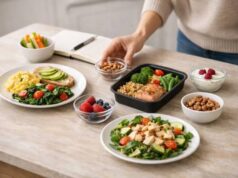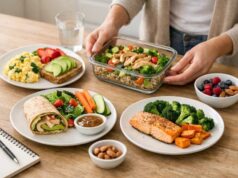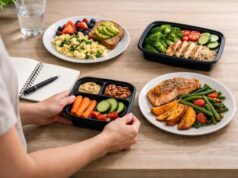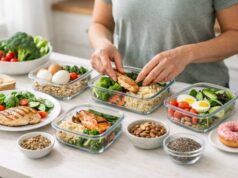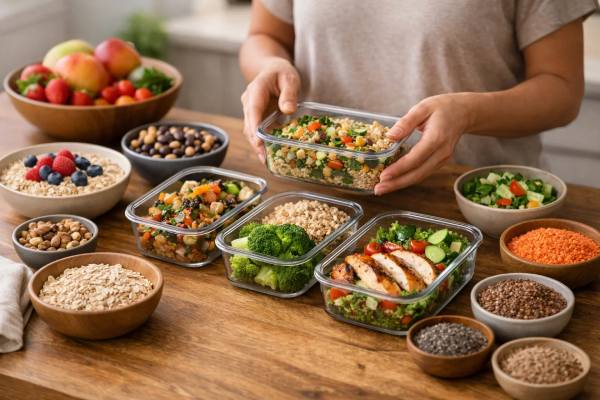
A good high-fiber meal plan does more than improve digestion. It can make a calorie deficit feel easier by helping meals take up more space on your plate, slow down hunger, and keep you satisfied between meals. That matters because weight loss usually falls apart when your plan leaves you hungry, low on energy, and constantly thinking about food.
This 7-day high-fiber meal plan is built for real life. You will see how to spread fiber across the day, pair it with enough protein, and use practical foods like oats, beans, berries, vegetables, potatoes, and whole grains without making every meal feel like “diet food.” You will also learn how to adjust the plan if your calories, appetite, or digestion need something different.
Table of Contents
- Why fiber helps you stay full
- Daily targets that make this plan work
- 7-day high-fiber meal plan
- Grocery list and weekend prep
- How to adjust the plan for your calories
- Common mistakes and who should be cautious
Why fiber helps you stay full
Fiber is one of the simplest tools for making weight loss feel more manageable. It does not “burn fat” on its own, but it improves the way meals work in your body and in your daily routine. High-fiber meals usually take longer to eat, add more bulk for relatively few calories, and often come packaged with water-rich foods like fruit, vegetables, beans, and cooked whole grains. That combination can make a meal feel bigger without pushing calories too high.
There is also a practical appetite benefit. When your meals include enough fiber, you are less likely to move from “I should eat lighter” to “I am starving and need something fast.” That shift matters because most overeating is not caused by one dinner out. It is caused by a pattern of under-filling meals followed by reactive snacking later.
Another advantage is food quality. Fiber-rich eating tends to crowd out the least satisfying options: pastries that disappear in four bites, sugary drinks that do not fill you up, and highly refined snacks that are easy to overeat. A high-fiber plan nudges you toward foods that have more chew, more volume, and a slower eating pace. That is one reason it pairs so well with sustainable fat loss.
Not all fiber works exactly the same way. Soluble fiber, found in foods like oats, beans, chia, apples, and barley, forms a gel-like texture with water and often has the biggest effect on fullness. Insoluble fiber, found in many vegetables, bran, nuts, seeds, and whole grains, adds bulk and helps overall bowel regularity. You do not need to obsess over the categories, but it helps to eat from both.
The best part is that a high-fiber approach does not require a perfectly clean diet. It requires smarter structure. A bowl of Greek yogurt with oats and berries, a lentil soup with a salad, or salmon with quinoa and roasted vegetables can all fit the same principle: decent protein, plenty of produce, and a carbohydrate source that brings fiber with it. If you want a broader overview of everyday benchmarks, the same ideas connect closely to daily fiber targets and easy food swaps and to the logic behind high-volume, low-calorie foods.
Daily targets that make this plan work
A 7-day high-fiber meal plan works best when you stop treating fiber as the only target. Fiber is important, but it performs better when calories, protein, meal timing, and hydration are doing their jobs too.
A practical target range
For many adults, a good high-fiber weight loss plan lands around these ranges:
- Fiber: about 30 to 40 grams per day
- Protein: often around 90 to 120 grams per day, depending on body size and goals
- Calories: enough to create a moderate deficit, not an extreme one
- Meals: 3 main meals plus 1 or 2 planned snacks if needed
- Fluids: enough water through the day so higher fiber does not backfire
Those are not universal prescriptions, but they are a useful framework. A plan that gives you 35 grams of fiber but only 55 grams of protein may still leave you hungrier than expected. The same goes for a plan that is technically high-fiber but far too low in calories to be sustainable.
How to spread fiber through the day
One common mistake is trying to “catch up” at dinner with a giant salad or a fiber-loaded wrap after eating low-fiber meals all day. A steadier approach works better. Aim for something like:
- 8 to 12 grams at breakfast
- 8 to 12 grams at lunch
- 8 to 12 grams at dinner
- 3 to 8 grams from snacks, depending on hunger
That pattern usually feels better on digestion and does more for appetite control than one oversized fiber bomb late in the day.
What foods do most of the work
You do not need specialty products to hit these numbers. The most useful staples are:
- Oats, bran cereal, barley, quinoa, brown rice, and whole wheat pasta
- Beans, lentils, chickpeas, edamame, and peas
- Berries, pears, apples, oranges, kiwi, and bananas
- Broccoli, Brussels sprouts, carrots, leafy greens, cauliflower, sweet potatoes, and peppers
- Chia seeds, flaxseed, nuts, and seeds
This is also why high-fiber eating often improves food satisfaction. Your carbohydrates come with something extra. Instead of crackers that vanish and leave you hunting for more, you are choosing carbs that bring fiber, texture, and staying power. That approach overlaps naturally with the best carbs for a calorie deficit. Pairing those foods with steady protein at meals matters too, especially if you want fullness that lasts past the first hour after eating. A simple benchmark is to build meals around the same logic used for protein-per-meal targets for weight loss.
Two rules that keep the plan comfortable
First, increase fiber gradually if your current intake is low. Jumping from 12 grams a day to 40 overnight is a great way to feel bloated and quit. Second, drink regularly. Fiber works better when you are hydrated. Without enough fluid, “eat more fiber” can turn into “why do I feel worse?”
7-day high-fiber meal plan
This sample week is designed for one adult and roughly fits a moderate weight loss setup for many people. Most days land in the neighborhood of 1,500 to 1,700 calories, with roughly 30 to 45 grams of fiber and a solid amount of protein. Portions can be adjusted up or down, but the meal structure is the part that matters most.
| Day | Breakfast | Lunch | Dinner | Snack | Approx. fiber |
|---|---|---|---|---|---|
| Day 1 | Greek yogurt with oats, chia seeds, raspberries, and cinnamon | Lentil vegetable soup, mixed salad, and one slice whole grain toast | Salmon, quinoa, and roasted Brussels sprouts with olive oil and lemon | Apple with peanut butter | 38 g |
| Day 2 | Egg and black bean breakfast wrap on a high-fiber tortilla with salsa | Tuna and chickpea salad over greens with cucumber, tomato, and whole grain crackers | Chicken stir-fry with broccoli, edamame, peppers, and brown rice | Pear with cottage cheese | 36 g |
| Day 3 | Overnight oats with chia, flax, blueberries, and milk | Turkey and hummus sandwich on whole grain bread with carrots and snap peas | Turkey chili with kidney beans, tomatoes, peppers, and avocado | Orange with almonds | 40 g |
| Day 4 | Smoothie with kefir, spinach, berries, oats, and chia | Quinoa bowl with roasted vegetables, grilled chicken, and pumpkin seeds | Whole wheat pasta with white beans, spinach, marinara, and side salad | Roasted chickpeas | 42 g |
| Day 5 | Cottage cheese bowl with pear, walnuts, and bran cereal | Black bean taco bowl with brown rice, lettuce, tomato, corn salsa, and Greek yogurt | Baked cod, sweet potato, broccoli, and a small side of slaw | Berries with pumpkin seeds | 37 g |
| Day 6 | Avocado toast on whole grain bread with boiled eggs and berries | Mediterranean lentil salad with cucumber, tomato, feta, parsley, and olives | Stuffed peppers with lean ground turkey, black beans, vegetables, and rice | Kiwi with plain yogurt | 35 g |
| Day 7 | High-fiber cereal with milk, banana, and chia seeds | Chicken and barley vegetable soup with a side salad | Shrimp and white bean skillet with kale, tomatoes, and farro | Air-popped popcorn and an apple | 34 g |
How to use the plan without overthinking it
Treat each day as a template, not a test. The core pattern is simple: one fiber-rich breakfast, one fiber-rich lunch, one protein-and-produce dinner, and a snack that keeps hunger from turning into a late-night raid on the kitchen. If you swap a food, keep the job of the food the same. For example, if you do not want lentils, use chickpeas. If you do not want quinoa, use brown rice or barley. If you do not eat fish, use chicken, tofu, tempeh, or extra beans.
What each day is doing well
Day 1 starts with a high-fiber breakfast that is easy to repeat. Yogurt adds protein, while oats, chia, and raspberries do most of the fiber work. Lunch keeps things light but satisfying, and dinner uses one of the easiest satiety formulas: protein, grain, and roasted vegetables.
Day 2 is useful for people who prefer savory mornings. The black beans push breakfast fiber higher than most typical “healthy” breakfasts do. Lunch mixes animal protein and legumes, which improves fullness without making the meal too heavy. Dinner adds another large vegetable serving in a way that still feels like a normal weeknight meal.
Day 3 shows how a comfort-food dinner can still support fat loss. Chili is a great high-fiber meal because beans, vegetables, and protein all live in one pot. That makes it especially good for meal prep and for days when you need a dinner that feels hearty rather than restrictive.
Day 4 is the highest-fiber day of the week, but it stays balanced because the fiber is spread across meals instead of forced into one sitting. The smoothie works well when you want an easy breakfast, though chewing food is sometimes more filling than drinking it. If smoothies leave you hungry, switch that meal to overnight oats or eggs with fruit and toast.
Day 5 uses a different breakfast texture. Bran cereal mixed into cottage cheese is not glamorous, but it is practical and filling. The taco bowl is flexible, fast, and easy to portion. The sweet potato at dinner keeps the meal satisfying without needing a large serving of calorie-dense sides.
Day 6 proves that a high-fiber plan can still include foods people actually enjoy. Avocado toast can fit just fine when the portion is reasonable and the meal has protein on the side. Lentil salad and stuffed peppers also make great leftovers, so this is a helpful day for busy schedules.
Day 7 is built around simple pantry foods. Soup, cereal, beans, popcorn, apples, and frozen shrimp are realistic staples, not aspirational ingredients that disappear after one recipe. That matters because the best meal plan is the one you can keep buying, cooking, and repeating.
Simple swap ideas for the week
Use these swaps when you want variety without changing the structure:
- Swap salmon for chicken, tofu, shrimp, or lean beef
- Swap lentils for black beans, chickpeas, or edamame
- Swap quinoa for barley, farro, brown rice, or potatoes
- Swap raspberries for blackberries, pears, apples, or oranges
- Swap roasted chickpeas for popcorn, edamame, or a fruit-and-yogurt snack
The goal is not to chase the single highest-fiber food in every category. The goal is to build repeatable meals that consistently beat your old defaults.
Grocery list and weekend prep
A high-fiber plan gets much easier when your kitchen is stocked for it. You do not need dozens of ingredients. You need enough overlap that breakfast, lunch, dinner, and snacks can borrow from the same few staples. That is why shopping by food function works better than shopping by recipe.
Core grocery list
Protein
- Greek yogurt
- Cottage cheese
- Eggs
- Chicken breast or thigh
- Salmon, cod, or shrimp
- Canned tuna
- Lean ground turkey
- Beans, lentils, chickpeas, and edamame
High-fiber carbohydrates
- Oats
- Bran or high-fiber cereal
- Whole grain bread or wraps
- Brown rice, quinoa, farro, or barley
- Whole wheat pasta
- Sweet potatoes
Fruit and vegetables
- Berries
- Apples, pears, bananas, oranges, kiwi
- Spinach or mixed greens
- Broccoli, Brussels sprouts, carrots, peppers, tomatoes, cucumbers
- Onions and garlic
- Soup vegetables for easy batch cooking
Healthy extras
- Chia seeds
- Ground flaxseed
- Nuts and seeds
- Olive oil
- Hummus
- Salsa
- Marinara
- Herbs, spices, lemon, and vinegar
Before shopping, it helps to think in staples rather than random health foods. A simple weight loss grocery list for beginners can help you keep those basics consistent.
Fast prep that saves the week
You do not need an all-day Sunday session. Forty-five to sixty minutes is enough to create momentum:
- Cook one pot of grain, such as quinoa or brown rice.
- Roast one sheet pan of vegetables.
- Make one soup, chili, or lentil dish.
- Prep two breakfast bases, such as overnight oats and washed berries.
- Portion snack items like fruit, roasted chickpeas, or popcorn bags.
That setup gives you building blocks instead of forcing you to eat identical meals every day. It also lowers the odds that you end up choosing low-fiber convenience food because nothing else is ready. If you prefer a more structured batch-cooking approach, many of these meals fit neatly into a one-hour weekend meal prep routine.
How to adjust the plan for your calories
This meal plan is a framework, not a fixed calorie prescription. Your size, sex, activity level, hunger, medications, and rate of weight loss all change what “right” looks like. The easiest mistake is keeping the foods but changing the wrong parts of the meals.
If you need more calories, add more from foods that support fullness and nutrition:
- Increase grain or potato portions
- Add another serving of fruit
- Add a little more nuts, seeds, avocado, or olive oil
- Increase lean protein portions at lunch or dinner
If you need fewer calories, do not slash vegetables first. Reduce the most calorie-dense extras while keeping meal volume:
- Use slightly smaller portions of nut butter, nuts, cheese, and oils
- Keep fruit, vegetables, beans, and broth-based soups in place
- Maintain protein so meals still feel substantial
A smart adjustment keeps the plate balanced. When people cut calories by removing beans, fruit, potatoes, or whole grains entirely, the diet often becomes harder to stick to because fullness drops fast. It is usually better to trim concentrated extras than to strip out the foods doing the appetite-control work.
You can also adjust by meal timing. Some people do better with three larger meals. Others prefer three meals plus two smaller snacks. Either can work if your total intake stays appropriate and you do not arrive at dinner ravenous.
For people who want a more defined energy target, it can help to compare portion sizes with a structured 1,600-calorie meal plan or, if needed, a tighter 1,400-calorie meal plan. The key is to scale the plan without losing the features that make it effective: fiber, protein, and enough food volume to make the deficit livable.
Common mistakes and who should be cautious
High-fiber eating is helpful, but there are a few ways to make it harder than it needs to be.
Common mistakes
Going from very low fiber to very high fiber overnight.
This is the fastest route to gas, bloating, and the belief that fiber “does not work” for you. If your current intake is low, build up over several days or weeks.
Using fiber supplements as the whole strategy.
A supplement can have a role, but it should not replace actual meals built from fruit, vegetables, legumes, and whole grains. Whole foods usually do more for fullness because they bring water, texture, and chewing time.
Building high-fiber meals that are too low in protein.
A giant bowl of vegetables with very little protein often looks healthy but does not hold many people for long.
Ignoring calories entirely.
Fiber helps control appetite, but it does not cancel out frequent overeating from large portions of trail mix, nut butter, cheese, or restaurant meals.
Not drinking enough.
Higher-fiber eating tends to go better when your fluid intake is steady.
Who may need a gentler approach
A standard high-fiber weight loss plan is not ideal for everyone right away. You may need to move more slowly or modify food choices if you have:
- Irritable bowel syndrome, especially if certain high-fiber foods trigger symptoms
- Chronic constipation that gets worse when fiber goes up too fast
- A history of bowel narrowing, obstruction, or major gastrointestinal surgery
- Active inflammatory bowel disease symptoms
- Very low appetite or early fullness from medication
People using appetite-suppressing drugs sometimes tolerate smaller, softer meals better at first. In those cases, the structure from a meal plan for people on GLP-1 medications may feel more comfortable than a sudden jump into bulky meals.
If your body responds poorly to beans, bran cereal, or large raw salads, that does not mean a high-fiber approach is off limits. It may mean you do better with cooked vegetables, oats, chia, peeled fruit, potatoes, lentils, or smaller portions spread through the day. Start with what you tolerate, then build.
The bigger point is this: a good plan should make adherence easier, not more miserable. If your digestion gets noticeably worse, your appetite crashes, or you have an underlying medical condition, adjust the approach instead of forcing it.
References
- Effects of dietary fibre on metabolic health and obesity 2024 (Review)
- The effects of chicory inulin-type fructans supplementation on weight management outcomes: systematic review, meta-analysis, and meta-regression of randomized controlled trials 2024 (Systematic Review)
- The effect of extracted and isolated fibers on appetite and energy intake: A comprehensive review of human intervention studies 2023 (Review)
- Carbohydrate intake for adults and children: WHO guideline 2023 (Guideline)
- Eating, Diet, & Nutrition for Constipation 2025 (Government Guidance)
Disclaimer
This article is for general educational purposes only and is not a substitute for medical advice, diagnosis, or treatment. Fiber needs, calorie needs, and food tolerance vary, especially if you have digestive symptoms, take weight loss medication, or have a medical condition.
If this meal plan was helpful, please share it on Facebook, X, or any platform where it could help someone eat better and stay fuller while losing weight.