Purslane is one of those plants that often gets underestimated. In many gardens it is treated like a weed, yet in traditional food cultures and herbal systems it has long been valued as a cooling, juicy, nutrient-dense edible herb. Its leaves and stems are tender, slightly lemony, and pleasantly succulent, which makes them useful both in meals and in simple wellness preparations. What gives purslane special interest is the unusual combination of omega-3 fatty acids, antioxidants, minerals, mucilage, and colorful phytochemicals packed into a common edible plant.
From a practical health perspective, purslane is most compelling as a food-first herb. It may help increase dietary plant omega-3 intake, support antioxidant balance, contribute to hydration and digestive comfort, and fit well into cardiometabolic-friendly eating patterns. At the same time, it deserves realistic handling. Much of the evidence comes from studies on extracts, seeds, or metabolic markers rather than from ordinary salads alone, and purslane’s naturally high oxalate content means it is not ideal for everyone in large amounts. Used thoughtfully, purslane is best understood as a highly useful edible herb with promising medicinal properties, sensible culinary uses, and a safety profile that depends heavily on preparation and portion size.
Quick Facts
- Purslane may help support antioxidant status and increase intake of plant omega-3 fats, especially alpha-linolenic acid.
- Food-based use may support digestive comfort, meal quality, and cardiometabolic health patterns.
- A practical starting range is about 1/2 to 1 cup fresh purslane in meals, or about 2 to 4 g dried herb for tea.
- Large amounts of raw purslane are not ideal for people with kidney stone risk or high-oxalate diets.
- Concentrated extracts, seeds, or medicinal-style use should be approached more carefully than ordinary culinary use.
Table of Contents
- What Purslane Is and Why It Stands Out
- Key Ingredients and Medicinal Properties of Purslane
- Potential Health Benefits and What the Evidence Suggests
- Purslane Uses in Food, Tradition, and Everyday Wellness
- Dosage, Preparation, Timing, and Practical Use
- Safety, Oxalates, Interactions, and Who Should Avoid It
- A Practical Bottom Line on Purslane
What Purslane Is and Why It Stands Out
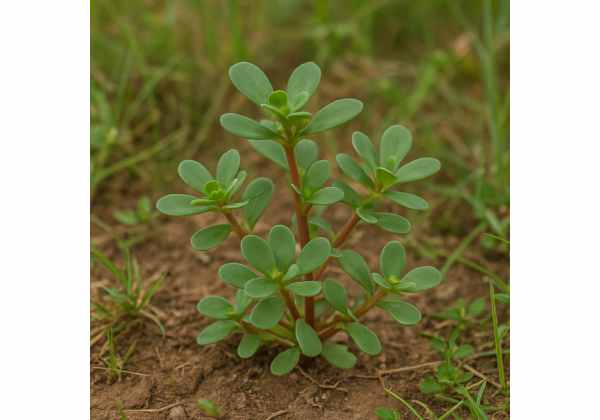
Purslane, botanically known as Portulaca oleracea, is a low-growing succulent annual with smooth reddish stems, spoon-shaped fleshy leaves, and a crisp texture that makes it unusually refreshing for a medicinal herb. It grows in warm climates around the world and has a long history as both a food plant and a traditional remedy. In some places it is still gathered from fields and gardens as a wild edible, while in others it is cultivated deliberately for salads, soups, stews, and pickles.
Its reputation as a “weed” can hide how nutritionally impressive it really is. Purslane stands apart from many leafy herbs because it is not just aromatic or bitter. It is also juicy, mineral-rich, and notable for containing alpha-linolenic acid, a plant omega-3 fatty acid more often associated with seeds such as flaxseed and other plant omega-3 foods. That immediately gives purslane a different profile from sharper culinary herbs that are used mostly in tiny amounts for flavor.
The plant also has an appealing sensory character. Fresh purslane tastes mildly tart, slightly salty, and almost lemony, with a slippery, cooling quality that comes from its mucilage. That texture helps explain why traditional systems often viewed it as moistening and soothing, especially in hot conditions or in patterns of dryness and irritation. Modern readers may not use those exact terms, but the practical meaning is clear: purslane feels hydrating, fresh, and easy to pair with crisp vegetables, yogurt, grains, legumes, and oily fish.
Another reason purslane stands out is the overlap between food use and medicinal interest. It is easy to add to meals, but it also has enough phytochemical complexity to attract serious research. Its leaves and stems contain polyphenols, vitamins, carotenoids, organic acids, and bioactive compounds that have been studied for antioxidant, anti-inflammatory, and metabolic effects. At the same time, the herb is not universally carefree. It is naturally high in oxalates, and that matters for people with a history of calcium oxalate kidney stones or related kidney concerns.
This combination is what makes purslane worth writing about. It is not a fringe supplement and not merely a garnish. It is a food herb with real nutritional depth, broader-than-expected pharmacological interest, and a strong case for practical use when handled intelligently. In that sense, it belongs in the same conversation as watercress as a nutrient-dense edible herb, though purslane differs in texture, chemistry, and safety considerations.
Key Ingredients and Medicinal Properties of Purslane
Purslane’s medicinal reputation begins with its unusually broad chemical profile. It contains omega-3 fatty acids, especially alpha-linolenic acid, along with flavonoids, alkaloids, polysaccharides, carotenoids, vitamins, minerals, and organic acids. Unlike many herbs that are discussed mainly in terms of essential oils, purslane is more of a whole-plant functional food. Its benefits come from a combination of fats, pigments, antioxidants, and water-loving compounds rather than from one dominant aroma molecule.
One of the most talked-about features is its omega-3 content. For a leafy plant, purslane is unusually notable in this regard. That does not make it a replacement for fatty fish or concentrated omega-3 supplements, but it does make it a meaningful plant food for people trying to widen their intake of protective fats. This is one reason purslane is often discussed in relation to heart-friendly or anti-inflammatory diets.
Purslane is also rich in antioxidant compounds. Reviews describe flavonoids, phenolic compounds, betalain-type pigments, carotenoids, vitamin C, and other phytochemicals that may help regulate oxidative stress. These compounds support the broader idea that purslane is more than just a crunchy green. It is a plant with a genuine antioxidant signature, especially when eaten fresh and handled gently.
Another important part of its profile is mucilage. This slippery, soothing quality gives purslane some of its traditional digestive and cooling uses. Mucilage-rich plants often feel softening rather than stimulating, and purslane fits that pattern well. Instead of acting like a hot digestive spice, it tends to behave more like a calming, moistening edible herb that can make meals feel lighter and more balanced.
Minerals and vitamins add another layer. Purslane contains magnesium, potassium, and other micronutrients that support normal metabolic and neuromuscular function. It also provides carotenoid compounds and vitamin C, though exact values vary with soil, season, plant age, and preparation. Since it is usually eaten fresh, storage and handling matter a great deal. Wilted, old purslane will not deliver the same culinary or nutritional value as crisp young growth.
Medicinally, these compounds suggest a plant that can reasonably be described as antioxidant, mildly anti-inflammatory, demulcent, nutrient-dense, and potentially supportive for cardiometabolic balance. But the form matters. Fresh leaves in a salad, dried herb in tea, seeds in a trial, and hydroalcoholic extracts in capsules are not interchangeable. That distinction is crucial. A handful of purslane in lunch supports diet quality and plant diversity. A standardized extract aims at a very different outcome.
That complexity is part of purslane’s appeal. It shares some broad antioxidant and anti-inflammatory logic with kale and other phytonutrient-rich greens, yet its succulent texture, omega-3 content, and mucilage give it a more distinctive identity. It is best understood as a richly layered edible herb, not a one-compound remedy.
Potential Health Benefits and What the Evidence Suggests
Purslane is one of those herbs where traditional reputation and modern research partly overlap. The overlap is real, but it needs careful wording. The strongest evidence does not show that purslane cures disease. What it does show is that the plant has a credible nutritional and pharmacological basis for several supportive roles, especially in antioxidant balance, inflammation, and certain cardiometabolic markers.
The first likely benefit is antioxidant support. Purslane contains multiple compounds that help explain this, including flavonoids, vitamins, and colorful protective phytochemicals. In practical terms, regular food use may help diversify antioxidant intake and support a diet associated with lower oxidative stress burden. This is a moderate, food-based benefit rather than a dramatic therapeutic effect, but it is one of the most realistic reasons to use purslane consistently.
A second likely benefit is support for metabolic health. Clinical and review data suggest that purslane seeds or extracts may improve some markers related to blood sugar, lipids, liver function, or inflammatory stress in selected groups. The findings are promising, but they are not perfectly consistent. Some trials report improvements in fasting glucose, triglycerides, liver markers, or insulin-related measures, while others show smaller or mixed effects. This tells us two things: purslane is worth attention, and it should not be oversold.
There is also a plausible anti-inflammatory role. Purslane has been studied for effects on inflammatory mediators, oxidative markers, and immune signaling. This aligns with its traditional use in irritated, inflamed, or “hot” conditions. For readers, the practical takeaway is that purslane may fit especially well into diets aimed at reducing excess inflammatory load through whole foods, hydration, and plant diversity.
Topical and skin-related interest is growing too. Early clinical work on standardized purslane preparations suggests that the plant may have value in certain inflammatory skin settings. That is encouraging, but it is still different from saying that purslane leaf in a salad is a skin treatment. Form, dose, and preparation matter a great deal.
Digestive support is another realistic area, though the evidence is more practical than dramatic. Purslane’s mucilage and juicy texture can make meals feel soothing and less harsh, and its fresh tartness can improve meal quality without relying on heavy sauces. That may sound modest, but herbs that improve meal structure and repeatability often deliver more real-world benefit than plants with stronger but harder-to-use effects.
The strongest summary is this: purslane appears most useful as a functional edible herb with promising antioxidant, anti-inflammatory, and metabolic relevance. It is not yet a universally proven clinical remedy. Readers who want a food-based herb for long-term support will likely find it more rewarding than readers who expect a strong stand-alone intervention. In that sense, purslane has more in common with dandelion as a food-first traditional herb than with heavily marketed supplements promising fast results.
Purslane Uses in Food, Tradition, and Everyday Wellness
Purslane is easiest to appreciate when it stays close to its strengths: freshness, crunch, tartness, and versatility. In the kitchen, it works well in raw salads, chopped herb mixes, yogurt dishes, sandwiches, grain bowls, salsas, and lightly cooked vegetable preparations. The stems and leaves are both useful, especially when they are young and tender. Because the plant is succulent, it also holds texture better than many delicate herbs.
Raw use is often the most appealing. Fresh purslane can be tossed with tomatoes, cucumber, lemon, olive oil, and soft cheese, or folded into bean salads and cold grain dishes. It adds moisture and a mild acidity without requiring much else. This makes it especially valuable in warm-weather meals where crisp texture matters. It also pairs well with other fresh herbs, particularly in chopped sauces where brightness is more important than intensity. In mixed herb salads or green sauces, it can sit comfortably beside cilantro in fresh culinary blends without disappearing.
Cooked use is also possible, though heat changes the plant. Light sautéing, quick steaming, or adding it near the end of soups preserves more texture than long simmering. In some traditional cuisines, purslane is cooked with lentils, eggs, yogurt, or tomato-based dishes. This can make it easier to digest for people who do not enjoy the slippery raw texture. Cooking may also matter for safety in people trying to reduce oxalate exposure.
Tea and simple medicinal preparations exist, but they are less common than food use. Dried or fresh purslane can be infused into mild tea, often for its cooling and soothing character. Still, for most people, it makes more sense as a meal herb than as a daily tea herb. Its strongest advantage is how naturally it fits into food.
Traditional systems have used purslane for heat, irritation, digestive discomfort, skin conditions, and general nourishment. Modern readers do not need to adopt the old language to benefit from the idea. The practical translation is that purslane has long been valued where cooling, softening, and nutritive support were needed. That is consistent with both its texture and some of its phytochemical profile.
The best modern use is regular but moderate incorporation into meals. A plant does not have to be exotic or expensive to be useful. Purslane works well when it helps increase vegetable variety, improve the feel of a meal, and deliver functional compounds without making everyday eating more complicated. Its value rises when it is easy to repeat, and purslane is exactly that kind of herb.
Dosage, Preparation, Timing, and Practical Use
Because purslane is primarily an edible herb, dosage works a little differently than it does for capsules or tinctures. Food amounts are the most practical starting point. For fresh use, about 1/2 to 1 cup of chopped purslane leaves and tender stems in a meal is a sensible range for most adults. That gives enough plant material to matter nutritionally without making the herb feel excessive. In mixed dishes, smaller amounts can still be useful.
For dried herb tea, a practical range is about 2 to 4 g of dried purslane in 200 to 250 mL of hot water, steeped for about 10 minutes. This is best approached as a mild traditional infusion rather than a strong standardized medicine. If the tea feels flat, that is often because the herb is old rather than because more is needed. Fresh or well-dried plant material matters.
Clinical studies have used more concentrated forms. In metabolic or liver-related trials, doses have included seed powder around 10 g daily and extracts in the range of roughly 300 to 700 mg daily over about 8 to 12 weeks. These study designs are useful for context, but they should not be mistaken for universal everyday dosing rules. A capsule used in a trial is not equivalent to a bowl of salad, and a seed powder intervention is not the same as fresh aerial parts.
Timing depends on the goal. For culinary wellness, timing is not especially strict. Purslane fits naturally into lunch or dinner and can be used wherever fresh acidity and crunch improve the meal. If the aim is digestive comfort or meal quality, using it with meals makes the most sense. Tea or stronger preparations are better treated as purposeful additions rather than casual daily habits.
Preparation strongly affects both usefulness and tolerance. Helpful approaches include:
- eating it fresh in moderate portions rather than in very large raw bowls
- pairing it with acidic ingredients, yogurt, or olive oil
- lightly blanching or pickling it if oxalate reduction is a priority
- using younger stems and leaves for better texture
Common mistakes are surprisingly predictable:
- assuming that more is always better because it is edible
- using wilted or poorly washed purslane
- ignoring oxalate concerns in people with stone risk
- confusing seed-dose studies with fresh herb use
- overcooking it until both texture and freshness are lost
A good working principle is “food first, extracts second.” Most people will get the best balance of value and safety by treating purslane as a regular seasonal herb rather than as a heavy medicinal protocol. Readers who enjoy rotating functional greens may also appreciate using it alongside sorrel and other tart culinary greens rather than relying on it exclusively.
Safety, Oxalates, Interactions, and Who Should Avoid It
Purslane is generally well tolerated in ordinary food amounts, but safety becomes more important when portions get large, when people already have kidney risk, or when concentrated preparations are used. The single most important caution is oxalate content. Purslane can be quite high in oxalates, and this matters because calcium oxalate is the most common type of kidney stone. Excessive intake, especially in vulnerable people, is not a trivial issue.
This does not mean everyone should avoid purslane. It means context matters. If you have no history of kidney stones and you eat a varied diet, moderate food use is usually a different situation from very high intake. The real concern is repeated large raw servings, juicing, or medicinal-style overuse in people who already have stone risk, chronic kidney disease, or a high-oxalate dietary pattern. Recent evidence also suggests that blanching and pickling can significantly reduce oxalate levels, which makes preparation an important safety tool.
People most likely to need caution include:
- anyone with a history of calcium oxalate kidney stones
- people with chronic kidney disease or impaired renal function
- those following already high-oxalate diets
- individuals prone to dehydration
- anyone experimenting with concentrated purslane intake without guidance
Medication interactions are not as prominently established as they are with some herbs, but moderation still matters. Purslane contains bioactive compounds that may overlap indirectly with glucose-lowering, blood pressure, or anticoagulant strategies when used in concentrated forms. That does not make a normal salad dangerous. It does mean that people using extracts, seeds, or multiple supplements should avoid casual self-prescribing.
Pregnancy and breastfeeding are another area where food amounts and medicinal amounts should be separated clearly. Culinary use is one thing. Purposeful extract use or high-dose medicinal use is another. In the absence of strong standardized safety guidance, it is wiser to stay with ordinary food use unless a clinician specifically recommends otherwise.
Digestive tolerance can also vary. Some people find purslane refreshing and soothing, while others notice that very large raw portions feel slimy or heavy. If that happens, smaller servings or lightly cooked preparations are usually a better fit.
A simple safety hierarchy works well here: fresh moderate food use first, reduced-oxalate preparation next when needed, and concentrated supplementation only with purpose. That is a much better path than assuming that a common edible plant is automatically safe in unlimited quantities. Readers who already use mineral-rich greens such as nettle in food-forward herbal routines will recognize the same principle: usefulness rises when the plant is respected, not pushed too far.
A Practical Bottom Line on Purslane
Purslane is best understood as a nutrient-dense edible herb with legitimate medicinal interest and very practical culinary value. That combination is rare. Many herbs are interesting in theory but difficult to use, while many salad plants are easy to use but not especially distinctive. Purslane manages to be both useful and unusual. It gives you freshness, texture, plant omega-3 fats, antioxidant compounds, and a long history of traditional use in one very accessible plant.
Its strongest role is not as a miracle remedy. It is as a food-first herb that can support better eating patterns and possibly improve certain health markers when used consistently and appropriately. That makes it especially attractive for people who prefer realistic wellness habits over dramatic supplement claims. A bowl of greens that people actually eat regularly often matters more than a capsule they forget after two weeks.
The evidence supports genuine interest but not hype. Purslane may help support antioxidant defenses, fit into cardiometabolic-friendly diets, and contribute to digestive and skin-related wellness strategies. Clinical research is promising in areas such as metabolic markers, liver-related outcomes, and inflammatory conditions, but results are mixed enough that no responsible article should present purslane as a proven stand-alone treatment.
Its safety profile also deserves clear respect. The oxalate issue is real, and it changes how the plant should be used by some readers. That is not a reason to dismiss purslane. It is simply a reason to personalize its use. For some people, fresh salad portions will be perfectly reasonable. For others, smaller amounts, blanching, or even avoidance will make more sense.
So what is the most useful way to think about purslane? Think of it as a smart edible herb: cooling, mineral-rich, phytochemically interesting, and best when integrated into meals rather than forced into high-dose routines. Keep it fresh, wash it well, prepare it thoughtfully, and match your intake to your health context. If you do that, purslane becomes less of a “weed with claims” and more of what it has long been in traditional food cultures: a highly worthwhile plant hiding in plain sight.
References
- Phytochemical Characteristics and Anti-Inflammatory, Immunoregulatory, and Antioxidant Effects of Portulaca oleracea L.: A Comprehensive Review 2023 (Review)
- Effects of Portulaca oleracea L. (purslane) on the metabolic syndrome: A review 2022 (Review)
- Assessment of Purslane (Portulaca oleracea L.) Total Oxalate Content, Ascorbic Acid, and Total Organic Acids Using Near-Infrared Spectroscopy 2025
- Effects of Portulaca oleracea (purslane) on liver function tests, metabolic profile, oxidative stress and inflammatory biomarkers in patients with non-alcoholic fatty liver disease: a randomized, double-blind clinical trial 2024 (RCT)
- Efficacy and safety of purslane (Portulaca oleracea) for mild to moderate chronic hand eczema; A randomized, double-blind, placebo-controlled clinical trial 2024 (RCT)
Disclaimer
This article is for educational purposes only and is not medical advice. Purslane is an edible herb with promising nutritional and medicinal properties, but it is not appropriate for every person or every health context. High-oxalate intake, kidney stone risk, medication use, pregnancy, breastfeeding, and chronic illness can all affect whether medicinal-style use is appropriate. Do not use purslane to diagnose, treat, or replace care for any medical condition. Speak with a qualified healthcare professional before using concentrated purslane extracts, seeds, or regular high-dose preparations.
Please share this article on Facebook, X, or any other platform you prefer if you found it useful.