Safflower is a bright, thistle-like plant with a long history as both a food crop and a traditional remedy. Its petals have been used in Asian and Middle Eastern herbal practice for circulation, menstrual comfort, bruising, and pain, while its seeds are pressed into an oil valued for its unsaturated fat content. That split matters. When people say “safflower,” they may mean the flower, the seed oil, a tea, a capsule, or even a topical oil—and each form has different strengths, limits, and safety considerations.
Modern interest in safflower centers on two main areas: the flower’s flavonoids and quinochalcones, especially hydroxysafflor yellow A, and the seed oil’s linoleic- or oleic-rich fatty acid profile. Together, these have made safflower a popular subject in research on inflammation, circulation, metabolic health, skin support, and functional foods. Still, the evidence is uneven. Some uses are strongly traditional, some are promising but mostly preclinical, and a smaller number have human data behind them.
This guide explains what safflower is, which forms are used, what its key compounds do, where the evidence looks strongest, how to use it sensibly, and who should avoid it.
Quick Facts
- Safflower flower is traditionally used for circulation, menstrual comfort, and recovery after minor bruising or strain.
- Safflower seed oil is better known for heart-friendly fats and modest support for metabolic markers when used in place of less healthy fats.
- Traditional flower use is usually kept conservative at about 1–3 g of dried petals per day, while one clinical safflower oil study used 8 g daily for 12 weeks.
- Avoid medicinal safflower during pregnancy, and use caution if you take blood thinners, diabetes medication, or have ragweed-family allergies.
Table of Contents
- What safflower is and why the form matters
- Key ingredients and medicinal properties
- Potential health benefits and what the evidence shows
- Common uses for safflower flower and seed oil
- How to choose and use safflower products
- Dosage, timing, and duration
- Safety, side effects, and who should avoid it
What safflower is and why the form matters
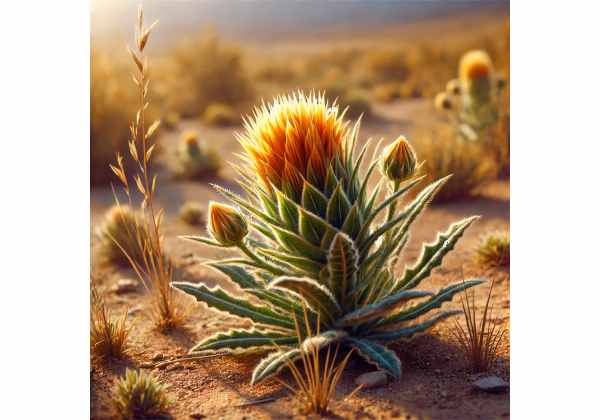
Safflower, or Carthamus tinctorius, is an annual plant in the daisy family. It grows upright, has spiny leaves, and produces orange, yellow, or reddish flower heads. Historically, it was valued in three very different ways: as a dye plant, as a medicinal flower, and as an oilseed crop. Those roles still shape how safflower is used today.
The flower and the seed are not interchangeable. The petals are the part most often discussed in traditional herbal medicine. In systems such as traditional Chinese medicine and Persian medicine, safflower flower has been linked with “moving blood,” easing stagnation-related discomfort, supporting menstruation, and helping after minor traumatic injury. Modern lab research often focuses on flower extracts and isolated compounds from the petals.
The seed, by contrast, is mainly a food ingredient. Safflower oil is pressed from the seeds and is sold in culinary, supplemental, and sometimes cosmetic forms. Conventional safflower oil is rich in linoleic acid, a polyunsaturated omega-6 fat. High-oleic safflower oil contains more oleic acid, which makes it more stable and often more practical for cooking. In the kitchen, safflower oil belongs in the same broad conversation as olive oil for everyday cooking, but its fatty acid profile and ideal use are somewhat different.
Another common point of confusion is safflower versus saffron. Safflower petals have been used as a lower-cost coloring substitute for saffron, but they are not the same plant and do not offer the same chemical profile. Saffron comes from Crocus sativus stigmas, while safflower comes from a thistle-like member of the Asteraceae family.
From a practical health perspective, this is the key takeaway: if you are considering safflower for a culinary purpose, think seed oil. If you are considering it for traditional circulation or menstrual use, think dried flower or extract. If you are considering it for skin care, topical safflower oil is the usual form. Matching the right form to the right goal is what keeps safflower useful rather than confusing.
Key ingredients and medicinal properties
Safflower contains two major groups of actives, depending on which part of the plant is used.
The flower is rich in polyphenols and pigment-like compounds. Among the best-known are hydroxysafflor yellow A, safflower yellow pigments, carthamin, and several quinochalcone C-glycosides. It also contains flavonoids such as quercetin, kaempferol, and rutin, along with smaller amounts of lignans, organic acids, alkaloids, and water-soluble polysaccharides. These compounds are the main reason safflower has drawn attention in pharmacology research.
The seed oil has a different profile. Its value comes mostly from fatty acids and minor lipid-soluble compounds. Depending on the cultivar, safflower oil may be especially rich in linoleic acid or oleic acid. It also contains tocopherols, which contribute vitamin E activity, plus plant sterols and other minor constituents that help explain its role as a food oil rather than a classic medicinal extract.
These ingredients help explain safflower’s most discussed medicinal properties:
- Antioxidant activity: Flower compounds can help neutralize oxidative stress in experimental models.
- Anti-inflammatory effects: Several safflower constituents appear to affect inflammatory signaling pathways.
- Circulatory support: Traditional use and modern mechanistic work both point toward effects on blood flow, vascular tone, and blood viscosity.
- Mild analgesic and tissue-supporting effects: This helps explain safflower’s long use for discomfort associated with bruising, stagnation, and menstrual pain.
- Metabolic support: Seed oil and some flower extracts have been studied for effects on insulin sensitivity, blood pressure, and lipid handling.
- Skin-supporting properties: The oil’s fatty acid profile may help support barrier function and softness when used topically.
The most important nuance is that “medicinal properties” does not automatically mean “clinically proven effects in humans.” Some of safflower’s most impressive findings come from cell studies, animal work, or injectable products used in specific medical settings, especially in East Asia. That makes safflower a promising herb, but not one that should be oversold.
A helpful way to think about it is this: safflower flower behaves more like a traditional medicinal herb with specialized phytochemicals, while safflower seed oil behaves more like a functional food ingredient. The science around both is real, but the strength and type of evidence are not the same.
Potential health benefits and what the evidence shows
Safflower’s benefits are easiest to understand when they are grouped by evidence strength rather than by marketing claims.
The strongest human signal is probably in cardiometabolic support, especially from safflower seed oil. In a randomized trial, safflower oil improved several metabolic syndrome markers, including abdominal obesity, blood pressure, and insulin resistance over 12 weeks. That does not make safflower oil a treatment for heart disease or diabetes, but it does suggest that it can be a reasonable supportive food-based option when used consistently and in the right context.
There is also a plausible case for circulation support. Traditional use strongly emphasizes blood flow, and modern research has identified safflower compounds that appear to influence vascular function, platelet behavior, blood viscosity, and inflammatory pathways. This is one reason safflower remains popular in traditional formulations for menstrual pain, post-trauma discomfort, and cardiovascular support. Still, the best evidence here often comes from preclinical work or from forms of safflower not commonly used at home.
A third area is anti-inflammatory and antioxidant support. Flower extracts and isolated compounds such as hydroxysafflor yellow A have shown promising activity in models of oxidative stress, tissue injury, and inflammatory damage. This helps explain why safflower is being studied for liver support, neuroprotection, and recovery-oriented applications. But these uses remain more promising than proven for self-care.
Metabolic health is another area of interest. Small studies and experimental models suggest safflower may influence fasting glucose, insulin signaling, and fat distribution. For people comparing plant oils, it can be useful to also review flaxseed oil dosing and heart support, because the two oils are often chosen for similar goals but work through different fatty acid profiles.
There is also emerging interest in skin support and functional food use. Topical safflower oil is light, usually well tolerated, and rich in fats that can help soften the skin barrier. Meanwhile, safflower flower compounds are being studied for use in health-promoting foods and nutraceuticals.
The weakest area, at least for now, is the broad set of claims around mood, sleep, cancer care, or major cardiovascular treatment. Safflower has intriguing early data in several of these areas, but people should be careful not to confuse promising mechanisms with established clinical benefits.
In short, safflower looks most useful today as a heart-friendlier oil choice, a traditional circulation herb with credible mechanistic support, and a promising but still developing plant for inflammation and metabolic research.
Common uses for safflower flower and seed oil
Safflower is used in several practical ways, and the best use depends on the goal.
1. Culinary oil
Safflower seed oil is widely used in food. High-oleic versions are usually better for higher-heat cooking, while more linoleic versions are often chosen for dressings, finishing, or general dietary use. In this form, safflower is less of a “herb treatment” and more of a way to improve the quality of dietary fat.
2. Herbal tea or infusion
Dried safflower petals are sometimes steeped as a tea. This form is mainly tied to traditional goals such as circulation, menstrual comfort, and post-exertion soreness. It is not a standard everyday tea in the same way mint or chamomile is, and it should be used more intentionally.
3. Capsules and extracts
Some products combine powdered flower, extract, or safflower oil in capsule form. These are convenient, but they vary a lot in strength. The main drawback is that many labels do not make it clear whether the active focus is the flower’s phytochemicals or the seed oil.
4. Topical oil
Safflower oil is sometimes applied directly to dry or rough skin, used in massage blends, or included in lightweight facial and body products. Because it is generally less heavy than some richer oils, it may suit people who want a lighter feel.
5. Traditional menstrual and recovery support
In traditional practice, safflower flower is often chosen for delayed or uncomfortable menstruation, feelings of stagnation, or soreness after strain and minor trauma. That places it in the same broad tradition as yarrow for menstrual-support traditions, though the two herbs are not identical in action or safety.
The most sensible real-world uses today are fairly straightforward:
- As a cooking oil with an unsaturated fat profile
- As a cautiously used traditional flower tea for specific short-term goals
- As a light topical oil for skin softness
- As a component of traditional herbal formulas, ideally chosen with professional guidance
What safflower is not especially well suited for is casual, long-term, high-dose self-treatment. It works best when the chosen form matches a clear purpose. Someone seeking a better frying oil, for example, should not buy flower capsules. Someone seeking traditional menstrual support should not assume a generic safflower cooking oil will produce the same effect. Matching form, dose, and goal is where safflower becomes genuinely practical.
How to choose and use safflower products
Buying safflower wisely starts with one question: do you want the flower or the seed oil?
Choose dried flower or flower extract when the goal is traditional herbal use, especially circulation-focused or menstrual-support use. Choose seed oil when the goal is nutrition, cooking, or skin application. This sounds obvious, but many weak safflower experiences come from using the wrong form.
When shopping for safflower products, look for these basics:
- The full botanical name: Carthamus tinctorius
- The plant part used: flower, seed, or seed oil
- A clear dosage per serving
- A standardization note if it is an extract
- A recent manufacturing or expiration date
- Third-party quality testing when available
For dried petals, color matters. The petals should look vivid rather than brown, dusty, or stale. The aroma is usually light, not strongly floral. Store them in a tightly closed container away from heat, light, and moisture.
For safflower oil, check whether it is high-oleic or high-linoleic. High-oleic oil tends to be more heat-stable and often makes more sense for cooking. High-linoleic oil may be better kept for cooler uses or as a supplemental fat source. Oil should smell fresh, not paint-like or rancid. Dark bottles and careful storage are a plus.
For capsules, read the front and back labels closely. Some softgels contain safflower oil, while others contain flower powder or extract. A product can say “safflower” on the front yet be aimed at a completely different use than you expect.
If your main goal is not cooking or skin care but broader herb-based circulatory support, it may help to compare safflower’s role with hawthorn for cardiovascular support. Hawthorn and safflower are used very differently, and that comparison often clarifies which type of product you actually need.
Finally, use safflower in the least complicated way possible. Oil belongs with food or on skin. Petals belong in a measured infusion. Extracts should be reserved for products with clear labeling. Simplicity usually means better safety and a better chance of judging whether safflower is actually helping.
Dosage, timing, and duration
There is no single standardized safflower dose that fits every form and use. Dosage depends on whether you are using petals, extract, seed oil, capsules, or a topical product.
For dried safflower flower, a conservative traditional range is about 1 to 3 g per day as an infusion or divided use. Many traditional sources keep the flower at the low end for regular use and treat 3 g daily as a practical upper boundary rather than a casual starting point. If you are new to safflower tea, start lower and see how you tolerate it.
For safflower seed oil used as food, a practical amount is often 1 to 2 teaspoons daily as part of meals, dressings, or cold applications. In clinical research, 8 g per day of safflower oil has been used for 12 weeks. That amount is more structured than ordinary kitchen use, so it is best treated as a study dose, not a universal recommendation.
For capsules or softgels, follow the label carefully. The key question is whether the listed milligrams refer to whole oil, powdered flower, or concentrated extract. Two products can list similar numbers while delivering very different amounts of active material.
For topical safflower oil, use a thin layer once or twice daily on a small test area first. This is especially useful if you have reactive skin.
A few practical rules help:
- Take oral safflower with food unless the label says otherwise.
- Start with the lowest effective amount.
- Use short trials first, usually 2 to 6 weeks, before deciding whether it suits you.
- Do not combine multiple “circulation herbs” or blood-thinning supplements casually.
- Reassess if you notice easy bruising, digestive upset, or unusual bleeding.
Timing matters less than consistency. For oil, daily use with meals makes the most sense. For tea, once or twice daily is usually more practical than frequent sipping throughout the day. If your main goal is a calming evening herbal drink, chamomile for sleep and digestion is usually a more natural fit than safflower, which is not primarily a sedative herb.
As for duration, culinary oil can be used long term as part of a balanced diet. Medicinal flower use should be more deliberate and periodic, especially if you take medications or have a bleeding risk. Long-term extract use is better supervised than improvised.
Safety, side effects, and who should avoid it
Safflower can be helpful, but it is not for everyone.
The clearest safety concern is pregnancy. Medicinal safflower flower has a long reputation as an emmenagogue, and animal data raise concerns about reproductive and developmental effects. Because of that, safflower flower and higher-dose medicinal preparations should be avoided during pregnancy. Culinary use of ordinary safflower oil is a separate situation, but medicinal use is the main concern.
Use extra caution if you take blood thinners, antiplatelet drugs, or other agents that affect clotting. Safflower is traditionally associated with increased circulation, and some of its compounds may influence platelet activity or blood flow. This does not prove a dangerous interaction in every case, but it is enough to justify medical caution.
People taking diabetes medication should also be careful. Safflower oil and some flower preparations may influence glucose handling. The effect may be modest, but stacking that with medication without paying attention is not ideal.
Other groups who should pause or seek advice first include:
- People with a bleeding disorder
- People with very heavy periods
- Anyone preparing for a medical or dental procedure
- People with known ragweed, daisy, or other Asteraceae allergies
- Those with complex medication regimens
- Anyone breastfeeding and considering medicinal flower use rather than ordinary food use
Possible side effects can include:
- Stomach upset
- Loose stools or digestive discomfort, especially with oil
- Headache
- Rash or skin irritation with topical use
- Easy bruising in sensitive people
Topical safflower oil is often well tolerated, but patch testing is still wise. A small amount on the inner forearm for a day or two is a simple precaution.
The safest way to use safflower is to treat it as a targeted tool rather than an all-purpose wellness herb. Use culinary oil as food. Use the flower carefully, briefly, and with a clear reason. Stop and get advice if you notice abnormal bleeding, hives, wheezing, severe stomach upset, or a clear drop in tolerance.
For most healthy adults, moderate dietary use is low risk. The higher the dose and the more medicinal the intention, the more important safety screening becomes.
References
- Carthamus tinctorius L.: a comprehensive review of its ethnomedicine, phytochemistry, pharmacology, and clinical applications 2025 (Review)
- Pharmacological actions and applications of safflower flavonoids 2025 (Review)
- Safflower (Carthamus tinctorius L.) oil could improve abdominal obesity, blood pressure, and insulin resistance in patients with metabolic syndrome: A randomized, double-blind, placebo-controlled clinical trial 2022 (RCT)
- Bioactive Substances in Safflower Flowers and Their Applicability in Medicine and Health-Promoting Foods 2021 (Review)
- Medical uses of Carthamus tinctorius L. (Safflower): a comprehensive review from Traditional Medicine to Modern Medicine 2018 (Review)
Disclaimer
This article is for educational purposes only and is not a diagnosis, treatment plan, or substitute for personalized medical care. Safflower may affect bleeding, blood sugar, menstruation, and pregnancy-related safety, and the risks can differ depending on whether you use the flower, extract, or seed oil. If you are pregnant, trying to conceive, breastfeeding, scheduled for a procedure, or taking anticoagulants, antiplatelet drugs, diabetes medication, or other prescription medicines, speak with a qualified healthcare professional before using medicinal safflower.
If you found this guide useful, please share it on Facebook, X, or your preferred platform to help more readers find reliable herbal information.