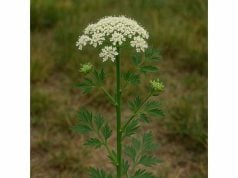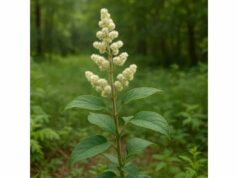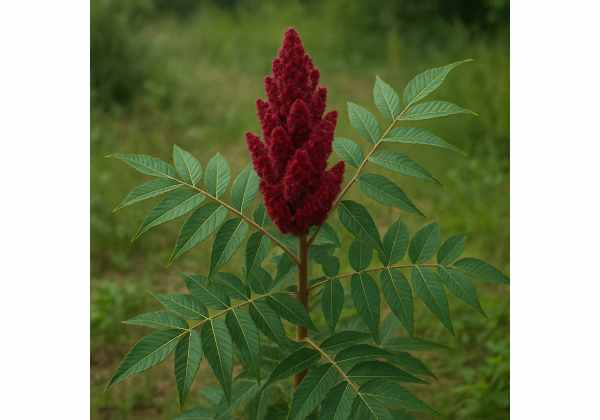
Sumac, Rhus coriaria, is a deep red culinary and medicinal spice made from the dried fruits of a shrub native to the Mediterranean region, the Middle East, and parts of western Asia. Many people know it for its bright, lemony tang in spice blends, grilled dishes, and salads, but the plant has a much longer story than seasoning alone. Traditional systems used sumac for digestion, diarrhea, inflammation, wound care, and general strengthening, while modern research has turned growing attention toward its rich polyphenol content and its possible cardiometabolic benefits.
What makes sumac especially appealing is the way it bridges food and herbal medicine. It is flavorful enough for daily cooking, yet chemically complex enough to show antioxidant, anti-inflammatory, antimicrobial, and glucose-related effects in experimental and clinical research. At the same time, it works best when viewed with balance. Sumac is promising, but it is not a cure-all, and the safest, most realistic use is still rooted in well-sourced culinary or modest supplemental intake rather than exaggerated therapeutic claims.
Key Takeaways
- Sumac may help support antioxidant defenses and low-grade inflammatory balance.
- It also shows promise for glycemic control, blood lipids, and related cardiometabolic markers in human studies.
- A practical adult range is often about 1 to 3 g of dried sumac powder daily with food.
- Avoid concentrated use if you have a known allergy to mango, pistachio, cashew, or related Anacardiaceae plants, or if the source is uncertain.
Table of Contents
- What Sumac Is and Why Correct Identification Matters
- Key Ingredients and Medicinal Properties
- Health Benefits and What the Best Evidence Shows
- Traditional and Modern Uses of Sumac
- Dosage, Forms, Timing, and How to Use It Well
- Safety, Side Effects, and Who Should Avoid It
- How to Choose, Store, and Get the Most from Sumac
What Sumac Is and Why Correct Identification Matters
Sumac, in the medicinal and culinary sense discussed here, refers to Rhus coriaria, sometimes called Sicilian sumac, Syrian sumac, or elm-leaved sumac. The usable part is mainly the dried, ground fruit, which has a tart, ruby-red character that makes it one of the most distinctive souring spices in Middle Eastern and Mediterranean cooking. It is sprinkled over hummus, grilled meat, onions, rice, fish, yogurt, and salads not just for flavor, but also because it adds a fresh acidic lift without needing citrus juice.
The first thing readers should understand is that edible sumac is not the same as poison sumac. Poison sumac belongs to Toxicodendron vernix, a different plant better known for severe skin reactions. This confusion shows up often online because both share the word “sumac.” The culinary and medicinal species, Rhus coriaria, is used as a spice and has a long food history. Poison sumac is not a food plant, not a medicinal culinary herb, and not something anyone should try to identify for harvesting without expert knowledge.
Species identity also matters because sumac is a broad common name. Different Rhus species exist, and not all of them are equally used in food or studied for human health. Much of the medical and nutritional literature specifically concerns Rhus coriaria, which is the plant most associated with the spice sold in kitchens and markets across the Levant, Turkey, Iran, and neighboring regions.
Botanically, Rhus coriaria belongs to the Anacardiaceae family, the same broader family that includes mango, pistachio, cashew, and some more sensitizing plants. That family relationship helps explain why allergy questions sometimes come up in sensitive individuals. It also reminds us that a familiar spice can still have a biologically active profile.
One reason sumac has remained important is that it naturally sits between food and medicine. It is pleasant enough to use often, yet concentrated enough in tannins, anthocyanins, flavonoids, and organic acids to attract serious scientific attention. In that sense, it resembles other food-like botanicals that carry more medicinal depth than people expect, such as pomegranate extract for polyphenol-rich antioxidant support. The difference is that sumac usually enters the diet as a spice first and a supplement second.
That food-first identity is part of its appeal. Sumac is easiest to understand when it is treated as a functional spice with genuine medicinal promise, not as an exotic remedy disconnected from everyday life. Once the right species is identified, the next question becomes much more interesting: what exactly in this sour red powder makes it so valuable?
Key Ingredients and Medicinal Properties
The medicinal interest in Rhus coriaria comes from a wide and unusually rich phytochemical profile. Modern reviews describe sumac fruits as abundant in hydrolysable tannins, gallotannins, ellagitannins, anthocyanins, flavonoids, phenolic acids, organic acids, and smaller amounts of volatile compounds and minerals. In simple terms, sumac is one of those spices whose sharp flavor signals real chemical density rather than mere culinary decoration.
Its most discussed constituents include gallic acid, methyl gallate, quercetin, myricetin, kaempferol derivatives, anthocyanins, tannins, malic acid, and other polyphenolic compounds. These substances help explain several of the herb’s main medicinal properties.
The first is antioxidant potential. Sumac’s deep color and tartness reflect a high concentration of phenolic compounds that can neutralize oxidative stress in laboratory systems. This does not mean that a spoonful of sumac magically cancels inflammation or aging, but it does provide a plausible basis for why the plant is repeatedly studied for cardiovascular, metabolic, skin, and inflammatory contexts.
The second is anti-inflammatory activity. Experimental work suggests that sumac extracts may reduce inflammatory signaling and support a more balanced cellular response to oxidative and inflammatory stress. This is one reason sumac keeps showing up in discussions of cardiometabolic health and low-grade chronic inflammation.
The third is antimicrobial action. Sumac fruit extracts and some of their components have shown activity against oral, food-related, and pathogenic microbes in laboratory research. That helps explain why the plant has long been used not only in traditional medicine but also in food preservation and spice blends where flavor and protective properties may overlap.
The fourth is metabolic relevance. Clinical and preclinical studies suggest sumac may influence glycemic control, insulin resistance, lipid balance, and inflammatory biomarkers. These findings are promising because they move sumac out of the purely traditional category and into an area with meaningful human trial data.
Sumac also has astringent qualities because of its tannin content. That astringency helps explain its old reputation in diarrhea, sore throat preparations, and topical applications. Tannins can tighten tissues and reduce secretions, which is useful in some traditional contexts, though it also means heavily concentrated preparations may feel drying or harsh.
In culinary and herbal terms, sumac overlaps partly with cinnamon as a food-based herb with metabolic research interest. Both are common kitchen ingredients with antioxidant and glycemic relevance, yet sumac is more sour and polyphenol-heavy, while cinnamon is more warming and aromatic.
The big picture is that sumac is pharmacologically interesting because it is not driven by one single “magic” ingredient. Its effects come from a network of acids, tannins, pigments, and flavonoids working together. That makes it harder to reduce to one marketing phrase, but it also makes the herb more credible. Sumac behaves like a genuinely complex medicinal food.
Health Benefits and What the Best Evidence Shows
Sumac’s health benefits are easiest to understand when they are separated into what is strongly plausible, what is supported by human trials, and what is still mostly experimental. That helps keep the article useful rather than overenthusiastic.
The most evidence-backed modern area is cardiometabolic support. Recent systematic reviews and meta-analyses of randomized trials suggest that sumac supplementation may improve certain glycemic markers, some inflammatory indices, waist-related measures, and parts of the lipid profile. The strongest language here is still “may improve,” not “will correct.” The studies are promising, but they are not so broad or uniform that sumac should be described as a stand-alone treatment for diabetes, dyslipidemia, or cardiovascular disease.
A second plausible benefit is anti-inflammatory support. Meta-analytic work on high-sensitivity C-reactive protein suggests that sumac may help reduce this marker in some adult populations, though the effect size is moderate and the studies are still relatively limited. This lines up well with the plant’s chemistry and with older medical traditions that used it where irritation, inflammation, or tissue heat were present.
A third area is antioxidant and tissue-protective support. This is where laboratory and animal findings are especially strong. Sumac extracts have shown robust antioxidant behavior, and researchers continue to study their relevance for vascular tissue, skin, oral health, and metabolic stress. For readers, the practical takeaway is not that sumac is a miracle antioxidant. It is that regular modest use, especially in food, has a solid scientific rationale.
A fourth possible benefit is digestive support. Traditional use strongly supports this, especially for diarrhea, heaviness, and digestive irritation. The tannins and acids make this believable. In food, sumac may also help stimulate appetite and brighten rich meals, making them feel easier to digest. This use is older than the modern trial literature, but it remains one of the most intuitive and practical ways people experience the herb.
A fifth area is antimicrobial relevance. Sumac extracts have shown activity against oral bacteria and other microbes in experimental systems. That makes the herb interesting for oral-health formulations and preservation-related research. It does not mean sumac should be treated as a self-prescribed anti-infective therapy.
One reason sumac is attractive is that it supports health through ordinary use. It behaves more like a functional spice than a dramatic remedy. Readers who already appreciate warm, active kitchen herbs may notice that its role can sometimes complement ginger in digestive and inflammatory support, though sumac is more sour and tannic, and less pungent.
The most balanced conclusion is that sumac’s best-supported benefits are antioxidant, anti-inflammatory, and cardiometabolic, with digestive support remaining highly practical and traditional. The evidence is meaningful enough to take seriously, but not so definitive that every broad internet claim should be accepted. Sumac works best in the zone between food and therapy, where modest real effects are both believable and useful.
Traditional and Modern Uses of Sumac
One of sumac’s greatest strengths is that it has never needed to choose between being a food and being a medicine. It has long been both. Traditional systems in the Middle East, Mediterranean basin, Persia, and nearby regions used Rhus coriaria for digestive upset, diarrhea, inflammation, wound care, oral discomfort, feverish states, and general strengthening. At the same time, it remained a kitchen staple.
That dual identity still shapes its best modern uses.
In food, sumac is most commonly used as:
- A souring spice for grilled meat and fish
- A seasoning for onions, salads, legumes, and rice
- A finishing spice for dips and yogurt dishes
- A component of blends such as zaatar
- A tart addition to marinades, dressings, and roasted vegetables
These uses are practical because they deliver the herb in a low-risk, food-like way that still captures much of its flavor and polyphenol content. If someone wants the benefits of sumac without turning it into a supplement protocol, this is often the most sustainable place to start.
Traditional medicinal uses have been broader. Sumac was used internally for loose stools and digestive irritation because its tannins support an astringent effect. It was also used in gargles or washes for sore tissues, and in some traditions for wound care and oral hygiene. More recent product development has extended that logic into oral-health applications, extracts, and even functional food formats.
Modern use now falls into three lanes.
The first is culinary wellness use. This is sumac’s most natural role. A teaspoon on food is easy, consistent, and usually safe for healthy adults.
The second is supplemental use. Clinical trials have used measured doses of sumac powder or preparations for metabolic and inflammatory outcomes. This is where the herb moves from “healthy spice” toward “targeted botanical.”
The third is topical or oral-health interest. Experimental and formulation studies suggest sumac may have value in mouth-focused or skin-focused products because of its antioxidant, antimicrobial, and astringent profile.
This is also where sumac differs from herbs that are mostly medicinal and only secondarily culinary. It behaves more like a functional food, closer in spirit to dandelion as a food-herb crossover plant than to a high-potency tincture herb. That makes it easier to integrate into real life, but it can also lead people to underestimate its potency when concentrated.
The smartest modern use of sumac is proportionate use. In food, it is a flavorful daily ally. In supplement form, it becomes more deliberate and goal-specific. In topical or oral applications, it is still emerging. What makes it valuable is not novelty but versatility. Sumac succeeds because it can do enough in ordinary life to matter without demanding that every user become a full-time herbalist.
Dosage, Forms, Timing, and How to Use It Well
Sumac can be used as a food spice, tea ingredient, standardized powder, extract, or ingredient in oral-health or topical products. The right dose depends heavily on the form. A pinch over salad is not the same as a gram-measured powder used in a clinical trial.
For everyday food use, a practical range is often about 1 to 3 g of dried sumac powder per day, usually divided across meals. That works out to roughly ½ to 1½ teaspoons depending on grind and density. Some people use less if they are adding it only as a garnish, while others use more in cuisine-heavy patterns. As a food spice, it is naturally self-limiting because its tartness becomes intense if overused.
In clinical studies, dosages have often clustered around the low-gram range, commonly 1.5 to 3 g per day, frequently taken with meals or mixed into food. That does not create a universal prescription, but it does give a realistic sense of the intake range that has been studied in adults.
Common ways to use sumac include:
- Sprinkled over finished meals
- Mixed into dressings or marinades
- Stirred into yogurt or labneh
- Added to grain dishes or roasted vegetables
- Taken as a measured powder with food
- Used in a mild tea or infusion, though this is less common than culinary use
Timing depends on the goal. If the purpose is digestive support, sumac usually makes the most sense with or after meals. If the goal is broader cardiometabolic support, consistency matters more than exact timing. Food use is often the easiest way to stay regular.
A practical approach for new users looks like this:
- Start with culinary use first.
- Use a small amount daily for one to two weeks.
- Observe tolerance, especially digestive comfort and any allergy-like symptoms.
- Only consider more measured or supplement-style use if there is a clear reason.
Tea use is less central than spice use, but it is possible. A mild infusion made from the dried fruit powder can be used in small amounts, though its tannic and sour profile makes it less universally pleasant than a classic mint or chamomile tea. Most people will find food use more natural.
In this sense, sumac resembles coriander as a culinary herb with medicinal relevance: it often works best when it stays close to the plate rather than moving immediately into concentrated supplementation.
The most important dosage principle is moderation with purpose. Sumac is not a herb that requires heroic amounts. Its real-world value comes from steady, modest intake that fits daily food or a clearly defined supplement plan. Going far beyond that usually adds more intensity than insight.
Safety, Side Effects, and Who Should Avoid It
For most healthy adults, culinary sumac is generally well tolerated. That is one of the reasons it has remained such a durable spice. But safe culinary use does not mean every form, every dose, and every person carries the same low level of risk.
The most likely issue is allergy or sensitivity. Because Rhus coriaria belongs to the Anacardiaceae family, people with known sensitivity to mango, cashew, pistachio, or related plants should be cautious, especially with first use or concentrated preparations. Cross-reactivity is not guaranteed, but it is worth respecting.
Digestive effects are the next most likely concern. Sumac is sour and tannic, which can be helpful in small culinary amounts but irritating if heavily concentrated. Some people may notice stomach discomfort, dryness, nausea, or heartburn if they use large amounts of powder or strongly concentrated preparations.
People who should be more cautious include:
- Those with known Anacardiaceae allergies
- People with significant reflux or sensitive stomachs
- People on glucose-lowering medicines
- People on lipid-lowering or blood pressure medication who plan therapeutic rather than culinary use
- Pregnant or breastfeeding individuals using concentrated supplemental forms rather than food amounts
The reason medication users deserve mention is simple. Human data suggest sumac may modestly influence glycemic markers, inflammation, and parts of lipid metabolism. Those effects are usually beneficial, but when a food-spice starts behaving a little like a metabolic support herb, the possibility of additive effects has to be considered.
Another important safety point is source quality. Culinary sumac should come from a reputable supplier because spice blends and low-quality market products may contain salt, fillers, colorants, or unidentified plant material. Wild harvesting is not a sensible substitute for proper sourcing unless the person is highly trained in plant identification and harvesting conditions.
People also sometimes confuse edible culinary sumac with poisonous or irritating sumac species. That confusion is rare in packaged spice form but more relevant in wild-plant conversations. The safest rule is to use clearly labeled Rhus coriaria from food or herb suppliers, not mystery sumac gathered by appearance alone.
In terms of overall safety, sumac is much more forgiving than many concentrated botanicals. It remains closer to the category of a functional spice than a high-risk medicinal herb. Still, a functional spice can become a problem if it is used as though “natural” means unlimited.
Readers who appreciate plants that are both flavorful and medicinal may think of black pepper as another kitchen herb with bioactive effects. The comparison is useful because both spices are familiar enough to be underestimated. With sumac, the right mindset is not fear, but respect: use clearly identified material, stay moderate, and keep concentrated intake thoughtful rather than casual.
How to Choose, Store, and Get the Most from Sumac
The quality of sumac makes a noticeable difference. Good sumac should look vibrant rather than dull, and it should taste brightly tart, slightly fruity, and faintly astringent rather than flat, dusty, or stale. Color varies by origin and grind, but high-quality culinary sumac is usually a deep red to burgundy tone, sometimes with slight purple or rust notes.
When buying, look for:
- Clear labeling as Rhus coriaria
- A fresh, sour aroma rather than a musty smell
- Minimal fillers, especially if sold as pure sumac
- Good color and dry texture
- Trusted culinary or herbal suppliers
One common issue is that some commercial sumac products contain added salt. That is not necessarily a problem in cooking, but it matters if you are trying to judge dose or use the spice more therapeutically. A salted blend is not the same as pure dried fruit powder.
Storage is simple. Keep sumac in a sealed container away from moisture, light, and heat. Because the plant’s value depends heavily on delicate acids, phenolics, and aroma, prolonged exposure to air can flatten both flavor and usefulness. Whole fruit is less commonly sold than powder, but if available, it may keep longer. Powder is more convenient, though it loses vibrancy faster.
To get the most from sumac:
- Use it regularly, not excessively.
- Add it near the end of cooking or as a finishing spice when possible.
- Pair it with olive oil, onion, yogurt, grains, or roasted vegetables for the most classic uses.
- Treat supplemental use as separate from seasoning use.
- Replace stale sumac rather than keeping it indefinitely.
Culinary pairings matter because they help people actually use the herb consistently. Sumac works beautifully with olive oil, lemon, parsley, chickpeas, grilled meats, eggs, and warm grains. Its sourness can reduce the need for extra salt or vinegar in some dishes. That alone makes it practical for everyday health-conscious cooking.
Its flavor profile also complements herbs and spices such as zaatar-style aromatic herb blends, where sumac often acts as the brightening, balancing note. In that context, the herb’s medicinal and culinary identities meet naturally.
The final lesson is that sumac does not need to be forced into extreme wellness routines to be valuable. Its strength is that it can improve food, support smarter eating, and contribute modest phytochemical benefits at the same time. A well-sourced jar used often is usually more useful than a poorly chosen extract used with unrealistic expectations.
References
- Sumac (Rhus coriaria L.) and Human Metabolic Health: A Systematic Review and Meta‐Analysis 2025 (Systematic Review and Meta-Analysis)
- Sumac (Rhus coriaria L.) Supplementation on High-Sensitivity C-Reactive Protein Concentrations in Adults: A Systematic Review and Dose-Response Meta-Analysis 2025 (Systematic Review and Meta-Analysis)
- Effects of Sumac Consumption on Blood Pressure, Glycemic Indices, and Body Composition in Adults: A GRADE-assessed Systematic Review and Dose-response Meta-analysis 2024 (Systematic Review and Meta-Analysis)
- The Nutraceutical Properties of Rhus coriaria Linn: Potential Application on Human Health and Aging Biomedicine 2023 (Review)
- Pharmacological and Antioxidant Activities of Rhus coriaria L. (Sumac) 2021 (Review)
Disclaimer
This article is for educational purposes only and is not medical advice. Sumac is a traditional food-spice with promising clinical and preclinical research, but it is not a substitute for diagnosis, treatment, or individualized medical care. Concentrated use may not be appropriate for people with plant allergies, digestive sensitivity, pregnancy-related concerns, or those taking medicines for blood sugar, blood pressure, or blood lipids. Use only clearly identified culinary or herbal Rhus coriaria from a reputable source, and seek professional advice if you plan to use sumac therapeutically rather than simply as food.
If you found this article helpful, please share it on Facebook, X, or your preferred platform.