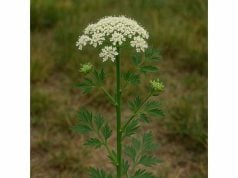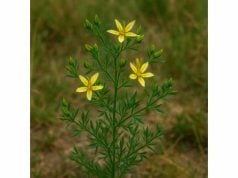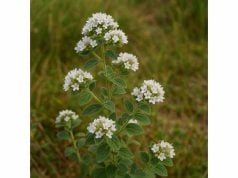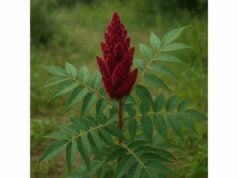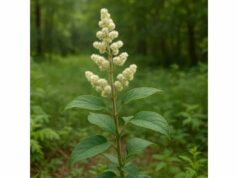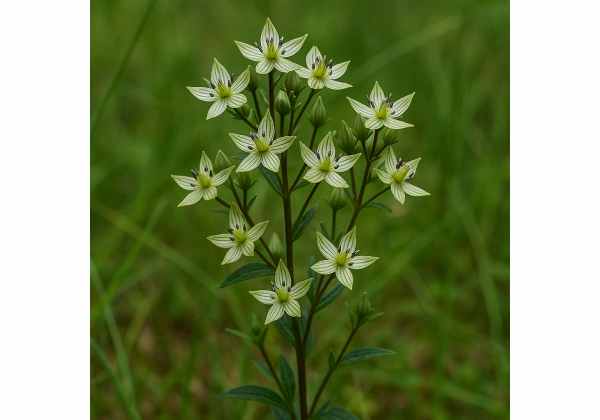
Swertia, more precisely Swertia chirayita, is one of the best-known bitter herbs of the Himalayan materia medica. Traditionally used across Ayurveda, Unani, Siddha, and regional folk practice, it has long been valued for fever, sluggish digestion, liver complaints, skin problems, and blood sugar support. Its reputation comes from an unusually intense bitterness and a phytochemical profile rich in xanthones, secoiridoids, and related compounds, especially amarogentin, swertiamarin, mangiferin, and swerchirin.
What makes Swertia chirayita so compelling is that its traditional uses are broad, yet its modern scientific appeal is even more specific. Researchers have paid close attention to its bitter principles, hepatoprotective potential, antioxidant activity, and glucose-related effects. At the same time, it is not a fully validated modern clinical herb, and its strongest evidence still comes from traditional practice and preclinical research rather than large human trials. It is also a conservation-sensitive plant that has been heavily collected from the wild. That means the most helpful guide must cover both its promise and its limits with equal care.
Key Insights
- Swertia is best known as a strong bitter herb for digestion, appetite, and traditional liver support.
- Its most studied compounds include amarogentin, swertiamarin, mangiferin, and related xanthones and secoiridoids.
- A traditional adult range is 1 to 3 g of powder per dose or 20 to 30 g for decoction.
- Human evidence is still limited, so most health claims remain traditional or preclinical rather than firmly clinical.
- Pregnant or breastfeeding people, children, and anyone using glucose-lowering medicines should avoid self-prescribed use.
Table of Contents
- What swertia is and why it has such a strong reputation
- Swertia health benefits and where the evidence is strongest
- Key ingredients and medicinal properties of swertia
- How swertia is used in traditional practice and modern products
- Swertia dosage, timing, and how long to use it
- Common mistakes, quality issues, and sustainable sourcing
- Safety, side effects, interactions, and who should avoid swertia
What swertia is and why it has such a strong reputation
Swertia chirayita, often called chirayita, chiretta, or chirata, is a small annual or biennial herb from the Gentianaceae family that grows in the temperate Himalayas. In traditional medicine, the whole plant is used, not just the root or leaf. That matters because many of its famous bitter compounds are distributed across the aerial parts, and the dried whole herb is what typically enters trade, powders, decoctions, and classical formulations.
Its reputation begins with bitterness. This is not a mild culinary bitter like endive or a lightly aromatic bitter like orange peel. Swertia is intensely bitter, which is one reason it has long been valued for poor appetite, post-fever weakness, sluggish digestion, and bile-related complaints. In older herbal systems, bitterness was not treated as a side note. It was often the core sign that a plant could stimulate digestive readiness, sharpen appetite, and support metabolic heaviness. In that sense, swertia belongs in the same broad family of classic bitters as gentian for appetite and digestion, though the species, history, and chemical details are different.
Traditional texts and modern reviews describe a broad range of uses, including fever, vomiting, jaundice, digestive disorders, skin disease, worms, diabetes, malaria, and inflammatory complaints. This long list can sound exaggerated to modern readers, but it reflects the way older medical systems grouped symptoms into patterns rather than isolating a single diagnosis. Swertia was often chosen when heat, sluggishness, bitterness, and systemic disturbance overlapped.
Its scientific reputation has grown for a different reason. Researchers have repeatedly identified significant compounds in the herb, especially amarogentin, swertiamarin, mangiferin, swerchirin, and other xanthones and secoiridoids. These help explain why the plant keeps reappearing in research on liver protection, oxidative stress, glucose metabolism, and inflammatory pathways. Still, promising chemistry is not the same as proven clinical action. That distinction is central to using the herb wisely.
Another important part of its story is conservation. Swertia is heavily collected from the wild and is repeatedly described in the literature as threatened by overharvesting and habitat pressure. That means the plant is not just medicinally interesting. It is also ecologically vulnerable. Anyone who uses it should care about identity and sourcing, not only effect.
The most grounded way to understand swertia is this: it is a classic Himalayan bitter herb with deep traditional roots, meaningful phytochemistry, and real modern promise, but it is not yet a broadly standardized clinical remedy. That balance is exactly what makes it worth discussing carefully.
Swertia health benefits and where the evidence is strongest
The strongest benefits associated with Swertia chirayita fall into three overlapping categories: digestive bitter use, liver-support tradition, and glucose-related research. The important caveat is that these categories do not all have the same level of evidence. Traditional experience is broad. Human clinical proof is much narrower.
The clearest traditional use is digestive support. Swertia has long been used where appetite is low, the stomach feels heavy, and digestion seems dull after illness or fever. This kind of use is consistent with how strong bitters tend to work. Their taste itself can stimulate salivation and digestive readiness, which is why bitter herbs remain relevant in traditional systems even when their broader disease claims are still debated. Swertia is especially suited to this type of bitter-herb role rather than to soothing irritated mucosa in the way demulcents do.
Liver support is the second major theme. Swertia has an old reputation in jaundice and hepatic complaints, and newer laboratory work continues to support interest in its hepatoprotective potential. A 2024 metabolomics-based study on S. chirayita identified multiple marker compounds in active fractions and found meaningful antioxidant and hepatocyte-protective effects in HepG2 cells. This does not prove it treats liver disease in humans, but it strengthens the traditional direction of use and gives the herb a more specific biochemical story than many folk tonics have.
The third major area is blood sugar support. This is where the literature is promising but still easy to overstate. Reviews and experimental studies suggest antidiabetic potential, and even a small human study has been reported in the literature. Still, the evidence base remains limited, and the plant should not be presented as a replacement for standard diabetes care. At most, it deserves recognition as a bitter herb with interesting metabolic relevance and a need for better trials. Readers comparing glucose-oriented botanicals may also look at bitter melon in metabolic support, which helps place swertia in a broader category of traditional antidiabetic herbs.
Other reported benefits, such as antimicrobial, antiparasitic, antipyretic, anti-inflammatory, and skin-support effects, are mostly supported by traditional use and preclinical work rather than robust human studies. That does not make them meaningless. It simply means confidence should be lower.
A realistic ranking looks like this:
- most plausible in practice: appetite and digestive bitter support,
- strongly traditional and biologically plausible: liver and febrile-support use,
- promising but still underdeveloped clinically: glucose-related support,
- still exploratory: broader anti-inflammatory, antimicrobial, and skin-directed use.
This is why swertia works best when expectations stay proportionate. It is not a miracle herb. It is a powerful traditional bitter with a meaningful scientific profile and a still-incomplete clinical one.
Key ingredients and medicinal properties of swertia
Swertia’s medicinal profile is defined by bitterness and by the chemistry behind that bitterness. The plant contains several important groups of bioactive compounds, especially secoiridoids, xanthones, flavonoids, and other phenolic constituents. Among the most discussed compounds are amarogentin, swertiamarin, mangiferin, and swerchirin. These names come up again and again because they help explain both the traditional taste-based use of the herb and the newer pharmacological interest in it.
Amarogentin is often treated as a signature constituent because of its exceptional bitterness. It is one of the compounds that gives swertia its unmistakable taste and helps explain why the herb became so strongly associated with appetite, fever, and digestion. Swertiamarin is another central compound and has generated a growing research literature of its own, especially around anti-inflammatory, hepatoprotective, metabolic, and antioxidant mechanisms. Mangiferin adds another important layer, because it is a polyphenolic xanthone linked with antioxidant and protective activity in many plant systems.
This chemistry matters because swertia is not just a generic “bitter herb.” It is a chemically rich bitter herb. Recent research on taste and composition has also shown that the bitterness of S. chirayita is linked mainly to iridoids, while other compounds shape the total taste impression in more subtle ways. That may sound like a sensory detail, but it is actually useful. In herbal medicine, taste often hints at action, and swertia’s taste is unusually central to its identity.
When people ask about medicinal properties, the safest answer is to group them into what the chemistry plausibly supports:
- bitter tonic and digestive properties, due mainly to iridoids and related bitter principles,
- hepatoprotective and antioxidant potential, supported by swertiamarin, mangiferin, and broader phenolic content,
- anti-inflammatory potential, suggested by preclinical work and by the behavior of several isolated compounds,
- glucose-related activity, supported mainly by experimental studies and traditional use rather than strong human proof.
Swertia also appears in conversations about bitter herbs for liver function alongside better-known botanicals such as milk thistle for liver support, though the mechanisms and evidence base differ. Milk thistle is much more associated with flavonolignans and standardized extracts, while swertia remains more rooted in whole-herb bitter medicine and multi-compound activity.
Another practical point is that the whole herb is more complex than any single isolated compound. Swertiamarin is important, but it is not the whole story. Amarogentin shapes taste strongly, mangiferin contributes antioxidant interest, and other xanthones and minor constituents likely influence the plant’s total action. This is one reason whole-herb use does not always translate neatly into single-compound expectations.
So the best way to understand swertia’s ingredients is not as a list of buzzwords, but as a layered phytochemical system. The bitterness signals digestive value, the phenolics suggest protective potential, and the total plant profile explains why the herb has remained important across multiple traditional uses.
How swertia is used in traditional practice and modern products
Swertia is most often used as the dried whole plant. In traditional practice, it commonly appears as powder, decoction, infusion, or as part of classical compound formulas. This form matters because many of the herb’s recognized uses depend on the full bitter profile of the plant rather than on one isolated extract.
The decoction is one of the classic forms. A strong bitter decoction makes sense for a herb like swertia because bitterness is part of the intended action. It is often used before meals or in fever and digestive patterns where appetite is low and the system feels sluggish. Powder is another common traditional form, especially in Ayurvedic-style use. It is convenient, concentrated, and easy to combine with other herbs.
Swertia also appears in classical polyherbal formulas, especially those aimed at fever, heat, digestive sluggishness, skin imbalance, and metabolic disorders. These formulas often make more sense than isolated use because a very bitter herb can be balanced by aromatics, carminatives, or other systemic supports. Traditional systems rarely relied on bitterness alone. They usually placed it in a larger formulation logic.
In modern herbal commerce, swertia may appear as capsules, standardized extracts, tablets, and liquid preparations. This can be helpful, but it also creates confusion. A whole-herb powder, a hydroalcoholic extract, and a capsule standardized to one compound are not the same medicine in practice. The consumer experience and likely effect can differ quite a bit.
Swertia is often used for four main practical goals:
- As a digestive bitter before meals.
- As part of liver-support formulas for sluggish or heat-related patterns.
- As a metabolic-support herb in products aimed at blood sugar management.
- As a traditional fever and skin-support herb in broader mixed formulas.
This is where product context matters. Someone who wants appetite and digestion support may benefit most from a simple bitter preparation. Someone pursuing inflammatory or liver support might encounter it blended with herbs whose evidence is somewhat stronger in modern wellness contexts, such as turmeric for inflammation-oriented support. That does not make swertia redundant. It shows that it is often used best as part of a well-chosen combination rather than a universal stand-alone.
What swertia is not especially suited for is casual sweetened, food-like use. Unlike aromatic kitchen herbs, this is a medicinal bitter. Even when encapsulated, its traditional personality remains that of a herb chosen with purpose. That is why it often fits better in the hands of someone thinking in patterns rather than in the style of a generic daily “wellness supplement.”
The most intelligent use of swertia keeps the form aligned with the goal. If you want digestive bitterness, use a truly bitter preparation. If you want a research-style extract effect, do not assume it behaves like the traditional decoction. That distinction prevents a lot of disappointment.
Swertia dosage, timing, and how long to use it
Swertia dosage needs to be framed carefully because there is no broadly established modern clinical dose supported by large human trials. Most useful dosage guidance still comes from traditional systems and official pharmacopoeial ranges rather than from contemporary evidence-based herbal monographs.
The clearest traditional reference point is the Ayurvedic Pharmacopoeia, which lists 1 to 3 g of the drug in powder form and 20 to 30 g of the drug for decoction as general adult guidance. These are traditional oral-use ranges, not proof-tested therapeutic doses for a single modern diagnosis. That distinction matters. They tell us how the herb has been used in established practice, not how much should be used to treat diabetes, jaundice, or any other specific disease in a clinical protocol.
Timing depends on the intended use. For digestive and appetite support, swertia usually makes the most sense before meals, because its bitter action is part of the body’s preparation for food. For fever, liver-support, or metabolic formulas, timing is often more evenly spaced across the day rather than tied strictly to meals. The form also changes the feel of the dose. A decoction often feels broader and more traditionally medicinal, while powder or capsules are simpler and more practical.
A sensible dosing approach looks like this:
- For classic bitter use: stay near the lower end first, especially if you have never used strong bitters.
- For powder: start with a modest amount within the traditional range and see how well the bitterness and digestion are tolerated.
- For decoction: remember that the pharmacopoeial amount reflects raw herb for preparation, not the final liquid volume.
- For capsules or extracts: follow the product label carefully, since commercial concentration varies.
Duration matters too. Swertia is not usually the kind of herb people enjoy taking indefinitely, and the literature does not support long-term casual use with confidence. For poor appetite, digestive heaviness, or short-term support in a defined pattern, a short course often makes more sense than ongoing daily use for months. In practical terms, it is better to reassess after a few days or weeks than to assume more time always means more benefit.
It is also wise not to stack several glucose-lowering or strongly bitter herbs at once. If a person takes swertia together with multiple metabolic supplements, it becomes hard to tell what is helping and what is simply adding burden or taste fatigue.
The most honest dosage summary is simple: swertia has a credible traditional dose range, but not a well-set modern clinical one. Use it as a strong bitter herb, not as a casual green supplement, and keep the dose tied to a clear purpose.
Common mistakes, quality issues, and sustainable sourcing
One of the most common mistakes with swertia is assuming that any product labeled “chirata” or “swertia” is automatically genuine Swertia chirayita. It is not. The species has long faced problems with adulteration, substitution, and inconsistent market identity. This is partly because it is highly valued, partly because it is bitter and visually similar enough to related materials that lower-quality trade can blur the distinction.
That identity problem matters because a substituted product may not match the expected phytochemical profile or the traditional activity. A preparation sold for liver support or blood sugar balance may carry the right story but the wrong plant. When a herb is already difficult to validate clinically, poor identity makes everything worse. Reliable sourcing is not a luxury here. It is the first quality check.
A second mistake is confusing traditional bitterness with instant effect. Swertia can be a strong bitter and still feel subtle in the body. Some people expect a dramatic stimulant, a laxative response, or an obvious drop in symptoms after one dose. When that does not happen, they assume the herb is weak. In reality, bitter herbs often work through repeated signaling and pattern-based support rather than a single dramatic sensation.
A third mistake is overfocusing on one property, especially glucose support. Because swertia appears in antidiabetic discussions, people sometimes use it as if it were a stand-alone blood sugar tool. That can lead to unrealistic expectations and poorly monitored use. Swertia may belong in metabolic-support conversations, but its classical identity is broader and more digestively anchored than that.
Quality also depends on form. A truly bitter, well-identified whole herb preparation may make more traditional sense than a vague “herbal extract” with no marker compounds listed. On the other hand, a standardized extract can be easier to evaluate if the supplier is transparent. What matters most is clear labeling, botanical identification, and a credible supply chain.
Then there is the conservation issue. Swertia is not a plant that should be used carelessly in high volume. Reviews repeatedly point to overexploitation and declining wild populations. A responsible buyer should prefer cultivated, conservation-aware, or clearly traceable material whenever possible. This is not just an ecological concern. Overharvesting often drives adulteration and quality decline too.
Good swertia use starts with four questions:
- Is this definitely Swertia chirayita?
- Is the preparation appropriate for the goal?
- Is the source credible and sustainable?
- Am I using it for a defined reason rather than vague herbal optimism?
People who ask those questions usually use the herb more successfully. The most common failures with swertia come from sloppy identity, broad claims, and treating a conservation-sensitive bitter herb as though it were an unlimited commodity. It is a better plant than that, and it deserves better use.
Safety, side effects, interactions, and who should avoid swertia
Swertia’s safety profile is not completely mapped, and that is one of the most important facts to keep in mind. Reviews note that the plant has a long history of use and no strong pattern of serious routine side effects has been firmly established in the available literature, but they also make clear that toxicological research remains incomplete. That means the herb may be well tolerated in many traditional contexts without being fully safety-defined by modern standards.
The most likely short-term issues are practical ones: strong bitterness, digestive discomfort, nausea in very sensitive people, or poor tolerance for concentrated preparations. A herb this bitter is not equally comfortable for everyone, and people with weak appetite do not always benefit from intense taste at the same threshold. In some cases, starting too high simply makes the plant aversive.
Medication interactions deserve attention even if they are not exhaustively studied. Because swertia is often discussed in glucose-related support, anyone using diabetes medication should be cautious with concentrated or repeated use. The same principle applies to people using multiple liver-oriented or bitter herbal formulas at the same time. Unknown does not mean harmless. It means observe carefully and avoid stacking without a reason.
Pregnancy and breastfeeding are the clearest caution zones. The modern literature is simply too incomplete, and the newer review on swertiamarin specifically points out that long-term and reproductive toxicity studies remain insufficient. That is enough reason to avoid self-prescribed use during pregnancy and lactation. Children also fall into the caution category for similar reasons.
People who should be especially careful or avoid self-directed use include:
- pregnant or breastfeeding individuals,
- children,
- people using glucose-lowering medicines,
- those with very sensitive digestion or strong aversion to bitters,
- anyone taking multiple herbal or prescription products for liver or metabolic issues,
- people relying on poor-quality or non-traceable material.
There is also a practical medical boundary. Swertia should not be used as a substitute for evaluation of jaundice, severe fever, uncontrolled diabetes, persistent vomiting, or serious skin disease. Traditional use does not change that. In fact, the more serious the symptom, the more important proper diagnosis becomes.
The safest summary is balanced. Swertia is not known as a high-risk herb in ordinary traditional use, but it is also not fully clarified toxicologically, especially for long-term or reproductive exposure. That means the right stance is cautious respect. Use well-identified material, choose a defined purpose, keep the duration reasonable, and avoid treating the plant as though its long history automatically answers every modern safety question.
References
- Swertia chirayita: A comprehensive review on traditional uses, phytochemistry, quality assessment and pharmacology 2023 (Review)
- Progress in Pharmacokinetics, Pharmacological Effects, and Molecular Mechanisms of Swertiamarin: A Comprehensive Review 2025 (Review)
- Compositional analysis of Swertia chirayita medicinal plant using laser-induced breakdown spectroscopy and ICP-MS 2024 (Research Article)
- UPLC-QTOF-MS based targeted metabolomics to unravel the hepatoprotective marker compounds of Swertia chirayita 2024 (Research Article)
- The Ayurvedic Pharmacopoeia of India, Part I, Volume I 2001 (Official Pharmacopoeia)
Disclaimer
This article is for educational purposes only and is not a substitute for medical advice, diagnosis, or treatment. Swertia is a traditional medicinal herb with meaningful pharmacological interest, but most of its better-known benefits are still based on classical use and preclinical research rather than large, modern human trials. Do not use it to self-treat jaundice, uncontrolled blood sugar, persistent fever, serious skin disease, or chronic liver symptoms without qualified medical guidance. Extra caution is warranted during pregnancy, breastfeeding, childhood, and when taking prescription medicines that affect glucose or liver function.
If this article helped you, please share it on Facebook, X, or another platform you prefer.