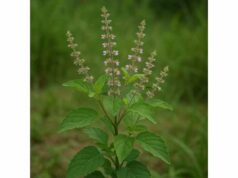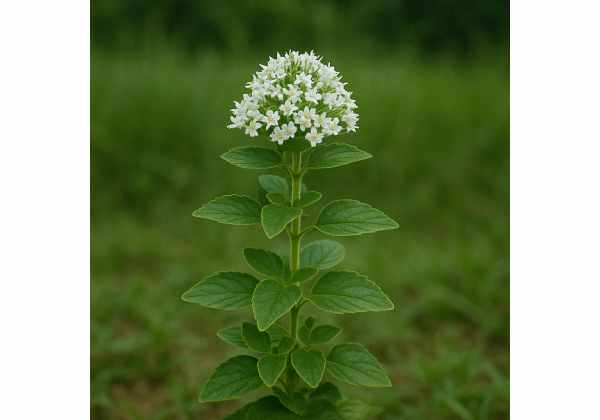
Turkish oregano, Origanum onites, is an aromatic Mediterranean herb prized both as a culinary seasoning and as a traditional medicinal plant. It belongs to the mint family and is especially valued for its intensely fragrant essential oil, which is typically rich in carvacrol and other volatile compounds that help explain its strong scent, preservative qualities, and broad antimicrobial reputation. In Turkey and nearby regions, it has long been used not only in food but also in herbal teas, digestive remedies, and household preparations meant to support respiratory comfort and general resilience.
What makes Turkish oregano especially interesting is the gap between tradition and modern evidence. Laboratory studies consistently show antioxidant, antimicrobial, and biologically active effects, and modern reviews describe genuine pharmacological promise. Yet that does not mean every popular claim is proven in people. The herb seems most credible as a culinary-medicinal plant that may support digestion, microbial balance, and oxidative defense, especially when used as a food, tea, or carefully diluted essential oil rather than as an exaggerated cure-all.
That balanced view is the best way to understand Turkish oregano well.
Quick Overview
- Turkish oregano may help support microbial balance and food safety because its essential oil is often rich in carvacrol.
- It may also support digestion and antioxidant defenses when used as a culinary herb or mild tea.
- A practical tea range is about 1 to 2 g dried aerial parts per cup, up to 2 to 3 times daily.
- Essential oil should not be swallowed casually and should always be diluted for topical use.
- People who are pregnant, have reflux-sensitive stomachs, or take multiple medicines should avoid self-prescribing concentrated extracts or essential oil.
Table of Contents
- What Turkish oregano is and how it differs from other oregano types
- Key ingredients and medicinal properties of Turkish oregano
- Turkish oregano health benefits with realistic expectations
- Traditional uses and how the modern evidence compares
- How to use Turkish oregano in food, tea, and essential oil form
- Dosage, timing, and how long to use it
- Safety, side effects, and who should avoid it
What Turkish oregano is and how it differs from other oregano types
Turkish oregano, Origanum onites, is a perennial aromatic herb in the Lamiaceae family, the same broad family that includes mint, thyme, sage, rosemary, and basil. It is native mainly to parts of Turkey, Greece, and nearby eastern Mediterranean regions, and it is often sold commercially as a high-quality oregano because of its strong aroma and high essential-oil content. In trade and in cooking, this matters a great deal: “oregano” is not always one single plant. Several species can be sold under that familiar common name, and their chemistry, flavor intensity, and medicinal use can differ.
That distinction is especially important for readers trying to understand health claims. A study on one oregano species does not automatically apply equally to all others. Turkish oregano is often richer in carvacrol than many milder culinary oreganos, which helps explain its pungent taste and its strong preservative and antimicrobial interest. It is therefore both a seasoning herb and a more chemically assertive aromatic plant.
In traditional use, Turkish oregano has often occupied a middle ground between food and medicine. It may be brewed as a tea, used to season fatty or heavy meals, added to infusions for coughs or digestive discomfort, or processed into essential oil for more concentrated applications. That food-medicine overlap is part of its appeal. It is easier to understand than many highly specialized medicinal roots or barks because its daily culinary use already reveals a lot about its character. It is warming, drying, fragrant, sharp, and stimulating.
Its main medicinally relevant parts are the aerial parts and the essential oil. The dried leaves and flowering tops are commonly used in teas and culinary applications, while the essential oil is the concentrated fraction responsible for many of the strongest lab-observed effects. These two forms should not be treated as interchangeable. A sprinkle of Turkish oregano on food is not the same as taking oregano oil capsules, and both are very different from undiluted essential oil.
This is where Turkish oregano begins to resemble other strongly aromatic mint-family herbs such as thyme with its volatile oil-driven actions. The herb itself can be food-like and broadly safe, while the essential oil becomes much more concentrated and demands more care.
The best short description is this: Turkish oregano is a robust Mediterranean culinary herb with real medicinal interest, especially because of its essential-oil chemistry, but its strongest effects come from concentrated preparations rather than from casual seasoning alone.
Key ingredients and medicinal properties of Turkish oregano
The medicinal identity of Turkish oregano depends heavily on its volatile compounds, especially those found in the essential oil. The most important of these is usually carvacrol, a monoterpene phenol that gives the herb much of its pungent aroma and a large share of its studied biological activity. In many Origanum onites samples, carvacrol is the dominant compound, though the exact percentage can vary significantly by region, harvest time, growth stage, soil conditions, and extraction method.
Other recurrent constituents include thymol, p-cymene, gamma-terpinene, terpinen-4-ol, alpha-terpineol, and additional terpenes and phenolic compounds. Beyond the oil, the plant also contains hydrophilic compounds such as rosmarinic acid, caffeic acid, flavonoids, and other phenolic acids. This matters because Turkish oregano is not only an essential-oil herb. It also has a broader antioxidant and phytochemical profile in teas and extracts.
These constituents help explain the herb’s main medicinal properties:
- Antimicrobial activity: one of the most consistent findings in the literature, especially for the essential oil
- Antioxidant activity: relevant both to food preservation and biological research
- Digestive stimulation: plausible from its aromatic bitterness and warming volatile oils
- Respiratory support: traditional use fits its aromatic, clearing, pungent profile
- Potential anti-inflammatory action: supported mainly by experimental rather than definitive human data
Carvacrol deserves special emphasis because it has become almost synonymous with oregano oil. It appears repeatedly in research on microbial inhibition, food preservation, oxidative stress, and cell-level biological effects. Still, it would be a mistake to reduce Turkish oregano to carvacrol alone. Whole-herb and whole-oil effects may depend on multiple compounds working together.
A practical way to think about Turkish oregano is to separate three levels of activity:
- Culinary herb level: milder, broader, food-compatible support
- Tea or extract level: more noticeable digestive and aromatic effects
- Essential oil level: highly concentrated, strong, and less forgiving
That tiered view helps prevent overuse. It also explains why Turkish oregano is so commercially important. The same plant can season food, preserve food, and attract pharmacological research. Few herbs do all three this naturally.
The plant’s chemistry also places it close to other strong aromatic herbs such as sage in volatile oil-rich traditional use. In both cases, the pleasant culinary identity can make people forget that the concentrated forms are far more potent than the kitchen versions.
The most accurate summary is that Turkish oregano is a carvacrol-rich aromatic herb with meaningful antimicrobial and antioxidant chemistry, but the intensity of its effects depends greatly on whether you are using the whole herb or its concentrated oil.
Turkish oregano health benefits with realistic expectations
Turkish oregano has several plausible health benefits, but they are not all supported at the same level. The most convincing benefits are those that match its chemistry, long culinary use, and repeated laboratory findings.
The first and strongest benefit area is microbial balance and preservative support. Turkish oregano essential oil has shown antimicrobial activity against a range of bacteria and fungi in laboratory settings, and this is one reason it is studied for food preservation as well as herbal use. This does not mean it is a stand-alone treatment for infection in people. It does mean the herb’s reputation for keeping food fresh and its role in strong aromatic digestive preparations are not merely folkloric. They fit the chemistry.
The second plausible benefit is digestive support. Aromatic Mediterranean herbs often help meals feel lighter, especially when they are rich, heavy, or fatty. Turkish oregano may stimulate digestion, reduce the sense of heaviness after eating, and support comfort through its warming volatile oils. Used as a food or mild tea, this is one of its most intuitive and believable actions. In therapeutic style, it overlaps somewhat with marjoram as a gentler digestive aromatic, though Turkish oregano is typically sharper and more pungent.
A third area is antioxidant support. Extracts and essential oils of Origanum onites have shown antioxidant activity, and the plant contains phenolics that help explain this. The practical meaning of this is more modest than marketing often suggests. It does not mean Turkish oregano is a miracle anti-aging herb. It means that as a spice, tea herb, or extract, it contributes to a phytochemical pattern associated with protection from oxidative stress.
A fourth area is respiratory comfort, especially in traditional use. Hot oregano tea or steam-like aromatic use has long been associated with colds, congestion, and throat irritation. Here again, the evidence is more traditional and mechanistic than decisively clinical, but the warming and aromatic nature of the herb makes the use plausible.
Claims that need more caution include:
- major anticancer promises
- antiviral treatment claims in humans
- generalized detox language
- broad claims about diabetes or cholesterol treatment
- internal use of essential oil as a routine daily supplement
There are experimental studies exploring antiproliferative and other advanced actions, but these are not the same as proof of therapeutic benefit in ordinary human use. It is one thing to say Turkish oregano is scientifically interesting. It is another to present it as a clinically proven treatment.
The most grounded benefit summary is this:
- strongest support: antimicrobial and preservative activity, especially in essential oil
- very plausible everyday use: digestive and culinary support
- reasonable supportive use: antioxidant and aromatic respiratory comfort
- still preliminary: major disease-treatment claims
Used that way, Turkish oregano remains impressive without being oversold.
Traditional uses and how the modern evidence compares
Turkish oregano has long been used in Anatolia and the wider Mediterranean world as more than a seasoning. Traditional uses include herbal tea for colds, coughs, and digestive discomfort; aromatic preparations for pain and inflammation; household use for preservation; and broader folk uses for respiratory and stomach complaints. In many regions, oregano-like herbs are collectively known and used in overlapping ways, which can make the historical picture feel broader than the exact species-by-species evidence.
That overlap is helpful, but it also requires care. Traditional use tells us that Turkish oregano belongs to a family of herbs recognized for warmth, aroma, and protective strength. Modern research supports much of that reputation at the laboratory level. The antimicrobial and antioxidant findings are particularly consistent. The difficulty begins when broad traditional uses are translated into narrow modern therapeutic claims.
Where tradition and science align best:
- aromatic use for digestion
- warming use in respiratory discomfort
- preservative and antimicrobial reputation
- broad interest in inflammation and oxidative stress
Where the evidence is thinner:
- routine internal use of concentrated essential oil
- disease-specific claims in humans
- strong promises for blood sugar, cancer, or cholesterol control
- long-term medicinal use without professional supervision
This pattern is common with powerful culinary herbs. The plant is clearly active, so traditional uses feel believable, but the exact modern medical meaning is still being sorted out. Turkish oregano is a good example of why “traditional use” and “clinical proof” should not be confused, even when they point in the same direction.
The essential-oil issue is especially important. Traditionally, most people encountered Turkish oregano as food, tea, or household aromatic herb, not as concentrated commercial oil swallowed in capsules. Modern supplement culture sometimes skips that distinction and assumes that more concentrated must mean more therapeutic. That is not always true. Greater concentration may simply mean greater irritation risk.
A more faithful reading of traditional use would emphasize regular low-dose contact: seasoning food, drinking tea, using the herb seasonally, and turning to stronger preparations only with purpose. This interpretation makes more sense than treating the herb as an all-purpose daily extract.
Readers familiar with peppermint’s split identity as both tea herb and concentrated oil will recognize the same principle. Traditional use usually centered on modest forms. Modern concentrated products require a different safety mindset.
The best conclusion is that Turkish oregano’s traditional reputation is credible and substantially supported by modern phytochemistry and lab science. But the most reliable uses are still the classic ones: digestive, aromatic, food-based, and supportive rather than dramatic.
How to use Turkish oregano in food, tea, and essential oil form
Turkish oregano can be used in several ways, but the right form depends on the goal. This is one of those herbs where preparation changes not only strength, but also the kind of benefit you are likely to get.
Culinary use
This is the simplest and safest starting point. Dried Turkish oregano can be added to vegetables, legumes, grilled meats, olive oil dishes, tomato-based meals, and yogurt-based sauces. Used this way, it supports digestion, adds antioxidant-rich phytochemicals to the diet, and contributes flavor without forcing the body. Culinary use is especially appropriate for people who want the herb’s benefits without moving into supplement territory.
Tea or infusion
A tea made from the dried aerial parts is a traditional household preparation for digestive discomfort, mild cold-season use, and general aromatic support. It is sharper and warmer than many soothing teas, so it may be best sipped after meals or during brief periods of congestion rather than all day, every day.
Extracts and capsules
These are more concentrated and more variable. Some contain powdered herb, while others emphasize standardized oil fractions. Because product quality and concentration differ widely, they should not be treated as interchangeable with home tea.
Essential oil
This is the strongest and riskiest form. Turkish oregano essential oil is not the same as the dried herb. It should generally be used only diluted and with great care. Topical use requires a carrier oil. Internal use is not something to improvise casually, especially because concentrated oils can irritate the mouth, stomach, and skin.
Practical uses by goal:
- For meals and digestion: use as a seasoning
- For a warming herbal tea: steep the dried herb
- For aromatic topical use: use only properly diluted essential oil
- For concentrated supplementation: choose products carefully and avoid guessing
A helpful mental model is to think of Turkish oregano as a spectrum:
- food
- tea
- extract
- essential oil
Each step up the spectrum increases potency and reduces forgiveness. That is why a person who cooks daily with Turkish oregano may do very well with it, while the same person might react poorly to a concentrated oil taken without care.
Its culinary-medicinal overlap is one of its strengths, much like basil as a food herb with medicinal relevance, but Turkish oregano is more intense and more oil-driven.
The practical rule is simple: start with the herb, not the oil. For most people, that is the most useful and safest way to benefit from Turkish oregano.
Dosage, timing, and how long to use it
Because Turkish oregano appears in several forms, dosage has to be discussed by preparation rather than as one universal number. This is especially important because dried herb, extract, and essential oil are not equivalent.
For tea, a practical range is about 1 to 2 g of dried aerial parts per cup, taken up to 2 to 3 times daily. This is appropriate for short-term digestive or seasonal respiratory support. People who are sensitive to strong aromatic herbs may prefer to start at the lower end of the range.
For culinary use, exact dosing is less important. Regular seasoning in meals is usually the gentlest and most sustainable way to use the herb. The amount can vary by taste, but it is best to think in kitchen rather than medicinal units here.
For powdered herb or standard extracts, follow the product label carefully, since concentration varies. A capsule made from dried herb is very different from one standardized for essential-oil content. The most common mistake is assuming all “oregano supplements” deliver the same thing.
For essential oil, dosing becomes much more sensitive. Because it is highly concentrated, it should not be self-dosed casually. Topical use should always be diluted. Internal use of essential oil is the area most likely to be overdone and is not a good choice for routine self-experimentation.
Timing depends on the reason for use:
- for digestion, use with or after meals
- for brief respiratory comfort, use as tea during symptomatic periods
- for culinary support, regular meal use is enough
- avoid strong aromatic forms on an empty stomach if they cause irritation
Duration should also stay sensible. Turkish oregano as a food is fine as a regular part of the diet. Turkish oregano as a medicinal tea or extract is better approached in short stretches, especially when used for a specific concern. Concentrated essential oil should be treated as a short-term tool, not a daily lifestyle supplement.
Important dosage mistakes to avoid:
- confusing dried herb amounts with essential-oil strength
- doubling up on tea, capsules, and oil at the same time
- using concentrated oil on sensitive skin without dilution
- taking strong forms for weeks or months without reassessing
This is where Turkish oregano differs from gentle household herbs. Its volatility and intensity require more restraint. A good comparison is rosemary as a culinary herb that becomes much stronger in concentrated oil form. The same plant family lesson applies: concentration changes the safety profile.
The best dosing principle is to match the form to the goal and choose the least aggressive preparation that still does the job.
Safety, side effects, and who should avoid it
Turkish oregano used as a food herb is generally well tolerated, but concentrated forms deserve more caution. Most safety problems do not come from seasoning food. They come from using extracts or essential oil as though they were mild teas.
Possible side effects from stronger use include:
- stomach irritation
- burning in the mouth or throat
- nausea
- worsening of reflux or gastritis-like symptoms
- skin irritation from undiluted topical application
Essential oil is the main concern. Because it is rich in active volatile compounds such as carvacrol, it can be irritating even when the herb itself feels perfectly gentle in food. It should not be applied neat to the skin, used in the eyes or near delicate mucosa, or swallowed casually without professional guidance.
People who should use extra caution include:
- pregnant or breastfeeding people
- children, especially with essential oil use
- people with reflux, ulcers, or strong stomach sensitivity
- those taking multiple medicines
- anyone with known sensitivity to mint-family plants
Another practical issue is drug interaction timing. Strong aromatic herbs and extracts may not create a classic major interaction in every case, but concentrated supplements can still complicate digestion, absorption, or tolerance. This is especially relevant when a person is already taking several products aimed at immunity, gut health, or inflammation.
There is also a quality issue. Commercial “oregano oil” products vary widely. Some are based on different species, different extraction methods, or very different concentrations. That means safety advice cannot be separated from product quality. A well-made diluted preparation is not the same as a harsh, poorly standardized oil capsule.
For topical use, patch testing is wise. For internal use, the herb form is safer than the oil form. For routine wellness use, food and tea are usually the most appropriate options.
A good practical safety summary is this:
- the herb in food is usually low risk
- the tea is stronger but still generally manageable
- the extract requires label awareness
- the essential oil requires the most caution
That hierarchy matters. Turkish oregano is a helpful herb when it stays in proportion to its form. Most people do not need its strongest version to benefit from it.
References
- Medicinal Uses, Phytochemistry, and Pharmacology of Origanum onites (L.): A Review 2016 (Review)
- Biochemical, Antioxidant Properties and Antimicrobial Activity of Steno-Endemic Origanum onites 2023
- Effects of essential oil of Origanum onites and its major component carvacrol on the expression of toxicity pathway genes in HepG2 cells 2024
- Effect of harvest on the agronomic, mineral and antioxidant profile of three oregano species (Origanum onites L., Origanum vulgare L. ssp. hirtum, and Origanum acutidens (Hand.-Mazz.) Ietswaart) 2025
- Extraction, Chemical Composition, and Anticancer Potential of Origanum onites L. Essential Oil 2019
Disclaimer
This article is for educational purposes only and is not a substitute for medical advice, diagnosis, or treatment. Turkish oregano is a traditional culinary and medicinal herb with promising laboratory evidence, but concentrated extracts and essential oils are not interchangeable with normal food use. Speak with a qualified healthcare professional before using medicinal doses if you are pregnant, breastfeeding, take regular medication, or have significant digestive sensitivity.
If you found this article useful, please share it on Facebook, X, or another platform where it may help someone else.