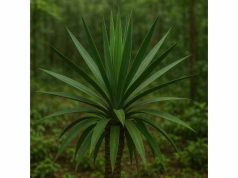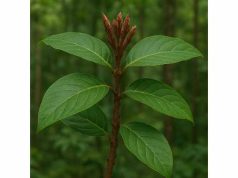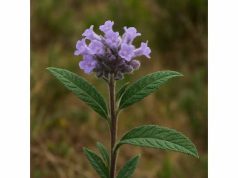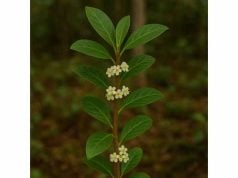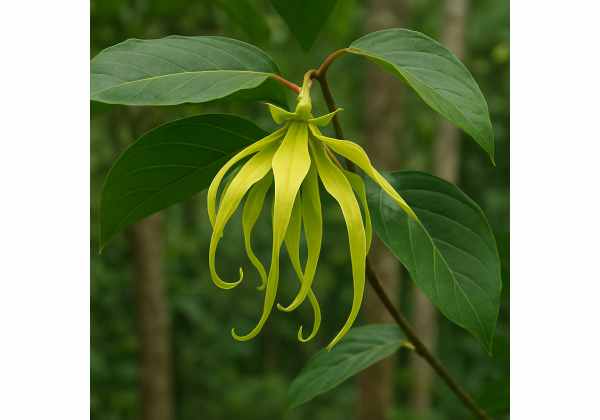
Ylang-ylang is the intensely fragrant flower of Cananga odorata, a tropical tree best known for the rich essential oil distilled from its blossoms. Many people first meet it through perfume, but its appeal goes beyond scent. Ylang-ylang has a long traditional reputation as a calming aromatic, a sensual massage oil ingredient, and a botanical used in skin and scalp care. Modern research gives partial support to some of these uses, especially for short-term relaxation and selected topical applications, while also reminding us that concentrated essential oils need respect.
What makes ylang-ylang especially interesting is its chemistry. Its floral sweetness comes from a shifting mix of compounds such as linalool, benzyl acetate, geranyl acetate, and benzyl benzoate, and that mix changes with distillation method, grade, and origin. This helps explain why one bottle may smell soft and soothing while another smells heavier or sharper.
For most people, the practical question is not whether ylang-ylang is “powerful,” but how to use it well. The best approach is targeted, diluted, and realistic.
Essential Insights
- Ylang-ylang is most useful for short-term calming support and pleasant aroma-based relaxation.
- Its topical promise is strongest in carefully formulated skin and scalp products, not in undiluted home use.
- A conservative home range is 1 to 3 drops for diffusion or 0.25% to 1% dilution for leave-on topical blends.
- People with fragrance allergy, very sensitive skin, low blood pressure, or heavy sedative use should be especially cautious.
Table of Contents
- What is ylang-ylang and how is it used?
- Key ingredients and medicinal properties
- What benefits are most plausible?
- How to use ylang-ylang at home
- Dosage, timing, and duration
- Safety, side effects, and who should avoid it
- What the research really shows
What is ylang-ylang and how is it used?
Ylang-ylang comes from the drooping yellow flowers of Cananga odorata, a tropical tree native to Southeast Asia and now cultivated in places such as Indonesia, Madagascar, and the Comoros. The flowers are steam-distilled to produce the famous essential oil used in fragrance, aromatherapy, and personal care. Unlike many “medicinal herbs” that are brewed as teas or taken as capsules, ylang-ylang is mostly a story of aromatic and topical use.
One reason the oil gets so much attention is its scent profile. It is sweet, floral, creamy, and slightly spicy, with a depth that can feel either luxurious or overpowering depending on the batch and the person smelling it. Readers familiar with jasmine’s aromatic profile will notice that ylang-ylang is usually heavier, warmer, and more narcotic in character.
Ylang-ylang is also unusual because the oil is often separated into grades during distillation. In commercial practice, earlier fractions are valued for perfume because they contain more of the highly volatile scent compounds, while later fractions can smell denser, woodier, or more balsamic. This is useful to know because two products both labeled “ylang-ylang essential oil” may not feel identical in aroma, strength, or practical use.
In daily life, ylang-ylang appears in several forms:
- essential oil for diffusion, inhalation, and dilution into massage blends
- shampoos, scalp oils, and hair products
- skin-care and body-care products
- perfume and home fragrance blends
- occasional traditional topical preparations
The main point is that ylang-ylang is not usually a food herb or a standard oral remedy. When people search for its benefits, they are usually asking about what the essential oil may do when smelled or diluted on the skin. That distinction matters because essential oils are concentrated plant extracts, not interchangeable with the whole flower.
A practical way to understand ylang-ylang is to see it as a botanical most relevant to three domains: mood and sensory experience, topical personal care, and fragrance chemistry. It has a stronger place in those areas than in evidence-based internal herbal medicine. That does not make it unimportant. It simply means the most honest and useful conversation about ylang-ylang starts with how it is actually used in modern life.
Key ingredients and medicinal properties
Ylang-ylang’s reputation rests on its volatile chemistry. The flower contains a broad mixture of aromatic compounds, and that mix is one reason the oil has been studied for calming, antimicrobial, and anti-inflammatory effects. It is also why the scent can vary meaningfully between origins, grades, and extraction methods.
Among the better-known constituents are linalool, geranyl acetate, benzyl acetate, benzyl benzoate, germacrene D, caryophyllene-family compounds, and farnesene-related fractions. Some batches show more of the light floral esters, while others lean toward deeper balsamic or woody notes. In simple terms, ylang-ylang is not a one-molecule oil. It is a moving chemical orchestra, and that complexity shapes both its fragrance and its biological behavior.
Why these compounds matter
Linalool is often associated with gentler floral calm and is found in other aromatic botanicals used for stress support. Benzyl acetate and geranyl acetate contribute much of the lush, sweet perfume character. Benzyl benzoate and related heavier compounds can add depth and may influence how the aroma settles over time. Other constituents, including sesquiterpenes and oxygenated compounds, help explain the oil’s antioxidant, mild antimicrobial, and anti-inflammatory interest in laboratory research.
This chemical complexity also explains why ylang-ylang does not behave exactly like simpler citrus oils. It is richer, slower, and more layered. Anyone who has compared it with bergamot chemistry and aromatic uses will notice that bergamot feels brighter and more sparkling, while ylang-ylang feels fuller and more enveloping.
Its main medicinal properties
The term “medicinal properties” should be used carefully here. For ylang-ylang, the most defensible properties are:
- relaxing and mood-softening aromatic effects
- mild antimicrobial activity in laboratory settings
- antioxidant activity in test systems
- anti-inflammatory potential shown mainly in preclinical work
- topical support potential when used in stable, diluted formulations
That does not mean every ylang-ylang product will reliably deliver all of these effects. It means the oil has a plausible biochemical basis for them.
A crucial detail is variability. The chemical profile changes with flower maturity, distillation timing, geography, and processing. That means quality and composition are not fixed. A perfume-grade fraction may smell exquisite but not match the same profile used in a laboratory study. This is one of the biggest reasons essential-oil claims often become overstated online.
The most useful takeaway is this: ylang-ylang’s value comes from its whole aromatic profile, not from one “magic” ingredient. Its chemistry supports the idea that it may calm, scent, and contribute to topical formulations, but the exact effect depends heavily on the specific oil and the way it is used.
What benefits are most plausible?
The strongest claims for ylang-ylang are not the broadest ones. It is not best understood as a cure-all herb. Its most plausible benefits are narrower, more practical, and closely tied to inhalation and topical formulation.
Most believable benefit: short-term calming support
This is where ylang-ylang has the clearest real-world relevance. Inhaled ylang-ylang is often described as soothing, settling, or emotionally softening. Some human research suggests it may reduce anxiety markers or support relaxation in specific settings. That does not make it a treatment for panic disorder, major depression, or chronic insomnia. But it does support the idea that ylang-ylang can help create a calmer sensory state.
For people who already use lavender oil for stress and sleep, ylang-ylang may feel more sensual and heavier, sometimes better for emotional unwinding than for crisp mental clarity.
Possible cardiovascular calming effects
A second plausible area is gentle lowering of stress-related physiological arousal. Some human studies have linked ylang-ylang inhalation with reduced blood pressure, lower heart rate, or a more relaxed subjective state. The key word is gentle. This is not the same as treating hypertension. It is more accurate to say that ylang-ylang may nudge the body toward a calmer autonomic state in some people.
Topical and scalp support
Ylang-ylang also has topical promise, especially in more advanced formulations. Laboratory and formulation studies suggest antimicrobial, antioxidant, and anti-inflammatory properties that may be relevant to skin or scalp care. This is interesting, but it needs context. Promising topical research does not mean that dabbing undiluted oil on the scalp is a good idea. In fact, that is more likely to irritate than help.
Its best topical role is probably as one part of a carefully diluted blend or professionally made product aimed at scalp comfort, fragrance, or supportive skin care.
Benefits that need more caution
The weaker claims are the ones often marketed the hardest. Ylang-ylang is sometimes promoted for depression, sexual dysfunction, hormonal balance, chronic pain, and major inflammatory conditions. There may be biochemical reasons people explore those directions, but human proof remains limited. Preclinical studies are useful for hypothesis-building, not for making sweeping clinical promises.
A grounded summary looks like this:
- best fit: relaxation rituals, mood-softening aroma, selected topical formulations
- possible but limited: stress-related blood pressure support, scalp comfort
- mostly preclinical: anti-inflammatory and analgesic potential
- not well established: internal medicinal treatment for chronic disease
That middle-ground view is the most helpful one. Ylang-ylang deserves interest, but it also deserves realistic expectations.
How to use ylang-ylang at home
Home use works best when it is simple, diluted, and purpose-driven. Ylang-ylang is not an oil that rewards excess. Because the scent is rich and the sensitization risk is real, gentler use usually gives better results.
Inhalation and diffusion
For many people, inhalation is the best entry point. It lets you experience the calming fragrance without putting the oil directly on the skin. A diffuser session in the evening or during a stressful workday is often enough to tell whether your nervous system responds well to the aroma.
Another low-tech option is tissue inhalation: one drop on a tissue or inhaler, followed by a few slow breaths. This is easier to control than a full-room diffuser and works well for people who find the scent intense.
Massage and body oil
Ylang-ylang is commonly used in massage blends because it pairs emotional relaxation with a warm, luxurious scent. It combines especially well with carrier oils such as jojoba, sweet almond, or fractionated coconut oil. Some people enjoy it in blends with vetiver for deeper grounding, especially in evening body oils.
Massage use should stay diluted. The goal is not to “dose high,” but to create a gentle sensory experience over a broad skin area.
Bath and shower use
A bath can work, but only if the oil is first mixed into a dispersing base such as unscented body wash, bath base, or carrier oil. Essential oils should not be dropped straight into bath water because they float on the surface and can contact the skin in concentrated pockets.
In the shower, a drop or two placed away from direct water spray can create a fragrant steam effect. This may be enough for people who want the aroma without a leave-on product.
Skin, scalp, and hair use
Ylang-ylang belongs in skin and scalp care only in well-diluted form. It may fit into body oils, scalp pre-wash products, or rinse-off hair care, especially when the goal is fragrance plus supportive botanical activity. If your interest is mainly antimicrobial scalp support, some people compare it with tea tree for topical care, though tea tree is usually sharper and more medicinal-smelling.
What ylang-ylang should not be used for at home is undiluted spot treatment of rashes, acne, or scalp problems. If there is active inflammation, broken skin, or suspected infection, medical evaluation matters more than experimenting with a concentrated essential oil.
And one more rule deserves emphasis: do not ingest ylang-ylang essential oil as casual self-care. The evidence base and safety margin are not strong enough to support that as a home practice.
Dosage, timing, and duration
Ylang-ylang does not have a standardized oral medicinal dose for general self-care, and that is the most important dosage fact to understand. Practical dosing is mostly about inhalation sessions and topical dilution percentages rather than capsules or drops taken by mouth.
Practical ranges for conservative home use
- Diffuser use
- 1 to 3 drops in 100 to 150 mL of water
- diffuse for 15 to 30 minutes
- 1 to 2 sessions per day is usually enough
- Personal inhalation
- 1 drop on a tissue or aromatherapy inhaler
- inhale slowly for 2 to 4 breaths
- repeat up to 3 times daily if well tolerated
- Leave-on body oil or lotion
- 0.25% to 0.5% for cautious beginners
- up to 1% for most healthy adults who tolerate fragrance well
- a 1% dilution is about 6 drops per 30 mL carrier oil
- Scalp or hair products
- 0.25% to 0.5% in rinse-off or short-contact use
- patch test first
- avoid if the scalp is cracked, inflamed, or highly reactive
- Bath use
- 1 to 2 drops mixed into a tablespoon of carrier oil or unscented wash base
- do not add neat oil directly to bath water
Best timing
Ylang-ylang often fits best in the evening, before bed, after work, or during deliberate relaxation time. Its aroma is rich enough that many people do not enjoy it during intense exercise or mentally demanding tasks. Others find it pleasant in short afternoon resets. Personal response matters.
How long to use it
For aromatic self-care, it makes sense to reassess after 1 to 2 weeks of regular use. Ask simple questions:
- Does it actually help me feel calmer?
- Am I getting headaches, nausea, or scent fatigue?
- Is my skin tolerating it well?
- Would a lower dose work just as well?
That last question matters. More is not better with ylang-ylang. Overuse is one of the main reasons people stop liking it.
If you are using it in a topical product for scalp or skin support, think in short, monitored windows rather than indefinite daily use. If irritation appears, stop immediately. If the concern is persistent dandruff, rash, or scalp inflammation, home aromatics should not delay more appropriate treatment.
In practice, the best ylang-ylang dosage is usually the lowest amount that still feels clearly useful.
Safety, side effects, and who should avoid it
Ylang-ylang is natural, but that does not make it automatically gentle. Its scent profile is appealing, yet the essential oil has a documented history of skin sensitization in some users. Safety depends on dose, dilution, route of exposure, and personal sensitivity.
Common side effects
The most likely problems are:
- skin irritation or rash
- headache from a strong or prolonged aroma
- nausea or scent overload
- lightheadedness in people who are already prone to low blood pressure
- worsening symptoms in fragrance-sensitive people
Ylang-ylang can smell luxurious in a small amount and oppressive in a large amount. That is not a minor detail. Scent intensity itself can be a reason to keep doses low.
Who should be especially cautious
Avoid or use only with professional guidance if you fall into one of these groups:
- people with known fragrance allergy or prior essential-oil dermatitis
- those with very sensitive, eczema-prone, or broken skin
- pregnant or breastfeeding individuals using concentrated products
- infants and very young children
- people with very low blood pressure, recurrent dizziness, or fainting tendencies
- those taking sedatives, sleep medicines, or several blood-pressure-lowering drugs
- anyone with asthma, migraine, or strong odor-triggered symptoms
The caution around low blood pressure and sedatives is practical rather than dramatic. Since ylang-ylang may have calming and potentially blood-pressure-lowering effects in some users, it makes sense to avoid stacking it carelessly with other things that already make you drowsy or lightheaded.
Important mistakes to avoid
- Do not apply undiluted oil to the skin.
- Do not put it in the eyes, ears, or on mucous membranes.
- Do not swallow the essential oil for general wellness use.
- Do not use it on active rashes or infected-looking skin.
- Do not assume a perfume blend and a therapeutic-grade oil behave identically.
Storage matters too. Old or oxidized oils are more likely to irritate. Keep bottles tightly closed, away from heat and light, and replace them when the aroma shifts unpleasantly.
A final safety point: if a product causes burning, stinging, headache, nausea, or a rash, stop using it. “Pushing through” is not a sign that the plant is working. It is usually a sign that the dose, route, or product is wrong for you.
What the research really shows
The research on ylang-ylang is promising, but it is uneven. Some areas have human data, others rely mostly on laboratory, formulation, or animal studies. That does not make the oil unimportant. It means the evidence needs to be interpreted with proper scale.
The best human evidence points toward calming and anxiety-related effects in selected settings. That is meaningful, especially because ylang-ylang is used so widely for relaxation. Still, the human trials are not large enough to justify sweeping statements such as “proven treatment for anxiety.” A better conclusion is that ylang-ylang appears capable of supporting relaxation for some users, especially by inhalation, but it should be treated as a complementary tool rather than a primary therapy.
Topical research is also intriguing. Recent formulation studies suggest ylang-ylang may contribute antioxidant, antimicrobial, and anti-inflammatory activity in skin and scalp products. That is a real area of interest, especially for dermocosmetic applications. But it is not the same as proving that home use of plain essential oil treats psoriasis, dandruff, or skin disease.
Preclinical studies broaden the picture further. Anti-inflammatory, analgesic, and mood-related effects have been observed in experimental models. These results help explain why the oil continues to attract attention, but they are still a step removed from everyday clinical recommendations.
So where does that leave the average reader?
- Well supported enough for cautious self-care: inhaled relaxation support, pleasant scent-based unwinding, limited topical use in diluted products
- Interesting but not yet robustly established: scalp and skin therapeutic roles, pain-related uses, broader anti-inflammatory applications
- Not established for self-treatment: oral medicinal use, replacement of medical care for anxiety, blood pressure disorders, or chronic skin disease
This is a good example of a plant sitting between tradition and modern evidence. Ylang-ylang has enough research to justify careful use and enough safety concerns to justify restraint. In practical terms, that is often the sweet spot for aromatics: useful, enjoyable, biologically active, but best handled with modest expectations and good technique.
References
- Chemical Composition, Antioxidant, Antibacterial, and Hemolytic Properties of Ylang-Ylang (Cananga odorata) Essential Oil: Potential Therapeutic Applications in Dermatology 2024
- Cananga odorata Aromatherapy Reduces Anxiety in Unexperienced Patients Hospitalized for Interventional Neuroradiology Procedures: A Randomized Control Trial 2023 (RCT)
- Cananga odorata (Ylang-Ylang) Essential Oil Containing Nanoemulgel for the Topical Treatment of Scalp Psoriasis and Dandruff 2024
- Effect of Ylang-Ylang (Cananga odorata Hook. F. & Thomson) Essential Oil on Acute Inflammatory Response In Vitro and In Vivo 2022
- Safety assessment of Ylang-Ylang (Cananga spp.) as a food ingredient 2008 (Safety Review)
Disclaimer
This article is for educational purposes only and does not replace medical advice, diagnosis, or treatment. Ylang-ylang essential oil can be irritating or sensitizing, and it is not a substitute for care of anxiety disorders, skin disease, scalp disorders, blood pressure problems, or chronic pain. Seek professional guidance before using concentrated aromatics during pregnancy or breastfeeding, around children, or alongside prescription sedatives or blood pressure medicines.
If you found this article helpful, please share it on Facebook, X, or your preferred platform.