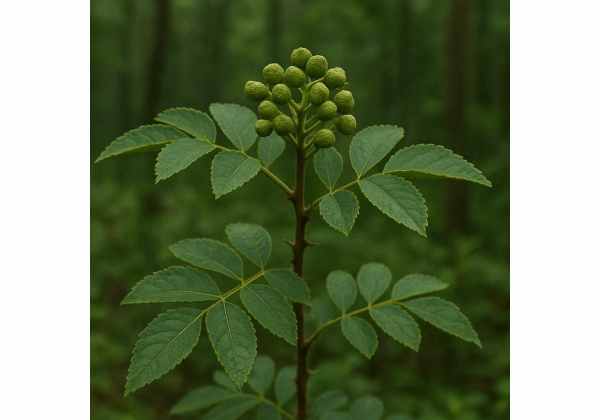
Zanthoxylum is a large plant genus that includes several traditional medicinal and culinary species, among them prickly ash, toothache tree, and the plants that give Sichuan pepper its distinctive tingling character. That diversity is part of its appeal, but it is also the first thing to understand before making health claims. “Zanthoxylum” is not one single herb with one fixed chemical profile. Different species, plant parts, and regional traditions emphasize different uses, from oral numbing and digestive stimulation to warming circulation, topical support, and antimicrobial applications.
Across traditions, however, a common pattern appears. Zanthoxylum plants are usually aromatic, stimulating, and pungent, with a reputation for easing dull, sluggish, or cold-pattern complaints more than hot, inflamed ones. Modern research supports interest in the genus, especially for its alkamides, alkaloids, volatile oils, and anti-inflammatory activity, but most evidence remains preclinical or species-specific. That makes Zanthoxylum a promising and historically important group of herbs, though one best used with species awareness, careful dosing, and realistic expectations about what is traditional support versus clinically proven treatment.
Key Facts
- Zanthoxylum is best known for oral numbing effects, warming digestive support, and traditional use in sluggish circulation and dull pain.
- Its most distinctive compounds include alkamides, alkaloids, coumarins, lignans, and volatile oils that shape its tingling and analgesic character.
- A traditional bark decoction range is about 1 to 3 g in 250 mL water, taken up to 3 times daily, depending on the preparation and species.
- People who are pregnant, breastfeeding, prone to active ulcers, or using strong medicinal doses without knowing the exact species should avoid self-treatment.
Table of Contents
- What Zanthoxylum is and why species differences matter
- Key ingredients and the medicinal profile of the genus
- Health benefits and what the evidence actually supports
- Zanthoxylum for oral comfort, digestion, and circulation
- How Zanthoxylum is used in bark, fruit, powder, tea, and tincture
- Dosage, timing, duration, and common mistakes
- Safety, side effects, interactions, and who should avoid it
What Zanthoxylum is and why species differences matter
Zanthoxylum is a genus in the citrus family, Rutaceae, and it includes dozens of species used in food and traditional medicine across Asia, Africa, and the Americas. That broad geographic spread is one reason the herb can seem confusing at first. In North American herbalism, Zanthoxylum often refers to prickly ash bark from species such as Zanthoxylum americanum or Zanthoxylum clava-herculis. In East Asian culinary and medical traditions, it may refer to the fruits or pericarps of species such as Zanthoxylum bungeanum, Zanthoxylum piperitum, or related plants associated with Sichuan pepper and similar spices. In African traditional medicine, other species such as Zanthoxylum zanthoxyloides have their own distinct histories and uses.
That means the genus has a family resemblance, but not a single uniform identity. Some traditions emphasize the bark. Others emphasize the fruit hull, seeds, root bark, or essential oil. Some preparations are used as medicine, others as spices, and some sit in both worlds at once. A culinary pinch of a Zanthoxylum spice is not equivalent to a medicinal bark tincture, and a bark decoction from one species should not automatically be treated as interchangeable with the fruit of another.
The common thread is sensory. Most Zanthoxylum species are aromatic, pungent, and stimulating. Many produce a buzzing, tingling, salivating, or lightly numbing sensation on the tongue. That is not just an interesting culinary trick. It is central to why the plants have been used for toothache, sluggish digestion, poor peripheral circulation, and certain forms of dull pain. Traditional systems often describe these herbs as warming, moving, drying, or stimulating, which matches the bodily sensation they create.
Readers may find it useful to think of Zanthoxylum as a plant group that overlaps with both spice medicine and classic herbal medicine. In this respect, it resembles the borderland occupied by ginger in digestive and warming formulas, though Zanthoxylum is usually more tingling, more stimulating to the mouth, and more associated with bark or hull medicines.
Species differences also matter for safety. The chemical profile of bark is not identical to that of fruit hulls, and compounds that make one species useful may also make another harsher, more numbing, or less suitable for routine self-use. Good herbal writing about Zanthoxylum has to start here: not with a claim that the genus does one thing, but with an explanation that several related species share a pungent, stimulating medicinal character while still differing in chemistry, traditional indications, and risk.
Key ingredients and the medicinal profile of the genus
Zanthoxylum’s medicinal character comes from a chemically rich mix of alkamides, alkaloids, coumarins, lignans, flavonoids, amides, and volatile oil components. Among these, alkamides deserve special attention because they help explain the plant’s signature tingling, prickling, and numbing effects. When people describe prickly ash or Sichuan pepper as making the mouth buzz or feel electrically alive, they are often reacting to this class of compounds rather than to ordinary “spiciness.”
Hydroxy-alpha-sanshool and related sanshools are among the best-known compounds associated with this effect. They have drawn scientific attention because they appear to interact with nerve signaling in ways that help explain local anesthetic and analgesic sensations. That is one reason Zanthoxylum has such a long record in traditional toothache preparations and oral applications. In practical terms, the chemistry supports the folklore: the herb really does have a distinctive mouth and nerve feel that is different from ordinary pungent spices.
The genus also contains alkaloids such as nitidine, chelerythrine, skimmianine, and related constituents in some species. These compounds are pharmacologically interesting because they have been linked in research to antimicrobial, anti-inflammatory, cytotoxic, or other biologic actions. At the same time, they are also one reason Zanthoxylum should not be romanticized as a harmless kitchen herb in every form. Compounds with biologic strength deserve respect, especially in concentrated extracts.
Volatile oils contribute another layer. These oils help shape aroma, tissue stimulation, circulation effects, and antimicrobial potential. Alongside them are coumarins, lignans, and phenolic compounds that may contribute to antioxidant and anti-inflammatory actions. The result is a genus whose traditional uses make sense not because of one miracle molecule, but because several chemical families work together in ways that affect nerve sensation, local tissue response, and digestive or circulatory tone.
This is also why species and plant part matter so much. The bark of a North American prickly ash is not chemically identical to the dried fruit pericarp of a culinary Zanthoxylum. The result may still be recognizably related, but not identical in intensity or effect. One product may be more useful for oral tingling and local numbing, while another may be more suitable as a warming digestive spice.
For comparison, some readers know the local numbing feel of clove in temporary oral comfort. Zanthoxylum can overlap with that use, but the sensation is usually different. Clove is more aromatic and bluntly numbing through eugenol-rich oil, while Zanthoxylum often creates a vibrating, tingling, saliva-promoting feeling that is uniquely its own.
Taken together, the key medicinal profile of Zanthoxylum is this: stimulating, pungent, aromatic, sialagogue, circulation-moving, and locally analgesic. Those qualities help explain both its most credible benefits and its most important cautions.
Health benefits and what the evidence actually supports
Zanthoxylum has an impressive traditional reputation, but its modern evidence base is uneven. The strongest way to describe it is not as a clinically proven cure for multiple conditions, but as a pharmacologically interesting genus whose traditional uses are partly supported by laboratory, animal, and review data. The question is not whether the genus is active. It clearly is. The real question is how confidently its activity can be translated into human self-care claims.
The best-supported benefit area is probably pain and sensory modulation, especially local oral discomfort. Reviews on Zanthoxylum species and their alkamides repeatedly point to analgesic and local anesthetic potential. This is also the easiest traditional use to understand because it maps directly onto the plant’s felt effect. When the bark or fruit is chewed, many people notice tingling and numbing quickly.
Inflammation is another important area. Several modern reviews discuss anti-inflammatory activity across species, often through pathways involving inflammatory mediators and signaling systems such as NF-kappaB, MAPK, and related mechanisms. This does not automatically mean a Zanthoxylum tea is a proven anti-inflammatory treatment for arthritis, bowel disease, or chronic pain in humans. It means the plant group has enough mechanistic support to make its traditional use for pain and inflamed states plausible.
Antimicrobial activity also appears repeatedly in the literature. Extracts and isolated compounds from various species show activity against bacteria, fungi, and parasites in research settings. This helps explain why Zanthoxylum has been used in mouth preparations, topical formulas, and some traditional infection-related contexts. Still, laboratory antimicrobial activity should not be confused with dependable treatment of real-world infection in a person.
Other possible benefit areas include digestive stimulation, appetite support, metabolic effects, and circulation. Traditional systems often use Zanthoxylum when tissues seem sluggish, cold, or underactive rather than red-hot and acutely inflamed. That framework is worth preserving because it captures the herb’s practical fit better than a flat list of diseases.
A balanced summary looks like this:
- Most plausible: oral tingling and numbing, digestive stimulation, warming support, and some forms of dull or stagnant discomfort.
- Promising but not clinically settled: broader anti-inflammatory, antimicrobial, antioxidant, and metabolic effects.
- Too early for confident self-treatment claims: cancer, diabetes, major infections, severe chronic inflammatory disease, or complex neurologic conditions.
This distinction matters because Zanthoxylum can sound more proven than it is. A genus-level review may list dozens of activities, but many come from cell or animal studies, not human trials. That makes Zanthoxylum similar to many respected traditional herbs: worthy of attention, but strongest when used in modest, pattern-matched ways rather than sold as a broad-spectrum solution.
Readers comparing analgesic herbs may also find it useful to look at willow bark for pain support, which operates through a very different therapeutic style. Willow is more systemic and anti-inflammatory in concept, while Zanthoxylum is more pungent, sensory, local, and stimulating.
Zanthoxylum for oral comfort, digestion, and circulation
If you reduce Zanthoxylum to its most practical traditional uses, three themes stand out: oral comfort, digestive stimulation, and circulatory or warming support. These are the lanes where the herb’s taste, sensation, and chemistry line up most clearly with its historical uses.
For the mouth, gums, and teeth, Zanthoxylum has long been used as a toothache herb. Bark chewing, tinctures, powders, and local applications all appear in traditional practice. The reasoning is straightforward. The herb creates tingling, salivation, and a numbing effect that can temporarily distract from or reduce discomfort. It may also bring local circulatory stimulation and some antimicrobial activity. That does not make it a treatment for abscesses, cracked teeth, or gum disease, but it helps explain why the plant has been remembered so vividly in folk medicine.
For digestion, Zanthoxylum has been used where appetite is flat, gastric tone seems weak, or food seems to sit heavily. In older herbal language, it is often described as a stimulant to sluggish mucosa and underactive digestive secretions. In modern practical terms, it is more suited to cold, slow, flatulent, or torpid digestion than to reflux, burning gastritis, or active ulcer states. It is not a bland gut-soothing herb. It is a pungent wake-up herb.
Some traditions also value it for circulation. This use shows up especially strongly in North American prickly ash literature, where it is described as a warming circulatory stimulant for cold extremities, low tissue vitality, and dull rheumatic states. While these ideas come more from tradition and practitioner experience than from strong human trials, they fit the herb’s general medicinal profile. A plant that tingles the mouth, promotes salivation, and feels actively warming would naturally be classified as mobilizing rather than sedating.
The most realistic take is that Zanthoxylum may be worth considering when symptoms suggest lack of movement rather than too much intensity. Examples include:
- dull tooth or gum discomfort while awaiting care
- slow, chilly, or flatulent digestion
- cold-feeling peripheral stagnation
- low-reactive tissues that seem slack rather than sharply inflamed
This is one reason it does not fit everyone. A person with burning reflux, active oral sores, an angry ulcer, or raw, inflamed mucosa may find the herb aggravating rather than helpful. Zanthoxylum is often most comfortable in people who respond well to warming, aromatic plants.
Its oral use also invites comparison with toothache plant for dental tingling and local relief. The two are not the same, but both are known for unusual oral sensations and short-term local use rather than broad systemic treatment.
Used with care, Zanthoxylum can be a very practical herb. Used without pattern awareness, it can become an irritating mismatch. That distinction matters more than memorizing a long list of claimed benefits.
How Zanthoxylum is used in bark, fruit, powder, tea, and tincture
The preparation of Zanthoxylum changes the experience significantly. Bark, fruit hull, powder, decoction, tincture, and culinary spice use are not equivalent, even when they come from related species. Choosing the right form depends on whether the goal is oral sensation, digestive stimulation, culinary use, or a more concentrated medicinal effect.
Bark is especially important in North American prickly ash traditions. It is chewed, powdered, decocted, or extracted into tincture. Bark tends to be more directly medicinal, more tissue-stimulating, and more associated with toothache, circulation, and digestive sluggishness. It is also the form most likely to feel strong if overused.
Fruit and pericarp are central in East Asian species such as Z. bungeanum and Z. piperitum. These are the parts most familiar as spices. In culinary amounts, they deliver aroma, tingling, and warming digestive support. In stronger medicinal preparations, they may be used more intentionally for damp-cold digestive patterns, parasites, or pain in traditional systems. Still, culinary use should not be mistaken for medicinal dosing.
Powder is common in older formulas because it is easy to mix into bitters, warming digestive compounds, and topical applications. Powders can also be held in the mouth briefly, though this should be done carefully because a strong powder can irritate already tender tissues.
Tea or decoction is one of the most accessible forms. Bark is usually simmered rather than merely steeped, since tougher aromatic materials often need more extraction. A decoction is a good fit when the goal is digestive or warming support, but it is less ideal if the plant material is old, weak, or poorly identified.
Tincture offers concentration and convenience. It is often favored in practitioner formulas because it captures pungent constituents efficiently and is easy to combine with other herbs. For digestive and circulatory purposes, small doses tend to make more sense than large heroic ones.
Topical and local oral use is another traditional lane. Chewed bark, diluted tincture, or carefully designed mouth applications are classic ways to use the herb for toothache or oral dullness. External use can also appear in liniments or warming topical formulas, although this should be cautious and selective.
Because of its pungency, Zanthoxylum often pairs well with other aromatic or warming herbs. In digestive formulas it may sit beside ginger, cinnamon, or gentian-type bitters. In tissue-toning or topical traditions it may invite comparison with witch hazel for astringent topical support, though witch hazel is cooler, milder, and less stimulating.
The most important rule is to match the form to the task. Culinary use is for flavor and gentle digestive support. Bark decoction or tincture is medicinal. Chewing bark is local and brief. Stronger is not automatically better.
Dosage, timing, duration, and common mistakes
Zanthoxylum dosage is one of the hardest parts of this topic because there is no single standardized dose that applies across the whole genus. The correct range depends on the species, plant part, preparation, and tradition behind the product. A fruit spice used in cooking does not belong in the same dosing conversation as a bark tincture or root-bark medicine.
For bark-based prickly ash preparations, traditional practitioner guidance often places a decoction around 1 to 3 g of bark in 250 mL of water, taken as a cup up to 3 times daily, or roughly 3 to 6 g daily in tea form depending on tolerance and use. Older literature also describes small drop doses of tincture or specific medicine, often used before and after meals in digestive atony or in brief repeated doses for flatulent discomfort. These are traditional ranges, not modern clinically standardized doses, so they are best treated as conservative starting points rather than targets to chase.
Timing matters. For digestive stimulation, Zanthoxylum is often taken before meals or around meal times when the goal is to wake up digestive response. For oral use, the value lies in brief local exposure rather than repeated heavy internal dosing. For circulation or warming formulas, practitioners may use it in combination rather than alone.
Duration should be modest. This is not usually the kind of herb people take indefinitely every day at medicinal doses. The best use tends to be:
- short term
- symptom specific
- low to moderate dose
- reassessed quickly if there is no benefit
A reasonable self-care frame is several days to two weeks depending on the purpose, with faster reassessment for oral pain, mouth irritation, or digestive aggravation. If symptoms are persisting, escalating, or unclear, the answer is not usually more Zanthoxylum. It is a better diagnosis.
Common mistakes with this genus include:
- Confusing spice use with medicinal dosing. A culinary amount of Sichuan pepper is not the same as medicinal bark therapy.
- Ignoring species identity. A product labeled only “Zanthoxylum” may hide meaningful differences in effect.
- Using strong preparations on raw or highly inflamed tissues. Tingling is expected. Sharp burning and worsening irritation are not.
- Treating the herb like a universal pain remedy. Its best fit is often local, warming, and sluggish-pattern discomfort.
- Assuming all traditional claims are clinically proven. Much of the evidence remains preclinical.
People interested in stronger digestive bitters sometimes compare Zanthoxylum with gentian root for digestive stimulation. The two can overlap in purpose, but gentian is classically bitter while Zanthoxylum is more pungent, tingling, and tissue-stimulating. That difference often determines which one fits better.
Safety, side effects, interactions, and who should avoid it
Zanthoxylum is not best viewed as a dangerous herb, but neither should it be treated as automatically gentle. Its pungent chemistry and genus-wide diversity mean that safety depends heavily on species, dose, preparation, and the condition being treated. What feels lively and beneficial in one person may feel aggravating in another.
The most common tolerability issues are local irritation and overstimulation. In the mouth, too much Zanthoxylum may cause excessive tingling, burning, salivation, dryness afterward, or worsening discomfort if tissues are already broken or inflamed. In the stomach, strong preparations may aggravate hyperacidity, active ulcers, or already irritated mucosa. That fits traditional cautions that the herb is best for underactive or slack tissues, not for raw, hot, erosive conditions.
Pregnancy and breastfeeding are major caution areas because reliable medicinal-dose safety data are lacking. There is not enough evidence to support routine self-use in either setting. The same applies to young children, especially with strong tinctures, powders, or bark preparations.
Because the genus contains pharmacologically active alkaloids and other potent constituents, long-term high-dose self-use is hard to justify. Some species and isolated compounds have shown toxicity signals in preclinical work, including oral toxicity concerns for certain alkaloids. This does not prove that normal traditional use is unsafe, but it reinforces the need for moderation, species awareness, and quality sourcing.
Avoid or be very cautious with Zanthoxylum when:
- you are pregnant or breastfeeding
- you have active peptic ulcer disease, severe reflux, or a very irritated stomach
- you have raw mouth ulcers or inflamed throat tissues that worsen with pungent herbs
- you do not know which Zanthoxylum species or plant part is in the product
- you plan to use concentrated extracts daily for long periods
- you are using it instead of evaluation for tooth infection, severe abdominal pain, or persistent circulatory symptoms
Interaction data are limited, which means absence of evidence should not be mistaken for proof of safety. A sensible precaution is to be conservative if you use prescription medicines, especially when symptoms could reflect a condition needing medical care rather than herbal experimentation.
A final point is sourcing. Since the genus includes many species and products, label quality matters. “Prickly ash,” “toothache tree,” and “Zanthoxylum” are not always used consistently in commerce. A quality product should identify the Latin name, plant part, and form of extraction. Without that, even a skilled user is partly guessing.
The safest use of Zanthoxylum is careful, short term, and specific. It is a better herb for thoughtful matching than for casual daily supplementation.
References
- Zanthoxylum Species: A Comprehensive Review of Traditional Uses, Phytochemistry, Pharmacological and Nutraceutical Applications 2021 (Review)
- Pharmacological activities of Zanthoxylum L. plants and its exploitation and utilization 2024 (Review)
- Alkamides in Zanthoxylum Species: Phytochemical Profiles and Local Anesthetic Activities 2024 (Review)
- Cytotoxicity and Genotoxicity Evaluation of Zanthoxylum rhoifolium Lam and In Silico Studies of Its Alkaloids 2023 (Safety Study)
- Xanthoxylum americanum Monograph 2025 (Monograph)
Disclaimer
This article is for educational purposes only and is not a substitute for medical advice, diagnosis, or treatment. Zanthoxylum species vary in chemistry, potency, and traditional use, and strong medicinal preparations may not be appropriate for everyone. Do not use this herb to delay care for persistent tooth pain, spreading infection, severe digestive symptoms, poor circulation, or unexplained pain. If you are pregnant, breastfeeding, have ulcers or significant digestive irritation, take prescription medicines, or are unsure which species you have, consult a qualified healthcare professional before using medicinal doses.
If this article was useful, please share it on Facebook, X, or another platform where careful herbal education may help someone else.