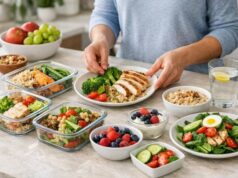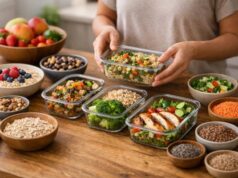
A vegan high-protein meal plan can absolutely support weight loss, but it works best when protein is distributed well across the day instead of piled into one meal. The challenge is not whether vegan fat loss is possible. It is whether your meals are structured enough to keep you full, hit a solid protein target, and stay realistic on busy days.
This 7-day plan is built around practical vegan staples like tofu, tempeh, edamame, lentils, beans, soy yogurt, seitan, and protein powder. It gives you a full week of balanced meals, snack ideas, prep guidance, and easy portion adjustments so you can use it as written or adapt it to your calorie needs.
Table of Contents
- How This Meal Plan Is Built
- Protein Targets That Make Sense
- Vegan Foods to Build Around
- 7-Day Vegan High-Protein Meal Plan
- How to Adjust Calories and Portions
- Nutrients to Watch on a Vegan Plan
- Mistakes That Make Results Harder
How This Meal Plan Is Built
This vegan high-protein meal plan is designed for weight loss, not just for checking a vegan box. That means each day aims to do four things well:
- keep calories controlled enough for fat loss
- provide enough protein to support fullness and muscle retention
- include enough fiber and food volume to reduce rebound hunger
- stay realistic enough to repeat beyond one week
Most days in this plan land roughly in the range many adults use for fat loss, but the exact calorie total depends on your brands, portion sizes, cooking methods, and add-ons. More important than the exact number is the structure: each day includes a protein-forward breakfast, lunch, dinner, and one planned snack so you are not drifting through the day on fruit, toast, and willpower.
A good vegan weight-loss plan has to solve two common problems at once. The first is low protein. The second is calorie creep from foods that are technically vegan but easy to overeat, such as granola, nut butter, chips, bakery snacks, coconut-based desserts, large smoothies, and restaurant-style grain bowls heavy on oil and light on protein. This plan leans away from that pattern and toward meals built around tofu, tempeh, edamame, soy products, legumes, seitan, and measured amounts of higher-calorie extras.
That is also why the meals are not built around endless salads. Weight loss usually goes better when meals feel complete. A bowl with tofu, rice, vegetables, and sauce can be more satisfying than a low-calorie lunch that leaves you hungry an hour later. The same goes for breakfast. Starting the day with 25 to 35 grams of protein will usually outperform a light breakfast that is mostly fruit or refined carbs.
If you are new to structured fat loss eating, it helps to think of this as a plant-based version of what to eat in a calorie deficit. The principles are the same: enough protein, enough fiber, manageable calories, and meals you can repeat without getting bored or burnt out.
This plan is also intentionally meal-prep friendly. Several lunches and dinners use overlapping ingredients so you can batch-cook grains, roasted vegetables, lentils, tofu, or chopped produce once and make the week easier. If you already like prepping on weekends, it pairs naturally with a simple one-hour meal prep routine rather than requiring a full Sunday in the kitchen.
Protein Targets That Make Sense
The word “high-protein” means different things to different people. For a vegan weight-loss plan, the most useful definition is not extreme protein intake. It is enough protein to make meals filling and to help preserve lean mass while you are in a calorie deficit.
For many adults trying to lose weight, a practical daily protein target is somewhere around 90 to 120 grams per day, though some people may need less and others more depending on body size, training, and total calorie intake. On a vegan diet, that usually works better when protein is spread across the day instead of saved for dinner.
A simple target looks like this:
- breakfast: 25 to 30 grams
- lunch: 25 to 35 grams
- dinner: 25 to 35 grams
- snack: 10 to 20 grams
That pattern helps because it improves fullness and makes vegan protein less of a nightly catch-up game. If you eat 8 grams at breakfast, 12 at lunch, and then try to cram the rest into dinner, the day often feels less satisfying and less consistent than it should. This is one reason it helps to understand both your likely daily protein intake target and how much protein per meal tends to work best for appetite control.
The meals in this article use a few reliable anchors:
- tofu and tempeh as main protein bases
- soy milk and soy yogurt instead of lower-protein plant milks when possible
- seitan where tolerated
- edamame, lentils, beans, and chickpeas to add protein plus fiber
- vegan protein powder as a convenience tool, not the whole strategy
- grains as support foods rather than the main protein source
This matters because many vegan eaters overestimate the protein contribution of foods like oats, peanut butter, quinoa, or bread. Those foods can absolutely fit a fat-loss diet, but they usually work best as supporting ingredients rather than the main event. A bowl of oats becomes much more effective when paired with soy milk and protein powder. A grain bowl becomes more useful for weight loss when tofu or tempeh is the anchor rather than rice alone.
The other useful point is that “high protein” should not push fiber out of the plan. One reason vegan diets can work well for fat loss is that they naturally make room for beans, produce, and whole-food volume. If you want this plan to keep hunger under control, protein and fiber need to work together rather than compete.
Vegan Foods to Build Around
The easiest way to make a vegan high-protein meal plan work is to build your shopping list around a short list of dependable staples. You do not need exotic superfoods. You need foods that are easy to prepare, easy to repeat, and strong enough nutritionally to carry real meals.
These are the most useful protein-focused vegan staples for weight loss:
- extra-firm tofu
- tempeh
- seitan
- shelled edamame
- lentils
- black beans, chickpeas, and white beans
- soy milk
- unsweetened or lightly sweetened soy yogurt
- pea or soy protein powder
- high-protein wraps
- frozen veggie burgers with solid protein
- dry roasted edamame or roasted chickpeas for controlled snacks
These are the best supporting foods to keep meals filling:
- oats
- berries, apples, bananas, oranges, and kiwi
- potatoes and sweet potatoes
- brown rice or jasmine rice in measured portions
- quinoa or barley
- mixed vegetables, broccoli, cauliflower, cabbage, zucchini, mushrooms, peppers, and spinach
- salsa, mustard, vinegar, low-sugar sauces, and spices
- chia or flax in moderate amounts
- avocado, nuts, seeds, and nut butter in measured portions rather than free-poured
A practical grocery pattern for this plan looks like:
| Category | Best staples | Why they help |
|---|---|---|
| Main proteins | Tofu, tempeh, seitan, edamame, lentils | High protein density with versatile meal uses |
| Convenience proteins | Soy yogurt, soy milk, protein powder, veggie burgers | Make busy breakfasts and snacks more practical |
| Carb bases | Oats, rice, potatoes, whole-grain wraps, quinoa | Support training energy and meal satisfaction |
| Fiber and volume | Vegetables, fruit, beans, soups, salads | Improve fullness without pushing calories too high |
| Flavor boosters | Salsa, soy sauce, garlic, ginger, curry paste, lemon, nutritional yeast | Keep repeat meals from getting boring |
If you struggle to know what belongs in the cart, it can help to compare this approach with a more general weight loss grocery list for beginners and then make it vegan by prioritizing soy foods, legumes, and higher-protein convenience items. If you want more examples of strong plant-forward staples, a lot of the same logic also overlaps with a whole-food plant-based approach for weight loss, even though this plan uses a few practical convenience foods to make protein easier.
The key insight is simple: vegan weight loss gets much easier when you buy food for structure instead of intention alone.
7-Day Vegan High-Protein Meal Plan
This 7-day vegan high-protein meal plan is built for repeatability. Protein counts are approximate and will vary by brand and portion, but each day is designed to land in a useful range for fat loss while keeping hunger manageable.
| Day | Approximate daily protein | Style of day |
|---|---|---|
| Day 1 | About 105 grams | Simple soy and tofu day |
| Day 2 | About 100 grams | Lentil and tempeh focus |
| Day 3 | About 110 grams | Seitan and edamame focus |
| Day 4 | About 95 grams | Higher-fiber comfort-food style |
| Day 5 | About 115 grams | Prep-friendly high-protein day |
| Day 6 | About 100 grams | Balanced weekend-style day |
| Day 7 | About 105 grams | Reset and repeat day |
Day 1
Breakfast: Protein oats made with soy milk, one scoop of vegan protein powder, frozen berries, chia seeds, and cinnamon.
Lunch: Tofu grain bowl with baked extra-firm tofu, rice, roasted broccoli, cucumber, carrots, and a light peanut-lime sauce.
Snack: Soy yogurt with sliced kiwi and a tablespoon of pumpkin seeds.
Dinner: Red lentil pasta with marinara, mushrooms, spinach, and vegan meatless crumbles or crumbled tofu.
This is a strong opening day because it starts with a high-protein breakfast and uses familiar flavors. It is especially good for people transitioning away from lower-protein vegan eating.
Day 2
Breakfast: Tofu scramble with spinach, mushrooms, peppers, nutritional yeast, and roasted potatoes.
Lunch: Lentil and vegetable soup with a side of edamame and a piece of fruit.
Snack: Roasted edamame or a protein shake with unsweetened soy milk.
Dinner: Tempeh stir-fry with cabbage, snap peas, carrots, and a measured serving of rice.
This day leans into fiber and volume. The lunch is lighter in feel but still filling because the lentils and edamame do real work.
Day 3
Breakfast: Smoothie with soy milk, protein powder, frozen berries, spinach, and half a banana, plus one slice of high-protein toast.
Lunch: Seitan wrap with shredded lettuce, tomato, pickles, mustard, and a crunchy slaw on the side.
Snack: Apple with measured peanut butter or soy yogurt with berries.
Dinner: Edamame noodle bowl with tofu, shelled edamame, stir-fried vegetables, and a ginger-garlic sauce.
This is one of the easiest high-protein days in the plan because seitan and edamame push protein up without forcing huge portions.
Day 4
Breakfast: Overnight oats with soy yogurt, soy milk, chia, blueberries, and hemp hearts.
Lunch: Chickpea and tofu chopped salad with cucumbers, tomatoes, romaine, red onion, and lemon-tahini dressing.
Snack: Protein pudding made by stirring vegan protein powder into soy yogurt.
Dinner: Black bean chili with extra crumbled tofu, cauliflower rice or a small baked potato, and steamed green beans.
This day is good when you want meals that feel hearty without needing much prep during the day. The chili also makes excellent leftovers.
Day 5
Breakfast: High-protein overnight oats with soy milk, protein powder, grated zucchini, cinnamon, and diced apple.
Lunch: Tempeh burrito bowl with black beans, fajita vegetables, salsa, lettuce, and a measured serving of rice.
Snack: Shelled edamame with sea salt and orange slices.
Dinner: Sheet-pan tofu with Brussels sprouts, carrots, and baby potatoes, served with a simple mustard sauce.
This is one of the most meal-prep-friendly days. If you batch-cook tofu, rice, and vegetables ahead of time, the lunch comes together in minutes.
Day 6
Breakfast: Tofu breakfast sandwich on an English muffin with tomato, spinach, and a side of berries.
Lunch: High-protein pasta salad with lentil or chickpea pasta, chopped vegetables, white beans, and a light vinaigrette.
Snack: Soy latte and a small protein bar or soy yogurt.
Dinner: Vegan burger plate using a higher-protein veggie burger, roasted potatoes, and a big side salad.
This day is designed to feel more flexible and weekend-friendly while still keeping protein high enough to stay on track.
Day 7
Breakfast: Warm oat and quinoa bowl with soy milk, cinnamon, protein powder, and strawberries.
Lunch: Tofu peanut slaw bowl with shredded cabbage, carrots, cucumber, edamame, herbs, and a light sauce.
Snack: Dry-roasted chickpeas and fruit.
Dinner: Lentil shepherd’s pie made with lentils, peas, carrots, mushrooms, and a cauliflower-potato topping.
Day 7 works well as a reset day because it uses comforting meals that still fit a fat-loss week. It is also a good day to prepare the next batch of staples and roll straight into another week.
If you want more meal variety after this first week, many of the same principles apply to building your own macro-based meal plan or using pieces of a broader 30-day high-protein, high-fiber plan to expand your rotation.
How to Adjust Calories and Portions
A good 7-day meal plan should not pretend everyone needs the same amount of food. The easiest way to use this plan is to keep the protein anchors fairly steady and adjust carbs and fats first.
To lower calories a bit:
- reduce rice, oats, potatoes, wraps, and pasta portions slightly
- use less oil, tahini, peanut sauce, nuts, seeds, and avocado
- keep fruit and vegetables generous instead of cutting them first
- keep protein portions strong so you do not end up hungry
To raise calories while keeping the plan balanced:
- add a little more rice, oats, potatoes, or beans
- include an extra snack
- increase tempeh, tofu, or edamame portions
- add a second piece of fruit or a larger breakfast
The biggest mistake people make here is cutting protein portions to shrink calories. That usually makes the plan weaker. If you need to reduce energy intake, it is usually smarter to trim calorie-dense fats and oversized carb portions first while keeping tofu, tempeh, seitan, soy yogurt, and legumes meaningful.
This is also where food tracking can help temporarily. You do not need to track forever, but checking a few days can show you whether your “high-protein” vegan plan actually is high in protein or whether calories are coming mostly from oils, sauces, and snack foods. If you need help deciding what calorie range makes sense, it may help to review how many calories to eat to lose weight or compare the plan against your current maintenance intake.
You can also use simple swap rules:
- swap tempeh for tofu when you want slightly more protein and density
- swap rice for cauliflower rice or extra vegetables when you need a lighter meal
- swap chickpea pasta for regular pasta when you want more protein
- swap soy yogurt for coconut yogurt when protein matters more than taste preference
- swap fruit and soy yogurt for dessert when nighttime calories keep creeping up
The plan works best when you think in templates, not perfection. Once you know how to build a breakfast around soy milk, oats, and protein powder or a dinner around tofu, vegetables, and a measured carb, you can keep the structure while rotating flavors.
Nutrients to Watch on a Vegan Plan
A vegan high-protein meal plan can be nutritionally strong, but only if you pay attention to a few nutrients that deserve more planning than they usually get in omnivorous diets.
The biggest one is vitamin B12. This is the non-negotiable nutrient on a vegan plan. Do not assume nutritional yeast or “mostly plant-based” habits are enough. Use a reliable supplement or fortified foods as part of a deliberate routine.
Next is calcium. This is easier when you use calcium-fortified soy milk and soy yogurt regularly and include foods like calcium-set tofu, greens, beans, and fortified products. If your vegan plan leans heavily on almond milk with almost no soy foods or fortified items, calcium gets harder fast.
Then there is iron. Plant-based iron can absolutely fit a healthy diet, but your overall pattern matters. Lentils, beans, tofu, tempeh, pumpkin seeds, fortified cereals, and leafy greens help, and vitamin C-rich foods can support absorption. Pairing iron-rich meals with fruit, peppers, tomatoes, or citrus is a practical move, not nutrition trivia.
Other nutrients worth watching include:
- iodine
- omega-3 fats
- vitamin D
- zinc
- selenium
This is one reason vegan fat loss should not become ultra-restrictive. When calories get too low, or the food list gets too narrow, it becomes much easier to miss both protein and key micronutrients. A better strategy is to keep the plan varied, use fortified foods strategically, and include a mix of soy foods, legumes, whole grains, produce, seeds, and targeted supplements where appropriate.
Fiber is the nutrient that usually looks good on paper in vegan diets, but even here quality matters. Getting enough fiber helps fullness, digestion, and appetite control, but giant jumps in fiber can make the first week uncomfortable. If you are coming from a lower-fiber diet, increase gradually and stay on top of fluids. A good practical benchmark is to let this plan overlap with the basics of daily fiber targets and easy food swaps rather than assuming “vegan” automatically means optimal fiber.
The bottom line is that vegan weight loss should be high in intention, not just high in ideals.
Mistakes That Make Results Harder
A lot of vegan weight-loss frustration comes from a handful of repeat mistakes. The most common is assuming “plant-based” automatically means lower calorie. It does not. Trail mix, nut butter, granola, coconut products, bakery snacks, fries, refined breads, vegan desserts, and oily restaurant bowls can push calories up very quickly while keeping protein too low.
Another common mistake is relying too heavily on carbs that happen to contain a little protein and calling the day high protein. Oats, quinoa, bread, pasta, and peanut butter can all fit a weight-loss plan, but they are usually not enough on their own to create the kind of protein distribution that helps with fullness and muscle retention.
The next mistake is going too clean to be consistent. Some people build a vegan fat-loss plan that looks perfect on paper but is almost impossible to live with. Every meal is from scratch, every snack is virtuous, and there is no room for convenience. That usually falls apart by midweek. A better plan uses a few strategic shortcuts like soy yogurt, protein powder, frozen edamame, pre-cooked lentils, or simple veggie burgers.
Other mistakes include:
- using tiny protein portions and huge grain portions
- skipping breakfast and then overeating later
- drinking smoothies that are low in protein and high in calories
- forgetting sauces, oils, and dressings still count
- eating too little during the day and getting pulled into nighttime snacking
- ignoring hunger signals until cravings explode
This is also where vegan plans can drift into the same traps described in common diet mistakes that stall weight loss. The labels change, but the pattern is familiar: too little protein, too many easy extras, poor meal structure, and a cycle of “being good” followed by overeating.
The easiest fix is usually not to diet harder. It is to make the meals stronger. Bigger protein anchors, better snack planning, more volume from produce, and fewer liquid or mindless calories can change a lot without making the week feel punishing.
If this 7-day plan feels good, the best next step is not to hunt for a more extreme version. It is to repeat the meals you liked, rotate in a few new ones, and keep the same structure long enough for it to become normal.
References
- Vegetarian Dietary Patterns for Adults: A Position Paper of the Academy of Nutrition and Dietetics 2025 (Position Paper)
- Update of the DGE position on vegan diet – Position statement of the German Nutrition Society (DGE) 2024 (Position Statement)
- Achieving High Protein Quality Is a Challenge in Vegan Diets: A Narrative Review 2025 (Review)
- Protein, fiber, and exercise: a narrative review of their roles in weight management and cardiometabolic health 2025 (Review)
- Vegan diet: nutritional components, implementation, and effects on adults’ health 2023 (Review)
Disclaimer
This article is for general educational purposes only. A vegan weight-loss plan can affect calorie intake, protein adequacy, digestion, and nutrient status differently depending on your health history, medications, and life stage, so it is not a substitute for personalized advice from a qualified clinician or registered dietitian.
If this meal plan was useful, please share it on Facebook, X, or your preferred platform so others can find a vegan high-protein approach to weight loss that is realistic enough to follow.