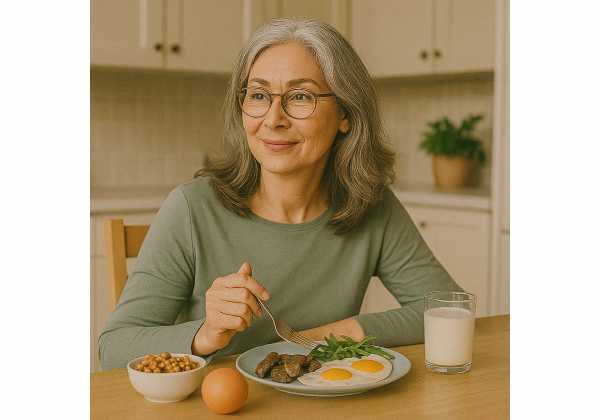
Choline helps the adult brain keep its communication system, cell membranes, and methylation pathways working well. It is not a “brain booster” in the quick-fix sense. It is a basic nutrient that supports acetylcholine, a neurotransmitter involved in memory, attention, learning, and muscle control. It also helps move fat out of the liver and works with folate, vitamin B12, and betaine in one-carbon metabolism, a network that matters for healthy aging.
Eggs and liver get attention because they deliver a large amount of choline in a small serving. They are not the only choices. Fish, poultry, lean meats, soybeans, beans, potatoes, wheat germ, quinoa, milk, cruciferous vegetables, nuts, and seeds all add useful amounts. The most reliable plan uses a few choline-rich anchor foods each week, then lets everyday meals fill in the rest.
Table of Contents
- Why Choline Matters for the Aging Brain
- How Much Choline Adults Need
- Best Choline Rich Foods
- Eggs for Choline Without Overthinking Cholesterol
- Liver and Organ Meats: Powerful but Easy to Overdo
- Plant-Forward and Low-Egg Ways to Raise Choline
- Building Choline Into a Longevity Pattern
- Safety and Special Situations
- Sample Days and Shopping List
Why Choline Matters for the Aging Brain
Choline supports cognitive longevity through several ordinary but important jobs. The brain uses choline to make acetylcholine, a chemical messenger involved in memory, focus, and learning. Nerve cells also need choline-containing phospholipids to maintain flexible, functional cell membranes. Those membranes influence how cells send signals, repair themselves, and respond to stress.
Choline also contributes methyl groups, which are small chemical units used in DNA regulation, liver fat handling, and homocysteine metabolism. Homocysteine is an amino acid that rises when methylation pathways lack enough support from nutrients such as folate, vitamin B12, vitamin B6, betaine, and choline. People tracking brain and vascular aging often review B12, folate, and homocysteine together rather than treating choline as an isolated nutrient.
The evidence for choline and cognition is promising but not settled. Observational studies link moderate choline intake with better cognitive performance or lower risk of cognitive impairment in some groups. These studies do not prove that choline alone prevents dementia. People who eat more choline from whole foods often differ in many other ways: protein intake, fish intake, education, physical activity, metabolic health, and overall dietary quality.
That nuance matters. Choline belongs in the same conversation as sleep, blood pressure, glucose control, movement, hearing, social connection, and broader cognitive aging and dementia risk. It is a nutrition lever, not a stand-alone shield.
The strongest food-based approach looks simple: cover choline needs while building meals around protein, colorful plants, fiber, healthy fats, and minimally processed foods. Eggs, fish, soy foods, legumes, cruciferous vegetables, and occasional liver all fit that pattern when chosen with personal health needs in mind.
How Much Choline Adults Need
Adults need hundreds of milligrams of choline per day, but the target is an Adequate Intake, not a classic Recommended Dietary Allowance. An Adequate Intake is used when researchers do not have enough evidence to set a more precise requirement for nearly all healthy people.
For adults age 19 and older, the Adequate Intake is:
- 550 mg per day for men
- 425 mg per day for women
- 450 mg per day during pregnancy
- 550 mg per day during lactation
The Daily Value used on U.S. food labels is 550 mg. Most food labels do not list choline unless it has been added, so people often underestimate how much they get from food.
Many adults fall short of the Adequate Intake, especially when they avoid eggs, seafood, meat, and soy. Falling short of the AI does not automatically mean a person is deficient. The body makes some choline in the liver, and needs vary by genetics, estrogen status, pregnancy, lactation, folate intake, methionine intake, and overall diet. Still, regularly eating very little choline leaves less margin for the liver, nervous system, and methylation pathways.
The adult upper limit is 3,500 mg per day from food and supplements combined. It is hard to reach that level from ordinary meals. It becomes more relevant with high-dose choline powders, concentrated supplements, or unusual eating patterns that stack many high-choline foods every day.
A useful food-first range for many adults is roughly 300–600 mg per day from meals, with higher needs during pregnancy and lactation. That range is not a prescription. It is a practical planning zone: one egg supplies about 147 mg, a 3-ounce serving of pan-fried beef liver supplies about 356 mg, and a half-cup of roasted soybeans supplies about 107 mg.
Best Choline Rich Foods
Choline appears in both animal and plant foods, but the density differs a lot. Egg yolks and liver are concentrated sources. Meat, poultry, fish, dairy, soy foods, beans, grains, and vegetables supply smaller amounts that add up across the day.
| Food | Typical serving | Approximate choline | How to use it well |
|---|---|---|---|
| Beef liver, pan-fried | 3 ounces | 356 mg | Use occasionally; pair with vegetables and whole grains. |
| Egg, hard-boiled | 1 large | 147 mg | Keep the yolk; most choline is there. |
| Beef top round, braised | 3 ounces | 117 mg | Choose lean cuts and keep portions moderate. |
| Soybeans, roasted | ½ cup | 107 mg | Add to bowls, salads, or snack mixes. |
| Chicken breast, roasted | 3 ounces | 72 mg | Use as a protein base with vegetables and beans. |
| Cod, cooked | 3 ounces | 71 mg | Rotate with other fish and seafood. |
| Red potato, baked with skin | 1 large | 57 mg | Cool leftovers for resistant starch; reheat gently. |
| Wheat germ, toasted | 1 ounce | 51 mg | Stir into yogurt, oats, or smoothies. |
| Kidney beans, canned | ½ cup | 45 mg | Rinse, then add to soups, chili, and grain bowls. |
| Quinoa, cooked | 1 cup | 43 mg | Use as a higher-protein grain base. |
| Milk, 1% fat | 1 cup | 43 mg | Use in oats, smoothies, or alongside meals. |
| Brussels sprouts, boiled | ½ cup | 32 mg | Roast or steam; add olive oil and lemon. |
| Broccoli, cooked | ½ cup | 31 mg | Build into lunches and dinners often. |
Food variety solves two problems at once. First, it prevents choline from becoming an “egg-only” or “liver-only” discussion. Second, it brings along nutrients that work beside choline: omega-3 fats from fish, folate from beans and greens, B12 from animal foods, potassium from potatoes and beans, and polyphenols from vegetables, coffee, tea, cocoa, berries, herbs, and spices.
A day with two eggs, a serving of fish or chicken, beans, potatoes, and broccoli reaches a meaningful choline intake without supplements. A plant-forward day with soybeans, quinoa, kidney beans, wheat germ, milk or fortified soy milk, and cruciferous vegetables also moves intake up, though it requires more planning.
Eggs for Choline Without Overthinking Cholesterol
Eggs are the easiest high-choline food for most people. One large hard-boiled egg supplies about 147 mg of choline, mostly in the yolk. Egg whites provide protein but very little choline, so an egg-white-only breakfast does not serve the same purpose.
For healthy adults, one egg a day often fits within a nutrient-dense dietary pattern. The surrounding plate matters. Eggs with spinach, mushrooms, tomatoes, beans, avocado, fruit, oats, or whole-grain toast create a different cardiometabolic picture than eggs with bacon, sausage, refined toast, and fried potatoes every morning.
People with high LDL cholesterol, established cardiovascular disease, diabetes, familial hypercholesterolemia, or a strong family history of early heart disease should personalize egg intake with their clinician. Food choices that affect LDL cholesterol deserve special attention alongside dietary strategies for blood lipids, saturated fat intake, fiber intake, body composition, thyroid status, medications, and genetics.
Practical egg patterns include:
- Daily light pattern: 1 whole egg plus extra egg whites, vegetables, and whole grains.
- Moderate weekly pattern: 4–7 whole eggs per week, with fish, beans, tofu, poultry, and yogurt filling other meals.
- Lower-cholesterol pattern: 2–4 yolks per week, plus soy, fish, beans, wheat germ, and cruciferous vegetables for additional choline.
- Higher-protein pattern: 1 whole egg with Greek yogurt, cottage cheese, tofu, or lean poultry to improve protein distribution.
Cooking method also matters. Poached, boiled, scrambled over low heat, baked into vegetable frittatas, or folded into a bean-and-greens breakfast bowl all work well. Repeated high-heat frying with processed meats turns a useful food into a less helpful meal pattern.
Eggs pair especially well with plant foods that bring fiber and polyphenols. A two-egg omelet with mushrooms, onions, spinach, and a side of berries delivers choline, protein, potassium, carotenoids, and polyphenols in one meal. That combination fits naturally with Mediterranean and MIND-style brain eating.
Liver and Organ Meats: Powerful but Easy to Overdo
Liver is the most concentrated common food source of choline. A 3-ounce serving of pan-fried beef liver supplies about 356 mg, enough to cover a large share of the day’s target. Chicken liver is also rich in choline. Organ meats also provide vitamin B12, iron, copper, selenium, riboflavin, and preformed vitamin A.
That density is the reason to use liver carefully. More is not better. Beef liver is extremely high in preformed vitamin A, and frequent large servings raise the risk of excessive intake, especially when a person also takes a multivitamin, cod liver oil, or retinol-based supplements. Pregnant people should be particularly cautious with liver because high preformed vitamin A intake is unsafe during pregnancy.
A reasonable pattern for many adults who enjoy liver is 1–3 ounces once weekly or a few times per month, not large portions several days per week. Smaller portions also make liver easier to fit into modern meals:
- Add 1 ounce of finely chopped cooked liver into bean chili.
- Blend a small amount into meatballs or turkey burgers.
- Serve liver pâté thinly spread on whole-grain toast with pickled onions and greens.
- Pair liver with lentils, roasted carrots, cabbage, or bitter greens to balance the richness.
- Choose chicken liver for a milder taste and smaller portions.
People with hemochromatosis, high iron stores, gout concerns, chronic kidney disease, pregnancy, or a history of vitamin A excess should talk with a clinician before making liver a routine food. Anyone tracking ferritin or iron status should interpret liver intake in the wider context of iron and ferritin patterns rather than assuming organ meats are automatically beneficial.
Liver is a useful tool, not a daily requirement. Eggs, fish, soybeans, poultry, beans, and vegetables build a safer long-term base for most people.
Plant-Forward and Low-Egg Ways to Raise Choline
Plant-forward eaters get choline by stacking moderate sources. No single plant food behaves like an egg yolk or liver, but the daily total rises when meals include soy, beans, whole grains, potatoes, cruciferous vegetables, nuts, and seeds.
Soybeans stand out. A half-cup of roasted soybeans supplies about 107 mg of choline. Edamame, tofu, tempeh, and soy milk vary by product, but they belong on the short list for people who eat few animal foods. Soy foods also add protein, which supports muscle maintenance during aging. Anyone building more plant protein into meals can align choline planning with tofu, tempeh, and legumes.
Beans and grains help most when they appear daily. A lunch bowl with quinoa, kidney beans, broccoli, pumpkin seeds, olive oil, and herbs supplies modest choline from several directions. Add roasted soybeans or tofu, and the total improves further. Wheat germ is a compact option: one ounce gives about 51 mg and works in oatmeal, yogurt, smoothies, or homemade energy bites.
Cruciferous vegetables deserve more credit than they usually get. Brussels sprouts, broccoli, cauliflower, and cabbage do not match eggs for choline, but they bring fiber, vitamin C, folate, glucosinolates, and bulk. They also pair well with higher-choline proteins. A plate with salmon or cod, potatoes, and broccoli gives a better longevity return than a protein food alone. For broader meal planning, choline-rich plants work well with high-fiber food targets.
A plant-forward choline pattern often looks like this:
- Breakfast: oats with soy milk, wheat germ, walnuts, and berries.
- Lunch: quinoa, tofu or edamame, kidney beans, broccoli, olive oil, and herbs.
- Snack: roasted soybeans or peanuts with fruit.
- Dinner: lentil soup with potatoes, cabbage, mushrooms, and whole-grain bread.
Strict vegans, people with low appetite, and adults who eat very small portions sometimes struggle to reach higher choline targets from food alone. In those cases, a dietitian can review meal structure, fortified foods, and supplement options without turning choline into guesswork.
Building Choline Into a Longevity Pattern
Choline works best as part of a complete eating pattern. The brain benefits from vascular health, glucose stability, sleep quality, hearing support, physical activity, and steady nutrient intake. Food choices that support those systems usually overlap: protein at each meal, legumes, vegetables, fruit, whole grains, olive oil, nuts, seeds, fish, fermented foods, and fewer refined starches and processed meats.
A choline-smart plate has three parts:
- A choline anchor. Choose eggs, fish, poultry, lean meat, soybeans, tofu, beans, milk, yogurt, or occasional liver.
- A plant base. Add vegetables, beans, potatoes, fruit, oats, barley, quinoa, or whole grains.
- A longevity fat. Use olive oil, nuts, seeds, avocado, or fatty fish.
This framework prevents a common mistake: chasing choline while ignoring the rest of the meal. A person can hit a choline target with eggs and liver but still miss fiber, potassium, magnesium, omega-3 fats, and polyphenols. Another person can eat a beautiful plant-rich diet but get very little choline if meals lack soy, eggs, fish, dairy, or enough legumes and grains.
Choline also pairs with omega-3 fats in practical meal planning. Fish provides choline and long-chain omega-3s, while eggs from hens fed omega-3-rich diets contain variable amounts of omega-3 fat depending on the product. For most people, fatty fish and seafood remain more reliable sources of EPA and DHA. A weekly pattern that includes eggs, fish, legumes, soy foods, and plenty of vegetables supports both choline intake and omega-3 intake from food.
Protein timing matters too. Adults in midlife and later life often do better with protein distributed across meals instead of saved for dinner. Eggs at breakfast, beans or tofu at lunch, and fish or poultry at dinner help maintain muscle while improving choline intake. That approach aligns well with daily protein and per-meal protein targets for healthy aging.
Safety and Special Situations
Food-based choline is safe for most adults when eaten as part of a varied diet. The main cautions involve concentrated supplements, heavy liver intake, pregnancy, certain medical conditions, and individual lipid response.
High choline intake from supplements can cause fishy body odor, nausea, vomiting, sweating, salivation, low blood pressure, and liver-related concerns. It can also increase production of trimethylamine N-oxide, often shortened to TMAO, through gut microbial metabolism. TMAO research is complex, and food context matters, but high-dose supplementation deserves more caution than ordinary choline from eggs, fish, beans, and vegetables.
Choline supplements come in several forms, including choline bitartrate, phosphatidylcholine, lecithin, alpha-GPC, and citicoline. They are not interchangeable with food. Alpha-GPC and citicoline are often marketed for cognition, but they belong in a separate discussion from eating eggs, fish, soybeans, and liver. People considering supplement forms should review evidence, medication use, blood pressure, sleep, mood, and cardiovascular risk with a qualified professional. A deeper look at choline and citicoline supplements belongs outside the basic food conversation.
Special situations deserve extra care:
- Pregnancy and lactation: Choline needs rise, but liver intake needs caution because of preformed vitamin A.
- Vegan diets: Plan soy, legumes, grains, cruciferous vegetables, nuts, seeds, and possibly a supplement with professional guidance.
- High LDL cholesterol or heart disease: Personalize egg intake and focus on the whole pattern, especially saturated fat, soluble fiber, and overall calorie balance.
- Fatty liver risk: Choline supports liver fat handling, but alcohol, excess calories, insulin resistance, and body composition also matter.
- High ferritin or iron overload: Avoid making liver a routine food without medical guidance.
- Kidney disease: Protein, phosphorus, potassium, and supplement choices need individualized advice.
- Fish allergy or egg allergy: Use soy, legumes, meats if tolerated, dairy if tolerated, and professional guidance for gaps.
There is no standard home test that neatly tells a person whether their choline intake is perfect. A better approach is to review the actual weekly food pattern, then consider related markers with a clinician when relevant: liver enzymes, lipids, glucose markers, B12, folate, homocysteine, kidney function, and iron studies.
Sample Days and Shopping List
A choline-rich diet does not require a calculator at every meal. A few reliable patterns cover most needs.
Sample day with eggs and fish
Breakfast: two eggs scrambled with spinach, mushrooms, onions, and tomatoes, served with oats or whole-grain toast.
Lunch: lentil and quinoa bowl with broccoli, olive oil, lemon, herbs, and pumpkin seeds.
Snack: Greek yogurt or milk with berries.
Dinner: cod or salmon with a baked red potato, Brussels sprouts, cabbage slaw, and olive oil.
This day uses eggs as the main choline anchor, then adds fish, legumes, grains, dairy, potatoes, and cruciferous vegetables.
Sample day with less egg
Breakfast: one whole egg plus egg whites with vegetables and avocado.
Lunch: chicken breast salad with kidney beans, roasted potatoes, greens, olive oil, and vinegar.
Snack: wheat germ stirred into yogurt, or peanuts with fruit.
Dinner: tofu and edamame stir-fry with broccoli, mushrooms, brown rice, and sesame.
This pattern keeps yolks moderate while using poultry, soy, beans, grains, and vegetables to raise the total.
Sample plant-forward day
Breakfast: oats made with fortified soy milk, wheat germ, chia seeds, walnuts, and blueberries.
Lunch: quinoa bowl with roasted soybeans, kidney beans, cauliflower, greens, olive oil, and tahini.
Snack: edamame or roasted chickpeas.
Dinner: tempeh with red potatoes, Brussels sprouts, mushrooms, cabbage, herbs, and a citrus dressing.
This day works harder for choline because plant foods are less concentrated, but it also delivers fiber, minerals, and polyphenols.
Shopping list for choline-rich meals
Keep a short list of dependable options rather than buying every choline source at once:
- Eggs
- Cod, salmon, sardines, trout, or tuna
- Chicken breast or lean turkey
- Tofu, tempeh, edamame, roasted soybeans, or soy milk
- Kidney beans, chickpeas, lentils, and black beans
- Quinoa, oats, brown rice, whole-grain bread, and wheat germ
- Red potatoes and sweet potatoes
- Brussels sprouts, broccoli, cauliflower, cabbage, spinach, and mushrooms
- Milk, yogurt, or cottage cheese if tolerated
- Peanuts, sunflower seeds, walnuts, chia seeds, and pumpkin seeds
- Optional occasional liver, in small portions
The easiest weekly rhythm is simple: eggs several times per week, fish once or twice, legumes most days, soy foods if they fit your diet, cruciferous vegetables often, and liver only occasionally if you enjoy it and have no reason to avoid it. That rhythm covers choline without making one nutrient dominate the plate.
References
- Choline – Health Professional Fact Sheet 2022 (Fact Sheet)
- Dietary Choline Intake Is Beneficial for Cognitive Function and Delays Cognitive Decline: A 22-Year Large-Scale Prospective Cohort Study from China Health and Nutrition Survey 2024 (Prospective Cohort Study)
- Association of dietary choline intake with incidence of dementia, Alzheimer disease, and mild cognitive impairment: a large population-based prospective cohort study 2025 (Prospective Cohort Study)
- Dietary choline and betaine intake minimally impacts rate of annualized cognitive performance throughout the menopause transition: data from the Study of Women’s Health Across the Nation 2024 (Prospective Cohort Study)
- Eggs and Cardiovascular Disease Risk: An Update of Recent Evidence 2023 (Review)
- Vitamin A and Carotenoids – Health Professional Fact Sheet 2025 (Fact Sheet)
Disclaimer
This article is educational and does not replace care from a qualified health professional. Choline needs, egg intake, liver intake, and supplement choices should be personalized for pregnancy, cardiovascular disease, kidney disease, liver disease, iron overload, food allergies, and medication use.