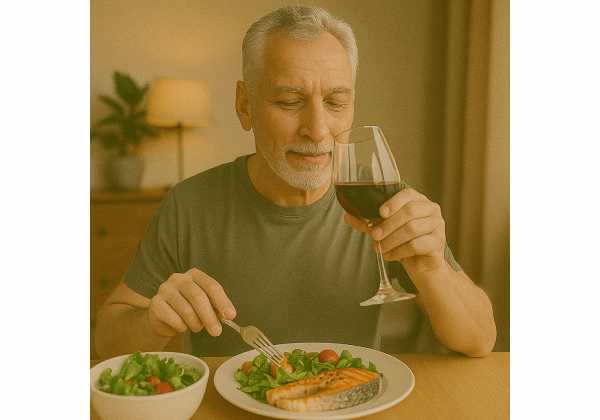
Alcohol sits in an awkward place in longevity nutrition. It is part of meals, celebrations, and culture, yet it is also a toxic, psychoactive substance with measurable effects on sleep, blood pressure, cancer risk, liver health, judgment, and recovery. Newer evidence has made the old “a little wine is good for you” message harder to defend as simple advice. Some studies still find lower heart disease or all-cause mortality among moderate drinkers, but better-designed reviews show that part of that apparent benefit comes from comparison problems, lifestyle differences, and the health status of abstainers. Cancer and blood pressure findings point in a clearer direction: less alcohol lowers risk. For a longevity-focused plate, alcohol deserves a different role. It should not be treated as a health food, a polyphenol strategy, or a daily ritual required for heart health. It is an optional exposure to limit, plan, and replace wisely when needed.
Table of Contents
- Why the Alcohol Story Changed
- What Counts as a Drink
- How Alcohol Acts in the Body
- Cancer, Blood Pressure, and Sleep
- Wine, Food, and the Mediterranean Misunderstanding
- Who Benefits Most from Cutting Back
- How to Build a Lower-Alcohol Plate
- Practical Rules for Real Life
Why the Alcohol Story Changed
The old alcohol story was built around a J-shaped curve: abstainers seemed to have higher risk, moderate drinkers seemed to have lower risk, and heavy drinkers had clearly higher risk. That pattern appeared often in observational research, especially for cardiovascular outcomes. It helped create the familiar message that one drink with dinner might protect the heart.
Newer evidence has not erased every J-shaped finding, but it has made the interpretation less comfortable. Alcohol studies are difficult because people do not get randomly assigned to drink or abstain for decades. Researchers have to compare people who choose different drinking patterns, and those groups often differ in income, diet, activity, smoking, social connection, body weight, medical history, and access to care.
One major problem is the “sick quitter” effect. Some people stop drinking because they developed illness, changed medications, had liver problems, or previously drank heavily. When former drinkers are grouped with lifetime abstainers, the abstainer group looks less healthy, making moderate drinkers look better than they really are.
Another problem is the “healthy moderate drinker” profile. A person who drinks one glass of wine with a home-cooked dinner, walks daily, eats fish and vegetables, avoids smoking, and has strong social ties is not benefiting from wine alone. The whole lifestyle pattern matters.
The newer picture is more precise:
- Heavy drinking is harmful for longevity.
- Binge drinking is harmful even when weekly totals look moderate.
- Low-volume drinking does not reliably improve all-cause mortality when better comparison groups are used.
- Moderate drinking still shows some favorable associations in certain cardiovascular analyses, but those findings are not strong enough to recommend alcohol for prevention.
- Cancer risk rises with alcohol, and no alcoholic beverage avoids that biology.
- Blood pressure risk rises with dose, with concern appearing even around roughly one standard drink per day in some analyses.
This does not mean every adult who drinks occasionally needs to panic. It means alcohol should move from the “maybe healthy” column to the “use sparingly, if at all” column. For longevity nutrition, that shift matters because daily habits compound. A nightly drink that disrupts sleep, raises blood pressure, adds calories, and displaces protein or fiber has a very different meaning than one drink at a monthly celebration.
What Counts as a Drink
Alcohol advice becomes confusing because “a drink” means different things in different glasses. A standard U.S. drink contains about 14 grams of pure alcohol. That usually equals 12 oz beer at 5% alcohol, 5 oz wine at 12%, or 1.5 oz spirits at 40% alcohol. Strong craft beer, generous wine pours, cocktails, and mixed drinks often contain more than one standard drink.
The body responds to ethanol dose, not to the elegance of the glass. A large wine pour can equal two drinks. A double cocktail can equal two or more before sweeteners, syrups, and mixers enter the picture. A “moderate” social evening can become four standard drinks without looking extreme on the table.
| Drink type | Typical serving | Approximate alcohol | Longevity note |
|---|---|---|---|
| Regular beer | 12 oz at 5% | 1 standard drink | Calories rise quickly with higher-alcohol craft styles. |
| Wine | 5 oz at 12% | 1 standard drink | Restaurant and home pours often exceed 5 oz. |
| Spirits | 1.5 oz at 40% | 1 standard drink | Mixers can add sugar and extra calories. |
| Strong beer | 16 oz at 8% | About 2 standard drinks | One can may count as two drinks. |
| Large cocktail | Variable | Often 2+ standard drinks | Alcohol content is easy to underestimate. |
Alcohol also brings energy. Pure alcohol provides 7 calories per gram, so the ethanol in one standard drink adds about 98 calories before beer carbohydrates, wine sugars, cocktail syrups, cream, juice, or bar snacks. Two nightly drinks can add 1,400 or more calories per week. That is not automatically weight gain, but it often crowds out food that supports muscle, gut health, and cardiometabolic stability.
A longevity plate usually has jobs to do: deliver enough protein, provide colorful plants, support stable glucose, supply minerals, and leave room for satisfying fats. Alcohol does none of those jobs well. When it appears often, it should be counted honestly as an extra, not as a serving of fruit, a sleep aid, or a heart supplement.
How Alcohol Acts in the Body
Alcohol affects longevity through several routes at once. The first is acetaldehyde, a toxic breakdown product formed when the body metabolizes ethanol. Acetaldehyde can damage DNA and proteins before it is further broken down. This mechanism helps explain why alcohol is linked to several cancers, especially tissues that come into direct contact with alcohol and acetaldehyde.
The second route is oxidative stress and inflammation. Alcohol metabolism shifts liver chemistry, increases reactive oxygen species, and can worsen fatty liver in susceptible people. The liver prioritizes alcohol metabolism because ethanol is treated as a toxin. During that time, fat oxidation slows, triglyceride handling changes, and late-night drinking can worsen next-day appetite and food choices.
The third route is hormone signaling. Alcohol can influence estrogen pathways, which helps explain part of the breast cancer concern. It also affects stress hormones, sleep architecture, and overnight heart rate. Many people experience alcohol as relaxing in the first hour, but the second half of the night tells a different story: more awakenings, less restorative sleep, higher heart rate, and lower heart rate variability.
The fourth route is behavior. Alcohol lowers inhibition. It changes portion decisions, snack choices, driving judgment, fall risk, medication safety, conflict risk, and consistency with training. In longevity work, behavior is biology repeated over time. A drink that repeatedly leads to salty snacks, poor sleep, skipped workouts, or reflux has a larger effect than the alcohol grams alone suggest.
Food quality can soften some short-term effects but cannot cancel ethanol biology. Eating before drinking slows absorption and reduces the sharpness of intoxication. Protein, fiber, and fat help stabilize the meal. Hydration helps the next morning. None of these turns alcohol into a protective nutrient.
This is why the plate matters. A dinner built around fish, beans, vegetables, olive oil, yogurt, berries, and whole grains still supports healthy aging. Adding alcohol does not make it better. Removing alcohol does not make the meal less Mediterranean, less social, or less adult. A plate rich in plants and healthy fats already supplies the polyphenols and lipid-supportive nutrients people often credit to wine. For a deeper food-first approach, polyphenol-rich foods offer a safer path than using alcohol as the delivery system.
Cancer, Blood Pressure, and Sleep
Cancer is the clearest reason alcohol has lost its “healthy in moderation” glow. Alcohol is causally linked to several cancer types, including cancers of the mouth, throat, larynx, esophagus, liver, colorectum, and breast. Risk generally rises as intake rises. For breast cancer, evidence shows measurable concern even at low-to-moderate intake, which matters because breast cancer is common and many drinkers are unaware of the link.
The practical message is direct: drinking less is better for cancer prevention. Not drinking is best for cancer risk reduction. That statement can sound blunt, but it is easier to use than the old message that balanced possible heart benefits against cancer harms. Most adults do not need alcohol to lower heart risk; they have better tools, including blood pressure control, ApoB or non-HDL cholesterol management, exercise, sleep, smoking avoidance, and a strong dietary pattern.
Blood pressure is the second major issue. Alcohol can raise blood pressure through sympathetic nervous system activation, vascular effects, sleep disruption, and changes in fluid and hormone regulation. The effect is dose-related. Some analyses find concern above about 12 grams per day, which is close to one standard U.S. drink. People with high-normal blood pressure, hypertension, atrial fibrillation risk, kidney concerns, or a strong family history should take this seriously. Food strategies for blood-pressure-supportive eating become harder to execute when alcohol is frequent, especially alongside salty restaurant meals.
Sleep is the third issue because sleep connects alcohol to appetite, glucose, recovery, mood, and cognition. Alcohol may shorten the time it takes to fall asleep, but it worsens sleep quality later in the night. It can aggravate snoring, reflux, hot flashes, night sweats, and sleep apnea. It also makes late-night eating more likely. A person who drinks to “wind down” may wake up less restored and then lean on caffeine, sugar, or larger portions the next day.
Alcohol also interacts with glucose regulation. Sweet cocktails raise glucose directly, but even dry wine can affect overnight metabolism by disrupting sleep and liver glucose handling. For people tracking food habits that flatten glucose spikes, alcohol often creates confusing patterns: lower glucose at first in some people, then worse sleep, higher next-day cravings, and less stable appetite.
Wine, Food, and the Mediterranean Misunderstanding
Wine has benefited from its association with Mediterranean diets. The misunderstanding is to isolate wine from the rest of the pattern. Traditional Mediterranean-style meals contain vegetables, legumes, whole grains, fruit, fish, herbs, nuts, olive oil, and long social meals eaten with less ultra-processed food. Those foods deserve far more credit than wine.
Red wine contains polyphenols, including resveratrol, but the dose in normal wine servings is small. To chase resveratrol through wine would require alcohol exposure that clearly overwhelms any theoretical benefit. Grapes, berries, cocoa, tea, coffee, herbs, spices, and extra-virgin olive oil provide polyphenols without ethanol. High-polyphenol olive oil is a better daily habit than a nightly glass of red wine.
The Mediterranean lesson is not “drink wine every day.” It is “build meals from minimally processed plants, seafood, legumes, olive oil, and shared routines.” If alcohol appears, it is best kept with food, in small amounts, without bingeing, and not used as a nightly stress tool.
A better longevity interpretation looks like this:
- Keep the Mediterranean plate.
- Keep the social meal.
- Keep herbs, acidity, aroma, and pleasure.
- Replace the automatic wine pour with sparkling water, unsweetened iced tea, a citrus spritz, herbal tea, or a true alcohol-free option when desired.
- Treat wine as optional, not foundational.
This distinction matters because many people make a trade that looks Mediterranean but is not. They keep the wine and lose the beans, greens, fish, long walk, and early bedtime. That is backwards. If the plate already includes Mediterranean-style eating, alcohol is the least necessary part of the pattern.
The same applies to “French paradox” thinking. Population patterns do not prove that alcohol protects an individual. They reflect many interacting factors, including meal structure, portion sizes, smoking trends, health care, movement, socioeconomic differences, and reporting methods. Longevity nutrition works better when it focuses on repeatable levers with strong risk-to-benefit ratios. Vegetables, legumes, protein adequacy, unsaturated fats, and physical activity have that profile. Alcohol does not.
Who Benefits Most from Cutting Back
Some people gain especially large benefits from reducing or avoiding alcohol. The first group is anyone who does not currently drink. Starting alcohol for longevity is not justified. There are safer ways to support heart, brain, metabolic, and social health.
The second group includes people with personal or family history of breast cancer, colorectal cancer, liver disease, pancreatitis, alcohol use disorder, atrial fibrillation, uncontrolled hypertension, sleep apnea, falls, gout flares, depression worsened by alcohol, or medication interactions. In these cases, alcohol is not a neutral lifestyle detail. It can directly work against the main health priority.
The third group includes adults trying to improve body composition or preserve muscle. Alcohol often reduces dietary quality at the exact time protein, training, and sleep consistency matter most. It can displace a protein-rich evening snack, worsen sleep recovery, and make the next morning’s training less likely. Anyone working toward daily protein targets should notice whether alcohol is pushing protein and nutrient-dense foods off the plate.
The fourth group includes people in midlife and later life who notice stronger effects from smaller amounts. Aging changes body water, medication use, sleep depth, balance, and recovery speed. A drink that felt harmless at 30 can cause fragmented sleep, reflux, higher heart rate, or morning fog at 55.
The fifth group includes people using alcohol to manage stress, loneliness, grief, boredom, or social anxiety. This is common and understandable, but alcohol is a poor long-term regulator. It gives short relief and often returns the bill through worse sleep, lower mood, and more stress reactivity. Replacing the ritual matters more than relying on willpower.
Pregnancy is a separate category: alcohol should be avoided during pregnancy. People who are trying to conceive, breastfeeding, or managing complex medical conditions should discuss alcohol with a qualified clinician.
How to Build a Lower-Alcohol Plate
Reducing alcohol works best when the meal still feels complete. A bland “just skip it” plan fails because alcohol often provides bitterness, acidity, ritual, temperature, aroma, and a social cue. Replace those features directly.
Start with a plate that reduces the urge to drink quickly. Include protein, fiber-rich plants, and satisfying fat. A balanced dinner might be grilled salmon, lentils, roasted peppers, arugula, olive oil, and yogurt sauce. Another might be tofu, brown rice, broccoli, sesame, mushrooms, and ginger. These meals provide enough flavor and satiety that alcohol becomes less central.
Then choose a drink that has structure:
- Sparkling water with lime, mint, and a dash of bitters if bitters fit your goals.
- Unsweetened iced green tea with citrus.
- Tomato juice with horseradish, celery, and lemon.
- Kefir-based savory ayran or a yogurt drink with herbs.
- Alcohol-free beer or wine, especially when the social setting calls for a glass.
- Warm herbal tea after dinner when the old habit was a nightcap.
The strongest replacement drinks have acidity, aroma, bubbles, bitterness, or creaminess. Plain water is healthy, but it rarely replaces the sensory role of wine or cocktails. For people who drink partly because evenings feel flat, improving the meal ritual matters.
Alcohol-free products can help, but read labels. Some are sweet. Some contain small amounts of alcohol. Some trigger cravings for people with alcohol use disorder. Others are excellent bridges for social occasions. Use them as tools, not health foods.
Food timing also helps. Arriving hungry to dinner makes alcohol hit faster and lowers decision quality. A protein-forward snack in the late afternoon can change the whole evening: Greek yogurt, boiled eggs, edamame, cottage cheese, hummus with vegetables, or a small tuna toast. For dinners out, order sparkling water immediately and choose the protein and vegetable dish before deciding about alcohol.
Hydration deserves attention, but it should not become a permission slip. Alternating alcohol with water reduces pace and improves comfort, yet it does not erase cancer or blood pressure risk. Strong hydration and electrolyte habits support energy and recovery best when they reduce the need for alcohol, not merely treat the aftermath.
Practical Rules for Real Life
A realistic alcohol plan should be specific enough to use on a Thursday night and flexible enough to survive birthdays, holidays, restaurants, and travel. The best plan is the one that lowers total exposure without making food joyless.
For longevity, use these rules as a starting point:
- Do not start drinking for health.
- Avoid binge drinking completely.
- Keep alcohol-free days as the default, not the exception.
- When drinking, keep it with food.
- Choose smaller pours and count standard drinks honestly.
- Stop at least 3–4 hours before bed when sleep matters.
- Avoid alcohol when stressed, angry, exhausted, or lonely.
- Replace the ritual before removing the drink.
The “with food” rule is especially useful. Alcohol without food raises intoxication faster and often leads to poorer choices. Alcohol with a full meal is slower, more deliberate, and easier to limit. Still, with food does not mean harmless. It means safer than drinking on an empty stomach.
A weekly plan can be simple:
| Pattern | Best fit | Watch for |
|---|---|---|
| No alcohol | Best for cancer prevention, sleep, blood pressure, liver health, and medication safety. | Needs appealing replacement rituals in social settings. |
| Occasional alcohol | Works for people who enjoy drinking but do not want it as a daily habit. | Define “occasional” clearly, such as 1–4 drinking occasions per month. |
| Low weekly intake | May fit adults without major alcohol-sensitive risks. | Keep pours standard and avoid saving drinks for binges. |
| Daily drinking | Rarely ideal for longevity goals. | Higher chance of sleep disruption, blood pressure effects, tolerance, and habit lock-in. |
People often do better by changing the environment first. Keep alcohol out of the house on weekdays. Buy single servings instead of bottles. Use smaller wine glasses. Set restaurant rules before arriving. Put alcohol-free options at eye level. Plan a satisfying evening drink before the craving window opens.
Do not ignore withdrawal risk. Anyone who drinks heavily every day, needs alcohol to function, experiences shakes or sweats after stopping, drinks in the morning, or has a history of withdrawal seizures should not quit abruptly without medical guidance. Cutting back is healthy, but safety comes first.
For most moderate drinkers, the biggest win is not perfection. It is breaking automatic drinking. A person who moves from two nightly drinks to two drinks once a week has changed sleep, calories, blood pressure exposure, cancer exposure, and morning energy in one move. A person who saves alcohol for meaningful occasions often enjoys it more and needs it less.
The plate after this evidence is clear: build the meal around protein, plants, fiber, healthy fats, minerals, and flavor. Use tea, coffee, cocoa, berries, herbs, olive oil, and colorful produce for polyphenols. Use movement and social connection for heart and brain health. Use sleep routines for recovery. If alcohol remains in your life, keep it small, conscious, and optional.
References
- Review of Evidence on Alcohol and Health 2025 (Consensus Study Report)
- Association Between Daily Alcohol Intake and Risk of All-Cause Mortality: A Systematic Review and Meta-analyses 2023 (Systematic Review)
- Population-level risks of alcohol consumption by amount, geography, age, sex, and year: a systematic analysis for the Global Burden of Disease Study 2020 2022 (Systematic Analysis)
- Alcohol Intake and Risk of Hypertension: A Systematic Review and Dose-Response Meta-Analysis of Nonexperimental Cohort Studies 2024 (Systematic Review)
- Cancer risk based on alcohol consumption levels: a comprehensive systematic review and meta-analysis 2023 (Systematic Review)
- Alcohol and Cancer Risk 2025 (Advisory)
Disclaimer
This article is educational and does not replace personal medical advice from a qualified clinician. Alcohol decisions are especially important for people with cancer risk, liver disease, high blood pressure, sleep apnea, pregnancy, medication interactions, or a history of alcohol use disorder. Anyone who drinks heavily or experiences withdrawal symptoms should seek medical guidance before cutting down abruptly.