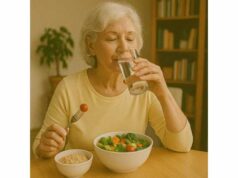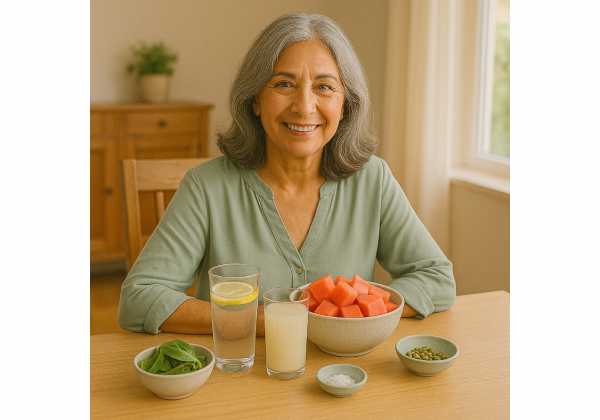
Hydration supports blood pressure control, digestion, kidney function, temperature regulation, joint comfort, alertness, and exercise capacity. It also becomes easier to get wrong with age. Thirst often becomes less reliable, total body water tends to fall as muscle mass declines, and common medications such as diuretics or some blood pressure drugs change fluid and electrolyte balance.
Healthy hydration is not the same as forcing large amounts of plain water. The better approach is steady fluid intake across the day, enough sodium to replace true losses, enough potassium from food, and extra attention during heat, illness, travel, and hard exercise. Most adults do well by using urine color, thirst, body weight changes, bowel habits, and energy as practical signals. People with kidney disease, heart failure, low sodium, fluid restrictions, or diuretic use need a more individualized plan.
Table of Contents
- How Much Fluid Supports Healthy Aging?
- Why Hydration Changes With Age
- Electrolytes That Matter Most
- When to Drink During the Day
- Heat, Exercise, and Illness Change the Plan
- Best Foods and Drinks for Everyday Hydration
- Warning Signs and Special Cases
- A Simple Hydration Plan to Use This Week
How Much Fluid Supports Healthy Aging?
Most healthy adults need about 2.7 liters of total water per day for women and 3.7 liters per day for men. “Total water” includes plain water, coffee, tea, milk, soups, smoothies, fruits, vegetables, yogurt, and the moisture in cooked foods. In everyday terms, that often means about 9 cups of beverages per day for women and about 13 cups for men, with the rest coming from food.
Those numbers are starting points, not strict prescriptions. A smaller adult who eats plenty of soups, fruit, yogurt, and vegetables may need less fluid from drinks. A larger adult who walks outdoors, eats high-fiber meals, uses a sauna, sweats heavily, or lives in a hot climate needs more.
A practical daily range works better than a single target:
| Situation | Useful starting point | How to adjust |
|---|---|---|
| Average day, mostly indoors | 6–10 cups of fluids from drinks | Higher end for larger bodies, high-fiber meals, dry air, or darker urine |
| Active day with walking or training | 8–12 cups of fluids from drinks | Add fluid before and after activity; replace visible sweat losses |
| Hot weather or sauna day | 10–14 cups of fluids from drinks | Add sodium-containing food or drink when sweating is heavy |
| Smaller appetite or low food intake | Drink more intentionally | Less food means less water from food, soups, fruit, and vegetables |
| Fluid restriction, heart failure, advanced kidney disease | Use clinician-set limits | Do not follow general fluid targets without medical guidance |
Urine color offers a simple check. Pale yellow usually signals adequate hydration. Dark yellow or amber often means you need more fluid, especially when paired with thirst, fatigue, headache, constipation, or low urine output. Completely clear urine all day, frequent bathroom trips, and nausea after large amounts of water suggest overdoing it.
Body weight is another useful tool around exercise or heat. A 1-pound drop after a sweaty walk, class, or sauna session reflects roughly 16 ounces, or about 475 mL, of fluid loss. Replacing about 16–24 ounces over the next few hours works well for many adults, especially with a meal or snack.
Hydration also interacts with fiber. A higher-fiber eating pattern supports the gut, cholesterol, and blood sugar, but fiber works best with enough fluid. People increasing beans, oats, vegetables, chia, flax, or psyllium often need extra water to avoid bloating or constipation. The same pattern shows up in higher-fiber longevity eating: fluid, movement, and gradual increases make the plan easier to sustain.
Why Hydration Changes With Age
Aging changes hydration in several quiet ways. The first is body composition. Muscle stores more water than fat tissue, so age-related muscle loss reduces the body’s water reserve. Preserving muscle through protein-rich meals and resistance training helps more than strength alone; it also supports a larger, healthier fluid reservoir.
The second change is thirst. Many older adults feel less thirsty even when their bodies need fluid. Relying only on thirst becomes less dependable after midlife, especially during heat waves, travel, illness, or busy days away from home. Scheduled drinking works better than waiting until the mouth feels dry.
The third change is kidney handling of water and sodium. Healthy kidneys filter blood, remove waste, and adjust how much water and electrolytes leave in urine. With age, kidney reserve often declines. This does not mean every older adult has kidney disease, but it does mean dehydration and overhydration both deserve more respect. A few days of vomiting, diarrhea, fever, poor intake, or heavy sweating can strain kidney function faster than expected.
Medication patterns add another layer. Diuretics increase urine output. Some blood pressure medicines, diabetes drugs, laxatives, antidepressants, anticholinergic medicines, and anti-inflammatory drugs affect thirst, sweating, kidney blood flow, sodium, or potassium. Anyone who starts a new medication and notices dizziness, cramps, confusion, swelling, unusual thirst, very low urine output, or sudden changes in blood pressure should contact a clinician.
Hydration also influences daily function. Even mild fluid losses can show up as fatigue, lower exercise tolerance, slower thinking, headache, constipation, dry mouth, and dizziness when standing. In later life, dizziness is not a small issue because it raises fall risk. A hydration routine pairs naturally with fall prevention habits, especially for people who exercise, garden, walk outdoors, or wake at night to use the bathroom.
Electrolytes That Matter Most
Electrolytes are minerals that carry an electrical charge in body fluids. They help regulate fluid balance, nerve signaling, muscle contraction, heart rhythm, and acid-base balance. The main ones in nutrition and hydration are sodium, potassium, chloride, magnesium, calcium, and phosphate. For everyday healthy aging, sodium and potassium deserve the most attention.
Sodium holds water in the bloodstream and extracellular fluid. It supports blood volume, nerve function, and muscle contraction. Too little sodium in the blood, called hyponatremia, can cause headache, nausea, confusion, weakness, seizures, and serious medical emergencies. Too much sodium in the diet, especially from processed foods and restaurant meals, contributes to higher blood pressure in many people.
Potassium works mostly inside cells. It supports normal blood pressure, muscle function, and heart rhythm. Food sources include potatoes, beans, lentils, yogurt, milk, tomatoes, spinach, squash, bananas, oranges, avocado, fish, and dried fruit. Most adults benefit from eating more potassium-rich whole foods, especially when they also reduce excess sodium from packaged and restaurant foods. Potassium salt substitutes are different: they raise potassium more directly and are unsafe for some people with kidney disease or medications that raise potassium.
Sodium and potassium work as a pair. A longevity-friendly pattern usually means less sodium from ultra-processed foods and more potassium from plants, dairy foods, fish, and legumes. This is the same food-first logic behind sodium and potassium balance for blood pressure and vascular health.
Magnesium also supports muscle and nerve function, glucose metabolism, and blood pressure regulation. It does not need to be added to every drink. Nuts, seeds, beans, lentils, whole grains, dark chocolate, leafy greens, and mineral waters provide meaningful amounts. People with kidney disease should avoid high-dose magnesium supplements unless their clinician approves them.
Electrolyte powders and drinks are useful in specific settings, not as a daily requirement for everyone. They make sense when fluid and sodium losses are high: long workouts, heavy sweating, sauna use, outdoor work, very hot weather, vomiting, diarrhea, or low food intake. They are less useful for a normal indoor day with regular meals. Some products contain 500–1,000 mg sodium per serving, which is too much for casual sipping in someone with high blood pressure or a low-sodium prescription.
Read electrolyte labels carefully. Useful information includes sodium per serving, potassium per serving, sugar content, serving size, and whether caffeine or herbal stimulants are included. A simple drink for heavy sweating often needs sodium more than a long list of minerals. A meal with soup, yogurt, fruit, and salted food can replace electrolytes as effectively as a packaged product in many everyday cases.
When to Drink During the Day
Steady drinking works better than saving most fluid for the evening. Large late-day fluid intake increases nighttime bathroom trips, which can disrupt sleep and raise fall risk in older adults. A better pattern spreads fluids from morning through late afternoon, then tapers in the evening.
Start the day with 250–500 mL of fluid. Water, tea, coffee, milk, kefir, or a breakfast smoothie all count. People who wake with dry mouth, constipation, dark urine, or morning headaches often benefit from a glass of water soon after getting up. People with reflux may prefer smaller amounts at a time.
Drink with meals. Meals improve fluid retention because food provides sodium, potassium, carbohydrate, and amino acids that help the body absorb and hold water. This is one reason soup, yogurt, fruit, and balanced meals hydrate better than plain water alone for some people. Hydration also supports digestion, especially when breakfast includes oats, bran, chia, flax, beans, or whole grains.
Use a mid-morning and mid-afternoon anchor. Many adults forget fluids between meals, then overcorrect later. A cup of tea, sparkling water, broth, or water with a snack closes the gap. This routine is especially helpful for people who take medications that increase urination or who work in dry indoor air.
Reduce large drinks two to three hours before bed if nighttime urination is a problem. Do not become dehydrated to avoid bathroom trips. Instead, move more of the day’s fluids earlier. Evening routines should support sleep, not create a cycle of thirst, waking, and bathroom visits. Meal timing, caffeine timing, and fluid timing also fit naturally with chrononutrition habits that keep energy steadier across the day.
Coffee and tea count toward total fluid. Regular caffeine intake has a smaller diuretic effect than many people expect because the body adapts. Still, caffeine late in the day disrupts sleep for many adults, and sleep loss worsens appetite, blood pressure, glucose control, and recovery. Alcohol is different. It can increase urine output, worsen sleep quality, impair balance, and raise dehydration risk, especially in hot weather or after exercise.
Heat, Exercise, and Illness Change the Plan
Fluid needs rise quickly during heat exposure and physical activity. Sweat contains water and electrolytes, especially sodium and chloride. Sweat rate varies widely. Some people lose less than 500 mL per hour during light activity, while heavy sweaters in heat lose more than 1 liter per hour.
Before exercise, drink enough to start comfortably hydrated. A useful routine is 300–500 mL one to two hours before a walk, class, gym session, hike, or yard work. Add more if urine is dark or the weather is hot. Avoid chugging large amounts immediately before movement because it can cause stomach sloshing or urgent urination.
During activity, match the setting. For sessions under one hour in mild conditions, water is usually enough. For longer sessions, hot weather, hills, rucking, tennis, cycling, dance classes, or heavy sweating, add sodium through a sports drink, electrolyte mix, broth, salted food, or a planned meal afterward. People training for healthspan do not need athlete-level complexity, but they do need to respect sweat losses during Zone 2 training, intervals, long walks, and outdoor conditioning.
After activity, replace fluid gradually. Weighing before and after a sweaty session gives the clearest estimate. For each pound lost, drink about 16–24 ounces over the next few hours. Include a meal or snack with sodium and potassium. Examples include yogurt with fruit, soup and bread, eggs with potatoes, tofu with rice and vegetables, or a tuna sandwich with fruit.
Heat waves deserve special care. Older adults can have reduced sweating and less awareness of heat strain. Air conditioning, shade, light clothing, cool showers, and earlier exercise times reduce fluid demand. During very hot days, drink before thirst, check urine color, and include salty food if sweating is persistent. People on diuretics, beta blockers, ACE inhibitors, angiotensin receptor blockers, SGLT2 inhibitors, or anticholinergic drugs should ask their clinician for a heat plan.
Illness changes hydration fast. Fever, vomiting, diarrhea, poor appetite, and high blood glucose increase fluid losses. Oral rehydration solutions help because they contain water, sodium, glucose, and other electrolytes in amounts designed to improve absorption. Sports drinks are not the same as oral rehydration solution; many contain too much sugar and too little sodium for diarrhea-related dehydration. Seek urgent help for confusion, fainting, very low urine output, persistent vomiting, blood in stool, severe weakness, or signs of dehydration in a frail older adult.
Sauna and hot baths also increase fluid needs. The safest routine is to drink before and after, avoid alcohol, leave if dizzy or nauseated, and replace sodium after heavy sweating. Heat practices should feel controlled, not punishing. People with unstable heart disease, fainting episodes, poorly controlled blood pressure, or fluid restriction need medical guidance before using heat exposure.
Best Foods and Drinks for Everyday Hydration
Plain water is the easiest foundation, but foods and mixed beverages often make hydration more sustainable. About one-fifth of daily water often comes from food, and that percentage rises in people who eat plenty of fruits, vegetables, soups, yogurt, and cooked grains.
Hydrating foods offer more than water. They add potassium, magnesium, fiber, polyphenols, and protein. Good choices include citrus, berries, melon, grapes, kiwi, cucumber, tomatoes, zucchini, leafy greens, peppers, mushrooms, yogurt, kefir, cottage cheese, soups, stews, oatmeal, beans, lentils, and cooked potatoes. These foods fit well with hydration-rich eating because they support fluid balance without relying on sweet drinks or constant bottle-sipping.
Soup is especially useful for older adults with low appetite. It provides fluid, sodium, potassium, protein if it includes beans, lentils, fish, poultry, tofu, or yogurt, and warmth that improves palatability. A bowl of lentil soup at lunch often hydrates better than water alone because it combines fluid, electrolytes, and nutrients.
Fermented dairy and cultured foods add another option. Yogurt, kefir, ayran, and lassi provide fluid, protein, calcium, potassium, and live cultures depending on the product. Unsweetened versions are best for daily use. People who avoid dairy can use fortified soy milk, blended tofu smoothies, or soups with legumes.
Mineral water can contribute calcium, magnesium, and bicarbonate, depending on the brand. Check labels. Some mineral waters are high in sodium, which may not suit people with hypertension or sodium restriction. Others provide meaningful magnesium with little sodium.
Limit drinks that work against hydration goals. Sugary beverages add calories quickly and can worsen glucose spikes. High-alcohol drinks increase urine output and impair balance. Very high-caffeine energy drinks can raise heart rate, disrupt sleep, and increase anxiety. “Wellness” electrolyte drinks with high sodium, added sugar, or stimulants are not automatically healthier than water.
Hydration and bowel regularity go together. Constipation in midlife and later life often reflects a mix of low fluid intake, low fiber, low movement, medication effects, and delayed bathroom routines. Increasing fluids helps most when paired with fiber and walking, the same trio used in anti-constipation nutrition.
Warning Signs and Special Cases
Both dehydration and overhydration cause problems. Dehydration receives more attention, but drinking far beyond need can dilute blood sodium, especially during long exercise, illness, low food intake, or use of certain medications.
Common dehydration signs include thirst, dry mouth, dark urine, low urine output, headache, fatigue, constipation, dizziness, rapid pulse, and confusion. In older adults, confusion, sudden weakness, falls, and low blood pressure after standing deserve prompt attention. Severe dehydration can lead to kidney injury and hospitalization.
Possible overhydration or low sodium signs include headache, nausea, bloating, confusion, muscle weakness, unusual sleepiness, and worsening symptoms after drinking large amounts of plain water. This risk rises during endurance events when people drink constantly but eat little salt, and in medical situations involving certain antidepressants, diuretics, kidney disease, heart failure, or hormone disorders.
Some groups need individualized guidance:
- People with chronic kidney disease: Fluid, sodium, potassium, and magnesium needs depend on kidney function, urine output, labs, medications, and blood pressure. Potassium salt substitutes and high-potassium electrolyte powders may be unsafe. Regular kidney markers such as eGFR and urine albumin help guide safer choices, as explained in kidney health testing.
- People with heart failure: Some need fluid or sodium limits to prevent swelling and shortness of breath. Others need enough fluid to avoid dizziness and kidney strain. Follow the clinician’s plan rather than general hydration targets.
- People on diuretics: Sodium, potassium, and fluid needs vary by the type of diuretic. Loop and thiazide diuretics can lower potassium or sodium; potassium-sparing diuretics can raise potassium.
- People with hypertension: More water does not cancel a high-sodium diet. Blood pressure usually responds better to reducing sodium-heavy packaged foods, increasing potassium-rich whole foods when safe, and tracking home readings. Dietary strategies for blood pressure and healthy aging should guide the larger pattern.
- People with diabetes or high glucose variability: High blood glucose increases urination and thirst. Hydration helps, but glucose control remains central. Persistent thirst with frequent urination needs medical review.
- People with swallowing problems or cognitive impairment: Hydration often requires prompts, preferred cups, thickened liquids when prescribed, soups, high-water foods, and caregiver support.
Blood tests help when symptoms or medical conditions complicate the picture. Sodium, potassium, chloride, bicarbonate, creatinine, eGFR, glucose, and urine tests give clinicians a clearer view. Home blood pressure readings also show whether hydration routines, sodium intake, heat, alcohol, or medication timing are affecting circulation.
A Simple Hydration Plan to Use This Week
A good hydration plan should feel easy enough to repeat. Start with your normal routine, then adjust one or two points rather than tracking every sip.
Use this seven-day plan:
- Choose a daily fluid range. Most adults can start with 6–10 cups of drinks per day, then adjust for body size, activity, heat, urine color, and medical guidance.
- Drink early. Have 250–500 mL in the first hour after waking, especially if morning urine is dark.
- Pair fluids with meals. Add a drink at breakfast, lunch, and dinner. Include soups, yogurt, fruit, or vegetables when appetite is low.
- Add two anchors. Place one drink mid-morning and one mid-afternoon. This prevents evening catch-up drinking.
- Use a sweat rule. After heavy sweating, replace each pound lost with about 16–24 ounces of fluid over the next few hours, plus food that contains sodium and potassium.
- Taper at night. If nighttime urination disrupts sleep, move more fluid earlier and reduce large drinks two to three hours before bed.
- Check signals. Watch urine color, dizziness, constipation, headaches, energy, cramps, blood pressure, and body weight changes.
A sample day might look like this:
| Time | Fluid idea | Why it helps |
|---|---|---|
| Morning | Water, tea, coffee, or milk with breakfast | Restores fluid after the overnight fast |
| Mid-morning | Water or sparkling water | Prevents long gaps without fluids |
| Lunch | Soup, water, kefir, or unsweetened iced tea | Adds fluid with electrolytes and food |
| Before activity | 300–500 mL water | Starts exercise hydrated without overfilling the stomach |
| After sweating | Water plus meal, broth, or electrolyte drink if needed | Replaces water and sodium losses |
| Evening | Small drink as needed | Supports comfort without excessive nighttime urination |
Do not chase perfect numbers. Hydration works best as a pattern: drink earlier, match fluid to sweat and food intake, use electrolytes when losses are real, and adjust for medical conditions. A steady routine supports digestion, blood pressure, kidney function, heat tolerance, and clear thinking without turning water into another source of stress.
References
- Hydration Strategies in Older Adults 2025 (Review)
- Long-term health outcomes associated with hydration status 2024 (Review)
- ESPEN practical guideline: Clinical nutrition and hydration in geriatrics 2022 (Guideline)
- Interventions to Improve Hydration in Older Adults: A Systematic Review and Meta-Analysis 2021 (Systematic Review)
- Use of lower-sodium salt substitutes: WHO guideline 2025 (Guideline)
- Dietary Reference Intakes for Water, Potassium, Sodium, Chloride, and Sulfate 2005 (Report)
Disclaimer
This article is educational and does not replace care from a qualified health professional. Hydration and electrolyte needs require medical guidance if you have kidney disease, heart failure, low sodium, high potassium, uncontrolled blood pressure, diabetes with frequent urination, swallowing problems, or a prescribed fluid or sodium limit. Seek urgent care for confusion, fainting, severe weakness, very low urine output, persistent vomiting, or suspected heat illness.