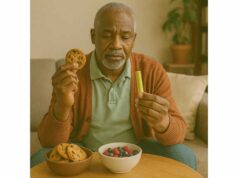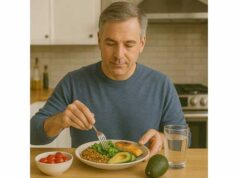
Constipation becomes more common with age because the gut, appetite, thirst signals, movement patterns, medications, and daily routines all change. The fix is rarely one magic food. Bowel regularity improves when stool has enough bulk, enough water, and enough time cues from meals and movement. Fiber matters, but it works best when it rises gradually and comes with fluids, regular meals, and a calm bathroom routine.
Aging adults also need a constipation plan that protects strength, bones, blood sugar, and heart health. Skipping meals, cutting carbs too hard, or relying only on laxatives often makes the pattern less stable. A better approach uses beans, oats, fruit, vegetables, seeds, soups, fermented foods, and steady hydration in a way the gut tolerates. Small timing changes, especially breakfast and post-meal walking, often make the plan easier to follow than simply aiming for a higher fiber number.
Table of Contents
- Why Constipation Changes With Age
- Fiber Targets That Work in Real Meals
- Fluids That Help Fiber Do Its Job
- Timing Meals and the Gastrocolic Reflex
- A Daily Plate Pattern for Easier Bowel Movements
- Supplements and Foods With Extra Evidence
- Common Mistakes and Safety Checks
- Simple 7-Day Reset Plan
Why Constipation Changes With Age
Constipation means more than going less often. It also includes hard stools, straining, a feeling of incomplete emptying, or needing extra effort to pass stool. Some healthy adults do not have a bowel movement every day, so the pattern matters more than the calendar. A sudden change from your usual rhythm deserves attention, especially after midlife.
Aging affects bowel regularity through several routes. Appetite often drops, so meals shrink and fiber falls without anyone noticing. Thirst signals weaken, so fluid intake slips. Some people move less after pain, surgery, illness, travel, caregiving stress, or fear of falling. The colon also responds to routine; irregular wake times, rushed mornings, and delayed bathroom trips train the bowel to become less predictable.
Medications add another layer. Opioid pain medicines, iron tablets, calcium supplements, some antacids, some antidepressants, bladder medicines, antihistamines, and several blood pressure drugs often slow bowel movement or dry stool. Drugs with anticholinergic effects deserve special review because they affect bowel function and brain health; a medication check for anticholinergic burden is especially useful when constipation appears alongside dry mouth, urinary retention, sleepiness, or confusion.
Constipation also clusters with conditions that become more common with age: diabetes, hypothyroidism, Parkinson’s disease, depression, pelvic floor problems, low back pain, poor dentition, and low food intake. Nutrition helps many cases, but it should not hide warning signs.
Seek medical advice promptly for constipation with blood in the stool, black stools, unexplained weight loss, anemia, fever, vomiting, severe belly pain, new pencil-thin stools, trouble passing gas, or a new major change after age 50. Also get help when constipation alternates with diarrhea, wakes you from sleep, follows a new medication, or does not improve after several weeks of sensible changes.
Fiber Targets That Work in Real Meals
Fiber works because it changes stool texture, water content, gut bacteria activity, and transit time. The usual adult target is about 22 to 34 grams per day, with many older adults doing well near 25 to 30 grams if they increase slowly. More is not always better. A gut that has been living on 10 grams per day often reacts badly to a sudden jump to 35 grams.
The safer approach is to add about 3 to 5 grams per day each week until stools become softer and easier to pass. That might mean adding berries at breakfast one week, lentil soup the next week, and ground flaxseed after that. A slower ramp reduces gas, cramping, and the discouraging feeling that “fiber does not agree with me.”
Fiber comes in several forms. Soluble fiber absorbs water and forms a gel. It helps soften stool and supports cholesterol and blood sugar control. Oats, barley, beans, lentils, chia, flax, apples, pears, psyllium, and some vegetables provide soluble fiber. Insoluble fiber adds bulk and helps move stool along. Wheat bran, whole grains, skins of fruits, nuts, seeds, and many vegetables provide more insoluble fiber.
Most plant foods contain a mix. A balanced constipation plan uses both, with extra attention to soluble fiber when stools are hard, dry, or pellet-like. A broader fiber for longevity plan also supports lipids, glucose control, satiety, and gut microbial diversity.
| Food | Typical serving | Approximate fiber | Best use |
|---|---|---|---|
| Cooked lentils | 1/2 cup | 8 g | Soups, bowls, side dishes |
| Chia seeds | 1 tablespoon | 4 to 5 g | Yogurt, oats, pudding |
| Ground flaxseed | 1 tablespoon | 2 to 3 g | Oatmeal, smoothies, cottage cheese |
| Raspberries | 1 cup | 8 g | Breakfast, dessert, snacks |
| Oats | 1/2 cup dry | 4 g | Breakfast, baked oats, savory oats |
| Cooked beans | 1/2 cup | 6 to 8 g | Chili, salads, toast, wraps |
| Prunes | 4 to 6 prunes | 3 to 4 g | Breakfast, snack, stewed fruit |
Beans and lentils deserve special attention because they deliver fiber, protein, potassium, magnesium, and polyphenols together. Start with 2 tablespoons added to a meal, rinse canned beans well, and choose lentils or split peas if whole beans cause gas. Gradual exposure trains the gut microbiome to handle fermentable fibers better.
Prebiotic fibers feed beneficial gut bacteria and lead to short-chain fatty acids, including butyrate, which helps support the colon lining. Inulin-rich foods such as onions, garlic, asparagus, chicory, and Jerusalem artichokes help some people, but they cause foods such as bloating in others. For a gentler approach, use oats, cooled potatoes, lentils, slightly green bananas, and cooked vegetables before jumping into large doses of inulin. A deeper prebiotic fiber strategy works best when tolerance guides the pace.
Fluids That Help Fiber Do Its Job
Fiber without enough fluid turns into a traffic jam. Water helps soluble fiber form a soft gel and helps stool pass with less strain. Hydration also supports blood pressure, kidney function, temperature control, and medication safety, all of which matter more with age.
A practical target for many adults is pale-yellow urine most of the day, steady energy, and no frequent dizziness when standing. Exact fluid needs change with body size, sweating, kidney function, heart failure, medications, sodium needs, and climate. People taking diuretics, those with kidney disease, and those on fluid restriction should follow their clinician’s plan rather than forcing a generic water target.
Do not think only in glasses of water. Moist foods count. Soups, stews, fruit, cooked vegetables, yogurt, kefir, oatmeal, chia pudding, and smoothies bring water into the meal itself. This helps people who dislike drinking large amounts or who forget to sip between meals. A warm drink in the morning also supports routine because it pairs hydration with the body’s natural wake-up rhythm.
Good daily fluid anchors include:
- A glass of water after waking.
- Tea, coffee, or warm water with breakfast.
- Soup, broth, or fruit at lunch.
- Water with medications unless told otherwise.
- A small drink with an afternoon snack.
- Fluids earlier in the evening, not right before bed if nighttime urination is a problem.
Coffee helps some people because caffeine and warm liquid stimulate the colon. It should not become the whole hydration plan. Alcohol often worsens dehydration and sleep quality, and heavy intake raises fall risk. Very sugary drinks add calories without the stool-softening benefits of fiber-rich foods.
Electrolytes matter when older adults sweat heavily, have diarrhea, eat very low-carb, use diuretics, or live in hot weather. Sodium restriction helps some people with blood pressure, but over-restriction plus low fluid intake leads to weakness, dizziness, and poor intake. Potassium-rich foods such as beans, lentils, potatoes, leafy greens, tomatoes, yogurt, and fruit support both gut and cardiovascular health, though people with kidney disease need individualized limits. A broader hydration and electrolytes plan helps match fluids to real health conditions.
Timing Meals and the Gastrocolic Reflex
The colon responds strongly after eating, especially after breakfast. This response is called the gastrocolic reflex. Food enters the stomach, nerve and hormone signals rise, and the colon becomes more active. Aging adults who skip breakfast, graze lightly all day, or rush out the door often miss this natural bowel signal.
A constipation routine should protect the first hour after waking. Breakfast does not need to be large, but it should be real food, fluid, and enough volume to create a signal. Oatmeal with berries and yogurt, eggs with whole-grain toast and fruit, lentil soup, or kefir with chia and kiwi all work better than a few dry crackers.
After breakfast, sit on the toilet for 5 to 10 minutes without straining. Keep the feet on a small stool if available. This position raises the knees and helps the pelvic floor relax. Breathe slowly, keep the belly soft, and leave if nothing happens. The routine trains timing; it is not a test of willpower.
Meal timing also affects constipation through appetite and total intake. Long fasting windows reduce eating opportunities, which lowers fiber, calories, protein, and fluid in some older adults. Time-restricted eating needs caution when constipation, weight loss, frailty, or low appetite is already present. A steadier chrononutrition rhythm often suits aging digestion better than severe meal compression.
Movement after meals adds another signal. A 10- to 15-minute walk after breakfast or lunch supports gut motility, glucose control, and balance. It does not need to be athletic. Indoor laps, hallway walking, easy cycling, or gentle stair practice count. This fits well with post-meal walking, which also supports insulin sensitivity.
Try this morning sequence for two weeks:
- Drink water or a warm beverage after waking.
- Eat a breakfast that includes fiber and protein.
- Walk or move gently for 5 to 15 minutes.
- Sit on the toilet for 5 to 10 minutes with feet supported.
- Respond quickly later in the day when the urge appears.
Ignoring the urge teaches the rectum to tolerate more stool. Over time, the signal weakens. Privacy, mobility aids, bathroom access, and enough unhurried time are part of treatment, not minor details.
A Daily Plate Pattern for Easier Bowel Movements
A reliable anti-constipation plate includes plants, protein, healthy fat, and fluid. Fiber alone is not enough for aging well. Protein protects muscle. Healthy fats improve meal satisfaction and help bile flow. Fermented foods support microbial variety. Colorful plants bring polyphenols, potassium, magnesium, and water.
Use this simple structure at most meals:
- One protein: eggs, yogurt, kefir, fish, poultry, tofu, tempeh, beans, lentils, cottage cheese, or lean meat.
- One high-fiber carbohydrate: oats, barley, beans, lentils, brown rice, rye bread, whole-grain pasta, potatoes with skin, or fruit.
- Two plants: vegetables, leafy greens, berries, citrus, pears, apples, kiwi, prunes, or cooked fruit.
- One fat: olive oil, avocado, nuts, seeds, tahini, or olives.
- One fluid: water, tea, soup, kefir, or broth-based food.
This pattern avoids the common trap of replacing constipation with under-eating. Older adults who push fiber while cutting protein risk losing muscle. A plan built around daily protein targets and plant-rich meals supports both bowel function and strength.
Breakfast examples:
- Oatmeal cooked with milk or soy milk, topped with berries, ground flaxseed, and walnuts.
- Greek yogurt with chia, kiwi, and a small serving of high-fiber cereal.
- Eggs, sautéed spinach, whole-grain toast, and an orange.
- Lentil soup with olive oil and a piece of fruit for people who prefer savory mornings.
Lunch examples:
- Bean and vegetable soup with olive oil and whole-grain bread.
- Salmon salad with chickpeas, greens, tomatoes, avocado, and berries.
- Tofu bowl with brown rice, cooked greens, carrots, sesame, and citrus.
- Turkey and hummus wrap with lentil side salad.
High-fiber lunches are easier when cooked foods do the work. Soups, stews, and bowls soften vegetables and add fluid, which improves tolerance compared with large raw salads. For more examples, high-fiber lunches built around bowls, soups, and salads fit constipation care well.
Dinner should be satisfying but not so heavy that it worsens reflux or sleep. Many people do better when the largest fiber push happens earlier in the day. If evening bloating is a problem, use cooked vegetables, peeled fruit, rice, potatoes, fish, tofu, eggs, or yogurt instead of a large bean-heavy dinner.
Fermented foods such as yogurt, kefir, miso, tempeh, sauerkraut, and kimchi add flavor and microbial exposure. They are not guaranteed constipation treatments, but they fit a gut-friendly pattern when tolerated. Choose lower-sodium options when blood pressure is a concern, and introduce fermented vegetables in small amounts. A wider gut-friendly nutrition plan combines fermented foods with polyphenols and fiber instead of relying on probiotics alone.
Supplements and Foods With Extra Evidence
Food should come first, but certain options have stronger constipation evidence than vague “eat more plants” advice. The most useful choices are practical, measurable, and easy to stop if they cause discomfort.
Psyllium is one of the best-studied fiber supplements for chronic constipation. It holds water, forms a gel, and improves stool form for many adults. Start low: 1 teaspoon mixed into a full glass of water once daily. After several days, increase only if needed. Drink it right away before it thickens, and separate it from medications by at least two hours unless a clinician gives different advice.
Prunes help because they combine fiber, sorbitol, water-binding carbohydrates, and polyphenols. A common starting amount is 4 prunes per day, moving toward 5 to 6 if 6 if tolerated. People with sensitive guts or loose stools should start with 1 to 2.
Kiwi is another useful food. Two kiwifruit per day often fit well because they add fiber, fluid, vitamin C, and actinidin, an enzyme linked with digestion. Green and gold kiwi both work in meals. Try kiwi with yogurt, oatmeal, or cottage cheese.
Ground flaxseed adds gentle fiber and healthy fats. Use ground flax, not whole flax, because whole seeds often pass through. Start with 1 teaspoon to 1 tablespoon daily. Chia seeds absorb more water, so soak them in yogurt, milk, or water before eating if stools are dry.
Resistant starch feeds the gut microbiome and often feels gentler than bran. Cooked-and-cooled potatoes, rice, oats, greenish bananas, beans, and lentils provide it. Reheating cooled starch still leaves some resistant starch intact. A constipation plan that includes resistant starch is useful for people who want gut benefits without adding large bran doses.
Magnesium-containing products help some people by drawing water into the bowel, but they are not safe for everyone. People with kidney disease, heart rhythm problems, very low blood pressure, or multiple medications should ask a clinician before using magnesium laxatives or high-dose supplements. Magnesium-rich foods such as pumpkin seeds, beans, greens, oats, and nuts are safer everyday options.
Avoid stacking too many aids at once. Psyllium, prunes, kiwi, flax, chia, magnesium, and probiotics taken together make it impossible to know what helped and what caused gas. Choose one change, track it for one to two weeks, then adjust.
Common Mistakes and Safety Checks
The most common mistake is adding fiber too fast. The gut needs time to adapt. Gas is not a failure, but severe bloating, cramps, or worse constipation means the dose or fiber type is wrong. Back down, add fluids, and restart with smaller servings.
A second mistake is choosing dry fiber foods without fluid. Bran cereal, crackers, protein bars with added fiber, and dry granola often worsen hard stools when the rest of the day lacks liquid. Moist fiber foods are usually better: oatmeal, lentil soup, stewed fruit, berries with yogurt, beans in chili, and cooked vegetables with olive oil.
A third mistake is overusing low-carb eating. Very low-carb diets often remove beans, oats, fruit, lentils, potatoes, and whole grains—the very foods that help stool hold water. Some people thrive on lower-carb Mediterranean eating, but constipation-prone older adults usually need smart carbs, not carb avoidance.
A fourth mistake is relying on laxatives without reviewing causes. Laxatives have a place, and some are recommended for chronic constipation when lifestyle steps fall short. Still, repeated rescue use without a medication review, thyroid check when appropriate, diabetes management, pelvic floor assessment, or colon cancer screening leaves important causes untouched.
A fifth mistake is straining. Straining raises pressure, worsens hemorrhoids, and reinforces poor pelvic floor coordination. Use foot support, breathe out gently, and keep the jaw, belly, and pelvic floor relaxed. If stool feels blocked near the outlet despite soft stool, pelvic floor therapy often helps more than more fiber.
Constipation with frailty needs special care. Low appetite, chewing trouble, swallowing problems, recent weight loss, or living alone changes the plan. In these cases, smaller high-fiber meals with enough protein work better than huge salads. Try soft options: lentil soup, bean purée, oatmeal, yogurt with ground seeds, stewed apples, blended vegetable soups, and mashed sweet potato with olive oil.
People in residential care face a different problem: the menu controls fiber access. Families and caregivers should look for fruit at breakfast, legumes in soups, whole-grain bread, vegetables at lunch and dinner, and fluids within reach. A visible water bottle does not help if arthritis, tremor, poor vision, or fear of needing the bathroom keeps the person from drinking.
Track bowel changes with simple notes:
- Stool frequency.
- Stool form: hard pellets, lumpy, smooth, soft, or loose.
- Straining level.
- Bloating or pain.
- Fiber changes.
- Fluid intake.
- New medications or supplements.
- Walking or movement after meals.
This record helps a clinician, dietitian, or caregiver find patterns quickly. It also prevents the “nothing works” feeling when some changes help stool form but not frequency, or help frequency but worsen gas.
Simple 7-Day Reset Plan
A short reset works best when it is gentle. The purpose is to restore rhythm, not force the bowel. Keep current prescribed medicines the same unless a clinician tells you otherwise. Add one or two changes at a time if your gut is sensitive.
| Day | Food focus | Fluid focus | Timing focus |
|---|---|---|---|
| Day 1 | Add fruit at breakfast | Drink water after waking | Sit 5 minutes after breakfast |
| Day 2 | Add oats, chia, or ground flax | Add tea, soup, or broth | Walk 10 minutes after one meal |
| Day 3 | Add 2 to 4 tablespoons beans or lentils | Pair fiber with a full drink | Do not delay the urge |
| Day 4 | Add cooked vegetables at lunch and dinner | Use a moist meal such as soup or stew | Repeat the morning toilet routine |
| Day 5 | Try kiwi or prunes | Place fluids within easy reach | Add gentle movement after breakfast |
| Day 6 | Choose whole grains over refined grains | Check urine color and dizziness | Keep meal times steady |
| Day 7 | Review which foods helped or caused gas | Adjust evening fluids if sleep suffers | Plan the next week’s breakfast routine |
A sample day shows how the pieces fit together.
Breakfast: oatmeal cooked with milk or soy milk, topped with raspberries, ground flaxseed, and walnuts. Drink water or tea. Walk for 10 minutes, then sit on the toilet for 5 to 10 minutes.
Lunch: lentil vegetable soup with olive oil, whole-grain toast, and fruit. Drink water with the meal.
Snack: yogurt or kefir with kiwi, or cottage cheese with stewed fruit.
Dinner: fish, tofu, or chicken with roasted vegetables, potatoes or brown rice, and a small salad if raw vegetables are tolerated.
Evening: herbal tea earlier in the evening if desired, then stop large fluid loads close to bed if nighttime urination is a problem.
If stools become loose, reduce prunes, magnesium products, large chia portions, or sudden bean increases first. If stools stay hard, check fluids, add soluble fiber, and make breakfast more consistent. If frequency improves but evacuation still feels blocked, consider pelvic floor dysfunction and ask for evaluation.
Constipation care becomes easier when it becomes ordinary. Keep a short list of reliable foods: oats, berries, kiwi, prunes, lentil soup, beans, cooked greens, yogurt, ground flaxseed, chia, olive oil, and soup. Build meals from that list, drink enough to keep fiber soft, move after meals, and give the bowel a daily chance to respond.
References
- British Dietetic Association Guidelines for the Dietary Management of Chronic Constipation in Adults 2025 (Guideline)
- Effects of Dietary Fiber Supplementation on Chronic Constipation in the Elderly: A Systematic Review and Meta-Analysis of Randomized Controlled Trials 2025 (Systematic Review)
- A systematic review and meta-analysis of the dietary fiber menu provision and consumption for older adults living in residential care facilities 2024 (Systematic Review)
- Physical activity and constipation: A systematic review of cohort studies 2024 (Systematic Review)
- Pharmacological management of chronic idiopathic constipation 2023 (Guideline)
- Treatment for Constipation 2018 (Official Page)
Disclaimer
This article is educational and does not replace care from a qualified clinician, registered dietitian, or pharmacist. Constipation that is new, severe, persistent, painful, or linked with bleeding, weight loss, vomiting, anemia, or major changes in bowel habits needs medical evaluation. People with kidney disease, heart failure, swallowing problems, frailty, or medication-related constipation should get individualized guidance before using fiber supplements, magnesium products, or laxatives.