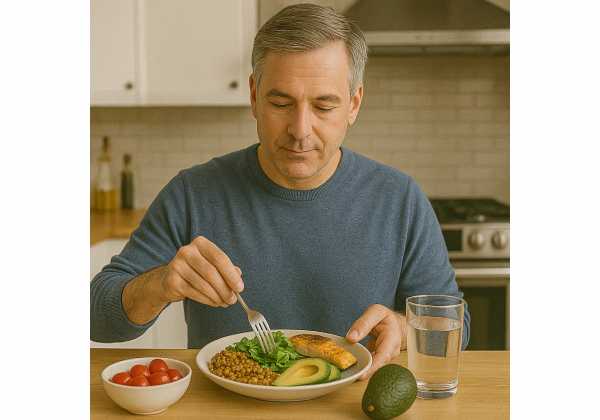
Blood lipids respond strongly to daily food choices, especially LDL cholesterol, non-HDL cholesterol, ApoB, and triglycerides. These numbers matter because they reflect how many cholesterol-carrying particles move through the bloodstream and how much metabolic pressure the body is handling over time. A longevity-focused lipid plan does not need extreme dieting. It works best when meals repeatedly do a few simple jobs: lower saturated fat, raise viscous fiber, replace refined starches with intact plants, add unsaturated fats, and keep triglyceride triggers under control.
The strongest food moves are surprisingly ordinary: oats, beans, lentils, nuts, seeds, olive oil, fatty fish, vegetables, fruit, and protein choices that push processed meat, butter, cream, and fried foods to the edge of the plate. Small swaps repeated for 8 to 12 weeks often show up clearly on a lipid panel, especially when paired with weight stability, regular movement, and enough sleep.
Table of Contents
- Which Lipid Numbers Food Changes Most
- Replace Saturated Fat With Unsaturated Fat
- Use Fiber as a Daily Lipid Tool
- Build a Portfolio of LDL-Lowering Foods
- Lower Triglycerides With Carb and Alcohol Control
- Choose Protein That Supports Lipids and Muscle
- Read Your Lipid Response After Food Changes
- Put the Plan on Your Plate
Which Lipid Numbers Food Changes Most
Food affects blood lipids through the liver, gut, fat tissue, and the particles that carry cholesterol and triglycerides through the bloodstream. LDL cholesterol gets the most attention, but a modern lipid panel tells a fuller story when you also look at non-HDL cholesterol, triglycerides, HDL cholesterol, and ideally ApoB.
LDL cholesterol estimates how much cholesterol sits inside LDL particles. ApoB counts the number of atherogenic particles, including LDL, VLDL remnants, and intermediate-density particles. Non-HDL cholesterol is total cholesterol minus HDL cholesterol, so it captures cholesterol carried by all the particles that contribute to artery plaque. For longevity, ApoB and non-HDL cholesterol often give a clearer risk signal than LDL cholesterol alone, especially when triglycerides are high, insulin resistance is present, or LDL particle size is mixed. A deeper guide to ApoB and non-HDL cholesterol explains why these markers are often treated as primary targets.
Triglycerides show how efficiently the body handles incoming energy, especially sugars, refined starches, alcohol, and excess calories. A fasting triglyceride level below 150 mg/dL is commonly considered normal, but many metabolically healthy adults run lower. Triglycerides often improve quickly with changes in alcohol intake, added sugar, meal timing, body weight, and physical activity. The triglycerides-to-HDL ratio gives a simple snapshot of insulin resistance risk, although it does not replace ApoB or a full clinical evaluation.
HDL cholesterol is more complicated. Higher HDL once looked automatically protective, but raising HDL cholesterol itself has not reliably reduced heart events. Food choices that lower ApoB, lower triglycerides, improve blood pressure, and reduce inflammation matter more than chasing a high HDL number. Olive oil, nuts, fish, legumes, and exercise often improve HDL function even when the HDL cholesterol number changes only a little.
Lipoprotein(a), often written as Lp(a), deserves separate testing at least once in adulthood because diet usually has little effect on it. A person with high Lp(a) often needs more aggressive control of ApoB, blood pressure, smoking exposure, and other risks. If Lp(a) runs in your family or early heart disease appears in relatives, a dedicated Lp(a) test helps place food changes in the right risk context.
A practical food plan usually aims for these shifts:
| Lipid pattern | What it often reflects | Food moves with the most impact |
|---|---|---|
| High LDL-C or ApoB | Too many cholesterol-carrying particles, often worsened by saturated fat, low fiber, genetics, or weight gain | Replace butter, fatty meat, cream, coconut oil, and processed meat with olive oil, nuts, seeds, legumes, fish, soy foods, oats, barley, and vegetables |
| High triglycerides | Excess liver VLDL output, often tied to refined carbs, alcohol, insulin resistance, fatty liver, or excess calories | Cut sugary drinks, sweets, white-flour snacks, large evening carb loads, and alcohol; add protein, vegetables, legumes, and post-meal walking |
| Low HDL with high triglycerides | Common insulin resistance pattern | Improve waist size, replace refined starches with high-fiber carbs, build muscle, and choose unsaturated fats over low-fat sugary foods |
| Normal LDL-C but high ApoB or non-HDL-C | Many particles carrying a modest amount of cholesterol each | Treat it like an ApoB problem: lower saturated fat, raise viscous fiber, reduce triglyceride drivers, and discuss risk level with a clinician |
Replace Saturated Fat With Unsaturated Fat
Saturated fat raises LDL cholesterol in many people because it reduces the liver’s clearance of LDL particles. The strongest effect comes from replacing saturated fat with unsaturated fat, not from simply eating less fat. A low-fat muffin, sweetened cereal, or pretzel snack does little for artery health when it replaces butter but adds refined starch and sugar.
The biggest saturated fat sources in many diets are butter, cheese, cream, high-fat dairy desserts, processed meat, fatty cuts of meat, coconut oil, palm oil, pastries, fast-food fried items, and packaged snacks. These foods do not all act identically, but the pattern matters. When they appear daily, LDL cholesterol and ApoB often move in the wrong direction.
Useful swaps are direct and satisfying:
- Use extra-virgin olive oil instead of butter for vegetables, beans, fish, and grain bowls.
- Choose nuts, seeds, avocado, or hummus instead of cheese-heavy snacks.
- Replace processed meat at breakfast with eggs plus vegetables, Greek yogurt with berries, tofu scramble, or oatmeal with nuts.
- Choose fish, poultry, tofu, tempeh, lentils, or beans more often than fatty red meat.
- Use tomato-based, herb-based, or olive-oil-based sauces instead of cream sauces.
A useful kitchen rule is to look at fat texture at room temperature. Fats that stay solid, such as butter, lard, shortening, and coconut oil, usually bring more saturated fat. Liquid plant oils usually bring more unsaturated fat. Extra-virgin olive oil has the added advantage of polyphenols, especially when fresh, stored away from heat and light, and used within a reasonable time after opening. A focused guide to healthy fats for longevity covers olive oil, nuts, seeds, and avocado in more detail.
Saturated fat targets vary by risk level, but a practical range is to keep saturated fat below 10% of daily calories, and lower for people with high LDL-C, high ApoB, diabetes, known plaque, or strong family risk. On a 2,000-calorie diet, 10% equals about 22 g saturated fat per day; 6% equals about 13 g. One restaurant burger, a large serving of cheese, or a buttery pastry easily uses most of that amount.
The most common mistake is adding “heart-healthy” foods without removing the LDL-raising foods. A handful of walnuts helps less when the rest of the day includes buttered toast, cheese at lunch, creamy coffee drinks, and sausage at dinner. The lipid panel reflects the whole pattern.
Use Fiber as a Daily Lipid Tool
Viscous soluble fiber is one of the most reliable food tools for lowering LDL cholesterol. It forms a gel-like texture in the gut, binds bile acids, and nudges the liver to pull more cholesterol from the blood to make new bile. This mechanism is simple and repeatable, which makes fiber a useful daily habit rather than a short cleanse.
The best lipid-lowering fiber sources include oats, barley, beans, lentils, chickpeas, split peas, psyllium, okra, eggplant, chia seeds, flaxseed, apples, citrus, and berries. Whole grains and vegetables also add insoluble fiber, which supports bowel regularity, fullness, and gut health, even when its direct LDL effect is smaller.
Most adults do better when they aim for at least 25 to 38 g total fiber per day, with a steady portion coming from soluble or viscous fiber. Many people eat half that amount. Increasing too quickly causes gas, bloating, and loose stools, so the best approach is to add 5 g every week or two while increasing fluids. A practical fiber intake guide helps translate grams into meals.
Here is a simple day that reaches a useful fiber range without feeling medicinal:
- Breakfast: oats with berries, ground flaxseed, and walnuts
- Lunch: lentil soup with a side salad and olive oil vinaigrette
- Snack: apple with peanut butter or plain yogurt with chia seeds
- Dinner: salmon, roasted vegetables, and barley or beans
Psyllium deserves special mention because it is concentrated, inexpensive, and well studied. A typical dose is about 5 g once or twice daily, mixed into water and taken away from medications unless a clinician or pharmacist says otherwise. Start with a smaller dose to test tolerance. Psyllium works best when it becomes part of a routine, such as before breakfast or before dinner.
Fiber also helps triglycerides indirectly. High-fiber meals slow glucose absorption, improve fullness, and reduce the urge to snack on refined carbohydrates. Legumes are especially helpful because they combine fiber, plant protein, potassium, magnesium, and slow-digesting starch. Replacing white rice or white bread with lentils, chickpeas, or beans changes the metabolic load of the meal.
Do not judge fiber foods only by front-package claims. A cereal that says “made with whole grain” still might deliver little fiber and plenty of sugar. Check the label. A useful grain product often has at least 3 to 5 g fiber per serving, modest added sugar, and a short ingredient list. Better yet, choose intact foods: oats, barley, beans, lentils, fruit, vegetables, seeds, and nuts.
Build a Portfolio of LDL-Lowering Foods
LDL cholesterol usually falls more when several modest food effects stack together. This is the idea behind the Portfolio dietary pattern: combine LDL-lowering foods in the same eating pattern instead of relying on one “superfood.” The core portfolio includes viscous fiber, nuts, plant sterols or stanols, and plant protein, usually on top of a low-saturated-fat foundation.
The portfolio does not require perfection. It works like compounding interest: each repeated choice adds pressure in the same direction. A realistic version includes oats or barley most days, beans or lentils often, nuts daily, soy foods several times per week, vegetables at most meals, and less butter, cheese, processed meat, and refined starch.
| Portfolio component | Daily or weekly target | Easy food examples |
|---|---|---|
| Viscous fiber | Daily | Oats, barley, psyllium, beans, lentils, chia, flax, okra, eggplant |
| Nuts and seeds | About 28 to 45 g most days | Walnuts, almonds, pistachios, peanuts, pumpkin seeds, chia, flax |
| Plant protein | Several servings weekly, often daily | Tofu, tempeh, edamame, soy milk, lentils, chickpeas, black beans |
| Plant sterols or stanols | Often 1.5 to 3 g/day when used intentionally | Fortified spreads, yogurts, or other fortified foods; best used with meals |
| Unsaturated fat base | Daily replacement for saturated fat | Extra-virgin olive oil, nuts, seeds, avocado, fish |
Nuts are calorie-dense, but they are not just “fat snacks.” They bring unsaturated fats, plant protein, fiber, minerals, phytosterols, and polyphenols. A small handful most days supports LDL and ApoB lowering when it replaces chips, cookies, cheese, or processed meat. Walnuts bring alpha-linolenic acid, a plant omega-3 fat. Almonds and pistachios fit well into breakfast bowls and salads. Peanuts count nutritionally as a legume, but they act like nuts in many lipid-focused eating patterns.
Plant sterols and stanols reduce intestinal cholesterol absorption. They occur naturally in small amounts in nuts, seeds, grains, legumes, fruits, and vegetables, but LDL-lowering doses usually require fortified foods. They work best when eaten with meals that contain fat. They are not a replacement for medication in high-risk people, and people with rare sitosterolemia should avoid them unless medically supervised.
A Mediterranean-style pattern overlaps strongly with the portfolio approach because it centers vegetables, legumes, whole grains, fish, olive oil, nuts, herbs, and fruit. It also limits the foods that raise LDL and triglycerides most: processed meats, refined grains, sweets, and deep-fried meals. A starter plan for Mediterranean eating gives an easy way to make the portfolio feel like normal food instead of a therapeutic diet.
The best portfolio meal is not complicated. Try a bowl with barley, lentils, roasted vegetables, olive oil, herbs, and walnuts. Or make oats with berries, ground flaxseed, soy milk, and almonds. Or use tofu, edamame, vegetables, and brown rice with a sesame-ginger sauce. The pattern wins through repetition.
Lower Triglycerides With Carb and Alcohol Control
Triglycerides often respond faster than LDL cholesterol. When triglycerides are high, the liver is usually sending out more VLDL particles, often because incoming energy exceeds immediate storage and use. Alcohol, added sugar, refined starches, excess calories, insulin resistance, fatty liver, low activity, and some medications all contribute.
The first food step is to remove liquid sugar. Soda, sweet tea, juice drinks, energy drinks, sweetened coffee drinks, and frequent smoothies send fast sugar to the liver with little chewing or fullness. Whole fruit is different because it brings fiber, water, and structure. Two oranges and a glass of orange juice do not create the same metabolic workload.
The second step is to shrink refined starch portions. White bread, white rice, crackers, chips, pretzels, pastries, and many breakfast cereals raise glucose quickly and often pair with salt or fat that encourages overeating. Replace them with beans, lentils, oats, barley, quinoa, intact whole grains, vegetables, and fruit. A detailed guide to food habits that flatten glucose spikes also supports triglyceride control because glucose and triglyceride handling often improve together.
Alcohol deserves blunt attention. Even moderate drinking raises triglycerides in some people, especially when levels are already high, fatty liver is present, or drinking happens with late meals and snacks. When fasting triglycerides approach or exceed 500 mg/dL, clinicians often recommend eliminating alcohol because pancreatitis risk becomes a concern. For triglycerides between 150 and 499 mg/dL, reducing alcohol frequency and serving size often produces a visible improvement within weeks.
Carbohydrate quality matters more than carbohydrate fear. A bowl of lentil soup and a bowl of sugary cereal are both “carbs,” but their effects differ sharply. Lentils bring protein, fiber, resistant starch, minerals, and slow digestion. Sugary cereal delivers rapidly absorbed starch and sugar with little satiety. Smart carbohydrate choices include beans, lentils, chickpeas, oats, barley, berries, apples, root vegetables, and cooled potatoes or rice when portions are moderate. More ideas appear in a guide to smart carbs for longevity.
Fatty fish helps triglycerides, mainly through EPA and DHA omega-3 fats. Salmon, sardines, trout, herring, anchovies, and mackerel are practical choices. Food-level fish intake is not the same as prescription-dose omega-3 therapy, but two servings of fatty fish per week fits a heart-healthy pattern and often replaces less helpful proteins. People with very high triglycerides should discuss treatment rather than relying on grocery-store fish oil capsules. A food-first omega-3 guide explains fish, algae, and plate-level choices.
Movement after meals amplifies the diet effect. A 10- to 20-minute walk after the largest carbohydrate meal helps muscles clear glucose and lowers the liver’s need to convert excess energy into triglycerides. This habit is simple, measurable, and especially useful after dinner.
Choose Protein That Supports Lipids and Muscle
A longevity diet needs enough protein to preserve muscle while protecting blood vessels. The mistake is treating “high protein” as permission to build meals around bacon, sausage, large steaks, cheese, and butter-heavy cooking. Those choices increase saturated fat and sodium, and processed meats add separate concerns.
Better protein choices support muscle without pushing LDL upward. Fish, seafood, skinless poultry, low-fat or fermented dairy, tofu, tempeh, edamame, lentils, beans, chickpeas, and eggs all fit when portions and context make sense. The right mix varies by preference and culture, but the lipid-friendly pattern shifts more protein toward plants and fish while keeping processed meat rare.
Legumes are especially valuable because they do double duty: they provide protein and lower the glycemic load of the meal. A cup of cooked lentils has about 18 g protein and roughly 15 g fiber. That combination supports fullness, bowel regularity, glucose control, and LDL lowering. For people trying to raise plant protein without losing strength, tofu, tempeh, edamame, soy milk, lentil pasta, and bean-based meals are useful staples. A practical guide to high-protein plant eating gives more options.
Eggs deserve nuance. For many healthy adults, moderate egg intake fits a high-quality diet, especially when eggs replace refined breakfast foods or processed meat. People with diabetes, high LDL-C, high ApoB, familial hypercholesterolemia, or strong family history often need more careful tracking because dietary cholesterol affects some people more than others. The easiest lipid-friendly egg meal is eggs plus vegetables, beans, or whole grains, not eggs plus bacon, buttered toast, and cheese.
Dairy is another place where details matter. Yogurt and kefir bring fermented-food benefits and protein. Lower-fat versions reduce saturated fat, while unsweetened versions avoid added sugar. Cheese is more concentrated in saturated fat and sodium, so smaller portions work better than using it as the main protein. Butter and cream are not good dairy choices for LDL lowering.
Protein distribution also matters with age. Many adults do better with 25 to 40 g protein at each main meal rather than saving most protein for dinner. This supports muscle protein synthesis and reduces snack cravings. A deeper look at daily protein targets helps balance muscle, appetite, and cardiometabolic health.
A simple protein upgrade looks like this: keep breakfast protein steady, choose legumes at lunch, eat fish twice weekly, use poultry or tofu for easy dinners, and reserve processed meat for rare occasions. This structure protects both muscle and arteries.
Read Your Lipid Response After Food Changes
A lipid-focused food plan needs feedback. Retest too soon and the result shows noise. Wait too long and motivation fades. For most people, 8 to 12 weeks is enough time to see a meaningful change in LDL-C, non-HDL-C, ApoB, and triglycerides after consistent diet changes.
Test under similar conditions when possible. Use the same lab if convenient, keep major routines stable for several days before testing, and avoid testing right after illness, heavy alcohol intake, unusually hard exercise, or rapid weight loss. Fasting is especially useful when triglycerides are a main concern. Nonfasting lipid panels are common, but fasting triglycerides remain easier to compare over time.
Track the right markers:
- LDL-C: useful and widely available, especially when triglycerides are normal.
- Non-HDL-C: easy to calculate from any standard lipid panel and useful when triglycerides are elevated.
- ApoB: often the clearest particle-number marker, especially for longevity risk tracking.
- Triglycerides: highly responsive to alcohol, sugar, refined starch, weight change, and insulin sensitivity.
- HDL-C: worth noting, but not a primary target by itself.
Interpret change in context. A 10 to 20 mg/dL LDL-C drop from food alone is meaningful. Larger drops happen when saturated fat was high at baseline, fiber was low, weight decreases, or a portfolio pattern is followed closely. Triglycerides sometimes fall 30 to 100 mg/dL when alcohol, sugar, refined starch, and late overeating were major drivers.
Weight loss affects lipids in phases. During rapid weight loss, LDL-C sometimes rises temporarily because fat is being mobilized. Triglycerides often fall sooner. A more stable reading usually appears after weight has been steady for several weeks. Do not abandon a good plan based on one confusing test during rapid change.
Medication and food are not opposing strategies. People with high ApoB, familial hypercholesterolemia, diabetes, known plaque, high Lp(a), chronic kidney disease, or prior cardiovascular events often need medication even with excellent nutrition. Food still matters because it improves triglycerides, blood pressure, glucose, inflammation, gut health, and medication response. A clinician can match the intensity of treatment to the person’s full risk profile.
Some red flags deserve prompt medical guidance: LDL-C near or above 190 mg/dL, triglycerides near or above 500 mg/dL, chest pain, symptoms with exertion, early heart disease in close relatives, or a known coronary artery calcium score above zero. Food helps, but these patterns need a broader prevention plan.
Put the Plan on Your Plate
The easiest lipid plan is built from repeatable meals, not constant calculation. Start with four daily anchors: one viscous fiber food, one unsaturated fat source, one protein that is not processed meat, and at least one large serving of vegetables or legumes. Then reduce the foods that work against the plan: butter, cream, processed meat, deep-fried meals, sweets, refined starch snacks, and alcohol.
A simple plate framework works well:
- Half the plate: vegetables, salad, or a vegetable-rich soup.
- One quarter: protein from fish, tofu, tempeh, legumes, poultry, eggs, or unsweetened yogurt.
- One quarter: high-fiber carbohydrate such as beans, lentils, oats, barley, quinoa, fruit, or a modest portion of potato.
- Fat: extra-virgin olive oil, nuts, seeds, avocado, or tahini instead of butter or cream.
Here is a 7-day rotation that covers the main lipid levers without special products:
| Day | Meal anchor | Why it helps |
|---|---|---|
| Monday | Oats with berries, flaxseed, and walnuts | Adds viscous fiber, plant omega-3 fats, and polyphenols |
| Tuesday | Lentil soup with olive oil and a side salad | Combines legumes, fiber, plant protein, potassium, and unsaturated fat |
| Wednesday | Salmon with roasted vegetables and barley | Provides EPA/DHA, beta-glucan fiber, and a low-saturated-fat protein choice |
| Thursday | Tofu and vegetable stir-fry with brown rice | Uses plant protein and vegetables while replacing fatty meat |
| Friday | Chickpea salad with olive oil, herbs, and pumpkin seeds | Adds legumes, fiber, magnesium, and unsaturated fats |
| Saturday | Greek yogurt or soy yogurt with chia, fruit, and almonds | Supports protein intake while adding fiber and nuts |
| Sunday | Bean chili with vegetables and avocado | Replaces meat-heavy meals with legumes, soluble fiber, and healthy fat |
For eating out, choose grilled fish or poultry, bean-based dishes, vegetable sides, olive-oil dressings, tomato sauces, and fruit-based desserts. Ask for sauces on the side. Skip the automatic extras that quietly drive saturated fat and refined carbs: fries, creamy dressings, buttered bread, cheese toppings, and large desserts. A restaurant meal does not need to be perfect; it only needs to avoid becoming a saturated-fat-and-sugar event.
For breakfast, the highest-return change is replacing refined grains and processed meat. Good options include oats, Greek yogurt with berries and chia, tofu scramble with vegetables, eggs with beans and salsa, or whole-grain toast with avocado and smoked salmon. For lunch, soups, salads, and bowls are easiest: lentils, chickpeas, beans, barley, quinoa, vegetables, olive oil, and a protein. For dinner, repeat the plate: vegetables, protein, high-fiber carb, unsaturated fat.
A shopping list makes the plan easier:
- Oats, barley, lentils, beans, chickpeas, quinoa, and high-fiber whole grains
- Extra-virgin olive oil, walnuts, almonds, pistachios, chia, flaxseed, and pumpkin seeds
- Salmon, sardines, trout, tofu, tempeh, edamame, eggs, poultry, plain yogurt, and kefir
- Berries, apples, citrus, leafy greens, cruciferous vegetables, tomatoes, peppers, eggplant, and okra
- Herbs, spices, vinegar, mustard, garlic, onions, and lemon for flavor without heavy sauces
The plan is working when meals feel filling, digestion is steady, waist size trends in the right direction, post-meal energy is better, and repeat labs improve. Lipid change is not about one perfect food. It comes from hundreds of repeated meals that lower particle burden, reduce triglyceride pressure, and support the muscle, liver, gut, and blood vessels that shape long-term health.
References
- 2026 Dietary Guidance to Improve Cardiovascular Health: A Scientific Statement From the American Heart Association 2026 (Position Statement)
- Soluble Fiber Supplementation and Serum Lipid Profile: A Systematic Review and Dose-Response Meta-Analysis of Randomized Controlled Trials 2023 (Systematic Review)
- The Portfolio Diet Score and Risk of Cardiovascular Disease: Findings From 3 Prospective Cohort Studies 2023 (Prospective Cohort Study)
- Effect of nut consumption on blood lipids: An updated systematic review and meta-analysis of randomized controlled trials 2025 (Systematic Review)
- Use of phytosterol-fortified foods to improve LDL cholesterol levels: A systematic review and meta-analysis 2023 (Systematic Review)
- Association Between Omega-3 Fatty Acid Intake and Dyslipidemia: A Continuous Dose-Response Meta-Analysis of Randomized Controlled Trials 2023 (Systematic Review)
Disclaimer
This article is educational and does not replace care from a qualified clinician, registered dietitian, or pharmacist. Blood lipid targets and treatment choices vary with age, family history, diabetes, kidney health, blood pressure, coronary calcium, Lp(a), medications, and prior cardiovascular events. Seek medical guidance for very high LDL cholesterol, very high triglycerides, chest symptoms, or a strong family history of early heart disease.