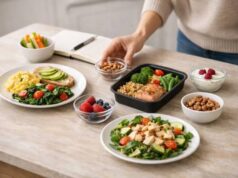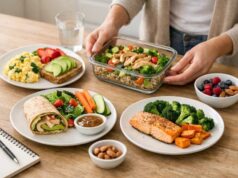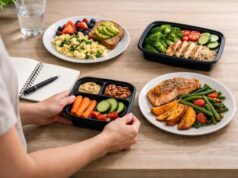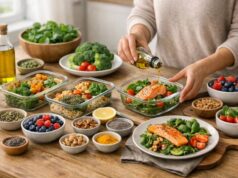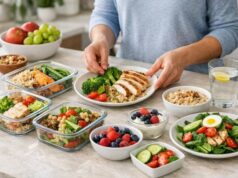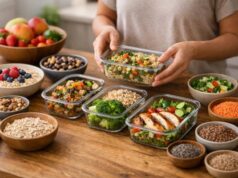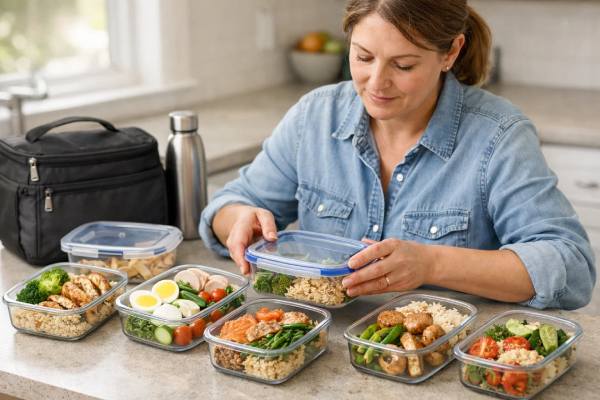
High-protein lunch meal prep can make weight loss much easier, especially when busy days are the exact times you tend to grab takeout, skip lunch, or snack all afternoon. A well-prepped lunch does more than save time. It gives you a meal with enough protein, volume, and structure to keep hunger under control and make the rest of the day easier to manage.
The best meal prep lunches for weight loss are not bland containers of dry chicken and plain rice. They are practical, packable meals that taste good cold or reheated, travel well, and fit a calorie deficit without leaving you hungry an hour later. This guide covers what makes a lunch prep effective, how much protein to aim for, the best ingredients to use, easy meal ideas, storage tips, and common mistakes that make lunch prep less helpful than it should be.
Table of Contents
- Why high-protein lunch prep works
- What a good weight loss lunch needs
- Best proteins for packable lunches
- Easy high-protein lunch prep ideas
- How to prep lunches for the week
- Mistakes that ruin lunch meal prep
- How to keep lunches satisfying in a deficit
Why high-protein lunch prep works
Lunch is where many weight loss plans quietly fall apart. Breakfast may be structured, and dinner may be planned, but lunch often gets pushed aside by work, errands, meetings, or commuting. Then the day turns into a random mix of vending machine snacks, restaurant meals, or grazing that never feels satisfying.
High-protein lunch meal prep helps solve that by removing the decision at the exact point when your schedule is least reliable. Instead of hoping you find something balanced when you are already hungry, you already have a meal ready. That alone can reduce impulsive choices.
Protein matters because it tends to make meals more filling and more stable than lunches built mostly around refined carbs or small snack-style foods. A lunch with chicken, Greek yogurt, tuna, tofu, eggs, turkey, or lean beef usually has more staying power than one built around crackers, a pastry, or a plain salad with very little substance. When lunch is satisfying, it becomes easier to avoid the 3 p.m. snack spiral and the oversized dinner that often follows an underpowered midday meal.
Meal prep also helps with consistency. You do not need a perfect lunch every day. You need one that is good enough, repeatable, and easy to bring. That is the real advantage. Most people do not overeat because they lack nutrition knowledge. They overeat because the easiest available option is not aligned with their goal.
A good lunch prep system also makes calories easier to manage without obsession. You can build meals around a known portion of protein, add vegetables, include a reasonable carb source, and repeat the formula across several days. That structure pairs well with broader strategies like building a sustainable calorie deficit and choosing foods that work well in a fat-loss phase.
The biggest win is practical, not theoretical: high-protein lunch prep lowers the odds that “I was too busy” becomes “I ate whatever was around.”
What a good weight loss lunch needs
A lunch can be high in protein and still not work well for weight loss. The most effective lunches do more than hit a protein number. They also deliver enough volume, flavor, and convenience to make you actually want to eat them.
A strong weight-loss lunch usually has four parts.
1. A meaningful protein portion
For many people, a helpful lunch starts with roughly 25 to 40 grams of protein, depending on body size, goals, and the rest of the day. That often means more than a token amount. A few slices of deli meat or a spoonful of beans may not be enough on their own. The lunch needs real protein structure.
2. Enough food volume
Tiny lunches often backfire. A meal prep container with a moderate amount of protein plus vegetables, fruit, broth-based sides, or higher-volume ingredients usually works better than a tiny “diet lunch” that disappears in six minutes. This is where high-volume, low-calorie foods can make a big difference.
3. A carb or fat source that makes the meal livable
Some people try to make lunch as low-calorie as possible and end up with a joyless bowl of lettuce and chicken. That can work for one day, but not usually for five workdays in a row. A reasonable serving of rice, potatoes, quinoa, beans, fruit, wrap, pasta, avocado, or dressing often makes the meal much more sustainable.
4. Easy packability
This part gets overlooked. A great lunch on paper is not useful if it leaks, smells bad in an office fridge, turns soggy, or requires fifteen minutes of assembly at work. A meal prep lunch needs to survive the container.
Here is a simple framework:
| Part of the meal | Why it matters | Examples |
|---|---|---|
| Protein | Supports fullness and meal structure | Chicken, tuna, tofu, eggs, turkey, Greek yogurt |
| Produce or volume foods | Makes lunch feel bigger for modest calories | Vegetables, salad, slaw, fruit, soup vegetables |
| Smart carb or fat | Improves energy, flavor, and satisfaction | Rice, beans, potatoes, wraps, avocado, dressing |
| Portable format | Makes consistency realistic | Bowls, wraps, boxes, jars, divided containers |
The goal is not to make lunch tiny. It is to make lunch controlled, filling, and easy enough that you will keep bringing it.
Best proteins for packable lunches
Not every protein works equally well in meal prep. The best options are the ones that store well, reheat well or taste fine cold, and keep enough flavor and texture to survive a few days in the fridge.
Chicken breast and chicken thigh
Chicken is one of the most common lunch prep proteins for a reason. It is versatile, easy to batch cook, and works in bowls, wraps, salads, pasta dishes, and grain-based meals. Breast is leaner, while thigh is usually juicier and often more forgiving in meal prep. If dry reheated chicken is the reason you hate lunch prep, thigh may solve part of the problem.
Ground turkey and lean ground beef
These are excellent for meal prep because they can be seasoned in many different ways. Taco-style, Mediterranean-style, burger bowl, and rice skillet formats all work well. They are also easy to portion.
Tuna and salmon
These are especially useful for cold lunches. Tuna salad, salmon rice bowls, or protein snack boxes can work well when reheating is inconvenient. Canned and pouch versions also keep prep simple. For people who like seafood, this overlaps well with pescatarian meal planning.
Greek yogurt and cottage cheese
These are underrated lunch proteins, especially for snack-box lunches, bowls, dips, and cold plates. They can help add protein without relying entirely on meat. Greek yogurt also works well in sauces and dressings.
Eggs
Hard-boiled eggs, egg muffins, and chopped egg salad are useful, affordable options. Eggs alone may not always provide enough protein for a full lunch, but they combine well with yogurt, beans, lean meat, or cheese.
Tofu, tempeh, edamame, and beans
These are especially useful for vegetarian or more plant-forward lunches. Tofu and tempeh work well in stir-fry bowls and noodle or rice dishes. Edamame is easy to add to salads and boxes. Beans are helpful for mixed-protein meals, though they often work best alongside another protein source if you want a higher total.
Deli turkey and rotisserie shortcuts
These are convenience proteins rather than ideal “from scratch” options, but convenience counts. A lunch system you repeat beats a perfect plan you do once. Rotisserie chicken, pre-cooked grilled strips, and deli turkey can reduce friction a lot.
If you want more variety, keeping a rotation from a high-protein foods list can prevent lunch prep from turning into the same chicken-and-rice container forever.
Easy high-protein lunch prep ideas
The best lunch meal prep ideas are not necessarily the fanciest ones. They are the ones that hold up well, taste good on day three, and fit your actual workday. Here are some of the most practical formats.
Chicken rice bowls
Use cooked chicken, rice or potatoes, and roasted vegetables. Change the flavor profile each week with salsa, buffalo seasoning, lemon herb, teriyaki-style seasoning, or taco spices. These are easy to scale and easy to portion.
Turkey taco bowls
Lean ground turkey, seasoned beans, rice or cauliflower rice, salsa, lettuce, and a measured amount of cheese or avocado make a very reliable prep lunch. They feel substantial without needing complicated ingredients.
Greek yogurt protein boxes
Combine Greek yogurt, fruit, boiled eggs, sliced turkey, crunchy vegetables, and whole-grain crackers. This works well if you prefer a cold lunch or do not have a microwave.
High-protein pasta salad
Use chickpea pasta, regular pasta with extra chicken, tuna, or turkey, then add chopped vegetables and a lighter dressing. Pasta salad can be very meal-prep friendly when it is built around protein rather than mostly noodles.
Tuna or salmon boxes
Pair tuna or salmon with chopped vegetables, fruit, crackers, edamame, or boiled potatoes. This is especially helpful for people who want a no-reheat lunch that still feels like a meal.
Chicken wraps
Meal prep the filling rather than assembling everything too early. Store chicken, slaw, chopped vegetables, and sauce separately, then wrap the night before or morning of. This avoids sogginess.
Egg and potato bowls
Eggs, egg whites, roasted potatoes, vegetables, and some lean meat can work very well if you like breakfast-for-lunch style meals. They also reheat quickly.
Mason jar salads with protein
Layer dressing at the bottom, then hearty vegetables, beans or grains, protein, and greens on top. This preserves texture better than tossing everything together in advance.
Bento-style lunch boxes
These are excellent for people who get bored easily. A protein, fruit, crunchy vegetables, dip, and a small carb portion can feel fresher than one mixed bowl every day.
Soup and side protein lunch
Prep a broth-based soup with vegetables and beans, then add a side of chicken, Greek yogurt, eggs, or cottage cheese. Soups can be surprisingly filling when built properly.
These lunches work best when you think in formats instead of recipes. Once you know your favorite two or three structures, you can swap ingredients without reinventing lunch every week. This also connects naturally with make-ahead healthy lunch ideas and macro-friendly meal ideas.
How to prep lunches for the week
Meal prep gets much easier when you stop treating it like a full-day cooking event. You do not need ten recipes. You need a simple system.
A practical lunch prep session usually starts with three decisions:
- choose your protein
- choose your starch or base
- choose your vegetables and sauce
That is enough to build four to five lunches without much stress.
Step 1: Pick one or two proteins
Choose proteins that can be cooked in batches, such as chicken, turkey, tuna mix, tofu, boiled eggs, or rotisserie chicken. Too much variety creates extra work.
Step 2: Prep a base
Cook rice, potatoes, quinoa, pasta, beans, or wraps depending on the type of lunch you want. This step is what turns random ingredients into actual meals.
Step 3: Add produce and texture
Roast vegetables, wash greens, chop crunchy vegetables, prep fruit, or portion frozen vegetables for reheating. Texture matters a lot in repeat lunches.
Step 4: Keep sauces controlled but separate when possible
Sauce makes meal prep more enjoyable, but it can also create sogginess or calorie creep. Portion it on the side when it helps with freshness.
Step 5: Use containers that match the lunch
Bowls work for rice meals, divided containers help snack-box lunches, and jars help salads. The right container can improve consistency more than a new recipe.
Here is a simple weekly setup:
| Prep item | Do once | Use across lunches |
|---|---|---|
| Protein | Cook 4 to 5 servings | Bowls, wraps, salads, boxes |
| Carb base | Cook a batch | Rice bowls, pasta salads, lunch boxes |
| Vegetables | Roast or chop once | Adds volume and variety all week |
| Sauce or dressing | Mix or portion once | Improves flavor without guesswork |
A one-hour system often works better than a perfect one. If you want a broader rhythm for the whole week, a one-hour weekend meal prep plan can help make lunch prep feel less like a separate chore.
Mistakes that ruin lunch meal prep
Meal prep fails are usually not about lack of discipline. They are about building lunches that are too boring, too small, too complicated, or too fragile to hold up.
Mistake 1: Making lunch too low-calorie
A lunch that is technically light but not filling often creates bigger problems later. If lunch leaves you hungry within an hour, you are more likely to snack, overeat at dinner, or lose control around convenience foods. Weight-loss lunches should be controlled, not punishing.
Mistake 2: Using dry protein
Dry chicken is one of the fastest ways to stop prepping lunches. Use marinades, seasoning, darker cuts when appropriate, sauces on the side, or gentler cooking methods. Good texture matters.
Mistake 3: Not thinking about reheating
Some lunches are great fresh and disappointing on day three. Delicate greens, soggy wraps, and overcooked vegetables can make a solid nutrition plan feel miserable. Prep with storage in mind.
Mistake 4: Repeating the exact same lunch too long
Even a good lunch can become unappealing if you eat it for ten straight workdays. It helps to rotate flavors, sauces, or formats even when the core ingredients stay similar.
Mistake 5: Ignoring convenience
If your lunch requires plates, reheating, chopping, mixing, and a clean workspace, you may stop using it. Busy-day lunches should be close to grab-and-go. This is where shortcuts and good grocery planning matter more than culinary ambition.
Mistake 6: Forgetting add-ons and sides
Sometimes the main lunch is solid, but the day still goes off track because there is nothing to pair with it. Fruit, crunchy vegetables, yogurt, or a high-protein side can help prevent that “I still need something” feeling. If this happens often, planned high-protein snacks can support lunch rather than compete with it.
Mistake 7: Letting lunch become a hidden calorie trap
Meal prep can look healthy while still being calorie-heavy because of oversized rice portions, heavy sauces, cheese, oils, and “healthy” add-ons. This does not mean those foods are bad. It means they need awareness.
How to keep lunches satisfying in a deficit
The most successful high-protein lunch meal prep for weight loss is not just high in protein. It is satisfying enough that you do not spend the afternoon hunting for more food.
The easiest way to do that is to combine protein with volume and flavor. A good lunch usually includes a real protein portion, a reasonable carb or fat source, vegetables or fruit, and a taste profile you actually enjoy. Satisfaction is not a luxury. It is part of adherence.
A few strategies help a lot:
- use enough seasoning so the meal feels like food, not a punishment
- include produce for volume and freshness
- do not fear a moderate carb portion if it helps the meal feel complete
- pair lunch with a planned side when needed
- avoid saving all calories for dinner if lunch is your weak point
For many people, the sweet spot is a lunch that lands somewhere in the middle: substantial enough to control appetite, but not so large that it feels heavy or hard to pack. That balance often improves when you use visual structure, such as a protein anchor plus vegetables plus a starch, rather than guessing. If you prefer a more general system, the plate method and visual portion guide can make this easier.
It also helps to think beyond grams of protein alone. A lunch with 35 grams of protein but almost no volume may be less satisfying than a lunch with 30 grams of protein, vegetables, fruit, and a moderate carb portion. The full meal matters.
The last point is practical: pack lunches you actually want at 12:30 p.m. on a stressful day. Weight loss rarely depends on finding the most optimized container in theory. It depends on whether the lunch waiting in your bag is good enough to beat the cafeteria line, drive-thru, or snack drawer.
When lunch becomes automatic, high-protein, and satisfying, busy days stop feeling like the enemy of progress.
References
- How to Have Healthier Meals and Snacks 2024 (Official Guidance)
- Tips for Healthy Eating for a Healthy Weight 2025 (Official Guidance)
- Healthy Eating Tips 2026 (Official Guidance)
- Dietary Guidelines for Americans, 2020-2025 2021 (Guideline)
Disclaimer
This article is for general educational purposes only and is not a substitute for professional medical advice, diagnosis, or treatment. If you have kidney disease, diabetes, digestive conditions, food allergies, or a medical condition that affects your protein needs or meal planning, get individualized advice from your clinician or a registered dietitian before making major nutrition changes.
If this article helped, please share it on Facebook, X, or your preferred platform so others can build easier, more satisfying lunches for busy days.