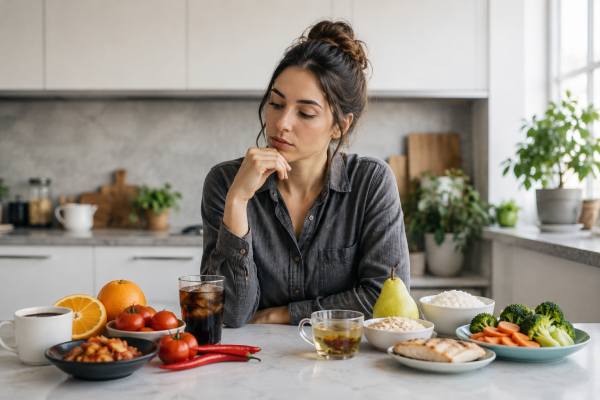
Interstitial cystitis, also called bladder pain syndrome, is frustrating because symptoms often change from week to week. A food that feels fine once might cause burning, urgency, pressure, or pelvic pain another time, especially during stress, poor sleep, constipation, hormonal changes, or an active flare.
Diet does not cure interstitial cystitis. It does, however, give many people a practical way to reduce avoidable irritation. The goal is not to live on a tiny list of “safe” foods forever. The goal is to calm the bladder, identify personal triggers, and build meals that are satisfying enough to stick with.
Most IC diet plans start with the same pattern: remove the most common bladder irritants for a short period, track symptoms, then reintroduce foods one at a time. This helps separate true triggers from foods that were blamed only because symptoms were already active.
Table of Contents
- How Diet Affects IC Flares
- Most Common Foods That Trigger IC
- What to Eat Instead
- How to Test Your Personal Triggers
- Meal Planning Without Over-Restricting
- What to Eat During a Flare
- Common Mistakes That Make the Diet Harder
- When Diet Is Not Enough
How Diet Affects IC Flares
Interstitial cystitis causes bladder-related pain, pressure, urgency, and frequent urination without a simple infection explaining the symptoms. Some people feel pain as the bladder fills. Others feel burning after urination, pelvic aching, or a constant need to pee even when little comes out. A full guide to IC symptoms and treatment options is useful when symptoms are new, changing, or hard to separate from other urinary problems.
Food matters because urine carries food byproducts into direct contact with the bladder lining. In a sensitive bladder, acidic drinks, caffeine, alcohol, carbonation, hot spices, artificial sweeteners, and certain additives often sting or intensify urgency. The reaction is not the same as a food allergy. It is usually more like irritation: symptoms rise after the food or drink reaches the bladder.
Timing gives important clues. A bladder trigger often causes symptoms within a few hours, though some people notice the effect later the same day or the next morning. A large coffee, tomato-heavy dinner, citrus smoothie, spicy takeout meal, or several carbonated drinks in one day is more likely to stand out than a tiny amount hidden in a recipe.
The dose matters too. Someone might tolerate a small slice of mild tomato on a sandwich but flare after pasta with tomato sauce, salsa, and red wine. Another person might handle weak tea but not strong coffee. This is why IC diets work best as structured testing rather than permanent avoidance of every food that appears on a trigger list.
Diet also interacts with non-food triggers. Stress, tight pelvic floor muscles, sex, constipation, menstruation, dehydration, long car rides, and poor sleep can lower the bladder’s tolerance. On a calm week, a small portion of a borderline food might be fine. During a flare, the same food can feel like a mistake. That does not mean the food is always forbidden; it means timing and symptom state matter.
Most Common Foods That Trigger IC
The most common IC food triggers fall into a few practical groups. These foods are not “bad” foods in general. They are common bladder irritants, especially for people whose bladder lining and pelvic nerves are already sensitive. A broader look at foods and drinks that trigger urgency helps explain why the same items also bother people with overactive bladder or bladder pain.
| Trigger group | Common examples | What to try instead |
|---|---|---|
| Citrus and acidic fruit | Orange, grapefruit, lemon, lime, pineapple, cranberry juice | Pears, blueberries, melon, peeled apple, diluted pear juice |
| Caffeinated drinks | Coffee, black tea, green tea, energy drinks, cola | Water, low-acid herbal tea, warm milk, caffeine-free grain drinks |
| Alcohol | Wine, beer, cocktails, hard seltzer | Sparkling-free mocktails made with pear juice, cucumber water, milk-based drinks |
| Tomato foods | Tomato sauce, salsa, ketchup, pizza sauce, chili | Olive oil herb sauce, roasted red pepper only if tolerated, garlic-free cream sauce, pesto without lemon |
| Spicy foods | Hot sauce, chili flakes, jalapeños, cayenne, curry heat | Basil, thyme, rosemary, oregano, ginger only if tolerated |
| Artificial sweeteners and additives | Diet soda, sugar-free gum, Equal, saccharin, aspartame, MSG | Small amounts of sugar, maple syrup, honey, simple homemade sauces |
| Chocolate and highly processed sweets | Chocolate bars, cocoa drinks, chocolate desserts | Vanilla pudding, rice pudding, shortbread, pear crisp without citrus |
| Vinegar and pickled foods | Pickles, vinaigrette, mustard, relish, vinegar chips | Olive oil with herbs, creamy mild dressings, cucumber slices without vinegar |
Citrus is one of the easiest triggers to spot because it is sharp, acidic, and common in drinks. Orange juice, lemonade, grapefruit, lime-flavored sparkling water, and citrus-based marinades all count. Even small amounts of lemon juice in salad dressing or fish sauce bother some people during active bladder burning. If citrus is a clear trigger, a focused guide to citrus and bladder irritation gives more swap ideas.
Coffee is another major trigger because it combines acidity, caffeine, and a strong bladder-stimulating effect. Decaf coffee is not always safe because it still contains coffee acids and small amounts of caffeine. Some people do better with low-acid coffee, cold brew diluted with milk, or a non-coffee warm drink. Others need a full break before testing smaller amounts. For people who miss the routine more than the caffeine, coffee alternatives for bladder pain can make mornings feel less restricted.
Tomato products are a problem because they are concentrated and acidic. Fresh tomato slices are usually less intense than tomato paste, pizza sauce, marinara, ketchup, salsa, or canned tomato soup. A pasta dinner with tomato sauce, red pepper flakes, wine, and chocolate dessert stacks several triggers in one meal, making it hard to know which one caused symptoms.
Spicy foods are not limited to obvious heat. Hot sauce, chili oil, cayenne, jalapeños, pepper-heavy seasoning blends, and spicy restaurant sauces all irritate a sensitive bladder. Some people also react to strong black pepper. Flavor does not have to disappear; it just needs to shift toward gentler herbs. Basil, parsley, dill, thyme, rosemary, sage, and a little garlic-infused oil add flavor without the burn of capsaicin. More detailed swaps for spicy foods and bladder burning are helpful for people who rely on hot sauce or heavily seasoned meals.
Artificial sweeteners deserve special attention because they hide in diet drinks, sugar-free gum, protein bars, flavored waters, low-calorie yogurt, “zero sugar” drink mixes, and some medications or supplements. If urgency spikes after sugar-free products, check labels for aspartame, saccharin, sucralose, acesulfame potassium, and sugar alcohols.
What to Eat Instead
A useful IC diet is built around foods that are less acidic, less stimulating, and less processed. These foods are not guaranteed for every person, but they are common starting points when the bladder needs a calmer routine. For a deeper food-by-food list, use low-acid IC foods as a practical companion.
Good breakfast options include oatmeal with blueberries, scrambled eggs with toast, plain yogurt if tolerated, rice cereal with milk, cottage cheese with pears, or a simple breakfast sandwich without spicy sauce. If fruit causes worry, start with pears, blueberries, melon, or a peeled apple in a small serving. Avoid turning breakfast into a citrus-and-caffeine meal by pairing orange juice with coffee.
Lunch works best when it is simple and repeatable. Try turkey and avocado on plain bread, chicken and rice soup without tomato, a baked potato with mild toppings, pasta with olive oil and herbs, or a rice bowl with chicken, cucumber, carrots, and a mild yogurt-based sauce. Restaurant lunches are harder because sauces, dressings, pickles, tomatoes, pepper blends, and vinegar appear without warning.
Dinner does not need to be bland. A bladder-friendlier dinner could be baked salmon with rice and green beans, roasted chicken with potatoes and carrots, turkey meatballs in a mild cream sauce, pasta with olive oil and basil, or a tofu stir-fry without chili, citrus, vinegar, or soy-heavy sauce if soy bothers you. Season with herbs first, salt lightly, and add heat only after you know it is safe for your bladder.
Snacks help because long gaps without food leave some people relying on coffee, soda, or convenience foods. Try plain crackers, mozzarella, a boiled egg, pear slices, rice cakes with peanut butter if tolerated, vanilla yogurt, homemade muffins without citrus, or a small bowl of cereal. If nuts bother your bladder or your gut, skip them during the testing phase and bring them back later.
Drinks matter as much as food. Water is the safest baseline, but it does not need to be ice-cold or consumed in huge amounts. Warm water, cucumber water, milk, oat milk, and mild herbal teas are common options. Chamomile and marshmallow root tea are often used by people with bladder discomfort, though herbs can interact with medications and are not automatically safe for everyone.
A helpful plate formula is simple: one protein, one starch, one vegetable, one mild fat, and one gentle flavor. For example, chicken, rice, zucchini, olive oil, and basil. Or eggs, toast, spinach if tolerated, butter, and parsley. This structure keeps meals filling while limiting the number of possible irritants.
How to Test Your Personal Triggers
Trigger testing works best when it is calm and boring. That sounds unappealing, but it prevents confusion. If you remove ten foods, sleep poorly, drink less water, start a new supplement, and eat restaurant meals in the same week, symptom changes become impossible to interpret.
Start with a two-to-four-week reset. During this period, avoid the most common irritants: coffee, tea with caffeine, soda, alcohol, citrus, tomato products, spicy foods, chocolate, artificial sweeteners, MSG, vinegar-heavy foods, and cranberry juice. Build meals from lower-acid staples and keep them consistent. The reset is not meant to be forever. It gives the bladder a quieter background so testing has meaning.
Use a daily symptom record. A simple bladder diary should include meals, drinks, urgency, pain, frequency, nighttime urination, bowel movements, stress, sleep, sex, exercise, and menstrual cycle timing if relevant. Rate pain and urgency from 0 to 10. The pattern matters more than any single day.
Reintroduce one item at a time. Pick one food, eat a small amount in the morning or at lunch, and keep the rest of the day familiar. Wait 24 to 48 hours before testing another food. If symptoms rise clearly, stop that item and return to your calm baseline until symptoms settle. Then test something else.
Portion size should be part of the test. For example, test two tablespoons of tomato sauce before trying a full bowl of pasta. Test a quarter cup of weak coffee with milk before a large black coffee. Test one square of chocolate before a chocolate dessert. A food that fails at a large dose might still fit in small amounts once symptoms are stable.
Test food categories separately. Do not test pizza as “tomato.” Pizza includes tomato sauce, cheese, yeast, grease, spices, and sometimes pepperoni. Do not test a margarita as “lime.” It includes alcohol, citrus, sweetener, and carbonation if mixed. Testing one variable at a time gives cleaner answers.
Keep a “sometimes” list. Many IC patients do not need a strict yes-or-no food list. A more useful system has three columns: usually safe, usually triggers, and only when stable. The third column protects variety without pretending your bladder reacts the same way every day.
Meal Planning Without Over-Restricting
The biggest diet risk with IC is not eating too many tomatoes. It is shrinking the diet until meals become stressful, repetitive, and nutritionally weak. A strict diet also makes social eating harder, which adds another layer of stress to an already painful condition.
Build a core menu first. Choose two breakfasts, three lunches, three dinners, and four snacks that feel safe enough to repeat. Keep ingredients simple. Once symptoms are calmer, expand from that base. This works better than trying a new recipe every night while also tracking pain.
A sample starter day might look like this:
- Breakfast: oatmeal with blueberries and milk
- Lunch: turkey sandwich with lettuce, avocado, and mild cheese
- Snack: pear slices with plain crackers
- Dinner: baked chicken, rice, carrots, and green beans with olive oil and herbs
- Drink: water spread through the day
Batch cooking reduces accidental triggers. Cook plain rice, potatoes, pasta, chicken, turkey, eggs, or tofu ahead of time. Keep mild sauces separate. When you are tired or flaring, it is easier to assemble a safe meal than to order food with hidden vinegar, chili, citrus, or tomato.
Read labels for acids and sweeteners. Watch for citric acid, ascorbic acid, phosphoric acid, vinegar, tomato powder, chili extract, “natural flavors” in citrus-flavored products, MSG, and artificial sweeteners. Not every ingredient will bother every person, but labels help when symptoms flare after packaged foods.
Restaurant eating needs a short script. Ask for grilled protein without spice rub, sauce on the side, no citrus garnish, no tomato, no pickles, and a simple starch or vegetable. Plain rice, baked potato, eggs, grilled chicken, fish, oatmeal, and mild sandwiches are usually easier than soups, salad dressings, marinades, tacos, pizza, barbecue, and spicy Asian sauces.
Do not cut entire food groups unless you have a clear reason. Dairy, gluten, soy, eggs, nuts, and beans are not automatic IC triggers. Some people react to individual items within those groups, while others tolerate them well. Removing too much at once creates a diet that is hard to maintain and difficult to interpret.
Fiber matters because constipation often worsens bladder pressure and urgency. If high-fiber foods bother your bladder or gut, increase slowly and choose gentler options such as oats, peeled fruit, potatoes, rice, carrots, squash, and small servings of beans only if tolerated. A full bowel can press on the bladder and make urgency worse, so bowel habits belong in the same diary as food triggers.
What to Eat During a Flare
During a flare, the goal is to reduce stimulation. This is not the time to test salsa, coffee, wine, orange juice, or a new supplement. Use a short, calm-food plan for a few days, then return to a wider diet once symptoms settle.
Choose plain, filling meals. Good flare meals include oatmeal, rice, potatoes, eggs, chicken soup without tomato, pasta with olive oil, mild turkey sandwiches, scrambled eggs, plain yogurt if tolerated, and cooked vegetables. Cooked foods often feel gentler than raw acidic foods, crunchy salads with dressing, or heavily seasoned takeout.
Drink enough water to keep urine from becoming very concentrated, but do not force large amounts. Overdrinking can increase frequency and bladder stretching. A steady pattern is better: small amounts through the day, with less fluid close to bedtime if nighttime urination is a problem.
Avoid stacking triggers. A flare day with coffee, tomato soup, spicy chips, diet soda, and wine is much harder to recover from than one small questionable food. If you decide to keep a comfort item, keep the rest of the day very simple.
Some people use calcium glycerophosphate before acidic foods, but it is not a free pass to eat unlimited triggers. It also is not appropriate for every health situation. People with kidney disease, calcium-related stone risk, medication interactions, pregnancy, or complex medical histories should ask a clinician before using supplements regularly.
Heat, stress reduction, loose clothing, and pelvic floor relaxation often matter as much as food during a flare. A bladder flare is not always caused by the last thing you ate. If you also had a long car ride, constipation, sex, poor sleep, or intense stress, record that context before blaming one food permanently.
Seek care promptly if symptoms are different from your usual IC pattern. Fever, chills, flank pain, vomiting, visible blood in urine, pregnancy, new severe pain, or burning with a positive infection test needs medical attention. IC and urinary tract infections can feel similar, and a person with IC can still get a real infection.
Common Mistakes That Make the Diet Harder
One common mistake is treating every IC food list as a permanent rulebook. Food lists are starting points, not verdicts. They show common irritants, but they do not know your bladder, your portion size, your medications, your bowel habits, or your flare pattern.
Another mistake is testing too many foods at once. A “cheat meal” with pizza, soda, chocolate, and wine gives no useful information. If symptoms rise, any one of those items could be responsible, or the combination could be the problem. Structured testing is slower, but it gives answers you can use.
Many people also overlook drinks. A nearly perfect low-acid meal plan will not work well if the day still includes coffee, diet soda, citrus-flavored water, energy drinks, or evening alcohol. Drinks reach the bladder quickly and often have a stronger effect than solid food.
Relying on bland ultra-processed foods is another trap. Plain crackers, white bread, and noodles are useful during a flare, but they should not become the whole diet. Over time, add protein, vegetables, gentle fruits, healthy fats, and fiber so the plan supports energy, bowel regularity, and general health.
Some people confuse “acidic in the body” with “acidic to the bladder.” Internet alkaline diet claims often oversimplify IC. The practical question is not whether a food sounds acidic in a wellness chart. The practical question is whether that specific food worsens your bladder symptoms when tested in a controlled way.
Supplements can also muddy the picture. Vitamin C, cranberry capsules, green tea extract, pre-workout powders, energy products, acidic electrolyte mixes, and some herbal blends are common bladder irritants. If symptoms flare after a “healthy” product, check the full ingredient list. For people who use flavored hydration products, kidney or electrolyte issues add another reason to review labels carefully.
Finally, do not ignore pelvic floor dysfunction. Tight pelvic floor muscles can cause burning, urgency, pain after urination, pain with sex, and UTI-like symptoms. Food changes help less when the main driver is muscle tension or nerve sensitivity. If symptoms feel pelvic, vaginal, urethral, rectal, or muscular as much as bladder-based, a guide to pelvic pain and urinary symptoms can help sort out the overlap.
When Diet Is Not Enough
Diet is one part of IC management, not the whole treatment plan. If careful food changes only slightly improve symptoms, that does not mean you failed. It means your bladder pain has other drivers too.
Medical evaluation matters when symptoms are new, worsening, or unusual. A clinician may check urine for infection, blood, or other findings. Depending on symptoms, they might discuss pelvic exam findings, prostate symptoms in men, cystoscopy, pelvic floor therapy, bladder treatments, oral medications, pain management, or other causes of urinary burning. If repeated UTI tests are negative but symptoms continue, UTI-like symptoms with a negative test deserve a broader look.
A registered dietitian can help if your food list has become too small, you are losing weight unintentionally, you have diabetes, kidney disease, IBS, eating disorder history, pregnancy, or multiple food restrictions. IC diets are personal, but they still need enough protein, calories, fiber, vitamins, and minerals.
Pelvic floor physical therapy is often useful when urgency and pain come with pelvic tightness, painful sex, constipation, tailbone pain, hip pain, or pain that worsens after sitting. Kegels are not always the answer. In IC and pelvic pain, the issue is often overactive or tight muscles, so relaxation and coordination matter more than strengthening.
Bring your diary to appointments. A clear record of foods, drinks, flares, urination patterns, pain scores, bowel habits, and possible non-food triggers gives your clinician more useful information than a general statement such as “everything bothers me.” It also shows whether your diet changes are helping enough to keep using them.
The best IC diet is flexible, tested, and livable. Start with common triggers, calm the bladder, reintroduce foods carefully, and protect nutrition. A narrow diet might feel safer in the short term, but a well-tested diet gives you more confidence, more variety, and better control over daily choices.
References
- Eating, Diet, & Nutrition for Interstitial Cystitis 2024 (Government Health Information)
- Dietary Influence on Bladder Pain Syndrome: A Systematic Review 2024 (Systematic Review)
- 2025 Canadian Urological Association Guideline: Selected treatment recommendations for interstitial cystitis/bladder pain syndrome 2025 (Guideline)
- Food Sensitivities in a Diverse Nationwide Cohort of Veterans with Interstitial Cystitis/Bladder Pain Syndrome 2023 (Cohort Study)
- Nutritional Considerations for Bladder Storage Conditions in Adult Females 2023 (Review)
- Anti-Inflammatory Diet for Women with Interstitial Cystitis/Bladder Pain Syndrome: The AID-IC Pilot Study 2022 (Pilot Study)
Disclaimer
This article is for education about diet and interstitial cystitis and does not diagnose bladder pain, urinary urgency, or pelvic symptoms. IC symptoms can overlap with urinary tract infections, kidney stones, gynecologic conditions, prostate problems, and pelvic floor dysfunction. Work with a qualified clinician or registered dietitian before making major diet changes, using supplements, or delaying medical care for new, severe, or unusual urinary symptoms.