Anise hyssop (Agastache foeniculum) is a fragrant North American member of the mint family, loved for its licorice-like aroma, violet flower spikes, and easy-going role as both a garden plant and a soothing tea herb. Traditionally, the leaves and flowering tops have been used to settle the stomach after heavy meals, ease mild nausea and gas, and provide gentle comfort during seasonal throat irritation or cough. Many people also value anise hyssop as an evening tea: it can feel calming without being overly sedating, especially when tension and digestion are linked.
What makes anise hyssop distinctive is its chemistry. Like many aromatic mints, it contains volatile oils and polyphenols that shape its taste, scent, and potential effects. At the same time, some chemotypes are rich in estragole, a compound that raises safety questions at high, concentrated exposures. That does not make the herb “dangerous,” but it does encourage a practical approach: favor tea-level use, keep doses moderate, and avoid concentrated essential oil internally unless guided by a qualified professional.
Quick Overview
- Anise hyssop tea may support digestion and reduce mild gas and post-meal discomfort.
- Avoid long-term, high-dose use of concentrated extracts or essential oil, especially if the product is high in estragole.
- Typical tea dosing is 1–2 g dried leaf and flower per cup (240 ml), up to 2–3 cups daily.
- Avoid during pregnancy and use extra caution in children, people with liver disease, or anyone using concentrated essential oils.
Table of Contents
- What is anise hyssop?
- Key ingredients and actions
- Does it help digestion?
- Does it help with stress?
- How to use anise hyssop
- How much anise hyssop per day?
- Side effects, interactions, and evidence
What is anise hyssop?
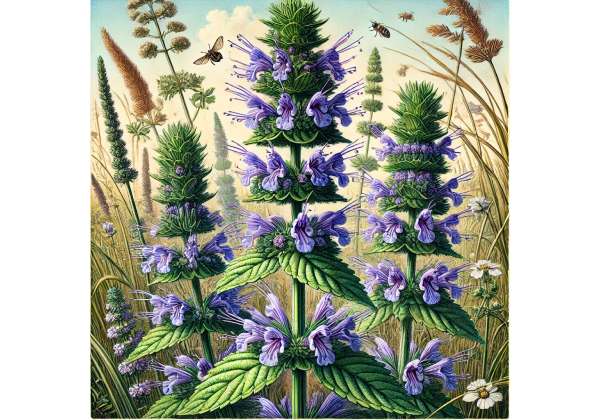
Anise hyssop is a hardy, aromatic perennial in the mint family (Lamiaceae). It typically grows 60–120 cm tall, with toothed leaves, square stems, and dense flower spikes that bloom in mid to late summer. The plant is known for attracting bees and other pollinators, but its household value often comes from the kitchen: the leaves smell like anise or licorice, and the taste is sweetly herbal with a mild bitterness that can feel “warming” in the stomach.
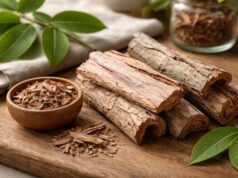
Parts used: Most herbal preparations use the leaves and flowering tops. The aerial parts are generally preferred because they brew into a pleasant tea and carry the plant’s aromatic oils. The essential oil can also be distilled, but it is a concentrated product and should be treated differently from food-level or tea-level use.
Common names and mix-ups:
- “Anise hyssop” is not true anise (Pimpinella anisum) and not true hyssop (Hyssopus officinalis). The name reflects aroma and appearance, not botanical identity.
- It is sometimes sold under older or alternate naming (for example, “giant hyssop” in the broader genus), which can be confusing. When buying supplements, the Latin name Agastache foeniculum matters.
Traditional and modern use patterns:
Anise hyssop sits in a useful middle ground between culinary herb and gentle medicinal tea. People tend to reach for it when they want comfort rather than a dramatic “active” effect. Common modern uses include:
- Post-meal tea for gas, mild nausea, or a heavy feeling in the stomach
- A warm infusion during seasonal throat irritation
- An evening tea for mild tension, especially when stress affects digestion
- Aromatic support in herbal blends, where flavor improves consistency and compliance
A practical way to think about it:
Anise hyssop is best viewed as a daily-life herb—the kind you use in cups of tea, not in high-dose extracts unless you have a clear reason and good guidance. Its benefits are often subtle but meaningful: smoother digestion, easier unwinding, and comfort when you want something warm and fragrant that does not overwhelm the body.
If you enjoy growing your own, anise hyssop is one of the easier medicinal herbs to cultivate. Harvesting the leaves and flower spikes just as blooms open usually gives the most aromatic cup, and drying the herb promptly helps preserve its scent.
Key ingredients and actions
Anise hyssop’s effects are strongly tied to aroma. When an herb smells like something, it is usually carrying volatile compounds that interact with digestion, the nervous system, and the respiratory tract through both taste and scent. In Agastache foeniculum, two groups stand out: volatile oils and polyphenols.
1) Volatile oils (aromatic compounds)
The plant’s essential oil fraction can contain compounds such as estragole and other terpenes and phenylpropanoids. The exact profile can vary significantly by growing conditions and by chemotype (a natural chemical “style” within the species). This variability is one reason different products can feel noticeably different—one tea may taste softer and sweeter, another sharper and more licorice-forward.
From a functional perspective, aromatic oils can:
- Stimulate saliva and digestive secretions, improving “readiness” for food
- Support normal gut motility, which may reduce trapped gas
- Feel gently relaxing to smooth muscle, which can ease crampy discomfort
- Provide a pleasant sensory “downshift,” helping the body move from stress into rest
Because aroma is central, warm preparations often work better than cold ones. Heat helps volatile compounds disperse, and the steam itself can be part of the experience.
2) Polyphenols (including rosmarinic acid and flavonoids)
Like many mint-family herbs, anise hyssop contains polyphenols that contribute to antioxidant and soothing properties. These compounds are not usually the reason people feel immediate effects after one cup, but they likely support the herb’s longer-term “gentle tonic” reputation. Polyphenols may help by:
- Supporting a balanced inflammatory response in tissues
- Protecting cells from oxidative stress
- Contributing mild antimicrobial activity in laboratory settings (not the same as treating infections)
3) Bitters and “digestive tone”
Even though anise hyssop is not a classic bitter herb, it often has a light bitterness underneath the sweetness. That bitter edge can help trigger digestive reflexes, especially when appetite is low or digestion feels sluggish.
A safety-relevant ingredient: estragole
Estragole deserves special mention because it is often highlighted in safety discussions. The key practical point is that risk is dose- and concentration-dependent. Tea-level exposure is not the same as essential oil exposure. Products that concentrate volatile oils—especially essential oil taken internally—can deliver much higher amounts than traditional tea use. For most people, the sensible approach is:
- Use the herb mainly as tea, culinary seasoning, or modest tincture doses
- Avoid internal use of essential oil unless a qualified professional advises it
- Keep long-term, daily high-dose extract use off the table unless there is a clear clinical rationale
If you are choosing between anise hyssop and true anise for flavor-driven digestive comfort, this comparison can be helpful: anise uses and digestive benefits.
Does it help digestion?
Digestive support is one of the most consistent reasons people use anise hyssop. It is not a “strong medicine” in the way that stimulant laxatives or intense bitters can be, but it often fits a real-life need: mild nausea, gassiness, and that uncomfortable sensation of food sitting heavily after a rushed or rich meal.
What it may help with
Anise hyssop is most commonly used for:
- Mild gas and bloating
- Post-meal discomfort or “heaviness”
- Mild nausea tied to stress or overeating
- Occasional cramping associated with trapped gas
- Appetite support when stress dulls hunger cues
The herb’s aromatic profile is a good match for digestion because aroma and taste can activate the nervous system pathways that regulate gastric secretions and motility. For many people, the benefit is less about “forcing” digestion and more about helping the gut return to a comfortable rhythm.
When it tends to work best
Anise hyssop often shines in these situations:
- Digestive discomfort is mild to moderate, not severe or sharp
- Symptoms worsen with stress, late meals, or heavy foods
- Warm drinks feel soothing, while cold drinks make bloating worse
- You want a gentle option that is easy to repeat for a few days
How to use it for digestion (practical timing)
You can match the timing to the problem:
- For low appetite or sluggish digestion: 10–20 minutes before meals
- For gas and heaviness: after meals, especially after dinner
- For stress-related nausea: slowly sip a warm cup and focus on steady breathing
If you want a more immediate “gas-relief” effect, some people find peppermint stronger for post-meal bloating. This page can help you compare approaches: peppermint for digestive and gas support.
A simple digestion-focused tea method
- Use 1–2 g dried leaf and flower per cup (about 240 ml)
- Steep covered for 10–15 minutes
- Drink warm, not scalding
- For a heavier meal, sip one cup within an hour after eating
Covering the cup matters because it retains aromatic compounds that can otherwise evaporate quickly.
When it may not be a good fit
Gentle does not mean universally appropriate. Consider avoiding anise hyssop as your first self-care choice if:
- Heartburn or reflux is your main symptom and herbs often worsen it
- You have a known ulcer or unexplained stomach pain
- Symptoms include vomiting, persistent diarrhea, blood in stool, black stools, fever, or unintentional weight loss
- Abdominal pain is severe, localized, or worsening
In those situations, a diagnosis is more important than experimenting with herbs.
A realistic expectation
Many people notice benefits in a few days, not necessarily in a single cup. The goal is often a gradual shift: less bloating after meals, less “tight” nausea, and a smoother appetite pattern. Used this way, anise hyssop can be a steady, comforting tool rather than a dramatic intervention.
Does it help with stress?
Anise hyssop is often described as “calming,” but the effect is usually gentle—more like easing the edges of tension than acting like a strong sedative. This makes it useful for people who want a soothing tea that does not leave them foggy, especially when stress shows up as digestive discomfort, shallow breathing, or difficulty winding down at night.
How it may support calm
There are two main pathways that help explain why anise hyssop can feel relaxing:
- Aromatic nervous system cues
Scent and taste have direct connections to brain pathways involved in mood and stress. A warm, fragrant tea can act as a cue for safety and rest, shifting the body out of “fight or flight.” Even before the herb’s constituents are absorbed, the ritual and aroma can lower perceived tension. - Gut–brain comfort
For many people, anxiety and digestion are tightly linked. When the stomach feels tight, nauseated, or bloated, the brain receives a stream of “alarm” signals. If anise hyssop reduces gut discomfort, calm often follows.
What people use it for
Common self-care use cases include:
- Evening tea to transition into sleep
- Stress-related nausea or a “fluttery” stomach
- Mild tension headaches that come with tight shoulders and shallow breathing
- Irritability during busy periods when appetite is off
How to use it as a calming tea
A practical routine looks like this:
- 1 cup in late afternoon or early evening
- Another cup 30–60 minutes before bed if needed
- Keep the tea moderate in strength (very concentrated brews can be stimulating or irritating for some)
If you want a more clearly “calm-forward” mint-family tea, you might also consider lemon balm for stress and sleep support. Many people rotate between calming herbs to avoid relying heavily on any single plant every day.
When calming herbs can backfire
Even gentle herbs can feel wrong in some situations:
- If you are prone to reflux, an aromatic tea late at night can worsen symptoms
- If you are very sensitive to scents, strong aromatic herbs may trigger headaches
- If anxiety is severe, persistent, or paired with panic symptoms, herbs are not a substitute for professional care
An easy “two-layer” approach
If stress affects digestion, a simple strategy is to pair the herb with behavior changes that amplify the effect:
- Drink tea seated, without screens, for 10 minutes.
- Take slow breaths (for example, inhale 4 seconds, exhale 6 seconds).
- Eat the next meal more slowly and stop at “comfortably full,” not stuffed.
This is not just lifestyle advice for its own sake. It aligns with how aromatic herbs work best: they support the body’s shift into rest-and-digest physiology.
Realistic expectations
Anise hyssop is unlikely to transform clinical insomnia or major anxiety disorders. But for everyday tension—especially when your body feels “held” and digestion is unsettled—it can be a helpful, repeatable ritual that improves comfort and sleep readiness over time.
How to use anise hyssop
Anise hyssop is versatile. You can use it as a simple tea, blend it with other herbs, cook with it, or use it externally in gentle ways. The best method depends on your goal—and on whether you want food-level use or a more medicinal routine.
1) Tea (infusion) for daily use
Tea is the most traditional and practical form because it keeps dosing modest and emphasizes aroma.
Basic method:
- Use 1–2 g dried leaves and flowers per cup (240 ml)
- Pour boiling water, cover, steep 10–15 minutes
- Strain and drink warm
Tips that make a difference:
- Cover while steeping to keep the aromatics from escaping.
- If the tea tastes flat, increase steep time before increasing herb amount.
- Store dried herb in an airtight container away from heat and light; aroma is your freshness indicator.
2) Tincture or glycerite (for convenience)
These are useful when you want portability or a pre-meal option without brewing. Because strengths vary, use the label as your starting point. Many people prefer smaller “bitter-style” doses before meals rather than large doses.
3) Culinary uses
Anise hyssop can be treated like a culinary mint:
- Chop fresh leaves into fruit salads, yogurt, or honey
- Add to herbal syrups, iced tea, or lemonade
- Use as a garnish or flavor in baked goods
Culinary use is typically low risk because amounts are small and not concentrated.
4) Blends (targeted combinations)
Anise hyssop pairs well with herbs that share similar goals:
- For digestion: fennel, ginger, or peppermint
- For calm: chamomile, lemon balm, or lavender
- For seasonal comfort: thyme, sage, or a small amount of licorice root (if appropriate)
If you want a classic soothing bedtime blend, chamomile is a common anchor herb. This overview may help you compare characteristics: chamomile active compounds and calming uses.
5) External use (gentle options)
People sometimes use a cooled infusion as:
- A mild compress for skin comfort
- A steam inhalation for seasonal congestion (use caution with heat)
Avoid applying essential oil directly to skin without proper dilution, and do not treat essential oil as interchangeable with tea.
Choosing products wisely
Because chemistry can vary, quality matters more than marketing language. Look for:
- Clear species labeling: Agastache foeniculum
- Plant part listed (leaf, flowering tops)
- Batch consistency and reputable sourcing
- Avoid products that push “essential oil capsules” for casual daily use
A quick troubleshooting guide
If you try anise hyssop and do not feel benefits:
- Check freshness (does it still smell strongly aromatic?)
- Adjust timing (before meals for appetite, after meals for heaviness)
- Use warm infusions rather than cold extractions
- Keep the routine consistent for 7–10 days before judging
Used thoughtfully, anise hyssop can be one of the easiest herbs to integrate into real life—pleasant enough to enjoy, gentle enough to use intermittently, and flexible enough to fit digestion, stress, or seasonal comfort goals.
How much anise hyssop per day?
Dosing depends on the form you use and the reason you are using it. The safest default is to favor tea-level dosing and keep concentrated forms modest. If you are new to the herb, start low and pay attention to how your body responds.
Tea (most common and generally safest)
- Single cup: 1–2 g dried leaf and flower in 240 ml hot water, steep 10–15 minutes
- Daily amount: 2–3 cups per day is a typical upper routine for short-term use
- If using fresh herb: a “small handful” (often 2–3 teaspoons chopped) can replace 1–2 g dried
Tincture or glycerite (varies by product strength)
Because extracts differ widely, label instructions matter. A practical approach is:
- Start with a low dose once daily
- Increase to 2–3 times daily if needed and well tolerated
- Prefer pre-meal dosing for digestion, evening dosing for calm
Capsules or powdered herb
Capsules may be used when taste is not desired:
- Typical patterns range from 300–600 mg per dose, 1–2 times daily
- For digestion, many people do better taking capsules 10–20 minutes before meals rather than at random times
Duration of use
Anise hyssop is often best used intermittently:
- 7–14 days for a digestive slump or stressful period
- A few days at a time during seasonal throat irritation
- Occasional evening use rather than year-round daily high-dose use
If you find you “need” it daily for months, it is worth reassessing the underlying driver (diet pattern, reflux triggers, stress load, sleep schedule, or medication side effects).
Adjusting dose safely
Use one change at a time:
- Keep the form stable (do not switch tea to capsule and increase dose simultaneously).
- Increase slowly every 3–4 days if needed.
- Reduce or stop if you notice reflux flare, headaches from strong aroma, or any unexpected reaction.
Special populations (more conservative dosing)
- Children: use only with professional guidance; keep doses low and tea weak if used at all.
- Older adults: start at the low end and watch for reflux or medication interactions.
- Pregnancy: avoid unless advised by a qualified clinician.
A “comfort-first” dosing mindset
The goal is not to take the maximum dose. The goal is to find the smallest amount that improves comfort without introducing new issues. For many people, a single well-brewed cup after dinner is enough to noticeably reduce bloating or help unwind—especially when the tea ritual is paired with slower eating and an earlier bedtime routine.
Side effects, interactions, and evidence
Anise hyssop is often well tolerated as a tea herb, but safe use depends on form, dose, and duration. The biggest safety theme is straightforward: tea is not the same as concentrated essential oil. Many concerns become more relevant as products become more concentrated.
Possible side effects (more common with strong preparations)
- Heartburn or reflux flare, especially if taken late at night
- Nausea or stomach irritation if brewed very strong or taken on an empty stomach
- Headache in scent-sensitive people
- Allergic reactions (rare, but possible with any mint-family herb)
Stop use if you develop rash, swelling, wheezing, or intense stomach discomfort.
Estragole and concentrated products
Some anise hyssop chemotypes can be rich in estragole. Safety discussions around estragole focus on high-dose, concentrated exposure and long-term intake. Practical guidance for consumers:
- Favor leaf and flower tea and culinary use for routine support
- Avoid internal use of essential oil unless guided by a qualified professional
- Be cautious with “high-potency extracts” marketed for daily long-term use
- If you use an extract, keep dosing conservative and duration limited
This is less about fear and more about sensible risk management: traditional use patterns are typically moderate and intermittent.
Interactions: what to be cautious about
Well-documented interactions specific to anise hyssop are limited, but caution is still appropriate if you:
- Take medications metabolized by the liver and you plan to use concentrated extracts
- Use sedatives and plan to combine multiple calming herbs or alcohol
- Have reflux disease that is easily triggered by aromatic herbs
- Have hormone-sensitive conditions and are using complex herbal blends (not because anise hyssop is clearly hormonal, but because blends can introduce unpredictable effects)
When in doubt, use tea rather than extracts and discuss supplement plans with a clinician or pharmacist.
Who should avoid anise hyssop
Avoid or use only with professional guidance if you are:
- Pregnant
- Breastfeeding
- Using concentrated essential oils internally
- Managing chronic liver disease
- Giving herbs to young children
What the evidence actually says
The research picture is promising but not definitive. Most published work focuses on:
- Chemical profiling of extracts and essential oils
- Laboratory studies on antioxidant, antimicrobial, or enzyme-related activity
- Preclinical models that explore mechanisms rather than real-world outcomes
Human clinical data specifically for anise hyssop is limited. That means the herb’s reputation is still grounded more in traditional use and practical experience than in large, modern trials. In real-life terms:
- It is reasonable to use as a gentle digestive and calming tea when symptoms are mild
- It is not reasonable to treat it as a proven therapy for infections, chronic anxiety disorders, or serious gastrointestinal disease
- If symptoms are persistent, severe, or escalating, evaluation matters more than herbal experimentation
A safety-forward bottom line
Anise hyssop can be a valuable everyday herb when used like a tea herb: modest doses, short-to-moderate duration, and attention to tolerance. Most safety concerns become relevant when the herb is concentrated into essential oils or high-potency extracts and used daily over long periods. If you keep the form gentle and the routine realistic, anise hyssop is often an easy, pleasant addition to a broader plan for digestion and stress resilience.
References
- Agastache Species: A Comprehensive Review on Phytochemical Composition and Therapeutic Properties 2023 (Review)
- Bridging the Chemical Profile and Biological Activities of a New Variety of Agastache foeniculum (Pursh) Kuntze Extracts and Essential Oil 2023 (Experimental Study)
- Antimicrobial Potential of Hyssopus officinalis L. and Agastache foeniculum (Pursh) Kuntze Essential Oils for Food Applications: A Review of Their Chemical Compositions and Antimicrobial Efficacy 2025 (Review)
- HMPC Public Statement on the use of HMP containing estragole- draft Corr 1 2023 (Safety Statement)
Disclaimer
This article is for educational purposes only and does not provide medical advice, diagnosis, or treatment. Herbal products can vary by species, chemotype, and concentration, and anise hyssop preparations may contain compounds (including estragole) that warrant extra caution with concentrated extracts and essential oils. Avoid use during pregnancy, and consult a qualified healthcare professional before use if you are breastfeeding, have liver disease, take prescription medications, or are considering essential oil ingestion. Seek prompt medical care for severe or persistent digestive symptoms, difficulty breathing, high fever, dehydration, allergic reactions, or any symptom that worsens or does not improve.
If this guide was useful, consider sharing it on Facebook, X (formerly Twitter), or your preferred platforms so others can use anise hyssop more safely and effectively.