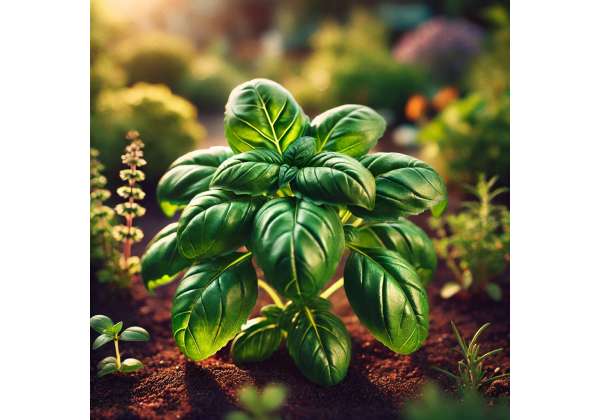
Basil (Ocimum basilicum) is best known as a culinary staple—fresh, fragrant leaves that lift everything from tomato dishes to soups. But basil also has a long history as a household herb for digestive comfort, seasonal breathing support, and gentle soothing when the body feels tense or inflamed. Its signature aroma comes from volatile oils that vary by variety and growing conditions, while its “green” benefits come from polyphenols such as rosmarinic acid and related compounds that help explain basil’s antioxidant and calming reputation.
Modern interest in basil spans three practical areas: using the leaves as food (the safest and most common approach), preparing basil as a mild tea, and using basil essential oil topically or by inhalation in carefully diluted, short-term ways. At the same time, basil is not one single “thing”: its chemistry can shift from linalool-rich to estragole-rich profiles, which changes both scent and safety considerations—especially in concentrated oils and extracts.
Top Highlights for Basil
- May support digestion and reduce occasional bloating when used as food or mild tea.
- Provides antioxidant polyphenols that may help the body handle everyday inflammatory stress.
- Typical range: 1–2 tsp (about 1–2 g) dried leaf per cup of tea, up to 2–3 cups/day, or 1–2% essential oil dilution for topical use.
- Avoid ingesting basil essential oil and avoid long-term high-dose extracts due to safety uncertainties.
- Avoid if pregnant or breastfeeding, for young children, or if you use warfarin or similar medicines unless supervised.
Table of Contents
- What is basil?
- Basil key ingredients and properties
- Basil health benefits
- Best ways to use basil
- How much basil per day?
- Basil safety and interactions
- What the evidence actually says
What is basil?
Basil (Ocimum basilicum) is an aromatic herb in the mint family (Lamiaceae), the same broad plant family as mint, oregano, rosemary, and sage. That family resemblance matters because many of these herbs share a similar “toolkit”: fragrant essential oils for aroma and sensory comfort, plus polyphenols that support antioxidant balance. Basil’s leaves are the primary part used, though seeds and stems appear in some traditional preparations.
Common types and why they feel different
People often assume basil is basil, but there are meaningful differences among varieties:
- Sweet or Genovese basil: the classic Italian-style basil used in pesto; often softer, sweet-aromatic.
- Thai basil: usually more licorice-like and spicy; commonly richer in anise-like notes.
- Lemon basil and cinnamon basil: named for their aroma profiles; the scent reflects different dominant volatiles.
- Purple basil: similar to sweet basil but with anthocyanins that deepen color and can slightly shift taste.
A key clarity point: sweet basil is not holy basil. Holy basil (often called tulsi) is a different species and is used differently in herbal traditions. If a product label uses “tulsi,” “holy basil,” or Ocimum tenuiflorum, you are not dealing with Ocimum basilicum.
Food herb or medicinal herb?
For most people, basil’s biggest health impact comes from using it as food: it helps flavor meals so they are satisfying without relying on excess salt or heavy sauces. Medicinally, basil tends to be used in mild, supportive ways—like tea for digestion or topical blends for muscle comfort—rather than as a “high-dose” intervention.
Fresh vs. dried: what changes
Fresh basil emphasizes volatile oils (the bright scent), while dried basil often tastes more earthy and can lose some top-notes. Storage also matters:
- Fresh basil holds aroma best when kept at cool room temperature (not in the coldest part of the fridge) and used quickly.
- Dried basil is best stored away from heat, light, and moisture; older jars can become “green dust” with little aroma.
If you enjoy exploring herbs with similar aromatic and digestive traditions, this mint health benefits guide offers a useful comparison for how Lamiaceae herbs are commonly used and why scent often predicts perceived effects.
Basil key ingredients and properties
Basil’s medicinal personality is shaped by two overlapping categories: volatile oils (responsible for aroma and fast sensory effects) and polyphenols (responsible for much of basil’s antioxidant and inflammation-modulating reputation). The exact balance depends on the variety (chemotype), harvest timing, and processing.
Volatile oils: aroma with function
Basil essential oil can contain dozens of compounds, but several show up again and again:
- Linalool: floral, softly sweet; often associated with a calmer, smoother aroma profile.
- Eugenol: clove-like and spicy; commonly discussed for inflammation-related pathways in broader herbal research.
- 1,8-cineole and related terpenes (variable): contribute a clean, “open” aromatic feel.
- Estragole (methyl chavicol): sweet-anise aroma; important because it is tied to safety discussions when exposure is high or prolonged.
This is where basil’s “chemotype” concept matters. Two basil oils can smell very different because one is linalool-dominant while another is estragole-dominant. That difference is more than cosmetic: it can change irritation potential and the degree of regulatory caution around long-term concentrated use.
Polyphenols: steady support compounds
Basil leaves contain polyphenols that are less volatile than the aromatic oils and more stable in teas and foods. Notable examples include:
- Rosmarinic acid: a signature polyphenol in many Lamiaceae herbs; often highlighted for antioxidant and inflammation-modulating effects.
- Caffeic acid derivatives: supportive antioxidant compounds that often appear alongside rosmarinic acid.
- Flavonoids (such as orientin and vicenin): contribute to overall antioxidant capacity.
- Triterpenes (such as ursolic acid, in some extracts): studied for a range of biological effects, though typical dietary amounts are modest.
What these ingredients mean in real life
A practical way to translate basil chemistry into everyday use is to match the “dominant layer” to your goal:
- For digestion and meal comfort: leaf-in-food or a mild tea emphasizes polyphenols plus gentle aromatics.
- For a quick sensory reset: inhalation of aroma (fresh leaves or carefully used oil) emphasizes volatile oils.
- For topical comfort: properly diluted essential oil or basil-infused oil blends rely on terpene-driven sensory effects.
If you want a deeper look at one of basil’s best-known polyphenols in the broader herb family, this rosemary extract guide helps explain why rosmarinic-acid-rich plants are often discussed in the context of oxidative stress and inflammatory balance.
Basil health benefits
Basil’s benefits are best described as supportive—the kind of steady, everyday advantages that come from consistent use as food, plus selective short-term use as tea or topical blends. The strongest claims are not “basil cures X,” but “basil may help the body feel and function a bit better in common situations.”
1) Digestive comfort and appetite support
Basil is commonly used when digestion feels sluggish, gassy, or unsettled. In culinary traditions, basil often appears alongside foods that can feel heavy (rich sauces, legumes, fried dishes) because its aromatics and bittersweet notes can make meals feel lighter afterward. Many people use basil tea for occasional bloating or post-meal discomfort, especially when stress contributes to a “tight stomach” feeling.
2) Antioxidant and inflammation-modulating support
Basil leaves contain polyphenols that help neutralize oxidative stress. Practically, this may translate into subtle benefits over time—supporting resilience when your diet or schedule is less than ideal. This is one reason basil is often grouped with other Mediterranean herbs as a “functional” addition to meals.
3) Seasonal breathing and throat comfort
Fresh basil’s aroma can feel clarifying, especially when you crush a leaf and inhale gently or add basil to a warm broth. While basil is not a decongestant in the pharmaceutical sense, its volatile oils can support a clearer-feeling upper airway experience for some people.
4) Oral and skin-facing antimicrobial potential
In lab settings, basil extracts and oils are frequently explored for antimicrobial activity. In daily life, that does not mean you should replace dental care or acne treatment with basil. It does suggest why basil shows up in traditional rubs, rinses, and “cleaning” remedies—especially when used on the skin in diluted forms.
5) Stress and mood: gentle, not dramatic
Many people associate basil’s scent with calm focus. That makes sense given how aromatic herbs influence the sensory nervous system. Still, effects are usually mild and personal: some people feel grounded, others feel energized. The safest way to explore this is through food use and light aroma exposure rather than high-dose supplements.
If your main goal is digestive comfort, basil often pairs well with other culinary herbs and spices used for similar reasons. This ginger guide is a helpful companion for understanding how aromatic plants support digestion through different (and sometimes complementary) compound profiles.
Best ways to use basil
Basil can be used as a daily food herb, a short-term tea, or a carefully handled essential oil. The “best” method depends on your goal and your tolerance for concentrated products.
1) Use basil as food first
For most people, this is where basil shines—safe, sustainable, and genuinely useful.
- Fresh leaves: add at the end of cooking to preserve aroma.
- Dried basil: better for longer simmering dishes where you want a deeper herbal note.
- Freezing: blending basil with a bit of oil and freezing in small portions preserves flavor better than drying at home.
A practical trick: if basil tastes “flat,” you may be using too little fat or salt to carry the aroma. Even small amounts of oil help volatile compounds reach your palate. If you are using basil in pesto or marinades, this olive oil guide offers helpful context for how oils act as carriers for fat-soluble plant compounds in everyday meals.
2) Basil tea for short-term support
Basil tea works best when it is mild and used for a clear purpose—often digestion or a “warm herb” feeling in cold seasons.
- Use fresh or dried leaf.
- Keep steeping time moderate (5–10 minutes) to avoid bitterness.
- Consider combining with lemon peel or a small amount of honey if taste is sharp.
3) Basil-infused oil (not essential oil) for topical use
A traditional approach is to infuse basil leaves in a carrier oil and use it as a gentle massage oil. This is typically milder than essential oil use and easier for sensitive skin, though it still requires patch testing.
4) Essential oil: powerful and easy to misuse
If you use basil essential oil, treat it like a concentrated product with rules:
- Topical: dilute before applying to skin.
- Inhalation: keep exposure light and time-limited.
- Do not ingest: oral use is the most common route for accidental toxicity with essential oils.
5) Choosing products that match your intent
If you buy basil supplements or oils, look for:
- Clear species labeling (Ocimum basilicum)
- Chemotype or major constituent info (when available)
- Conservative dosage guidance and warnings
- Third-party testing and batch identifiers
The best “medicine-like” use of basil is usually not a high-dose capsule. It is consistent culinary use plus a few carefully chosen short-term methods when you have a clear reason.
How much basil per day?
Basil dosing depends heavily on the form: food, tea, extract, or essential oil all behave differently. A smart approach is to think in tiers—start with the lowest-intensity form that fits your goal.
Culinary basil (fresh or dried)
There is no single “right” culinary dose. Typical meals use anywhere from a few leaves to a small handful. From a safety standpoint, basil used as a normal food herb is the least concerning option and the best default for long-term use.
If you use basil very heavily (for example, large daily smoothies, concentrated dried-leaf powders, or frequent basil-heavy pesto), the main practical issue is less about “toxicity” and more about consistency—especially if you are managing medications affected by diet.
Basil tea
A conservative, common range for adults is:
- Dried leaf: 1–2 teaspoons (about 1–2 g) per cup
- Fresh leaf: a small handful per cup, lightly crushed
- Frequency: 1 cup per day to start; up to 2–3 cups per day for short periods
- Duration: often 1–2 weeks, then reassess
If tea causes nausea, reflux, headache, or a “too strong” feeling, reduce the strength or stop.
Capsules and extracts
This is where variability becomes the main risk. Products can range from ground leaf to concentrated extracts. A reasonable, label-driven strategy is:
- Start at the lowest labeled dose for 3–7 days.
- Increase only if you have a clear goal and no side effects.
- Avoid long-term daily use of high-dose extracts unless supervised, especially if the product emphasizes volatile oil constituents.
Essential oil dosing and dilution
Essential oils are measured in drops and percentages, not teaspoons. Conservative topical guidance for many adults is 1–2% dilution in a carrier oil for small areas. For inhalation, brief exposure is generally favored over long diffusion sessions.
Timing: when basil fits best
- For digestion: around meals or after eating (food use is ideal).
- For a calming routine: evening tea or aroma from fresh leaves.
- For topical comfort: after a warm shower or after light movement.
If you find yourself escalating from food to high-dose supplements because symptoms persist, that is usually a sign to step back and reassess the underlying issue rather than pushing basil harder.
Basil safety and interactions
Basil is generally well tolerated as food, but safety becomes more nuanced when you move into concentrated extracts and essential oils. Most problems come from one of three patterns: high dose, long duration, or the wrong form for the person.
Common side effects
- Stomach upset or reflux (more likely with strong tea or supplements)
- Headache or dizziness (sometimes from concentrated aroma exposure)
- Skin irritation (especially from undiluted essential oils)
- Allergic reactions (rare, but possible with any herb)
Essential oil cautions
- Do not ingest basil essential oil unless specifically directed by a qualified clinician.
- Avoid applying undiluted oil to skin.
- Be cautious with frequent inhalation if you have asthma, chronic cough, or scent-triggered migraines.
Basil oil also varies by chemotype. Estragole-rich (anise-scented) oils raise more safety concern for prolonged or high exposure than linalool-rich oils, and some regulatory frameworks discourage certain chemotypes in consumer products.
Medication interactions and special cases
- Warfarin and vitamin K sensitivity: basil contains vitamin K, and while typical culinary amounts are small, consistency matters if your medication requires stable vitamin K intake. Dried-leaf powders and concentrated green blends can increase exposure.
- Diabetes medicines: if you use glucose-lowering drugs and begin a concentrated basil supplement, monitor for additive effects and discuss with a clinician.
- Before surgery: stop nonessential supplements 1–2 weeks before procedures unless your surgical team advises otherwise.
If you want a focused reference point for why vitamin K consistency matters more than “avoid all greens,” this vitamin K guide provides helpful context for medication-sensitive situations.
Who should avoid or use only with professional guidance
- Pregnant or breastfeeding people (especially concentrated oils and extracts)
- Infants and young children (essential oil exposure risk is higher)
- People with known Lamiaceae allergies or frequent contact dermatitis
- Anyone using high-risk medications where small changes in metabolism or diet can matter
Safety mindset that works
Use basil as food freely if you tolerate it. Use tea as a short-term tool. Treat essential oil and strong extracts as specialty products that require dilution, restraint, and a clear reason for use.
What the evidence actually says
Basil has a strong tradition and a large research footprint, but the type of evidence varies widely. A clear way to interpret it is to separate three layers: what is well supported in chemistry and lab work, what has early human research, and what remains uncertain.
1) Strongest evidence: compounds and mechanisms
Basil’s chemistry is well described: its volatile oils commonly include compounds such as linalool, eugenol, and estragole, and its leaves contain polyphenols like rosmarinic acid. These constituents are repeatedly associated in research with antioxidant behavior and pathways related to inflammation signaling and microbial balance. This is a reliable “why it might help” foundation, but it does not automatically translate into large clinical effects.
2) Moderate evidence: topical and sensory uses
Some clinical research supports basil-based topical approaches for comfort. Traditional basil oil preparations have been studied for musculoskeletal symptoms, and users commonly report warming, rub-like relief when products are used consistently for a short time. This aligns with how aromatic plant compounds often behave: they can change local sensation and comfort even when they do not “fix” structural causes.
3) Limited and mixed evidence: supplements for internal outcomes
You will see basil marketed for blood sugar, lipids, sleep, mood, and blood pressure. Preclinical studies can look promising, but human outcomes are less consistent and often depend on the specific preparation, dose, and population. A key issue is that “basil extract” is not a single standardized substance—different products contain different ratios of polyphenols to volatile constituents.
4) Safety research is mostly about concentration and duration
Safety concerns around basil rarely apply to normal culinary use. They mostly apply to concentrated oils and extracts, especially when exposure is frequent, high-dose, or long-term. Chemotype matters here: estragole-rich profiles require more caution than many people expect.
What this means for real-world decisions
- If you want a low-risk, high-upside approach: use basil as a regular culinary herb.
- If you want a short-term supportive tool: consider mild basil tea for digestion or a properly diluted topical preparation for comfort.
- If you want a supplement-like intervention: choose products cautiously, keep duration limited, and avoid stacking multiple concentrated botanicals without a clear plan.
If you are comparing basil’s “food-as-function” role with another widely used anti-inflammatory ingredient that has a different evidence profile, this turmeric bioactive overview can help you think more clearly about what counts as strong evidence, what is promising, and what is still speculative.
References
- Sweet Basil (Ocimum basilicum L.)―A Review of Its Botany, Phytochemistry, Pharmacological Activities, and Biotechnological Development 2023 (Review)
- Anti-inflammatory, immunomodulatory and anti-oxidant effects of Ocimum basilicum L. and its main constituents: A review 2023 (Review)
- A randomized double-blind active-controlled clinical trial on the efficacy of topical basil (Ocimum basilicum) oil in knee osteoarthritis 2024 (RCT)
- Public statement on the use of herbal medicinal products containing estragole 2022 (Guideline)
- Aromatherapy – Essential oils 2025 (Guideline)
Disclaimer
This article is for educational purposes only and does not provide medical advice, diagnosis, or treatment. Basil (Ocimum basilicum) used as food is generally well tolerated, but supplements and essential oils are concentrated products that can cause side effects, allergic reactions, and medication interactions, especially when used in high doses or for long periods. Do not ingest essential oils unless directed by a qualified healthcare professional. If you are pregnant or breastfeeding, have asthma or chronic medical conditions, or take prescription medications (especially warfarin or other anticoagulants), consult a licensed clinician before using basil supplements or essential oils. Seek urgent medical care for severe allergic reactions, breathing difficulty, poisoning concerns, or rapidly worsening symptoms.
If you found this guide helpful, consider sharing it on Facebook, X (formerly Twitter), or any platform you prefer so others can benefit from it too.