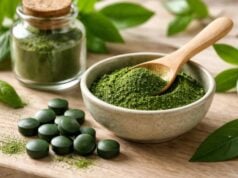
Calamus (Acorus calamus), often called sweet flag, is an aromatic wetland plant whose rhizome has a long history in traditional systems for digestion, respiratory comfort, and mental clarity. Its signature scent comes from a volatile oil rich in “asarone” compounds, which may influence smooth muscle tone, inflammation signaling, and certain neurotransmitter pathways. That mix of potential benefits and meaningful safety concerns is what makes calamus different from many other herbs.
Today, people most often consider calamus for occasional bloating, sluggish appetite, or a heavy, “damp” feeling after meals—and sometimes for short-term calming or focus support. At the same time, some calamus varieties contain higher levels of beta-asarone, a compound linked to toxicity concerns in animal research, which is why product quality and appropriate avoidance rules matter more than usual. This guide covers what calamus is, what’s inside it, realistic uses, practical dosing, and how to reduce risk.
Essential insights for using calamus
- May support occasional bloating and slow digestion when used short-term.
- Choose products made from low beta-asarone varieties, and avoid concentrated oils unless professionally guided.
- Typical traditional oral amounts are small: about 0.5–2 g dried rhizome per day.
- Avoid during pregnancy and breastfeeding, and do not use for children.
- People with seizure risk or significant liver disease should avoid.
Table of Contents
- What is calamus and what’s in it?
- Calamus benefits you can expect
- How calamus works in the body
- Ways to use calamus safely
- How much calamus per day?
- Side effects and who should avoid
- Research summary and practical take
What is calamus and what’s in it?
Calamus (Acorus calamus) is a reed-like plant that grows in marshes, river edges, and other wet habitats. The part used in herbal practice is the rhizome—a thick underground stem that stores aromatic oils. When dried and sliced, it has a strong, spicy-bitter taste and a fragrance many people describe as warm, woody, and slightly cinnamon-like.
A key practical point is that “calamus” is not chemically uniform. Different genetic types (often described by chromosome number) can contain very different levels of beta-asarone, a compound tied to safety concerns. In plain language: two products labeled “Acorus calamus” can behave quite differently depending on the plant source and how it was processed.
Key compounds (and why they matter)
Calamus rhizome contains:
- Volatile oil (essential oil fraction): The most distinctive part of calamus chemistry. This fraction may influence digestion (gas, cramping), microbial balance, and nervous-system signaling—but it also concentrates compounds that can irritate tissues or create safety issues at higher exposure.
- Asarones (alpha-asarone and beta-asarone): Aromatic phenylpropanoids. Preclinical research links these to neuroactive effects (such as calming signaling pathways, oxidative-stress modulation, and inflammation-related pathways). Beta-asarone is the most controversial from a safety perspective.
- Terpenes and sesquiterpenes (aroma compounds): These contribute to smell and may support the “carminative” effect—herbal language for easing gas and digestive discomfort.
- Bitter constituents and tannin-like compounds: These may help explain why calamus is traditionally used as a bitter digestive tonic (bitter taste → salivation → digestive secretions), although this is not the same as proving a clinical benefit.
Why identification and quality control matter
Because calamus is strongly aromatic, it is sometimes sold in multiple forms: cut-and-sifted root, powder, tincture, and essential oil. The more concentrated the form, the more important it is to know the plant source and chemical profile—especially regarding beta-asarone content. If a label does not clarify the variety/chemotype or provide meaningful quality statements, it is reasonable to skip the product rather than “guess and hope.”
Calamus benefits you can expect
Most interest in calamus falls into two buckets: digestive comfort and mind-body support. The best way to think about benefits is as plausible, traditional, and mostly preclinical—not as guaranteed outcomes. If you decide to try calamus, it’s smart to treat it like a short, careful experiment rather than a daily staple.
1) Digestive comfort (gas, heaviness, appetite)
Traditionally, calamus is used as a carminative bitter—an herb that may help ease gas, support motility, and improve the feeling of post-meal heaviness. People most commonly describe benefits like:
- Less bloating after meals
- Reduced “crampy” discomfort
- Better appetite when stress or illness blunts hunger
- A warmer, more active digestive feeling (especially in cold weather or with rich foods)
A practical insight: calamus is often best framed as a situational herb—for example, used for a few days during travel-related digestive disruption or after a period of unusually heavy meals—rather than as a long-term daily tonic.
2) Calming and “clear head” support
Calamus is also used in traditional systems for mental clarity, grounded energy, and calming. Some people interpret this as help with:
- Mild restlessness or “wired but tired” feelings
- Focus that is disrupted by digestive discomfort
- Tension that sits in the gut (stress–digestion overlap)
If you are primarily seeking nausea relief, it may be more practical to start with options that have broader modern use and clearer dosing norms, such as ginger for nausea and digestive support, and reserve calamus for cases where bitterness and aromatic digestion support are the main goal.
3) Respiratory and oral traditions
Historically, calamus has been used in small amounts for throat comfort and freshening breath. In modern practice, this is usually approached cautiously, because concentrated essential oil can irritate mucosa. If used at all, it’s typically in very dilute preparations, and not for people with sensitive mouths, reflux, or frequent heartburn.
Overall, the benefits you can reasonably expect—if any—tend to be subtle, body-sensation based (less gas, steadier appetite), and most likely to show up quickly (within days), which is useful for deciding whether it belongs in your routine.
How calamus works in the body
Calamus is best understood as an herb whose “activity” is driven by aromatic constituents that can interact with multiple systems at once—especially the gut–brain axis. This does not mean the effects are strong or predictable in humans, but it helps explain why calamus sits at the crossroads of digestion, mood, and sensory experience.
Digestive signaling: bitter taste and smooth muscle tone
Bitter herbs often work partly through a reflex pathway: bitter taste receptors in the mouth signal the body to increase salivation and prepare digestive secretions. This can support the process of digestion (chewing, stomach readiness), which may indirectly reduce bloating for some people.
In addition, calamus’s aromatic components have been studied for effects on smooth muscle tone—the kind of muscle that lines the digestive tract. In practical terms, that maps to traditional uses like easing cramping or helping move trapped gas.
Neuroactive pathways: calming, focus, and sensory grounding
Asarone compounds have been explored in preclinical models for interactions with:
- Oxidative stress pathways (helping cells manage reactive byproducts)
- Inflammation signaling (modulating pro-inflammatory messengers)
- Neurotransmitter balance (including systems involved in calm-alert states)
These mechanisms are often used to explain traditional “mind” uses, but it’s important to keep expectations realistic: mechanistic plausibility is not the same as demonstrated clinical benefit.
Antimicrobial and preservative-like effects
Aromatic oils frequently show antimicrobial activity in lab settings. In real life, this might contribute to the “freshening” reputation of calamus and its historical inclusion in formulas for digestive upset. However, lab antimicrobial effects do not automatically translate into safe, helpful changes in the human gut microbiome—especially when safety limits constrain dosing.
The safety–benefit tradeoff is part of the mechanism story
One of the most useful “mechanisms” to understand is not biochemical—it’s practical: the compounds that may drive noticeable effects are often the same ones that raise safety concerns when concentrated or used too long. That is why calamus is typically approached as low-dose and short-term, with strong emphasis on product quality and avoidance in higher-risk groups.
Ways to use calamus safely
If calamus is appropriate for you, the safest approach usually involves simple, low-intensity preparations and clear limits on duration. Think “minimal effective dose,” not “more is better.”
Common forms you’ll see
- Dried rhizome (cut pieces): Often used for teas/decoctions. This tends to be easier to dose conservatively than extracts, though bitterness can be strong.
- Powder (capsules or loose): Convenient, but easier to overdo because it’s less sensory (no bitter taste to signal “enough”).
- Tincture/extract: Can be practical for short-term use, but quality varies widely and labeling may not clarify beta-asarone content.
- Essential oil: Generally not a beginner form. It can irritate skin and mucosa, and it concentrates volatile compounds that require careful handling.
Practical use cases (where it fits best)
Calamus is typically a “situational” herb, such as:
- After heavy meals when you feel bloated, gassy, and sluggish
- During travel when digestion feels disrupted (assuming you tolerate bitters)
- When stress noticeably tightens the gut and appetite drops
If you mainly want a gentle, familiar digestive tea, many people do better starting with simpler options such as peppermint for digestive comfort, then reserving calamus for cases where the bitter, aromatic profile is specifically what you’re seeking.
Simple preparation (conservative approach)
A cautious traditional-style decoction:
- Use 0.5–1 g dried rhizome (a small pinch to about ¼ teaspoon of finely cut root).
- Simmer gently in a mug’s worth of water for 10–15 minutes.
- Strain, sip slowly, and stop if you notice nausea, dizziness, or throat irritation.
Because calamus can be stimulating for some and sedating for others, it’s best not to combine it with alcohol or take it right before driving until you know how you respond.
Duration and “stop rules”
Calamus is rarely a good choice for open-ended daily use. A reasonable self-test is 3–7 days, then reassess. Stop immediately if you experience palpitations, marked sleep disruption, worsening reflux, significant nausea/vomiting, or unusual neurological symptoms (tremor, confusion).
How much calamus per day?
Because calamus safety depends heavily on plant type and preparation, dosing should be conservative. If a product does not clearly communicate sourcing and responsible use guidance, it’s safer to avoid it than to improvise.
Typical conservative ranges (adult use)
These ranges reflect traditional-style, low-intensity use rather than high-dose extract strategies:
- Dried rhizome (tea/decoction): 0.5–2 g per day, divided (for example, 0.5–1 g per cup, up to twice daily).
- Powder: 250–500 mg once or twice daily (start at the low end). Avoid pushing the dose upward “for effect.”
- Tincture (variable strength): Often 0.5–2 mL per day in divided doses, but only if the label provides meaningful quality information and you can confirm a conservative regimen.
These are not promises of benefit—just practical boundaries for people who choose to use calamus despite limited human evidence and notable safety caveats.
Timing: when to take it
- For digestion: 10–20 minutes before meals or right after a meal when symptoms begin.
- For “settling”: earlier in the evening is safer than bedtime, since some people find aromatic bitters disrupt sleep even when they feel calming.
How long is “too long”?
A common, safety-oriented approach is:
- 3–7 days for an initial trial
- Up to 2 weeks only if you are tolerating it well, using a low-dose form, and have a clear reason to continue
If the issue returns immediately when you stop, that is often a signal to look for a more sustainable strategy (diet triggers, reflux management, stress supports, or other herbs with clearer safety profiles).
Dosage variables that change the risk
Your safest dose is affected by:
- Variety/chemotype: beta-asarone content can vary widely.
- Concentration: oils and strong extracts increase risk faster than teas.
- Body size and sensitivity: smaller people and those prone to dizziness or nausea should use lower amounts.
- Medications and conditions: sedatives, blood pressure meds, and seizure risk all change the calculation.
If you want an evening herbal tea routine for relaxation and digestion with a more familiar safety profile, chamomile tea for sleep support and gentle calming is often a more practical first-line option than calamus.
Side effects and who should avoid
Calamus is one of those herbs where “natural” does not automatically mean “low-risk.” The same aromatic constituents that may feel active can also irritate tissues or create unwanted systemic effects—especially when products are concentrated or used for long stretches.
Possible side effects
People most commonly report side effects consistent with aromatic bitters:
- Nausea or stomach upset, especially at higher doses
- Heartburn or reflux flare, particularly if you already have GERD
- Dizziness or lightheadedness, which may relate to blood pressure effects or individual sensitivity
- Sedation or grogginess in some, and restlessness in others (a sign the herb is not a good fit)
- Mouth and throat irritation (more likely with tinctures or oils)
Concentrated calamus oil can also act as a skin irritant or sensitizer, meaning repeated exposure may increase the likelihood of a skin reaction.
Who should avoid calamus
Avoid calamus entirely if you are:
- Pregnant or breastfeeding (safety data are not adequate, and traditional warnings are consistent across many sources)
- A parent considering it for children (children are more vulnerable to dosing errors and adverse neuroactive effects)
- Living with seizure disorders or unexplained neurological symptoms
- Managing significant liver disease or a history of drug-induced liver injury
Medication cautions (practical risk rules)
Direct, high-quality human interaction data are limited, so it’s best to use conservative “risk logic”:
- If you take sedatives, sleep meds, or strong antihistamines, avoid calamus due to possible additive CNS effects.
- If you take blood pressure medications, avoid self-experimentation; dizziness or excessive lowering may be harder to interpret.
- If you use anticoagulants or antiplatelet drugs, treat calamus as a “do not add casually” herb. This general caution is even more important if you also use other supplements that can affect bleeding risk, such as ginkgo for cognitive and circulation support.
Quality and labeling red flags
Skip products that:
- Do not disclose plant part (rhizome vs oil) and extraction type
- Make aggressive cognitive or “detox” promises
- Provide no meaningful quality statements (especially about beta-asarone content or source variety)
- Encourage high daily dosing or long-term use
When in doubt, the safest decision is to choose a different herb with clearer human evidence and a wider safety margin.
Research summary and practical take
Calamus research is a classic example of the gap between promising preclinical findings and limited human usability. The chemistry is active, the traditional history is extensive, and lab studies often show interesting effects—but safety concerns and product variability make it hard to translate into straightforward, evidence-based recommendations.
What the research supports most clearly
- Bioactive chemistry is real: Calamus rhizome contains aromatic compounds that interact with biological pathways relevant to digestion, inflammation, and nervous-system signaling.
- Mechanisms are plausible: Studies of asarones and related constituents support the idea that calamus could influence oxidative stress and neuroinflammatory pathways, which may relate to traditional “calming and clarity” narratives.
- Safety signals are not hypothetical: Beta-asarone is the central reason calamus remains controversial. Even when a preparation shows no signal in certain screening models, that does not automatically establish long-term safety across formulations, doses, and populations.
Where the evidence is weakest
- High-quality human trials: There are not many rigorous, modern clinical studies that clearly establish calamus as effective for a specific condition with an agreed-upon dose.
- Standardized products: Without consistent chemical profiling, it is difficult to compare results or create reliable dosing guidance.
- Long-term use: Long-duration, real-world safety outcomes are not well established, which matters because many people assume herbs can be taken indefinitely.
A practical decision framework
Consider calamus only if all of the following are true:
- You have a clear, short-term goal (for example, occasional bloating after heavy meals).
- You can use a low-dose form (tea/decoction or very modest tincture dosing).
- You can obtain a product with credible quality information, ideally indicating low beta-asarone sourcing.
- You are not in a higher-risk group (pregnancy, breastfeeding, children, seizure risk, significant liver disease).
If your goal is ongoing digestive tone or “bitter support,” it may be more practical to use gentler bitters with clearer everyday use patterns, such as dandelion for digestion and liver support, and reserve calamus for rare, carefully selected situations—if at all.
In short: calamus is chemically interesting and traditionally valued, but it’s not a casual wellness add-on. If you choose to use it, keep doses small, duration short, and safety standards high.
References
- Comprehensive In Vitro Safety Assessment of Acorus calamus Rhizome Oil Using OECD-Compliant New Approach Methods: Classification as a GHS Category 1B Sensitiser and Category 2 Irritant – PMC 2025 (Safety Assessment)
- Reporting negative Ames test results for Indian Acorus calamus L., rhizome, extracts, and beta asarone – PMC 2025 (Safety Assessment)
- Molecular Mechanisms and Therapeutic Potential of α- and β-Asarone in the Treatment of Neurological Disorders – PMC 2022 (Review)
- α-Asarone, β-asarone, and γ-asarone: Current status of toxicological evaluation – PubMed 2021 (Review)
Disclaimer
This article is for educational purposes only and does not provide medical advice, diagnosis, or treatment. Herbal products can vary widely in strength and composition, and calamus is a higher-caution herb due to known toxicology concerns related to certain constituents and plant varieties. If you are pregnant, breastfeeding, managing a chronic condition (especially liver disease or seizure disorders), or taking prescription medications, consult a qualified healthcare professional before using calamus. Stop use and seek medical care promptly if you develop significant side effects such as persistent vomiting, severe dizziness, confusion, allergic reactions, or any new neurological symptoms.
If you found this guide helpful, consider sharing it with friends or colleagues on Facebook, X (formerly Twitter), or your favorite platform so others can make safer, better-informed decisions.