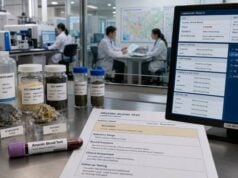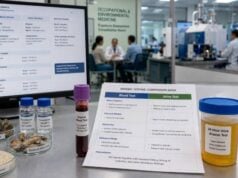
A carbon monoxide blood test measures carboxyhemoglobin, the form of hemoglobin created when carbon monoxide attaches to red blood cells. This test is used when carbon monoxide poisoning is suspected, especially after exposure to a fire, faulty furnace, generator, vehicle exhaust, gas appliance, charcoal grill, or another fuel-burning source. Carbon monoxide is dangerous because it has no smell, color, or taste, and it can make a person seriously ill before anyone realizes the air is unsafe.
Carboxyhemoglobin results help confirm exposure, but they do not tell the whole story by themselves. A person can have severe symptoms even after the level has already started to fall, especially if they received oxygen before the blood draw. Doctors interpret the result along with symptoms, exposure history, pregnancy status, heart risk, neurologic changes, and the time since leaving the carbon monoxide source.
- A carbon monoxide blood test measures carboxyhemoglobin, usually reported as a percentage of total hemoglobin.
- A level around 2% or higher in a nonsmoker, or above 9% in a smoker, strongly supports carbon monoxide exposure.
- Normal pulse oximeter readings can be misleading because standard fingertip oxygen monitors cannot reliably detect carboxyhemoglobin.
- Carbon monoxide poisoning can cause headache, dizziness, nausea, weakness, chest pain, confusion, fainting, seizure, coma, or death.
- Suspected carbon monoxide poisoning needs urgent medical care; treatment usually starts with immediate removal from exposure and 100% oxygen.
- The result may fall quickly after fresh air or oxygen, so a low or normal value does not always rule out a serious earlier exposure.
Table of Contents
- What the Carbon Monoxide Blood Test Measures
- When the Test Is Needed
- How the Test Is Done
- Carboxyhemoglobin Normal Range and High Results
- Why Results Can Be Misleading
- Follow-Up Tests and Treatment
- Special Situations That Affect Interpretation
- Prevention and Next Steps
What the Carbon Monoxide Blood Test Measures
A carbon monoxide blood test measures carboxyhemoglobin, often shortened to COHb or COHgb. Hemoglobin is the oxygen-carrying protein inside red blood cells. Normally, hemoglobin picks up oxygen in the lungs and delivers it to the brain, heart, muscles, and other tissues. When carbon monoxide enters the lungs, it competes with oxygen and binds tightly to hemoglobin.
Carbon monoxide binds to hemoglobin far more strongly than oxygen does. Once it attaches, it reduces the amount of hemoglobin available to carry oxygen. It also makes the remaining oxygen-holding hemoglobin less willing to release oxygen to tissues. That combination is why carbon monoxide poisoning can be dangerous even when a person’s oxygen level appears normal on some tests.
The result is reported as a percentage. For example, a carboxyhemoglobin result of 12% means that about 12% of the person’s hemoglobin is bound to carbon monoxide instead of being available in the usual oxygen-carrying form.
Carboxyhemoglobin is one type of abnormal hemoglobin pattern. Another important abnormal hemoglobin is methemoglobin, which can cause cyanosis and low oxygen delivery through a different mechanism. When doctors are comparing abnormal hemoglobin results, they may also consider methemoglobin and carboxyhemoglobin testing together, especially after smoke inhalation, chemical exposure, medication toxicity, or unexplained low oxygen symptoms.
Carbon monoxide also affects more than hemoglobin. It can interfere with oxygen use inside cells, including in the brain and heart, where oxygen demand is high. This helps explain why symptoms can be serious even when the blood percentage does not look extreme.
When the Test Is Needed
A carbon monoxide blood test is needed when symptoms and exposure history suggest possible carbon monoxide poisoning. The test is not a routine wellness test. It is usually ordered in urgent care, an emergency department, by emergency medical services, or during hospital evaluation after a suspected exposure.
Common exposure sources include:
- Faulty furnaces, boilers, fireplaces, water heaters, or gas stoves
- Portable generators used indoors, in garages, near windows, or near doors
- Vehicle exhaust in garages, tunnels, enclosed work areas, or poorly ventilated spaces
- Charcoal grills, camp stoves, propane heaters, or fuel-burning tools used indoors
- House fires and smoke inhalation
- Boats, ice-fishing shelters, cabins, campers, and other small enclosed spaces
- Workplace exposure from engines, forklifts, furnaces, or combustion equipment
Carbon monoxide poisoning often looks like a viral illness at first. Headache, nausea, dizziness, weakness, and fatigue can occur without fever. A major clue is that more than one person in the same home, workplace, hotel room, or vehicle develops similar symptoms. Pets may also become ill because they share the same air.
Symptoms that should raise concern include headache, dizziness, nausea, vomiting, weakness, sleepiness, confusion, shortness of breath, chest pain, blurry vision, poor coordination, fainting, seizure, or loss of consciousness. Symptoms may be worse during sleep because the person remains in the exposure environment for hours without noticing.
Carbon monoxide poisoning is an emergency when there is confusion, fainting, chest pain, shortness of breath, seizure, pregnancy, known heart disease, severe headache, or any concern that exposure is still ongoing. People should leave the area immediately, get into fresh air, and call emergency services. Do not stay inside to look for the source if carbon monoxide is suspected.
How the Test Is Done
The test uses a blood sample analyzed by co-oximetry. Co-oximetry is a laboratory method that uses multiple wavelengths of light to measure different hemoglobin forms, including oxyhemoglobin, deoxyhemoglobin, carboxyhemoglobin, and methemoglobin.
A venous blood sample is usually enough. In many cases, blood from a vein gives a useful carboxyhemoglobin result, and an arterial puncture is not required just to measure carbon monoxide exposure. Arterial blood may still be drawn if the clinician also needs blood gas information, acid-base status, oxygen pressure, carbon dioxide level, or other urgent respiratory data.
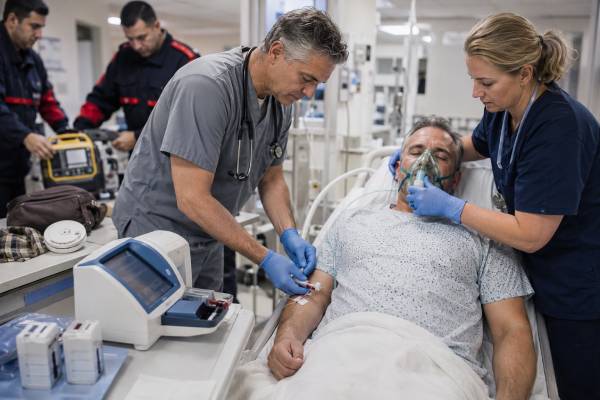
The blood draw itself is similar to other blood tests. A healthcare professional places a needle into a vein, collects blood into a tube or syringe, and sends it for rapid testing. In emergency settings, the sample may be run on a blood gas analyzer with co-oximetry.
No special fasting or preparation is needed. In suspected poisoning, treatment should not be delayed while waiting for the result. Oxygen is usually given right away if carbon monoxide exposure is suspected.
A standard fingertip pulse oximeter is not reliable for diagnosing carbon monoxide poisoning. A regular pulse oximeter estimates oxygen saturation using two light wavelengths and may mistake carboxyhemoglobin for oxygenated hemoglobin. This can produce a normal or falsely reassuring oxygen saturation number even when the person is poisoned.
Some devices called pulse CO-oximeters estimate carboxyhemoglobin noninvasively through the skin. These may help with screening in some settings, but blood co-oximetry is still the more dependable confirmatory test when clinical decisions are serious.
Carboxyhemoglobin Normal Range and High Results
Carboxyhemoglobin ranges vary slightly by laboratory, smoking status, environment, and timing. Small amounts are normal because the body naturally produces tiny amounts of carbon monoxide during heme breakdown. Environmental exposure and tobacco smoke can raise the level.
A practical interpretation often looks like this:
| Carboxyhemoglobin result | Usual meaning |
|---|---|
| Less than about 2% in a nonsmoker | Usually within the expected range, depending on the lab |
| About 2% or higher in a nonsmoker | Supports carbon monoxide exposure, especially with symptoms or a clear source |
| Up to about 5% in many smokers | May be seen from tobacco smoke, though the exact level varies |
| Above 9% in a smoker | Strongly supports additional carbon monoxide exposure beyond usual smoking |
| 10% to 20% | May cause headache, nausea, dizziness, or weakness in some people |
| Above 20% to 30% | Often concerning, especially with symptoms, pregnancy, heart disease, or neurologic changes |
| Above 25% to 30% | May prompt discussion of hyperbaric oxygen in the right clinical setting |
| Above 50% to 60% | Can be life-threatening, though symptoms and risk vary |
These ranges are not a substitute for medical judgment. A person with a “moderate” number can still be seriously ill, especially if they are pregnant, older, have heart disease, have anemia, or had loss of consciousness. A person may also have a lower number by the time blood is drawn because carboxyhemoglobin falls after the exposure stops.
The result is best interpreted with three questions:
- Was there a believable carbon monoxide source?
- What symptoms occurred, and how severe were they?
- How much time passed between exposure, oxygen treatment, and the blood draw?
For example, a nonsmoker with a result of 8% after being found dizzy near a running generator has a result that strongly supports exposure. A smoker with 7% and no symptoms may have a result related to tobacco use. A person pulled from a house fire who received high-flow oxygen for an hour may have a result that is much lower than the peak level during the fire.
Why Results Can Be Misleading
Carboxyhemoglobin is useful, but it can mislead when interpreted without context. The most common problem is timing. Once a person leaves the exposure source, carbon monoxide starts clearing through the lungs. Oxygen makes it clear faster. By the time a blood sample is collected, the result may be far below the earlier peak.
On room air, carboxyhemoglobin may take several hours to fall substantially. With 100% oxygen, the half-life becomes much shorter. With hyperbaric oxygen, it can fall faster still. This is good for treatment, but it means the blood level can underestimate the original exposure.
Symptoms also do not line up perfectly with the number. Some people develop severe neurologic or cardiac effects at levels that look only moderately elevated. Others tolerate higher levels for a period, especially if exposure rose slowly. Clinical severity depends on exposure concentration, exposure duration, age, pregnancy, heart and lung health, anemia, exertion during exposure, and how quickly oxygen treatment began.
A normal pulse oximeter reading is another major source of confusion. Someone with carbon monoxide poisoning may show an oxygen saturation of 98% or 100% on a standard fingertip device even though much of the hemoglobin is carrying carbon monoxide instead of oxygen. This is why the correct test is co-oximetry, not routine pulse oximetry alone.
Other lab and clinical issues can affect interpretation. Smoke inhalation may involve both carbon monoxide and cyanide exposure. Hydroxocobalamin, a treatment for cyanide poisoning, can interfere with some co-oximetry measurements because of its intense red color. Hemolysis, such as increased red blood cell breakdown, can slightly raise endogenous carbon monoxide production. Tobacco smoke can raise baseline carboxyhemoglobin and make “normal” different from a nonsmoker’s baseline.
The safest approach is to treat suspected carbon monoxide poisoning as a clinical emergency, not as a number-only diagnosis. If the history and symptoms are convincing, care should continue even if the lab value has already fallen.
Follow-Up Tests and Treatment
Treatment starts with leaving the exposure area and breathing oxygen. In medical care, patients are usually given 100% oxygen through a nonrebreather mask or another high-concentration oxygen system. Oxygen helps detach carbon monoxide from hemoglobin and improves oxygen delivery to tissues.
More severe cases may need hyperbaric oxygen therapy. Hyperbaric oxygen delivers 100% oxygen at increased pressure inside a specialized chamber. It may be considered when a person has loss of consciousness, neurologic symptoms, severe acidosis, evidence of heart injury, ongoing chest pain, pregnancy, or a carboxyhemoglobin level often above about 25% to 30%. Availability, transport safety, timing, and clinical severity all affect the decision.
Doctors may order other tests because carbon monoxide poisoning can injure the heart, brain, lungs, and other organs. These tests may include:
- Electrocardiogram, often called an ECG or EKG
- Troponin and other heart injury markers when chest pain, fainting, older age, or heart risk is present
- Arterial or venous blood gas testing for acid-base status
- Lactate level when tissue oxygen shortage or severe illness is suspected
- Basic metabolic panel or comprehensive metabolic panel
- Chest imaging after smoke inhalation, loss of consciousness, or breathing symptoms
- Brain imaging if there are focal neurologic signs, prolonged unconsciousness, seizure, or another concern
- Pregnancy testing in people who could be pregnant
A high lactate blood test can support concern for tissue oxygen stress, although it is not specific for carbon monoxide. Troponin testing may matter because carbon monoxide can stress the heart, especially in people with coronary artery disease or older adults.
Follow-up can be important even after the person feels better. Delayed neurologic symptoms can appear days to weeks after exposure. These may include memory problems, mood changes, trouble concentrating, sleep disturbance, movement problems, personality changes, headaches, dizziness, or worsening confusion. Anyone discharged after significant exposure should receive clear instructions about when to return for care.
Special Situations That Affect Interpretation
Smoking and vaping
Tobacco smoking raises carboxyhemoglobin because cigarette smoke contains carbon monoxide. The level depends on how much a person smokes, how recently they smoked, ventilation, and individual metabolism. Many smokers have higher baseline levels than nonsmokers, so clinicians use different thresholds. A result above 9% in a smoker is more concerning for additional exposure.
Vaping does not usually produce the same carbon monoxide exposure as combustible tobacco, but dual use, cannabis smoke, hookah, cigars, or other smoked products can raise levels. Hookah can cause especially high carbon monoxide exposure because charcoal is often used to heat the tobacco.
Pregnancy
Pregnancy makes carbon monoxide poisoning more concerning. Fetal hemoglobin binds carbon monoxide strongly, and the fetus may clear carbon monoxide more slowly than the pregnant person. Symptoms in the pregnant person may not fully show fetal risk. For this reason, suspected exposure during pregnancy needs urgent medical evaluation even when symptoms seem mild.
Hyperbaric oxygen may be considered at lower carboxyhemoglobin levels in pregnancy than in nonpregnant adults, depending on symptoms, exposure history, gestational age, and specialist advice.
Heart disease, anemia, lung disease, and older age
People with heart disease may develop chest pain, rhythm problems, or heart injury at lower levels because their heart already has less reserve. Anemia can worsen the problem because there is less hemoglobin available to carry oxygen in the first place. Lung disease can reduce the body’s ability to compensate. Older adults may have higher risk of confusion, falls, fainting, and cardiac complications.
In these situations, doctors may take symptoms more seriously even if the carboxyhemoglobin percentage is not extremely high. A complete blood count may help identify anemia or other blood-related contributors to poor oxygen delivery.
Fires and mixed toxic exposure
House fires and industrial fires can create several hazards at once. Carbon monoxide is common, but smoke inhalation may also cause airway injury, low oxygen, chemical irritation, and cyanide poisoning. Cyanide can cause severe lactic acidosis and rapid collapse. In fire victims, clinicians may consider a broader toxicology blood test panel or targeted testing based on the situation.
Carboxyhemoglobin does not measure cyanide, smoke particles, airway burns, or lung injury. A person exposed to smoke may need airway monitoring, chest imaging, blood gas testing, lactate, and treatment for other toxins.
Prevention and Next Steps
Carbon monoxide poisoning is often preventable. Every home with fuel-burning appliances, an attached garage, fireplace, or generator risk should have working carbon monoxide alarms. Alarms should be placed according to local safety guidance and manufacturer instructions, commonly near sleeping areas and on each level of the home. Batteries and devices should be replaced on schedule.
Fuel-burning equipment should be inspected and vented properly. Generators, grills, camp stoves, and charcoal should never be used indoors, in garages, in basements, in tents, or near open windows. Cars should not idle in garages, even with the garage door open. Chimneys, vents, and exhaust systems should stay clear of snow, debris, and blockages.
After a confirmed exposure, do not return to the building until fire services, utility professionals, or qualified inspectors say it is safe. A carbon monoxide alarm going off should be treated as a warning to leave first and investigate later.
For lab follow-up, the most important step is to ask what the result means in context. Helpful questions include:
- What was my carboxyhemoglobin percentage?
- Was the sample drawn before or after oxygen treatment?
- Does my result fit my symptoms and exposure history?
- Do I need heart testing, neurologic follow-up, or pregnancy monitoring?
- Should anyone else from the same home or workplace be tested?
- When is it safe to return to the exposure location?
- What should I watch for over the next few weeks?
A carbon monoxide blood test is most useful when it confirms a dangerous exposure quickly, but safety decisions should not wait for perfect lab certainty. Fresh air, emergency evaluation, oxygen treatment, and source control are the main protections against serious harm.
References
- Clinical Guidance for Carbon Monoxide Poisoning Following Disasters and Severe Weather 2024 (Guideline)
- Carbon Monoxide Toxicity 2025 (Review)
- Carbon Monoxide Poisoning 2025 (Clinical Reference)
- Accuracy of pulse CO-oximetry to evaluate blood carboxyhemoglobin level: a systematic review and meta-analysis of diagnostic test accuracy studies 2023 (Systematic Review)
- Carboxyhemoglobin half-life in carbon monoxide-poisoned patients treated with 100% oxygen at atmospheric pressure 2000 (Clinical Study)
Disclaimer
Carbon monoxide poisoning can be life-threatening and should be treated as an emergency. This article is for general education and cannot diagnose exposure, interpret an individual result, or replace urgent medical care. If carbon monoxide exposure is possible, leave the area immediately and contact emergency services or a poison control center.