


Toxicology, Drugs, and Heavy Metals
Home Toxicology, Drugs, and Heavy Metals
The Toxicology, Drugs, and Heavy Metals category explains blood tests and related lab patterns used to evaluate poisoning, drug exposure, overdose risk, medication safety, alcohol intoxication, toxic alcohol ingestion, and harmful metal exposure. These articles are written for readers who need clear, practical explanations of what a test measures, why it is ordered, how results are interpreted, and when abnormal findings may require urgent medical attention. The category covers both emergency toxicology testing and longer-term exposure evaluation, including lead, mercury, arsenic, cadmium, ethanol, methanol, ethylene glycol, carbon monoxide, acetaminophen, salicylates, seizure medications, transplant drugs, antibiotics, lithium, digoxin, and other monitored substances.
This section also helps readers understand an important principle: toxicology results are not interpreted like routine wellness labs. A result may depend on timing, dose, symptoms, kidney and liver function, sample type, detection window, and whether the test is a screening test or a targeted quantitative level. Many articles compare related tests, explain therapeutic and toxic ranges, and show how supporting markers such as liver enzymes, creatinine, potassium, hemoglobin, anion gap, osmolality, and abnormal hemoglobin forms can change the meaning of a result.
Toxicology blood test panel is the broad starting point for understanding how blood testing is used in suspected overdose, poisoning, intoxication, drug exposure, and medication toxicity. It explains why no single panel detects every toxin, how blood testing differs from urine drug screening, and why clinicians often combine drug levels with chemistry, kidney, liver, and acid-base markers.
Heavy metals blood test panel covers common toxic metals such as lead, mercury, arsenic, and cadmium. This article helps readers understand when blood testing is useful, what exposure sources may be considered, and why some metals may require urine or other specimen types depending on timing and the suspected source.
Blood lead test is one of the most important articles in this category because lead exposure can affect children, adults, workers, and people living in older housing. The article explains high lead levels, lead poisoning risk, normal and concerning results, exposure sources, and why follow-up may involve repeat testing, environmental investigation, and anemia-related markers.
Mercury blood test vs hair test helps readers choose the right type of mercury exposure test. It explains how blood testing is often more useful for recent exposure, while hair testing may reflect longer-term methylmercury exposure from sources such as fish. The comparison also clarifies why test choice depends on the type of mercury and the exposure history.
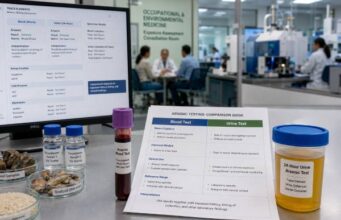
Arsenic blood test vs urine test explains why urine testing is commonly preferred for many arsenic exposure evaluations, especially when recent exposure is suspected. The article also helps readers understand the difference between organic and inorganic arsenic, why seafood can affect some results, and when blood testing may still be considered.
Blood alcohol, methanol, and ethylene glycol toxic alcohol panel focuses on urgent alcohol-related testing. It explains ethanol intoxication, methanol poisoning with vision risk, ethylene glycol poisoning with kidney risk, and why supporting labs such as anion gap, osmolal gap, bicarbonate, creatinine, and blood gas results can guide emergency decisions.
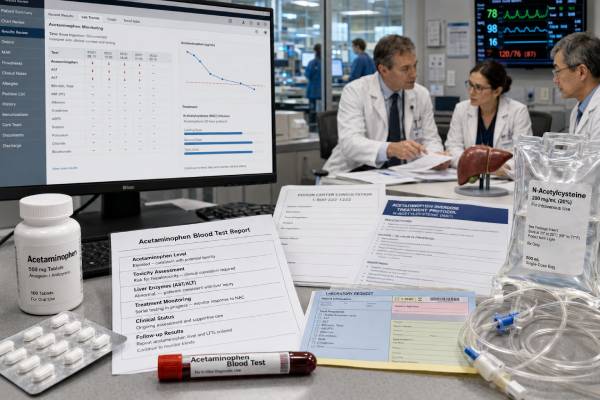
Acetaminophen level and liver enzymes is essential for understanding overdose risk because acetaminophen toxicity may cause serious liver injury even when early symptoms seem mild. This article explains how a timed acetaminophen level, ALT, AST, INR, bilirubin, creatinine, and clinical timing work together to guide treatment and monitoring.
Therapeutic drug monitoring panel explains how medication levels are used to balance benefit and toxicity. It covers peak, trough, and random levels; why timing matters; and how monitored drugs such as lithium, digoxin, seizure medications, vancomycin, gentamicin, tacrolimus, cyclosporine, and sirolimus may require careful interpretation with kidney function, symptoms, and dosing history.
Together, the articles in this category give readers a structured way to understand toxicology-related blood tests without oversimplifying them. They show when a result suggests exposure, when it suggests active toxicity, when additional testing may be needed, and why urgent symptoms should be handled by clinicians or emergency services rather than by lab interpretation alone.