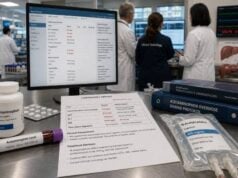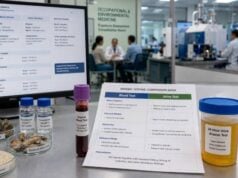
A cyclosporine blood test measures how much cyclosporine is circulating in the blood so the dose can be kept high enough to protect a transplant or control an immune condition, but low enough to reduce toxicity. Cyclosporine has a narrow treatment window, meaning small changes in absorption, timing, interacting medicines, kidney function, liver function, or the test method can change how a result should be interpreted. The test is most often used in people who take cyclosporine after kidney, liver, or heart transplant, but it may also be ordered for some autoimmune or inflammatory conditions when careful safety monitoring is needed. A result should never be judged from the number alone. The timing of the blood draw, the target set by the transplant team, the formulation being used, and other labs such as creatinine, BUN, potassium, liver enzymes, and blood pressure readings all shape the meaning of the result.
- Cyclosporine is usually monitored as a whole-blood level, most often a trough level drawn right before the next dose.
- A common trough target may fall somewhere around 100–400 ng/mL, but the exact therapeutic range depends on the organ transplanted, time since transplant, assay method, and local protocol.
- A clearly high trough, often around or above 400 ng/mL in many settings, raises concern for toxicity risk, especially if creatinine, BUN, potassium, blood pressure, or neurologic symptoms are abnormal.
- A low level can mean underdosing, missed doses, poor absorption, an interacting medication, or a sample drawn at the wrong time.
- Cyclosporine results are not interchangeable across all test methods, and whole-blood, plasma, trough, and 2-hour post-dose results should not be compared as if they were the same test.
- Urgent follow-up is needed for fever, signs of rejection, very low urine output, severe headache, confusion, seizure, chest pain, jaundice, or rapidly worsening kidney results.
Table of Contents
- What the Cyclosporine Blood Test Measures
- Therapeutic Range and Toxic Level
- When and How the Test Is Done
- What High and Low Results Can Mean
- Transplant Drug Monitoring and Dose Adjustments
- Factors That Can Change Cyclosporine Levels
- Follow-Up Tests, Safety, and Questions to Ask
What the Cyclosporine Blood Test Measures
The cyclosporine blood test measures the concentration of cyclosporine, an immunosuppressant medicine that lowers immune activity. In transplant care, cyclosporine helps prevent the immune system from attacking a transplanted kidney, liver, heart, or other organ. In some non-transplant conditions, it may be used to calm immune-driven inflammation when other treatments have not worked well enough.
Cyclosporine belongs to a group of medicines called calcineurin inhibitors. It reduces T-cell activation, which lowers the release of immune signals such as interleukin-2. That effect can be lifesaving after a transplant, but the same immune suppression also increases the risk of infection and certain cancers. For that reason, cyclosporine monitoring is not only about reaching a number. It is about balancing rejection risk, infection risk, kidney safety, blood pressure, and the patient’s full clinical picture.
Most cyclosporine testing is done on whole blood because much of the drug distributes into red blood cells and other blood components. This is why a cyclosporine whole-blood result should not be compared directly with a plasma result. A value that looks “low” or “high” may be misleading if the specimen type or assay method is different.
The test is part of therapeutic drug monitoring, often shortened to TDM. TDM is used when a medicine has all three of these features: the dose needed varies widely from person to person, blood levels relate to benefit or toxicity, and the safe treatment window is relatively narrow. Cyclosporine fits that pattern well. Two people taking the same dose can have very different blood levels because of absorption, body size, liver metabolism, interacting drugs, genetics, food habits, and the time elapsed after transplant.
The result may be reported in:
- ng/mL, the most common unit in many U.S. labs
- mcg/L, which is numerically the same as ng/mL
- Less commonly, another unit depending on the country or laboratory
For example, 150 ng/mL is the same as 150 mcg/L. Always use the units printed on the report before comparing the result with a target.
Cyclosporine testing differs from general kidney or liver panels. A kidney function blood test panel checks how the kidneys are handling filtration and electrolytes, while the cyclosporine level checks the drug concentration that may be contributing to kidney stress or preventing rejection. Both types of information are often needed together.
Therapeutic Range and Toxic Level
The therapeutic range for cyclosporine is the drug concentration range that the treating team is trying to maintain for a specific person at a specific stage of treatment. It is not one universal “normal range.” A healthy person who is not taking cyclosporine should have no measurable cyclosporine. For someone taking it after transplant, a measurable level is expected and often necessary.
The target depends on several details:
- The transplanted organ
- How long it has been since transplant
- Whether there has been rejection, infection, or drug toxicity
- Whether cyclosporine is used with corticosteroids, mycophenolate, azathioprine, sirolimus, or another immunosuppressant
- Whether the sample is a trough level or a timed post-dose level
- The laboratory method used
- The transplant center’s protocol
A common trough target in many adult transplant settings may be somewhere in the broad range of 100–400 ng/mL, but this is only a practical orientation range. Some stable patients may have lower targets, and some early post-transplant protocols may use higher targets. A kidney transplant patient years after transplant may have a different goal than a heart transplant patient in the early weeks after surgery.
The word “toxic” also needs care. Cyclosporine toxicity is not defined by one number alone. A high level increases risk, but toxicity is usually recognized by the combination of the cyclosporine result, symptoms, blood pressure, kidney markers, liver markers, potassium, magnesium, and sometimes biopsy or imaging findings. A trough level above the patient’s target, especially a markedly elevated level such as around or above 400 ng/mL in many trough-based protocols, often prompts concern and repeat assessment. However, toxicity can occur at lower levels in a susceptible person, and some high readings may reflect wrong draw timing rather than true overexposure.
| Result pattern | Common meaning | Why context matters |
|---|---|---|
| No detectable cyclosporine | Expected if not taking the drug; concerning if prescribed | May mean missed doses, nonadherence, lab error, or wrong medication history |
| Below target | Possible underexposure | May raise rejection risk after transplant, but the target may be intentionally low in stable patients |
| Within target | Dose may be appropriate | Still needs kidney, liver, blood pressure, infection, and rejection monitoring |
| Mildly above target | Increased toxicity risk | Often repeated or reviewed with timing, recent dose changes, and interacting drugs |
| Markedly high | Higher concern for toxicity | More concerning if creatinine, BUN, potassium, blood pressure, tremor, headache, confusion, or liver tests are abnormal |
A cyclosporine result can also be measured as C0 or C2. C0 means a trough level, drawn just before the next dose. C2 means a blood level drawn about 2 hours after the dose. C2 monitoring has been used in some transplant settings because it can better reflect early absorption and exposure for certain formulations, but C2 targets are not the same as trough targets. A C2 result can look much higher than a trough result and still be expected for that timing.
For many patients, the most useful interpretation is simple: compare the result only with the target your transplant or prescribing team gave you for that exact test timing and lab method. Do not compare a trough result with a C2 goal, a whole-blood result with a plasma goal, or an immunoassay result with an LC-MS/MS result unless the clinician has explained how to adjust the comparison.
When and How the Test Is Done
The cyclosporine test is usually ordered at the start of treatment, after dose changes, after medication changes, and during routine follow-up. In transplant care, testing is usually most frequent early after surgery because rejection risk is higher, dosing is changing, kidney and liver function may be unstable, and absorption can be unpredictable. Testing usually becomes less frequent once the dose, organ function, and clinical status are stable.
The most common sample timing is a trough level. This means the blood is drawn immediately before the next scheduled dose, when the drug level is expected to be near its lowest point. For a twice-daily cyclosporine schedule, that usually means the sample is drawn about 12 hours after the previous dose and before the morning dose. For a once-daily schedule, timing may differ. The ordering team should give exact instructions.
A typical trough testing routine looks like this:
- Take the evening dose at the usual time.
- Do not take the morning dose before the blood draw unless the clinic specifically says to.
- Bring the morning dose to the lab or clinic.
- Have the blood drawn at the planned time.
- Take the dose afterward, unless instructed otherwise.
- Tell the lab or clinic the exact time of the last dose and the exact time of the blood draw.
Small timing errors can matter. A sample drawn 2 hours after a dose may look high if it is interpreted as a trough. A sample drawn many hours late may look low. The result is much easier to interpret when the report includes the dose time, draw time, formulation, dose amount, and schedule.
Cyclosporine is often monitored more closely when:
- Treatment has just started
- A dose has been changed
- The patient switches between cyclosporine formulations
- A new medicine is started or stopped
- Kidney function changes
- Liver function changes
- Diarrhea, vomiting, poor intake, or malabsorption occurs
- Rejection is suspected
- Infection or hospitalization occurs
- Blood pressure rises
- Tremor, headache, confusion, seizure, or other neurologic symptoms appear
- Potassium rises or magnesium falls
The blood draw itself is a standard venous blood draw, usually from a vein in the arm. No special fasting is always required, but some centers ask patients to keep meals consistent because food can affect absorption. Grapefruit and grapefruit juice should generally be avoided with cyclosporine because they can increase drug levels.
The report should be read with the prescribed dose. A level of 180 ng/mL on 75 mg twice daily does not mean the same thing as 180 ng/mL on 250 mg twice daily. The first may suggest slower clearance or higher absorption. The second may suggest lower absorption, a drug interaction that lowers levels, missed doses, or a different target.
What High and Low Results Can Mean
A high cyclosporine result means the measured concentration is above the target for that person and test timing. It does not always mean poisoning, but it does raise concern for adverse effects. The most watched toxicity is kidney injury. Cyclosporine can narrow blood vessels in the kidneys and reduce kidney blood flow, which may raise creatinine and BUN. Over time, prolonged exposure can contribute to more chronic kidney damage in some patients.
High levels may be linked with:
- Rising creatinine or BUN
- Reduced urine output
- High potassium
- Low magnesium
- High blood pressure
- Tremor
- Headache
- Nausea, vomiting, or diarrhea
- Gum overgrowth
- Increased hair growth
- Liver enzyme or bilirubin abnormalities
- Confusion, unsteadiness, seizure, or other neurologic symptoms
- Higher infection risk from excessive immune suppression
A high level should be reviewed quickly if it appears with worsening kidney markers. A creatinine and eGFR pattern can help show whether kidney filtration has changed, but transplant patients may need a much more detailed evaluation because rejection and drug toxicity can look similar. In some cases, biopsy or specialist imaging is needed to separate rejection from medication-related kidney injury.
A low cyclosporine result means the measured concentration is below the intended target. After transplant, this can raise concern for under-immunosuppression and possible rejection, especially early after transplant or in someone with prior rejection. A low value does not automatically mean the organ is being rejected, but it usually deserves careful review.
Low levels can occur because of:
- Missed or late doses
- Vomiting after a dose
- Poor absorption
- Taking the wrong formulation
- Switching formulations without dose adjustment
- A blood draw done too late after the prior dose
- Drug interactions that increase metabolism
- St. John’s wort or other supplements that lower cyclosporine exposure
- Lab or documentation error
The symptoms of rejection depend on the transplanted organ. Kidney rejection may cause rising creatinine, lower urine output, swelling, weight gain, graft tenderness, or sometimes no symptoms at first. Liver rejection may cause abnormal liver tests, jaundice, dark urine, pale stools, fever, or fatigue. Heart rejection may cause shortness of breath, fluid retention, fatigue, palpitations, or reduced exercise tolerance. Many rejection episodes are detected by labs or scheduled surveillance before obvious symptoms appear.
A cyclosporine level that is “normal” on the lab report may still be wrong for the patient if the transplant center’s target is different. The reverse is also true: a result flagged as high by a generic lab range may be acceptable for a short period in a high-risk early transplant protocol. This is why the patient-specific target is more important than the generic reference interval.
Transplant Drug Monitoring and Dose Adjustments
Cyclosporine monitoring after transplant is a moving target. Early after transplant, the immune system may need stronger suppression, and the team may accept higher levels to reduce rejection risk. Later, the goal often shifts toward the lowest effective exposure that protects the organ while reducing kidney damage, infection, high blood pressure, and long-term complications.
The cyclosporine level is usually interpreted alongside other transplant monitoring tests. A therapeutic drug monitoring panel may include cyclosporine or other narrow-window medicines, while transplant follow-up usually adds kidney markers, liver markers, electrolytes, blood counts, infection testing, and sometimes drug levels for other immunosuppressants.
Dose changes are usually made by the transplant team or prescribing specialist, not by the patient. The adjustment may be a small dose reduction, a skipped dose, a repeat level, a formulation review, or a more urgent evaluation depending on the situation. For example, a mildly high trough in a stable patient may only require a modest change and repeat testing. A high trough with rapidly rising creatinine, high potassium, severe headache, confusion, or seizure symptoms is much more urgent.
Cyclosporine monitoring is also different from monitoring tacrolimus or sirolimus. These medicines may be used for similar transplant purposes, but their target ranges, toxicity patterns, interactions, and lab methods differ. A patient switched from cyclosporine to tacrolimus should follow the specific plan for tacrolimus and creatinine monitoring, not cyclosporine targets. Likewise, sirolimus blood test targets are separate from cyclosporine targets, even when both medicines are part of an immunosuppressive plan.
A useful way to think about cyclosporine monitoring is to separate the number from the decision:
| Information | Why it matters |
|---|---|
| Cyclosporine level | Shows current drug exposure at the sampled time |
| Time of last dose | Determines whether the value is a trough, peak, C2, or mistimed sample |
| Current dose and formulation | Helps identify absorption, switching, or dosing issues |
| Creatinine and BUN | Check for kidney stress or injury |
| Potassium and magnesium | Detect electrolyte effects that can become dangerous |
| Blood pressure | Cyclosporine can worsen hypertension |
| Liver enzymes and bilirubin | Liver impairment can raise exposure and cyclosporine can affect liver tests |
| Symptoms and transplant status | Decide whether the issue is routine, urgent, or possibly rejection-related |
Dose adjustment often becomes necessary after major changes in health status. Dehydration, infection, major surgery, liver dysfunction, severe diarrhea, new heart medications, new antibiotics, antifungals, seizure medicines, or supplements can change the level. The safest plan is to tell the transplant team before starting any new prescription, over-the-counter drug, or supplement.
Factors That Can Change Cyclosporine Levels
Cyclosporine levels can change even when the dose has not changed. The drug is absorbed variably from the gut, distributed into blood cells, metabolized mainly through CYP3A pathways, and affected by P-glycoprotein transport. That creates many chances for a level to rise or fall.
Food consistency matters. Some people absorb cyclosporine differently depending on whether they take it with or without food. The usual advice is not necessarily to fast, but to take cyclosporine the same way each day unless the prescribing team gives different instructions. Consistency makes the level easier to interpret.
Grapefruit is a common problem because it can increase cyclosporine exposure. Grapefruit juice, grapefruit, Seville oranges, pomelos, and some related citrus products may interfere with drug metabolism. Patients should follow the specific avoidance list from their pharmacist or transplant center.
Several medicines can raise cyclosporine levels and increase toxicity risk, including some:
- Azole antifungals, such as ketoconazole, itraconazole, voriconazole, or fluconazole
- Macrolide antibiotics, such as erythromycin or clarithromycin
- Calcium channel blockers, such as diltiazem or verapamil
- Amiodarone
- Protease inhibitors and some antiviral regimens
- Certain nausea, heart, or immune medicines depending on the regimen
Other medicines and supplements can lower cyclosporine levels and increase rejection risk, including some:
- Rifampin or rifabutin
- Carbamazepine
- Phenytoin
- Phenobarbital
- St. John’s wort
- Some other enzyme-inducing seizure or infection medicines
Cyclosporine can also interact with medicines that do not mainly change the cyclosporine level but still increase harm. Nonsteroidal anti-inflammatory drugs, often called NSAIDs, can add kidney stress. Potassium-sparing diuretics, ACE inhibitors, angiotensin receptor blockers, trimethoprim-containing antibiotics, and potassium supplements can contribute to high potassium in susceptible patients. This is one reason a potassium and creatinine pattern can be important during follow-up.
Formulation changes deserve special attention. Original cyclosporine and modified cyclosporine are not absorbed the same way. Brand and generic changes can also matter for some patients. A switch may be appropriate, but it should be supervised, documented, and followed by repeat blood level monitoring when the clinician recommends it.
The assay method can change the number, too. Some older or nonspecific immunoassays detect cyclosporine metabolites along with the parent drug and may give higher values than more specific methods. LC-MS/MS methods usually measure the parent drug more specifically. This does not mean one result is “wrong.” It means targets must match the method used. A target built for one assay may not apply cleanly to another assay.
Patient-related factors also matter:
- Liver impairment can increase exposure because cyclosporine is heavily metabolized in the liver.
- Changes in hematocrit can affect whole-blood distribution.
- Severe diarrhea, vomiting, or malabsorption can alter exposure.
- Inflammation and acute illness can change metabolism and kidney vulnerability.
- Older age, dehydration, kidney disease, and other nephrotoxic medicines can lower the threshold for toxicity.
The safest habit is to keep a current medication list and bring it to every visit. Include prescriptions, over-the-counter medicines, vitamins, minerals, protein powders, herbal products, and occasional medicines such as pain relievers or antibiotics.
Follow-Up Tests, Safety, and Questions to Ask
Cyclosporine monitoring works best when it is paired with safety labs and symptom review. A drug level can suggest exposure, but it cannot show the full effect on the body. Kidney markers, liver markers, electrolytes, blood pressure, and infection signs often determine how serious a result is.
Common follow-up tests include:
| Follow-up test or check | Why it is used with cyclosporine |
|---|---|
| Creatinine and eGFR | Checks kidney filtration and possible nephrotoxicity |
| BUN | Adds information about kidney function, hydration, and protein breakdown |
| Potassium | Detects high potassium risk, especially with kidney stress or interacting drugs |
| Magnesium | Cyclosporine can contribute to low magnesium |
| Liver enzymes and bilirubin | Checks liver injury, cholestasis, or impaired metabolism |
| Blood pressure | Hypertension is a common cyclosporine-related problem |
| Complete blood count | Helps assess infection risk, anemia, and other treatment effects |
| Urinalysis or urine protein | May help evaluate kidney injury or transplant kidney changes |
| Drug levels for other medicines | Needed if the patient also takes other monitored immunosuppressants or antimicrobials |
Kidney follow-up often includes creatinine, eGFR, BUN, urine findings, and sometimes imaging or biopsy. A BUN and creatinine pattern can help separate dehydration-like patterns from intrinsic kidney stress, but transplant interpretation is more complex than routine kidney screening.
Liver tests may include ALT, AST, alkaline phosphatase, bilirubin, and albumin. A liver function tests panel can help detect liver injury or impaired metabolism, both of which may affect cyclosporine safety.
Patients should seek urgent medical help or contact the transplant team immediately for:
- Fever, chills, sore throat, or signs of serious infection
- New shortness of breath, chest pain, fainting, or severe weakness
- Very low urine output
- Rapid swelling, sudden weight gain, or severe fluid retention
- Severe headache, confusion, seizure, vision changes, or trouble walking
- Irregular heartbeat, severe muscle weakness, or symptoms that could suggest high potassium
- Yellow skin or eyes, dark urine, pale stools, or severe right upper abdominal pain
- Vomiting that prevents doses from staying down
- Any missed doses early after transplant or during a rejection-risk period
- A cyclosporine result far above the target range
Helpful questions to ask the transplant team or prescribing clinician include:
- What is my current cyclosporine target range?
- Is my target based on a trough level, C2 level, or another timing?
- Should my blood be drawn before the morning dose?
- What should I do if I accidentally take the dose before the blood draw?
- Which formulation am I taking, and should I avoid switching brands?
- Which medicines or supplements should I avoid?
- What kidney, liver, electrolyte, and blood pressure changes would make my level more concerning?
- When should I repeat the level after a dose change?
- Who should I call after hours for a high result, missed dose, fever, or vomiting?
The most important safety rule is simple: do not stop cyclosporine, skip doses, double doses, or change the dose without medical instructions unless an emergency clinician directs you to do so. Too little cyclosporine can risk rejection; too much can risk toxicity. The blood test is a tool to keep both risks as low as possible.
References
- DailyMed – SANDIMMUNE- cyclosporine capsule, liquid filled SANDIMMUNE- cyclosporine injection 2026 (Drug Label)
- Cyclosporine 2023 (Official Patient Drug Information)
- Calcineurin inhibitor nephrotoxicity 2009 (Review)
- Effect of cyclosporine on blood pressure 2010 (Systematic Review)
- Time-dependent Clearance of Cyclosporine in Adult Renal Transplant Recipients: A Population Pharmacokinetic Perspective 2021 (Pharmacokinetic Study)
- Oral Absorption of Middle-to-Large Molecules and Its Improvement, with a Focus on New Modality Drugs 2023 (Review)
Disclaimer
Cyclosporine levels must be interpreted by the clinician or transplant team managing the prescription. The correct target range depends on the organ transplanted, time since transplant, formulation, test timing, assay method, other medicines, kidney function, and the person’s overall condition. Do not change, stop, skip, or double cyclosporine doses based on a lab result without medical guidance.