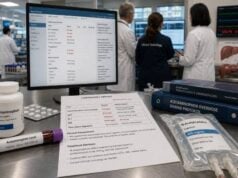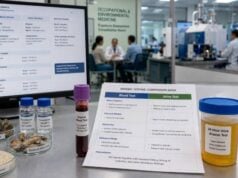
Tacrolimus helps protect a transplanted organ by lowering immune activity, but the dose has to stay in a narrow range. Too little can raise the risk of rejection. Too much can irritate the kidneys, affect potassium and magnesium, worsen blood pressure, and cause neurologic symptoms such as tremor. Creatinine is watched at the same time because it gives a practical signal of kidney filtration and graft function, especially after kidney transplant but also in heart, liver, lung, and other transplant recipients. A single tacrolimus or creatinine result rarely tells the whole story. Timing of the blood draw, recent dose changes, missed doses, diarrhea, interacting medicines, hydration, infection, and the person’s transplant timeline all change how the numbers should be read. The safest interpretation comes from looking at the tacrolimus trough, creatinine trend, symptoms, and transplant team’s target range together.
- Tacrolimus is usually monitored as a whole-blood trough level, often drawn just before the next dose.
- Common tacrolimus trough targets vary by organ, time since transplant, rejection risk, and center protocol; many maintenance targets fall roughly around 5–15 ng/mL.
- Creatinine can rise from tacrolimus kidney effects, rejection, dehydration, infection, obstruction, or other kidney-stressing medicines.
- A high tacrolimus level with rising creatinine often raises concern for tacrolimus-related kidney stress, but rejection and other causes still need consideration.
- Do not skip, reduce, or switch tacrolimus brands without transplant-team guidance, even when a lab result looks abnormal.
Table of Contents
- What Tacrolimus and Creatinine Show Together
- How Tacrolimus Levels Are Measured
- Typical Target Ranges and Result Timing
- Why Creatinine Can Rise on Tacrolimus
- Patterns That Change the Interpretation
- Medicines, Foods, and Illnesses That Change Levels
- Follow-Up Questions and When to Call
What Tacrolimus and Creatinine Show Together
Tacrolimus and creatinine are often reviewed together because they answer two different parts of the same safety question. Tacrolimus shows drug exposure. Creatinine shows how kidney filtration is behaving. In a transplant recipient, those results can point in the same direction or pull the interpretation in different directions.
Tacrolimus is a calcineurin inhibitor. It lowers T-cell activity, which helps prevent the immune system from attacking the transplanted organ. Because the useful dose and harmful dose can be close together, transplant teams use therapeutic drug monitoring rather than relying only on a fixed dose.
Creatinine is a waste product from muscle metabolism. The kidneys filter it from the blood, so a rising creatinine often suggests reduced kidney filtration. In a kidney transplant recipient, that can reflect a problem with the transplanted kidney. In a liver, heart, lung, pancreas, or intestinal transplant recipient, it can show kidney stress from tacrolimus, dehydration, low blood pressure, infection, or other medicines.
The combination is useful because tacrolimus can affect kidney blood flow. A high tacrolimus trough plus a rising creatinine may fit tacrolimus-related kidney stress, especially if potassium is also high, magnesium is low, blood pressure has risen, or tremor has worsened. A rising creatinine with a low tacrolimus level may raise different concerns, including under-immunosuppression and possible rejection in a kidney transplant recipient. A normal tacrolimus level does not rule out rejection, and a high level does not prove tacrolimus is the only cause.
For broader kidney interpretation, clinicians usually look beyond creatinine alone. They often review eGFR, urine protein, urinalysis, blood pressure, potassium, bicarbonate, medication changes, and the shape of the trend. A separate creatinine and eGFR review can help explain why a small creatinine movement may be more meaningful in one person than in another.
How Tacrolimus Levels Are Measured
Tacrolimus is usually measured in whole blood, not serum. The result is commonly reported in ng/mL, which is the same as mcg/L. Most routine transplant monitoring uses a trough level, meaning the sample is drawn at the end of the dosing interval, just before the next dose.
For immediate-release tacrolimus taken twice daily, a trough is commonly drawn about 12 hours after the last dose and before the next dose. For once-daily prolonged-release products, the timing is different and depends on the exact formulation and local protocol. The dose schedule, formulation, and blood-draw time must match the team’s instructions, because a level drawn too early can look falsely high and a level drawn too late can look falsely low.
A useful tacrolimus result needs several details:
- the exact time the last dose was taken
- the exact time blood was drawn
- the dose and formulation
- whether any doses were missed, doubled, delayed, vomited, or taken with unusual food timing
- recent changes in medicines, supplements, diarrhea, infection, or liver function
The lab method can also matter. Different assays can give slightly different results, and transplant teams usually interpret values using their own center’s method and target ranges. That is one reason a number that looks “normal” on a general lab portal may still be too high or too low for a specific transplant plan.
A tacrolimus blood test should not be treated like a routine screening marker. It is tied to a dose, a time, a formulation, and a clinical situation. A trough of 8 ng/mL may be reasonable for one stable kidney transplant recipient years after transplant, too low for another person soon after transplant, and too high for someone whose team is intentionally minimizing calcineurin inhibitor exposure because of kidney toxicity.
Typical Target Ranges and Result Timing
Tacrolimus target ranges are individualized. They vary by transplanted organ, time since transplant, rejection history, immune risk, infection risk, other immunosuppressive medicines, age, liver function, genetics, and center practice. The transplant team’s stated range is more important than a generic reference interval.
Early after transplant, targets are usually higher because rejection risk is higher. Later, when the graft is stable and the person is on maintenance therapy, targets often move lower to reduce kidney, neurologic, metabolic, and infection risks. Many product and monitoring references describe early post-transplant troughs broadly around 5–20 ng/mL for liver transplant recipients and 10–20 ng/mL for kidney and heart transplant recipients, with maintenance levels often around 5–15 ng/mL. Some kidney transplant protocols use lower targets, such as 4–8 ng/mL in selected lower-risk maintenance situations.
| Situation | How the result is usually interpreted |
|---|---|
| Below target | May suggest missed doses, late blood draw, poor absorption, drug interaction from an inducer, or under-immunosuppression risk |
| In target | Often reassuring, but still interpreted with creatinine, symptoms, rejection risk, and timing accuracy |
| Mildly above target | May prompt repeat level, medication review, dose adjustment, or closer kidney and electrolyte monitoring |
| Markedly above target | Raises concern for toxicity, especially with rising creatinine, tremor, headache, high potassium, high blood pressure, or neurologic symptoms |
| Unexpected result | Often requires checking dose timing, lab timing, formulation, new medicines, diarrhea, vomiting, and adherence before changing dose |
“Toxic level” is not a single universal number. Toxicity can occur at lower levels in a susceptible person, while some early post-transplant targets are intentionally higher under close supervision. Many clinicians become more concerned when troughs rise above the planned target or approach levels above about 20 ng/mL, especially when symptoms or kidney changes appear.
Creatinine timing matters too. A creatinine result should be compared with the person’s baseline, not only the lab’s normal range. For example, a creatinine rise from 0.8 to 1.2 mg/dL may still appear near normal in some lab systems but represents a 50% increase. In a kidney transplant recipient, that trend deserves attention. In someone with long-standing chronic kidney disease, a smaller absolute rise may still be meaningful if it is sustained or paired with other abnormal findings.
Why Creatinine Can Rise on Tacrolimus
Tacrolimus can raise creatinine because it can narrow blood vessels inside the kidney, reducing blood flow through the filtering units. This effect can be functional and partly reversible when the level is reduced, hydration improves, or interacting medicines are removed. That is one reason transplant teams react quickly to a high trough paired with worsening creatinine.
Tacrolimus can also contribute to longer-term kidney injury when exposure remains high or when other kidney stressors are present. Chronic calcineurin inhibitor injury may involve scarring, tubular damage, and changes in small blood vessels. This is more complex than a simple “high level equals damage” pattern. Duration of exposure, blood pressure, diabetes, donor kidney quality, rejection episodes, infections, and other medicines all influence long-term kidney function.
Creatinine can rise for reasons unrelated to tacrolimus as well. Common possibilities include:
- dehydration from poor intake, vomiting, diarrhea, fever, or diuretics
- rejection, especially in kidney transplant recipients
- infection, including urinary tract infection or systemic illness
- obstruction of urine flow
- BK virus or other transplant-related infections
- low blood pressure, heart failure, or poor kidney perfusion
- nonsteroidal anti-inflammatory drugs such as ibuprofen or naproxen
- ACE inhibitors, ARBs, trimethoprim-sulfamethoxazole, or other medicines that can alter creatinine, potassium, or kidney filtration
- contrast dye exposure or other acute kidney stress
Potassium often helps shape the interpretation. Tacrolimus can contribute to high potassium, and reduced kidney filtration can do the same. A rising creatinine with high potassium may require faster action than creatinine alone because potassium affects heart rhythm. A deeper look at potassium and creatinine can be useful when both are abnormal.
A rising creatinine should never be dismissed as “just tacrolimus” without checking the full picture. In a kidney transplant recipient, rejection, obstruction, infection, and drug toxicity can look similar at first. Sometimes imaging, urine testing, donor-specific antibody testing, viral testing, repeat drug levels, or kidney biopsy is needed to separate the causes.
Patterns That Change the Interpretation
Lab patterns are more helpful than isolated numbers. The same tacrolimus level can mean different things depending on creatinine, potassium, symptoms, and the transplant timeline.
A high tacrolimus trough with a new creatinine rise often points toward tacrolimus-related kidney stress, especially if the sample was a true trough and there was a recent interacting medicine. A common example is a transplant recipient who starts an azole antifungal or clarithromycin, then develops a higher tacrolimus level, tremor, and rising creatinine. The usual response is not to stop tacrolimus independently, but to contact the transplant team for dose adjustment and repeat monitoring.
A rising creatinine with a tacrolimus level below target creates a different concern. In a kidney transplant recipient, this can raise suspicion for rejection, missed doses, underexposure, or absorption problems. In other transplant recipients, the concern may include under-immunosuppression of the transplanted organ plus a separate kidney problem. Either way, the low tacrolimus level does not make the creatinine rise harmless.
A stable creatinine with a high tacrolimus level still matters. Kidney damage is not the only form of tacrolimus toxicity. High levels can cause tremor, headache, confusion, seizures, high blood pressure, high glucose, low magnesium, high potassium, and gastrointestinal symptoms. Some people feel well despite a high trough, but the team may still adjust the dose to prevent harm.
A rising creatinine with tacrolimus in range should prompt a search for other causes. Dehydration, infection, rejection, obstruction, blood pressure changes, and other nephrotoxic medicines may be more likely. A high creatinine result needs context from previous values and from urine, electrolyte, and clinical findings.
A low creatinine does not necessarily mean tacrolimus is perfectly safe. Creatinine can underestimate kidney problems in people with low muscle mass, older adults, people with major weight loss, or those with liver disease. In some situations, clinicians use cystatin C, measured creatinine clearance, urine protein, or other tests to get a clearer view of kidney function.
Medicines, Foods, and Illnesses That Change Levels
Tacrolimus levels can change quickly when metabolism or absorption changes. Tacrolimus is strongly affected by CYP3A enzymes and P-glycoprotein transport, so many drug interactions are clinically important.
Medicines that can raise tacrolimus levels include several azole antifungals, macrolide antibiotics, some calcium channel blockers, amiodarone, protease inhibitors, cobicistat-containing antiviral regimens, and some other strong CYP3A inhibitors. When these are necessary, the transplant team may preemptively reduce tacrolimus, check levels more often, or both.
Medicines and supplements that can lower tacrolimus levels include rifampin, rifabutin, carbamazepine, phenytoin, phenobarbital, some other enzyme-inducing antiseizure medicines, and St. John’s wort. Low levels can be dangerous because they may reduce rejection protection.
Food and routine habits matter too. Grapefruit, pomelo, Seville orange, and related products can raise tacrolimus levels and are usually avoided unless the transplant team gives different instructions. High-fat meals can change absorption for some formulations. The safest routine is to take tacrolimus the same way each day, with consistent timing around food, unless the prescribed product instructions say otherwise.
Diarrhea deserves special attention. Many people assume diarrhea lowers medication levels by flushing medicines through the gut. With tacrolimus, diarrhea can sometimes raise blood levels because intestinal metabolism and transport change during gastrointestinal illness. Vomiting can also create uncertainty because the dose may not have been absorbed. A transplant recipient with significant diarrhea, vomiting, fever, or poor intake should contact the transplant team rather than guessing whether to repeat or hold doses.
Brand and formulation changes are another common source of confusion. Immediate-release, prolonged-release, and different branded or generic products are not casually interchangeable. Switching can change exposure even when the milligram dose looks similar. Safety agencies advise prescribing and dispensing tacrolimus by brand name and using careful monitoring when any switch is made. This is also why a patient should be cautious if a pharmacy refill looks different from usual.
Related medicines have their own monitoring patterns. For example, cyclosporine blood test interpretation differs from tacrolimus even though both are calcineurin inhibitors. Sirolimus, everolimus, mycophenolate, prednisone, valganciclovir, trimethoprim-sulfamethoxazole, and antifungals may all influence the overall transplant plan, but they are not interpreted using the same trough target logic.
Follow-Up Questions and When to Call
A good follow-up conversation starts with the details that make the lab result interpretable. Before calling the transplant team or reviewing results in clinic, it helps to write down the dose, product name, dose times, blood-draw time, missed doses, new medicines, supplements, illness symptoms, blood pressure readings, and recent creatinine values.
Useful questions include:
- Was this tacrolimus level a true trough?
- What is my current target range, and has it changed since transplant?
- Is my creatinine change large compared with my usual baseline?
- Should I repeat the tacrolimus level, creatinine, potassium, magnesium, or urine tests?
- Could any new medicine, antibiotic, antifungal, seizure medicine, heart medicine, supplement, or food have changed my level?
- Should I keep taking the same dose until I receive direct instructions?
- Does this pattern suggest tacrolimus effect, dehydration, rejection, infection, obstruction, or another cause?
- Do I need imaging, viral testing, donor-specific antibody testing, or biopsy?
Some situations need same-day transplant-team advice or urgent care. These include markedly reduced urine output, severe vomiting or diarrhea, inability to keep tacrolimus down, fever, chills, shortness of breath, swelling, chest pain, fainting, confusion, seizure, severe headache, new severe tremor, very high blood pressure, a potassium result flagged as dangerous, or a rapid creatinine rise. Kidney transplant recipients should also report graft-area pain, tenderness, swelling, or a sudden change in urine.
Medication changes should be handled carefully. Do not lower tacrolimus because creatinine rose unless the transplant team tells you to. Do not take extra tacrolimus because a level was low unless instructed. Do not stop an interacting antibiotic or antifungal without medical guidance either, because untreated infection can also threaten the transplant.
Tacrolimus monitoring works best when the patient, lab, pharmacy, and transplant team all treat timing as part of the result. The number on the portal is only one piece. The trend, dose history, organ type, timing after transplant, creatinine, potassium, symptoms, and medication list turn that number into a useful clinical decision.
References
- Tacrolimus monitoring 2026 (Guidance)
- Adoport 1 mg Hard Capsules – Summary of Product Characteristics (SmPC) 2025 (Product Information)
- Renal association clinical practice guideline in post-operative care in the kidney transplant recipient 2017 (Guideline)
- Oral tacrolimus products: reminder to prescribe and dispense by brand name only 2017 (Safety Update)
- Clinical Pharmacogenetics Implementation Consortium (CPIC) Guidelines for CYP3A5 Genotype and Tacrolimus Dosing 2015 (Practice Guideline)
Disclaimer
Tacrolimus dosing and transplant monitoring must be managed by a transplant clinician or a clinician working directly with the transplant team. This article is for general education and cannot determine whether a specific creatinine change is rejection, tacrolimus toxicity, dehydration, infection, or another urgent problem. A transplant recipient with abnormal results, missed doses, new interacting medicines, vomiting, diarrhea, fever, neurologic symptoms, high potassium, or a rapid creatinine rise should seek transplant-team advice promptly.