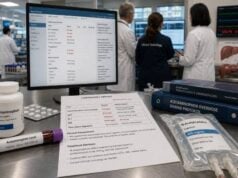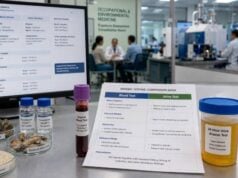
A sirolimus blood test measures the amount of sirolimus, also called rapamycin, in whole blood. Sirolimus is an immunosuppressant used after kidney transplant and in selected other conditions, and the test helps the care team keep the dose high enough to protect the transplanted organ while avoiding unnecessary toxicity. Most results are interpreted as a trough level, which means the blood sample is drawn just before the next scheduled dose, usually about 24 hours after the last once-daily dose. The number is not judged by itself. A transplant team compares it with the target range for the person’s transplant type, time since transplant, other anti-rejection medicines, kidney and liver function, infection risk, biopsy findings, and side effects. A result that looks “high” on one lab report may need different action than the same number from another lab because testing methods are not always interchangeable.
- The sirolimus blood test usually measures a trough level in whole blood, drawn just before the next dose.
- Common target ranges vary by treatment plan, but many sirolimus targets fall somewhere between about 5 and 20 ng/mL.
- After cyclosporine withdrawal in lower-risk kidney transplant patients, labeled target troughs are 16–24 ng/mL for the first year and 12–20 ng/mL after that.
- A single “toxic level” is not universal; toxicity depends on the level, symptoms, blood counts, kidney function, lipids, protein in urine, wound healing, infections, and drug interactions.
- Do not change or skip sirolimus based only on one lab result unless the transplant team gives that instruction.
- Grapefruit products, strong CYP3A4/P-gp inhibitors or inducers, cannabidiol, and some antibiotics or antifungals can change sirolimus levels.
Table of Contents
- What the Sirolimus Blood Test Measures
- Therapeutic Range and Target Levels
- High, Low, and Toxic Results
- When and How the Test Is Done
- Factors That Change Sirolimus Levels
- Follow-Up Tests and Safety Monitoring
- How to Read Your Result With Your Care Team
What the Sirolimus Blood Test Measures
The sirolimus blood test measures the concentration of sirolimus in whole blood, usually reported in nanograms per milliliter, written as ng/mL. Whole blood is used because sirolimus distributes strongly into blood cells, especially red blood cells. A serum or plasma drug level is not the usual way to monitor it.
Sirolimus belongs to a group of medicines called mTOR inhibitors. It lowers immune activity by blocking signals that help certain immune cells grow and multiply. After a kidney transplant, that immune suppression can help reduce the risk that the immune system will attack the transplanted organ. Sirolimus is different from tacrolimus and cyclosporine, which are calcineurin inhibitors, but transplant regimens may combine these medicines for certain periods.
The blood test does not measure whether the immune system is “safe” or “unsafe” in a simple way. It measures exposure to the drug. The result then helps the transplant clinician judge whether the dose is likely to be appropriate for the person’s current plan.
A sirolimus result is usually interpreted together with other information, such as:
- Time since transplant
- Type of transplant and rejection risk
- Current sirolimus dose and dosing schedule
- Whether cyclosporine, tacrolimus, mycophenolate, prednisone, or other immunosuppressants are also being used
- Kidney function, urine protein, liver tests, blood counts, cholesterol, and triglycerides
- Symptoms such as mouth sores, swelling, infection, delayed wound healing, shortness of breath, or unusual bruising
- Whether the blood sample was drawn at the correct time
Sirolimus monitoring is one part of therapeutic drug monitoring, a process used for medicines where blood levels can help guide safer dosing.
Therapeutic Range and Target Levels
The therapeutic range is the blood level range that the treating team is aiming for. Sirolimus does not have one target range for everyone. The desired level depends on the reason for treatment, the full immunosuppression plan, the laboratory method, and the person’s risk of rejection or toxicity.
For kidney transplant patients, target ranges are often individualized. A person early after transplant may have a different target than someone years after transplant. A person taking sirolimus with cyclosporine may have a different target than someone taking sirolimus after cyclosporine has been withdrawn. A person with side effects, infections, poor wound healing, or abnormal labs may need a lower target than someone tolerating therapy well.
| Situation | Example target or interpretation | Important context |
|---|---|---|
| Many maintenance regimens using sirolimus with other immunosuppressants | Often around 5–15 ng/mL, depending on center protocol | The transplant team sets the actual target based on the regimen and lab method. |
| Lower-risk kidney transplant patients after cyclosporine withdrawal | 16–24 ng/mL during the first year after transplant, then 12–20 ng/mL afterward | These labeled targets are based on chromatographic testing methods. |
| Lymphangioleiomyomatosis treatment | 5–15 ng/mL | This is not a transplant rejection target, but it is a commonly referenced sirolimus range. |
| Result slightly below the target | May suggest underexposure | Interpretation depends on timing, adherence, rejection risk, and other medicines. |
| Result above the target | May increase toxicity risk | Action depends on symptoms, labs, timing, and whether interacting medicines are present. |
Some lab reports show a “reference range,” but that range may not be the right target for a specific transplant patient. A lab cannot know every detail of the transplant plan. The ordering clinician’s target is more important than a generic range printed on the report.
The test method also matters. Sirolimus can be measured by chromatographic methods, such as liquid chromatography-tandem mass spectrometry, or by immunoassay methods. Results from different methods may not match exactly. If a person’s monitoring switches from one lab to another, the care team may re-check the target and look for changes caused by the assay rather than a true change in drug exposure.
Sirolimus levels are often discussed alongside other transplant drug tests. For example, tacrolimus monitoring has different target ranges and different toxicity concerns, so a tacrolimus blood test cannot be interpreted the same way as a sirolimus test.
High, Low, and Toxic Results
A sirolimus level is “high” when it is above the target set for that person. A high result does not automatically mean poisoning, but it can raise the chance of side effects and may lead to a dose change, repeat testing, or a search for drug interactions.
There is no single toxic cutoff that applies to every patient. A level above 20 ng/mL may be above many commonly used maintenance targets, but some labeled post-cyclosporine-withdrawal transplant targets extend into the low 20s during the first year. A level that is acceptable in one planned regimen may be excessive in another. Toxicity is judged by the full picture, not the number alone.
Possible signs and lab clues of excessive sirolimus exposure include:
- Mouth ulcers or painful sores
- Diarrhea, nausea, or abdominal discomfort
- Swelling in the legs or fluid retention
- High cholesterol or high triglycerides
- Low platelets, low white blood cells, or anemia
- Delayed wound healing or wound complications
- Protein in the urine
- New or worsening shortness of breath, cough, or noninfectious pneumonitis
- Recurrent or severe infections
- Unusual bruising or bleeding, especially with low platelets
- Rising creatinine when sirolimus is used with other kidney-stressing drugs or when the overall transplant picture is changing
A high sirolimus result deserves prompt review if it comes with fever, breathing symptoms, severe mouth sores, heavy diarrhea, unusual bleeding, confusion, severe swelling, or signs of infection. Transplant patients should usually contact their transplant team quickly for symptoms that might seem minor in someone else, because immunosuppression can change how infections and complications appear.
A low sirolimus result means the drug exposure may be below the planned target. That can happen because of missed doses, late or incorrectly timed blood draws, changes in cyclosporine use, vomiting or diarrhea, interacting medicines that lower levels, or taking the medicine differently with food from day to day. A low level may increase rejection risk, especially early after transplant or in someone with higher immunologic risk.
Low results are not automatically solved by taking extra doses. Sirolimus has a long half-life, so unplanned dose changes can build up slowly and then overshoot. Clinicians often repeat the level, confirm dose timing, review medicines, and adjust carefully.
When and How the Test Is Done
The sirolimus blood test is usually timed as a trough level. For once-daily dosing, that means the blood draw is commonly done about 24 hours after the last dose and just before the next dose. The patient usually brings the dose to the lab or takes it after the blood sample, unless the transplant team gives different instructions.
Timing errors can make a result misleading. If blood is drawn a few hours after a dose, the result may look falsely high compared with a true trough. If a dose was missed, delayed, vomited, or taken at a different time than usual, the result may look lower or harder to interpret.
Common times when sirolimus levels are checked include:
- Soon after starting sirolimus
- After a loading dose or major dose change
- After switching between oral solution and tablets
- After stopping, starting, or changing cyclosporine
- After adding or stopping medicines that affect CYP3A4 or P-glycoprotein
- When liver function changes
- When side effects suggest possible overexposure
- When rejection, infection, or poor adherence is a concern
- Periodically during stable long-term treatment
Because sirolimus leaves the body slowly, clinicians usually avoid making repeated rapid dose changes based on non-steady-state levels. After a maintenance dose change, the new level may need time to settle. In many situations, the care team waits at least several days and often longer before judging the full effect of a dose change.
Preparation is usually simple, but consistency matters. Many patients are told to take sirolimus the same way every day with respect to food. Food can affect absorption, so taking it with food one day and without food the next can add noise to the result. Grapefruit and grapefruit juice are usually avoided because they can raise sirolimus levels.
The blood draw itself is a standard venipuncture. The lab may ask for the time of the last dose, the time of the blood draw, and the current dose. Those details can be as important as the number because a correctly timed trough is much easier to interpret.
Factors That Change Sirolimus Levels
Sirolimus is mainly processed through CYP3A enzymes and transported by P-glycoprotein. Medicines or foods that affect these pathways can raise or lower sirolimus levels, sometimes enough to require close monitoring.
Strong inhibitors can raise sirolimus levels and increase toxicity risk. Examples may include certain azole antifungals, macrolide antibiotics, HIV protease inhibitors, some calcium channel blockers, and grapefruit products. Cannabidiol can also increase concern for higher sirolimus exposure and may require extra monitoring.
Strong inducers can lower sirolimus levels and increase the risk of under-immunosuppression. Examples may include rifampin, some seizure medicines, and St. John’s wort. Patients should tell the transplant team before starting prescription medicines, over-the-counter products, supplements, herbal products, or cannabis-derived products.
Cyclosporine is especially important because it can increase sirolimus exposure through metabolism and transport effects. In some kidney transplant plans, sirolimus is started with cyclosporine and corticosteroids, then cyclosporine is withdrawn later. When cyclosporine is reduced or stopped, sirolimus levels may fall unless the regimen is adjusted. That is one reason blood levels are monitored closely during transitions. A cyclosporine blood test may be ordered during combination therapy because both medicines need careful management.
Liver impairment can also increase sirolimus exposure because metabolism slows. Kidney impairment alone does not usually require the same direct sirolimus dose adjustment, but kidney function still matters greatly in transplant care. Changes in creatinine, eGFR, urine protein, potassium, and other kidney markers can signal rejection, medication effects, dehydration, obstruction, infection, or other problems. A broader kidney function blood test panel often helps place the sirolimus result in context.
Other factors that can affect levels or interpretation include:
- Missed doses or taking doses at changing times
- Vomiting soon after a dose
- Severe diarrhea or absorption problems
- Switching between brand, generic, tablet, and oral solution formulations
- Body size in younger or low-weight patients
- Major changes in albumin, hematocrit, or overall illness
- Lab method differences between testing sites
- Recent transplant surgery, wound healing needs, or infections
For patients, the safest habit is to keep an updated medication list and ask before adding anything new. Even common medicines can matter after transplant.
Follow-Up Tests and Safety Monitoring
Sirolimus monitoring does not stop with the trough level. The care team also watches for organ rejection, infection, metabolic side effects, wound problems, blood count changes, and kidney or liver changes. The follow-up panel depends on the patient, but several tests are common.
| Test or check | Why it matters with sirolimus |
|---|---|
| Creatinine and eGFR | Help assess kidney transplant function and possible kidney stress from the overall regimen. |
| Urine protein or urine albumin-to-creatinine ratio | Sirolimus can be associated with proteinuria, and protein in urine may also signal kidney graft problems. |
| Complete blood count | Checks for anemia, low white blood cells, and low platelets. |
| Lipid panel | Sirolimus can raise cholesterol and triglycerides. |
| Liver enzymes and bilirubin | Liver function can affect sirolimus handling and may change medication safety decisions. |
| Glucose or A1c | Helps monitor metabolic risk in transplant patients taking immunosuppressive therapy. |
| Biopsy or transplant imaging when indicated | Drug levels cannot prove or rule out rejection by themselves. |
Blood counts deserve close attention because sirolimus can be associated with low platelets and anemia. If a report shows falling hemoglobin, abnormal white blood cells, or low platelets, clinicians may compare the pattern with infection risk, other medicines, kidney function, and the sirolimus level. A complete blood count is often one of the routine safety tests in immunosuppressed patients.
Lipids are also important. Sirolimus can increase triglycerides and cholesterol, sometimes enough to require diet changes, medication, dose review, or a change in the transplant regimen. Severe hypertriglyceridemia can increase pancreatitis risk, so very high triglycerides should not be ignored.
Liver testing is useful because hepatic impairment can raise drug exposure. A liver function test panel can help the care team evaluate whether metabolism may be altered or whether another medication problem is developing.
Wound healing is a special concern. Sirolimus can impair wound healing and increase fluid collection risk, which is one reason some transplant centers avoid it immediately after surgery or use it selectively. Patients should report wound opening, drainage, redness, swelling, fever, or new pain around a surgical site.
Lung symptoms also deserve attention. Noninfectious pneumonitis has been reported with sirolimus, and transplant patients can also develop serious infections. New cough, shortness of breath, chest discomfort, fever, or reduced exercise tolerance should be discussed promptly, especially when the sirolimus level is high or recently increased.
How to Read Your Result With Your Care Team
A useful way to read a sirolimus result is to start with timing, then compare the number with the prescribed target, then look at symptoms and safety labs. The same numerical result can lead to different plans in different people.
For example, a trough of 6 ng/mL might be acceptable for one maintenance regimen but too low for another. A trough of 18 ng/mL might be expected after cyclosporine withdrawal in one lower-risk kidney transplant protocol but excessive for someone whose team set a 5–10 ng/mL target because of mouth ulcers, high triglycerides, or infection risk.
Bring these details to the discussion:
- The exact time of the last sirolimus dose
- The exact time of the blood draw
- Whether any dose was missed, delayed, doubled, vomited, or held
- Whether the medicine was taken with food as usual
- Any new prescriptions, antibiotics, antifungals, seizure medicines, heart medicines, supplements, or cannabidiol products
- Any grapefruit, pomelo, Seville orange, or similar products
- Symptoms such as mouth sores, diarrhea, swelling, fever, cough, shortness of breath, bruising, wound issues, or signs of infection
- Any recent transplant biopsy, imaging, hospitalization, or rejection treatment
Do not use another patient’s range as your own. Transplant medication plans are deliberately individualized. The target can change over time as rejection risk falls, side effects develop, cyclosporine or tacrolimus is changed, kidney function shifts, or infection risk becomes more important.
Patients should also avoid interpreting “normal” on the lab portal as proof that the dose is correct. Many portals display a general lab reference interval, not the personalized target set by the transplant program. The transplant team’s stated target is the one to follow.
Call the care team urgently if a high level appears with serious symptoms, if you accidentally took too much, if you missed several doses, or if another clinician prescribed a medicine known to interact with sirolimus. Also contact them before stopping sirolimus. Stopping suddenly can raise rejection risk, while taking extra doses can raise toxicity risk because the drug builds and clears slowly.
References
- Rapamune- sirolimus solution Rapamune- sirolimus tablet, sugar coated 2024 (Prescribing Information)
- Rapamune Product information 2025 (Official Product Information)
- Human Metabolism of Sirolimus Revisited 2025 (Review)
- The impact of CYP3A5*3 polymorphism on sirolimus pharmacokinetics: insights from predictions with a physiologically-based pharmacokinetic model 2015 (Pharmacokinetic Study)
- Population pharmacokinetics of sirolimus in kidney transplant patients 1997 (Pharmacokinetic Study)
- Pharmacokinetics and metabolic disposition of sirolimus in healthy male volunteers after a single oral dose 2006 (Pharmacokinetic Study)
Disclaimer
Sirolimus is a transplant and specialty-care medicine that should be adjusted only by a clinician who knows the full treatment plan. This information can help you understand the blood test, but it cannot determine your personal dose, target range, rejection risk, or toxicity risk. Contact your transplant team promptly for high or low results, missed doses, suspected interactions, infection symptoms, breathing symptoms, wound problems, or severe side effects.