• Home
  • Health Topics
  • Human Body
  • Diagnostics
  • Conditions
  • Treatments
  • Foods
  • Herbs
  • Supplements
  • Weight Loss
  • Longevity
Search
VitaLibrary
  • Home
  • Health Topics
  • Human Body
  • Diagnostics
  • Conditions
  • Treatments
  • Foods
  • Herbs
  • Supplements
  • Weight Loss
  • Longevity
  • Blood Tests and Blood Biomarkers
  • Brain, Cognitive, and Mental Health Tests and Diagnostics
  • Genetic and Molecular Biomarkers
  • Hormone Tests
  • Inflammation and Immune Markers
  • Tumor Markers
  • Urine Tests and Kidney Markers
    Latest
    • Latest
    • Featured posts
    • Most popular
    • 7 days popular
    • By review score
    • Random
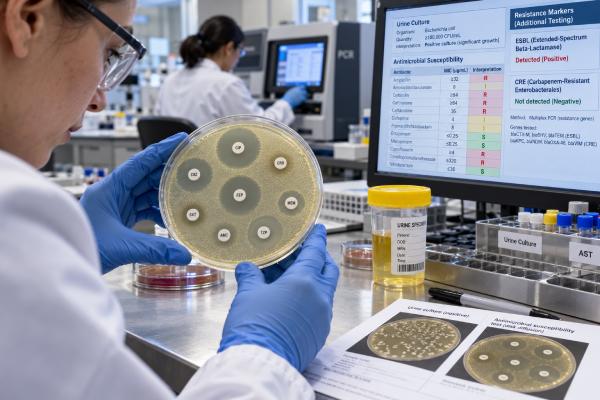
    Learn how antibiotic-resistant UTI testing identifies ESBL, CRE, resistance genes, and antibiotic susceptibility, and how culture results guide treatment and follow-up.

    Antibiotic-Resistant UTI Test: ESBL, CRE, Resistance Markers, and Culture Meaning

    Learn what asymptomatic bacteriuria means, how a positive urine culture without UTI symptoms is interpreted, and when screening, treatment, or follow-up matters.

    Asymptomatic Bacteriuria Test: Positive Culture Without Symptoms and When It Matters

    Learn how bacteria in urine are interpreted using urinalysis, culture, colony count, symptoms, and sample quality, including when contamination or follow-up testing matters.

    Bacteria in Urine Test: UTI, Contamination, Colony Count, and Culture Follow-Up

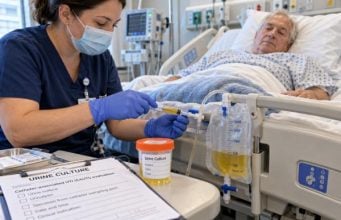
    Learn how a catheter urine culture helps diagnose catheter-associated UTI, how samples are collected, and what colony counts, pyuria, resistance, and positive results mean.

    Catheter Urine Culture Test: Catheter-Associated UTI and Culture Meaning

    Learn how a chlamydia and gonorrhea urine NAAT works, how to collect first-catch urine, what positive or negative results mean, and when follow-up testing is needed.

    Chlamydia and Gonorrhea Urine NAAT Test: STI Screening, Positive Result, and Meaning

    Learn how to collect a clean-catch urine culture, reduce contamination, handle the sample correctly, and understand mixed flora, colony counts, repeat testing, and accurate results.

    Clean-Catch Urine Culture Test: Sample Collection, Contamination, and Accurate Results

    Diagnostics

    Home Diagnostics Page 105
    Understand high serum osmolality, including normal ranges, dehydration, high sodium, diabetes-related hyperosmolar states, osmolal gap causes, urgent symptoms, and follow-up testing.

    High Serum Osmolality Test: Causes, Dehydration, Sodium Balance, and Meaning

    High sodium blood test results may mean hypernatremia, often from dehydration, water loss, diabetes insipidus, kidney problems, or sodium overload. Learn symptoms, causes, ranges, and when urgent care is needed.

    High Sodium Blood Test: Causes, Symptoms, Hypernatremia, and Meaning

    Learn what a high urea blood test means, including BUN conversion, kidney function, dehydration, BUN/creatinine ratio, common causes, symptoms, and follow-up tests.

    High Urea Blood Test: Causes, Kidney Function, Dehydration, and Meaning

    Learn what a high uric acid blood test means, including common causes, gout risk, kidney stone links, follow-up tests, treatment targets, and when urgent care matters.

    High Uric Acid Blood Test: Causes, Gout, Kidney Stones, and Meaning

    Learn the ionized calcium normal range, what low and high results mean, why pH and albumin matter, and which follow-up tests help explain abnormal calcium levels.

    Ionized Calcium Test Normal Range: Reference Values and Meaning

    Learn what a kidney function blood test panel measures, including eGFR, creatinine, BUN, sodium, potassium, chloride, bicarbonate, common ranges, abnormal results, follow-up tests, and urgent warning signs.

    Kidney Function Blood Test Panel: eGFR, Creatinine, BUN, Electrolytes, and Results

    A kidney function panel focuses on kidney markers, electrolytes, phosphorus, and albumin, while a CMP adds liver enzymes, bilirubin, total protein, glucose, and broader metabolic screening.

    Kidney Function Panel vs CMP: What Is the Difference?

    Learn what the KIM-1 test measures, why kidney injury molecule-1 rises with tubular kidney damage, how results are interpreted, and when follow-up matters.

    Kidney Injury Molecule-1 (KIM-1) Test: Kidney Damage Marker, Acute Kidney Injury,...

    Learn what a low aldosterone blood test means, including links to low blood pressure, high potassium, low sodium, adrenal insufficiency, kidney disease, medications, renin, and follow-up testing.

    Low Aldosterone Blood Test: Causes, Low Blood Pressure, Potassium, and Meaning

    Learn what a low anion gap blood test means, including common causes such as low albumin, lab error, lithium, chloride interference, and abnormal proteins.

    Low Anion Gap Blood Test: Causes, Albumin, Lab Error, and Meaning

    Learn what a low bicarbonate blood test means, including metabolic acidosis, kidney disease, anion gap patterns, symptoms, urgent warning signs, and follow-up testing.

    Low Bicarbonate Blood Test: Causes, Metabolic Acidosis, Kidney Disease, and Meaning

    Learn what a low BUN blood test means, including common causes such as low protein intake, liver disease, malnutrition, overhydration, pregnancy, and abnormal related labs.

    Low Blood Urea Nitrogen (BUN) Test: Causes, Liver Disease, Low Protein,...

    Learn what a low BUN/creatinine ratio means, common causes, links to liver disease and nutrition, associated symptoms, related blood tests, and when further evaluation may be needed.

    Low BUN/Creatinine Ratio Test: Causes, Liver Disease, Nutrition, and Meaning

    Learn what a low carbon dioxide (CO2) blood test means, common causes of low bicarbonate, metabolic acidosis, kidney disease, symptoms, related tests, and treatment considerations.

    Low Carbon Dioxide (CO2) Blood Test: Causes, Acid-Base Balance, and Meaning

    Learn what a low chloride blood test means, common causes of hypochloremia, symptoms, electrolyte imbalances, related lab tests, treatment options, and when low chloride levels may require medical attention.

    Low Chloride Blood Test: Causes, Electrolyte Imbalance, and Meaning

    Learn what a low creatinine blood test means, including common causes such as low muscle mass, pregnancy, malnutrition, liver disease, and how low creatinine can affect eGFR.

    Low Creatinine Blood Test: Causes, Low Muscle Mass, and Meaning

    1...104105106...137Page 105 of 137
    • Disclaimer
    • Privacy Policy
    • About Us
    © 2026 Vita Library. All rights reserved.
    Contact us: contact@vitalibrary.com