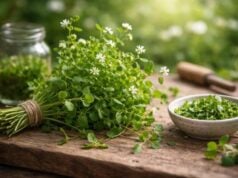
Colocynth—also called bitter apple or desert gourd—is a striking plant with a long history in traditional medicine and an equally long record of caution in modern toxicology. The fruit pulp contains intensely bitter compounds that can act as powerful irritants in the gut, which explains its traditional reputation as a “strong purgative.” In more recent years, interest has expanded beyond digestion to possible metabolic and anti-inflammatory applications, largely because colocynth contains bioactive cucurbitacins and other plant chemicals studied for their effects on cellular signaling.
Still, colocynth is not a gentle herb. The same constituents that make it biologically active can also make it risky—especially when used as raw fruit, concentrated powders, or homemade extracts. This article lays out what colocynth is, what it contains, what it may help with, how it is used, and—most importantly—how to think about dosage and safety so you can make informed, conservative decisions.
Essential Insights
- Colocynth has a strong laxative action and can cause severe cramping and diarrhea if misused.
- Human evidence for blood sugar and lipid effects exists but is limited and not a substitute for standard care.
- Clinical studies have used processed capsules around 300–1000 mg/day for 1–2 months under supervision.
- Avoid if pregnant or trying to conceive, or if you have inflammatory bowel disease, kidney disease, or frequent dehydration risk.
- Do not self-dose with raw fruit pulp, homemade extracts, or high-dose powders due to toxicity risk.
Table of Contents
- What is colocynth and what is in it
- How does colocynth work in the body
- What does colocynth help with
- How is colocynth used
- How much colocynth is safe
- Side effects and who should avoid it
- What does the evidence say
What is colocynth and what is in it
Colocynth (Citrullus colocynthis) is a drought-tolerant plant in the cucumber and melon family (Cucurbitaceae). It grows in arid and semi-arid regions and produces round, yellow-green fruits that resemble small melons. The medicinal reputation comes mostly from the fruit pulp (the spongy interior), although seeds and other parts appear in traditional practices. In many herbal systems, colocynth was classified as a “strong” remedy—used sparingly, often combined with other ingredients, and typically reserved for short-term use rather than daily wellness.
The plant’s chemistry helps explain both the interest and the caution. Key constituents commonly discussed include:
- Cucurbitacins (triterpenoids): intensely bitter compounds associated with strong biological activity. They are often studied for effects on inflammation-related pathways, oxidative stress, and cellular signaling.
- Glycosides and resinous compounds: traditionally linked with colocynth’s cathartic effect (stimulating bowel movements).
- Flavonoids and phenolic acids: plant antioxidants that may contribute to free-radical scavenging activity in lab settings.
- Seed oils and fatty acids: the seeds have a different profile than the pulp and are generally considered less aggressively irritant than the pulp, though “less irritant” does not mean “safe at any dose.”
- Minerals and sugars (minor components): these vary widely by region, harvest time, and preparation.
A practical point for readers: “colocynth” products are not uniform. Some preparations use the fruit pulp, others use seed extracts, and some use “processed” or “detoxified” forms described in certain traditional systems. This matters because the risk profile is strongly influenced by what part is used, how it is extracted, and how concentrated the final product is.
If you take only one framing idea from this section, let it be this: colocynth is not best understood as a casual superfood. It is a biologically potent botanical whose traditional use patterns—small amounts, short durations, careful combinations—reflect a long-standing awareness that it can do harm when handled casually.
How does colocynth work in the body
Colocynth’s most immediate and noticeable action is gastrointestinal. The fruit pulp contains constituents that can irritate the lining of the digestive tract and increase intestinal motility (the contractions that move stool along). This is why colocynth has historically been used as a drastic purgative. The effect is not subtle: when the dose is too high, the same mechanism can shift from “laxative” to “violent diarrhea,” accompanied by cramping, fluid loss, and electrolyte imbalance.
Beyond this traditional cathartic role, modern research interest often focuses on how colocynth constituents interact with cellular pathways. While much of this work is preclinical, it provides a map of “possible mechanisms” that can guide what to watch for in human studies. Mechanistic themes often discussed include:
1) Irritant catharsis and fluid shifts
The purgative effect is not simply “more fiber” or “gentle stimulation.” It is closer to an irritant-driven response: the gut reacts by secreting fluid and increasing movement. That can temporarily relieve constipation but also raises the risk of dehydration and potassium loss, especially if diarrhea is prolonged or repeated.
2) Inflammation and oxidative stress signaling
Some colocynth compounds are studied for their ability to influence inflammatory mediators and oxidative stress pathways. In theory, this could translate into effects on pain, swelling, or metabolic inflammation. In practice, strong cellular activity does not automatically become a safe or meaningful benefit in humans—particularly if the dose required for effect overlaps with the dose that causes harm.
3) Metabolic pathways relevant to blood sugar
Interest in colocynth for glucose control often centers on observations that certain preparations may influence insulin sensitivity, glucose uptake, or oxidative stress related to metabolic dysfunction. Even if these effects are real, they come with two important caveats: the human evidence base is modest, and the margin between “active” and “too harsh” can be narrow.
4) Antimicrobial and tissue effects
In laboratory settings, extracts have been tested for antimicrobial activity and for effects on tissue repair. This is one reason colocynth sometimes appears in topical traditions (for example, as part of poultices). The key safety distinction: topical use can still irritate skin and mucous membranes, but it generally does not create the same systemic fluid and electrolyte risks as oral purgative use—unless applied to damaged skin or used in ways that increase absorption.
Overall, colocynth acts less like a “daily tonic” and more like a high-impact botanical tool. If you are exploring it for any purpose, a conservative mindset is part of safe use: short duration, careful product selection, and a willingness to stop at the first sign that the body is reacting harshly.
What does colocynth help with
People usually search for colocynth in one of two contexts: digestion (constipation, “cleansing”) and metabolic concerns (blood sugar, cholesterol). A third, less common path is topical or traditional uses for discomfort and inflammation. It helps to separate “traditional claims,” “plausible mechanisms,” and “realistic outcomes.”
Digestive use: constipation and short-term purgation
Traditionally, colocynth is described as a strong laxative. The realistic outcome, when it “works,” is typically a bowel movement—often accompanied by cramping. For someone with occasional constipation, this can sound appealing, but the tradeoff matters: the same effect can easily overshoot into diarrhea, dehydration, and a rebound cycle of irritated bowels.
If constipation is your main concern, it is often safer to consider gentler approaches first: hydration, dietary fiber, and bulk-forming agents. Many people do better with predictable, lower-risk tools like psyllium husk for bowel regularity rather than irritant purgatives.
Metabolic support: blood sugar and lipids
Colocynth is sometimes promoted for blood sugar balance in traditional systems, and small human studies have explored this. The most realistic interpretation is cautious: certain processed preparations may have modest effects in some people, but they are not a replacement for medical management of diabetes or dyslipidemia. If you are looking for plant-based metabolic support, it may be more practical to start with options that have broader safety margins and more consistent evidence, such as dietary patterns, physical activity, and well-studied supplements or foods. Some people also compare it with other bitter botanicals like bitter melon for metabolic support, which has its own limitations but is generally discussed as less drastic than colocynth.
Inflammation and discomfort
In traditional contexts, colocynth appears in mixtures aimed at discomfort, including joint or muscle aches. Modern explanations often point to anti-inflammatory signaling effects observed in lab research. The realistic outcome here is uncertain in humans because oral use is constrained by safety. If a product is “strong enough to feel,” it may also be strong enough to irritate.
Topical traditions
Some traditions use colocynth externally for localized issues. This may reduce systemic risk, but skin irritation is still possible. Anyone with sensitive skin, eczema, or broken skin should be particularly cautious.
The headline is not that colocynth has “no benefits.” The headline is that any potential benefit must be weighed against a very real potential for harm—especially when dosing, preparation quality, and individual sensitivity are unpredictable.
How is colocynth used
Because colocynth is potent and irritating, “how it is used” often matters as much as “how much is used.” Traditional and modern preparations can differ dramatically in concentration, which changes both effectiveness and safety.
Common forms you may encounter
- Processed capsules or tablets: These are typically made from dried fruit material or extracts. In the safer versions, the product is standardized, quality-controlled, and designed to deliver a consistent dose. This is the form most often used in clinical settings when colocynth is studied orally.
- Powders: These may be sold as bulk herb powder. This is a higher-risk form because dose measurement is easier to get wrong, and powder can be concentrated depending on how it is made.
- Tinctures and liquid extracts: Liquids can be highly concentrated. Without clear standardization, it is difficult to know how much active material you are taking per dropper.
- Traditional mixtures: In some systems, colocynth is combined with demulcent, oily, or balancing herbs to reduce harshness. While this may reduce symptoms, it does not guarantee safety.
- Topical preparations: Oils, poultices, or blended formulas used on the skin. These may be used for localized discomfort, but they can cause redness, burning, or dermatitis.
Preparation and handling principles that reduce risk
- Favor standardized, professionally manufactured products if you are using it orally at all. Colocynth is not a good candidate for “kitchen herbalism.”
- Avoid raw fruit pulp and homemade extracts. The pulp is the most strongly cathartic part and the easiest to overdo.
- Do not combine with other laxatives or “detox” herbs. Stacking cathartics multiplies dehydration and electrolyte risk.
- Plan for hydration and monitoring. If a product causes loose stools, cramping, weakness, dizziness, or a rapid drop in blood pressure, those are signals to stop.
- Use it for the shortest practical duration. This is not an herb for continuous daily use.
Practical use cases and safer alternatives
- For constipation, prioritize fiber, fluids, and routine before irritant laxatives.
- For metabolic goals, treat colocynth as experimental rather than foundational. Consider evidence-backed lifestyle strategies first, then discuss supplements with a clinician if you are on medications.
Colocynth is best approached as a high-risk, special-case botanical. If your goal can be met with a gentler tool, that is usually the safer and more sustainable choice.
How much colocynth is safe
There is no universally “safe dose” for colocynth that applies to everyone, because safety depends on the preparation (pulp vs seed, extract strength, processing), individual sensitivity, and health status. That said, the most responsible way to discuss dosage is to anchor it to how colocynth has been used in controlled human research and to keep the guidance conservative.
Typical study-style oral dosing ranges
In human studies of processed colocynth products (often capsules), doses have commonly fallen in the range of:
- 100 mg, three times daily (about 300 mg/day)
- 125 mg once daily (about 125 mg/day)
- Up to 500 mg, twice daily (about 1000 mg/day)
Durations in these studies are typically 1–2 months, with participants often screened to exclude pregnancy, kidney disease, and significant gastrointestinal conditions.
A key nuance: “100 mg” does not automatically mean “mild.” If the material is a concentrated extract or a high-cucurbitacin fraction, a small milligram amount may still be strong. Conversely, a crude powder might be inconsistent from batch to batch. This is why product standardization and quality control matter more here than with many gentler herbs.
How to dose more safely if you and your clinician choose to try it
If colocynth is being used under professional guidance:
- Start low and assess tolerance for several days before increasing.
- Avoid bedtime first doses so you can monitor how your body reacts.
- Stop immediately if you develop persistent cramping, diarrhea, dizziness, blood in stool, severe weakness, or signs of dehydration (dry mouth, reduced urination, rapid heart rate).
- Avoid stacking with caffeine-heavy products, diuretics, laxatives, or intense workouts that increase fluid loss.
- Reassess after 2–4 weeks rather than treating it as an open-ended routine.
Why “more” is not better
With colocynth, higher doses disproportionately increase risk. Once loose stools begin, the next step is often not “a little more benefit,” but “a lot more harm.” If your goal is metabolic support, a safer and often more evidence-aligned approach is to consider alternatives with clearer dosing standards such as berberine for glucose and lipid support, alongside clinician supervision when medications are involved.
In short: dosing conversations for colocynth should be cautious, anchored to standardized products, and guided by safety monitoring—not by the idea of “detox” or aggressive purging.
Side effects and who should avoid it
Safety is the most important section for colocynth. Even when traditional use is described with confidence, modern case reports and pharmacology point to a narrow margin between “active” and “harmful,” particularly with oral use.
Common side effects (often dose-related)
- Abdominal cramping and colicky pain
- Nausea and vomiting
- Diarrhea, sometimes severe or prolonged
- Weakness, dizziness, and fatigue from fluid loss
- Electrolyte imbalance (especially low potassium) due to diarrhea
- Rectal irritation and urgency
Serious risks to take seriously
High-dose or poorly controlled use has been associated with severe gastrointestinal irritation, which may include bloody diarrhea, dehydration severe enough to affect kidney function, and systemic complications in vulnerable people. These are not “detox symptoms.” They are warning signs that the body is being harmed.
Medication interactions and practical conflicts
Colocynth can interact with medications in two main ways:
- By increasing fluid and electrolyte loss, it can worsen side effects of diuretics and raise risks for drugs that are sensitive to potassium changes (for example, some heart rhythm medications).
- By changing absorption, diarrhea and rapid transit can reduce how well medications are absorbed, creating unpredictable blood levels.
If you take diabetes medications, there is also a practical concern: if colocynth lowers blood sugar (even modestly), it may increase hypoglycemia risk when combined with other glucose-lowering therapies.
Who should avoid colocynth
Avoid oral colocynth unless a qualified clinician specifically recommends it, and especially avoid it if you are in any of these groups:
- Pregnant, trying to conceive, or breastfeeding (risk is not worth testing)
- Children and adolescents
- Older adults prone to dehydration
- Anyone with kidney disease, recurrent kidney stones, or low blood pressure
- Anyone with inflammatory bowel disease, chronic diarrhea, irritable bowel syndrome with diarrhea, or a history of gastrointestinal bleeding
- People with eating disorders or a history of laxative misuse
- Anyone taking multiple medications that affect hydration, potassium, blood pressure, or heart rhythm
If you need a laxative, choose a safer lane
If your goal is constipation relief, it is usually safer to start with bulk-forming or gentler stimulant options under guidance rather than using colocynth. For example, senna as a short-term laxative is also not for daily, indefinite use, but it is far more commonly standardized and discussed in mainstream guidance than colocynth.
If colocynth causes alarming symptoms—severe abdominal pain, confusion, fainting, blood in stool, or inability to keep fluids down—treat it as urgent and seek medical care.
What does the evidence say
Colocynth sits in a common herbal evidence pattern: strong traditional reputation, substantial laboratory and animal research, and a smaller, less consistent body of human data—complicated by safety constraints that limit how boldly it can be tested.
Where the evidence is strongest
- Preclinical research (lab and animal studies): There is considerable investigation into colocynth constituents, especially cucurbitacins, and how they influence inflammatory signaling, oxidative stress markers, and metabolic parameters. These studies help generate hypotheses and may explain why colocynth appears in traditional medicine for diverse complaints.
- Short-term metabolic trials in humans: Small randomized trials and pooled analyses have explored effects on fasting blood glucose, HbA1c, and lipid markers using processed capsules. Results tend to be mixed: some outcomes improve in some studies, while other outcomes show minimal change. Study quality, small sample sizes, and differences in preparation make it hard to draw firm conclusions.
What the evidence does not support well
- Routine long-term use: There is not strong evidence supporting daily, long-term oral use for general wellness. Even if benefits exist, the safety tradeoffs are not clearly favorable.
- Aggressive “cleansing” protocols: The idea that stronger purgation equals better health is not evidence-based. In modern physiology, dehydration and electrolyte disturbance are more likely outcomes than meaningful detoxification.
- Self-treatment of serious disease: Colocynth is not a substitute for diabetes medications, blood pressure management, kidney care, or gastrointestinal evaluation.
Why human evidence is hard to interpret
- Preparation variability: “Colocynth” can mean different plant parts and different extraction methods. Two products with the same milligram dose may deliver very different amounts of active compounds.
- Short follow-up: Many studies run for weeks rather than months, which limits what we can say about sustained outcomes and longer-term safety.
- Selection of healthier participants: Trials often exclude high-risk groups (pregnancy, kidney disease, significant GI disease). Real-world use is messier.
- Safety reporting gaps: Some studies report minimal side effects at modest doses, while case reports highlight severe outcomes with misuse. Both can be true: controlled dosing may be tolerated by selected participants, while uncontrolled dosing can be dangerous.
A balanced takeaway
If you are evaluating colocynth for a specific goal, the fairest conclusion is: there is enough human evidence to justify cautious scientific interest in processed preparations, but not enough to justify casual self-experimentation, especially with raw pulp or concentrated homemade products. For most people, the safer path is to treat colocynth as a last-line botanical—used only when the benefit is clearly worth the risk and when you can monitor side effects responsibly.
References
- Effect of Citrullus colocynthis on glycemic factors and lipid profile in type II diabetic patients: a systematic review and meta-analysis – PMC 2022 (Systematic Review)
- Colocynth induced multiorgan toxicity: a case report – PMC 2025 (Case Report)
- Citrullus colocynthis (L.) Schrad (Bitter Apple Fruit): Promising Traditional Uses, Pharmacological Effects, Aspects, and Potential Applications – PMC 2022 (Review)
- Citrullus colocynthis (L.) Schrad.: A Promising Pharmaceutical Resource for Multiple Diseases 2023 (Review)
Disclaimer
This article is for educational purposes only and does not provide medical advice, diagnosis, or treatment. Colocynth can cause severe gastrointestinal irritation, dehydration, and other serious complications, especially when taken in high doses or as raw fruit or homemade extracts. If you are pregnant, breastfeeding, have a medical condition, or take prescription medications, do not use colocynth without guidance from a qualified healthcare professional. Seek urgent medical care if you experience severe abdominal pain, persistent vomiting or diarrhea, blood in stool, fainting, or signs of dehydration.
If you found this guide helpful, consider sharing it on Facebook, X (formerly Twitter), or your preferred platform so others can make safer, more informed decisions.