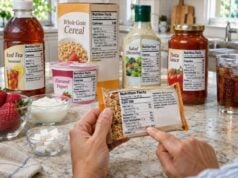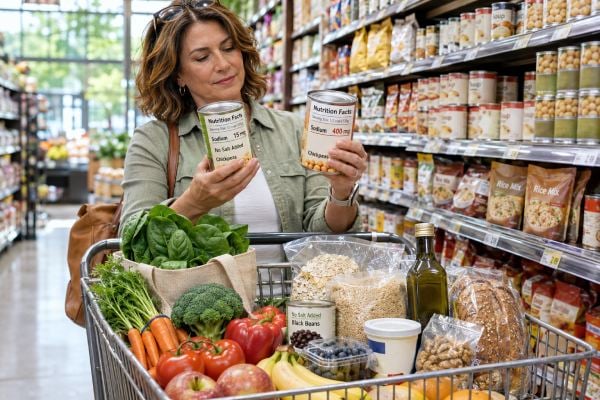
A DASH diet grocery list is less about buying special “diet” products and more about filling your cart with everyday foods that naturally supply potassium, magnesium, calcium, fiber, protein, and unsaturated fats while keeping sodium and saturated fat in check. DASH stands for Dietary Approaches to Stop Hypertension, an eating pattern designed to support healthier blood pressure. For a typical 2,000-calorie pattern, the plan emphasizes vegetables, fruit, whole grains, low-fat dairy, beans, nuts, seeds, fish, poultry, and plant oils. Sodium is generally kept at or below 2,300 milligrams per day, and some people benefit from moving toward 1,500 milligrams. The easiest way to shop is to start with minimally processed staples, then compare labels on packaged foods where sodium can vary widely. You do not need a perfect cart on day one. Replacing a few high-sodium staples each week can make DASH practical, affordable, and easier to maintain.
Table of Contents
- DASH Grocery List at a Glance
- Produce and Potassium-Rich Foods
- Whole Grains, Beans, Nuts, and Seeds
- Dairy, Protein, and Healthy Fats
- Foods to Limit or Skip
- How to Read Labels for DASH
- Build a Practical Weekly Cart
DASH Grocery List at a Glance
The DASH pattern works because several food groups reinforce one another. Fruits and vegetables provide potassium and fiber. Low-fat dairy contributes calcium and protein. Beans, nuts, seeds, and whole grains add magnesium, fiber, and plant protein. Fish and poultry can supply protein with less saturated fat than many processed or fatty meats. Lower sodium intake reduces one of the strongest dietary pressures on blood pressure.
For a 2,000-calorie day, the National Heart, Lung, and Blood Institute describes a typical DASH pattern as about 6–8 grain servings, 4–5 vegetable servings, 4–5 fruit servings, 2–3 servings of low-fat or fat-free dairy, no more than 6 one-ounce servings of meat, poultry, or fish, and 2–3 servings of fats or oils. Nuts, seeds, dry beans, and peas are typically included 4–5 times per week. These are planning targets, not a requirement to count every serving forever.
If you want the simplest possible cart, build it around these categories:
- Fresh or frozen vegetables without salty sauces
- Fresh, frozen, or canned fruit packed without syrup
- Oats, brown rice, barley, quinoa, whole-grain bread, and whole-grain pasta
- No-salt-added or lower-sodium beans and lentils
- Plain low-fat or fat-free yogurt and milk
- Fish, skinless poultry, eggs, tofu, and other minimally processed proteins
- Unsalted nuts and seeds
- Olive, canola, or other liquid plant oils
- Herbs, spices, citrus, vinegar, garlic, and salt-free seasoning blends
The most important change is often what does not dominate the cart: deli meat, bacon, sausage, instant noodles, salty frozen meals, chips, heavily salted sauces, and frequent restaurant-style convenience foods. These can use much of a day’s sodium allowance in one or two servings.
If you are new to the approach, it can help to first understand how the DASH diet lowers blood pressure. Then use the grocery list as the practical version of that pattern. You do not need to buy every DASH-friendly food each week. Pick a few items from each major group that you actually enjoy and can prepare reliably.
Produce and Potassium-Rich Foods
Vegetables and fruit should take up a large share of a DASH grocery cart. They provide fiber and a range of minerals, including potassium, which helps counter some of sodium’s effects on blood pressure. A useful shopping goal is variety across the week rather than chasing one “best” fruit or vegetable.
Good vegetable choices include:
- Leafy greens such as spinach, kale, chard, and romaine
- Broccoli, cauliflower, cabbage, and Brussels sprouts
- Tomatoes, peppers, carrots, cucumbers, and zucchini
- Sweet potatoes and white potatoes
- Green beans, peas, and corn
- Mushrooms, onions, garlic, and eggplant
Fresh produce is not automatically healthier than frozen. Plain frozen vegetables are convenient, last longer, and can be nutritionally comparable. The main issue is the ingredient list. A bag of plain frozen broccoli fits DASH well; broccoli in a cheese sauce may contain far more sodium and saturated fat.
Canned vegetables can also work. Look for “no salt added” or “low sodium” versions. If regular canned vegetables are your most affordable option, draining and rinsing them can reduce some of the sodium. The exact reduction varies, so the label still matters.
Fruit choices can include berries, apples, oranges, pears, bananas, peaches, plums, grapes, melon, kiwi, mango, and unsweetened frozen fruit. Whole fruit usually makes a better everyday choice than juice because it provides more fiber and is easier to portion. If buying canned fruit, choose fruit packed in water or its own juice rather than heavy syrup.
Potassium is a major reason produce is emphasized, but more is not always safer for everyone. People with advanced kidney disease, certain adrenal disorders, or medicines that raise potassium may need an individualized potassium target. This includes some people taking ACE inhibitors, angiotensin receptor blockers, mineralocorticoid receptor antagonists, or potassium-sparing diuretics. If that applies to you, do not deliberately load up on high-potassium foods or potassium-based salt substitutes without asking your clinician. A detailed guide to potassium-rich foods for blood pressure can help you understand the tradeoffs.
For everyone else, buying produce you will actually eat matters more than buying the most fashionable options. Pre-cut vegetables, frozen berries, bagged salad, baby carrots, and microwaveable plain vegetables can be reasonable convenience purchases if they prevent produce from being wasted.
Whole Grains, Beans, Nuts, and Seeds
The grain section of a DASH cart should lean toward whole grains. Whole grains retain more of the bran and germ than refined grains, which generally means more fiber, magnesium, and other nutrients. Fiber also supports cholesterol control and can make meals more filling.
Useful staples include old-fashioned or steel-cut oats, brown rice, quinoa, barley, bulgur, whole-wheat couscous, whole-grain pasta, corn tortillas, and breads with a whole grain listed first in the ingredients. A “multigrain” label does not guarantee that a product is mostly whole grain, so read the ingredient list.
Packaged grain foods deserve a sodium check. Plain oats and brown rice contain very little sodium, but flavored oatmeal packets, boxed rice mixes, instant noodle cups, seasoned couscous, and some breads can contribute much more. Bread may not taste especially salty, yet the sodium adds up because it is eaten frequently. Compare brands rather than assuming all whole-grain bread is equivalent.
Beans, lentils, chickpeas, and split peas are especially useful DASH foods because they combine plant protein, fiber, potassium, and magnesium with very little saturated fat. Dry beans are naturally low in sodium. Canned versions are quicker; choose no-salt-added or lower-sodium products when possible and drain and rinse them. Keeping two or three types in the pantry makes it easier to build soups, salads, grain bowls, tacos, or simple side dishes. For more ways to use them, see beans and lentils for heart health.
Nuts and seeds are another practical category, but the word “unsalted” matters. Almonds, walnuts, pistachios, peanuts, sunflower seeds, pumpkin seeds, chia seeds, and ground flax can all fit. Nut butter can work too if the ingredient list is simple and sodium is modest. Portions are usually small because nuts and seeds are calorie-dense; roughly a small handful is often enough for a snack.
A budget-friendly strategy is to choose a mix of shelf-stable basics: oats, brown rice, dry or no-salt-added beans, unsalted peanuts, and whole-wheat pasta. These foods often cost less per serving than specialty “heart healthy” products. DASH does not require expensive powders, superfoods, or branded meal plans.
Dairy, Protein, and Healthy Fats
DASH traditionally includes 2–3 daily servings of low-fat or fat-free dairy in a 2,000-calorie pattern. Milk, plain yogurt, and lower-fat cultured dairy provide calcium and protein, two nutrients that are part of the original DASH food pattern.
At the store, plain yogurt is usually easier to fit than heavily sweetened yogurt. Flavored products can contain several teaspoons of added sugar per serving. If you prefer sweetness, plain yogurt with berries or chopped fruit gives you more control. Greek yogurt is useful when you want more protein. Compare sodium too, because amounts vary by product. A guide to choosing yogurt for heart health can help with label differences.
For protein, prioritize foods that are minimally processed. Good options include fresh or frozen fish, skinless chicken or turkey, eggs, tofu, tempeh, beans, lentils, and lower-sodium canned fish. Fatty fish such as salmon, sardines, trout, and herring also provide omega-3 fats. If buying canned tuna, salmon, or beans, compare sodium across brands.
The word “turkey” or “chicken” does not automatically make a food DASH-friendly. Turkey bacon, chicken sausage, deli turkey, rotisserie chicken, and breaded frozen chicken can be high in sodium. Processed meats are especially easy to overeat because they are convenient and concentrated in salt.
Red meat does not have to disappear, but choose lean portions and make it less frequent than plant proteins, fish, or poultry. Cuts with less visible fat and smaller portions keep saturated fat lower. Avoid making sausage, bacon, hot dogs, and cured meats routine protein sources.
For fats, buy mostly liquid plant oils such as olive, canola, avocado, soybean, or sunflower oil. Avocados, nuts, and seeds also provide unsaturated fats. Butter, coconut oil, palm oil, cream, and high-fat cheese are richer in saturated fat and are better treated as smaller or less frequent additions rather than the main fat source.
The grocery goal is not “fat-free.” It is to shift the type of fat. Unsaturated fats can replace saturated fats while meals remain satisfying. That is different from buying ultra-processed low-fat products that compensate with refined starch, sugar, or sodium.
Foods to Limit or Skip
A DASH grocery list is easiest to follow when you know where the biggest sodium and saturated-fat traps are. You do not need to label foods as forbidden. Instead, identify items that make your daily targets difficult and buy them less often, in smaller portions, or in lower-sodium versions.
Common items to limit include:
- Bacon, sausage, hot dogs, salami, pepperoni, and other cured meats
- Deli meat and many packaged sandwich slices
- Instant noodles and boxed noodle or rice mixes
- Regular canned soups and many refrigerated soups
- Frozen pizzas, frozen dinners, and breaded frozen meals
- Chips, salted crackers, pretzels, and salted nuts
- Pickles, olives, and heavily salted snack vegetables
- Soy sauce, teriyaki sauce, bottled marinades, and many stir-fry sauces
- Commercial gravy, seasoning packets, bouillon cubes, and soup bases
- Large amounts of cheese and processed cheese products
- Sugar-sweetened drinks, candy, pastries, and frequent desserts
Sodium can be surprisingly high in foods that do not taste intensely salty. Bread, tortillas, breakfast sandwiches, condiments, cheese, and prepared poultry can each add a few hundred milligrams. The cumulative total matters. That is why the biggest sodium traps for high blood pressure are often packaged staples rather than the salt shaker alone.
Added sugars are another DASH limit. The original pattern allows sweets, but not as a major food group. Soda, sweet tea, energy drinks, sweet coffee beverages, candy, and large bakery items can crowd out nutrient-dense foods and make calorie control harder. Choose water, sparkling water without sodium or sugar, unsweetened tea, or coffee with minimal added sugar most of the time.
Highly processed foods are not automatically unhealthy, and convenience can be useful. Frozen vegetables, canned beans, whole-grain bread, and plain yogurt are all processed to some degree. The distinction that matters in the grocery aisle is nutritional quality. A product can be convenient and still fit DASH if sodium, saturated fat, and added sugar are reasonable.
If you have limited time, focus first on the foods you eat most often. Switching a daily high-sodium lunch meat, soup, or frozen meal can have more impact than worrying about an occasional restaurant meal.
How to Read Labels for DASH
Nutrition labels turn DASH from a general idea into a practical shopping system. Sodium should be one of the first numbers you check on packaged foods. The daily target is commonly 2,300 milligrams or less, with 1,500 milligrams used as a lower-sodium target that can reduce blood pressure further for many adults.
Start with the serving size. If a soup lists 700 milligrams of sodium per serving but the container holds two servings and you eat the whole container, that becomes 1,400 milligrams. The same problem appears with sauces, frozen entrées, and snack bags.
The percent Daily Value can simplify comparisons. As a rough label rule, 5% Daily Value or less of sodium per serving is low, while 20% or more is high. You do not need every food to be below 5%. Instead, use lower-sodium items for the foods you eat often so there is room for the rest of the day.
Terms on the front of the package have regulated meanings in some markets, but the Nutrition Facts panel is still the safest comparison tool. “Reduced sodium” means less sodium than that product’s regular version; it does not necessarily mean the food is low in sodium overall. Compare the milligrams per serving.
Also check saturated fat and added sugars. A DASH-friendly product generally keeps saturated fat modest and does not rely on large amounts of added sugar. For grain products, look for whole grains high on the ingredient list and useful fiber. For sauces and condiments, portion size is critical because a tablespoon can contain a surprising amount of sodium.
Be cautious with potassium chloride salt substitutes if you have kidney disease or take medicines that can raise potassium. They can be useful for some people, but they are not universally safe. If plain sodium reduction is your goal, flavor food with lemon, lime, vinegar, garlic, onion, pepper, cumin, paprika, rosemary, basil, oregano, ginger, or other salt-free seasonings. For a deeper sodium target, see how much sodium is too much for blood pressure.
Build a Practical Weekly Cart
The best DASH grocery list is one that fits your household, budget, cooking time, and appetite. A huge cart full of unfamiliar foods is less useful than a smaller set of staples you can turn into repeatable meals.
Here is a practical starting cart for one adult for roughly one week. Adjust quantities for calorie needs, household size, and how often you eat away from home.
| Category | Example buys | Shopping note |
|---|---|---|
| Vegetables | 2 bags frozen vegetables, leafy greens, tomatoes, carrots, peppers | Choose plain frozen products and no-salt-added canned options |
| Fruit | Bananas, apples, berries, oranges | Buy a mix of fresh and frozen to reduce waste |
| Whole grains | Oats, brown rice, whole-grain bread, whole-wheat pasta | Compare sodium in breads and flavored grain products |
| Beans | Lentils, chickpeas, black beans | Choose dry, no-salt-added, or lower-sodium canned varieties |
| Dairy | Plain low-fat yogurt, low-fat milk | Keep added sugar low |
| Protein | Salmon or other fish, chicken, eggs, tofu | Prefer unbreaded and minimally processed versions |
| Nuts and seeds | Unsalted walnuts or peanuts, chia or flax | Use modest portions |
| Fats and flavor | Olive oil, vinegar, lemons, garlic, herbs, salt-free spices | Use these to replace salty sauces and solid fats |
A simple meal formula makes that cart easier to use: fill about half the plate with vegetables and fruit, add a whole grain or starchy vegetable, then add a modest portion of beans, fish, poultry, tofu, eggs, or another protein. Use low-fat dairy if it fits your eating pattern and unsaturated fats in sensible portions.
Batch cooking can reduce reliance on salty convenience foods. Cook a pot of brown rice or another grain, prepare beans or lentils, wash produce, and portion unsalted nuts. Keep one or two very fast options available, such as frozen vegetables, canned no-salt-added beans, eggs, plain yogurt, and whole-grain toast. Convenience is part of adherence.
If budget is tight, prioritize inexpensive DASH staples rather than premium foods. Oats, potatoes, bananas, carrots, cabbage, frozen vegetables, dry lentils, beans, peanut butter without excess sodium, eggs, canned fish, and store-brand whole grains can form a strong base. Seasonal produce and frozen produce may cost less than out-of-season fresh options.
Make changes in stages. During week one, replace one salty snack and one processed meat. During week two, switch to lower-sodium beans, soup, or bread. During week three, add an extra fruit or vegetable serving most days. Small substitutions are easier to sustain and still move the overall pattern in the right direction.
Blood pressure response varies. DASH can meaningfully support blood-pressure control, especially when paired with lower sodium intake, regular activity, healthy weight management when needed, good sleep, and prescribed medication when indicated. Do not stop blood-pressure medicine because your diet improves. Use home readings and clinician follow-up to see what is actually changing.
References
- 2026 Dietary Guidance to Improve Cardiovascular Health: A Scientific Statement From the American Heart Association 2026 (Position Statement)
- Blood pressure impact of dietary practices using the DASH method: a systematic review and meta-analysis. 2025 (Systematic Review)
- The blood pressure control effect of the sodium-restricted dietary approaches to stop hypertension diet: a systematic review 2024 (Systematic Review)
- Impact of the Level of Adherence to the DASH Diet on Blood Pressure: A Systematic Review and Meta-Analysis 2023 (Systematic Review)
- DASH – DASH Eating Plan | NHLBI, NIH 2026
Disclaimer
This article is for general educational purposes and is not a substitute for individualized medical or nutrition advice. People with kidney disease, heart failure, potassium disorders, or medicines that affect potassium or fluid balance may need modified sodium, potassium, or fluid targets. Discuss major dietary changes with your healthcare professional if you have a medical condition or take prescription medication.