If you have high blood pressure, the foods that matter most are not always the ones that taste obviously salty. Much of the sodium in a typical diet comes from packaged foods, restaurant meals, breads, sauces, cured meats, cheese, and convenience foods that can deliver hundreds—or even thousands—of milligrams before you ever touch the salt shaker. Reducing sodium can lower blood pressure, especially in people who already have hypertension, but the goal is not to fear every salty food or chase a perfectly “salt-free” diet. It is to identify the foods that repeatedly contribute large sodium loads and replace them with realistic alternatives you can live with. A useful target for many adults with high blood pressure is to move toward about 1,500–2,000 mg of sodium per day, while recognizing that your clinician may recommend a different target based on your health, medications, kidney function, and usual diet. The biggest gains usually come from a handful of high-impact swaps.
Table of Contents
- Why Sodium Matters for Blood Pressure
- The Biggest Sodium Traps to Limit
- “Healthy” Foods That Can Still Be High in Sodium
- Restaurant and Takeout Foods: The Hardest Sodium Problem
- How to Read Labels Without Overcomplicating It
- Better Swaps That Still Taste Good
- When Sodium Reduction Is Not Simple
Why Sodium Matters for Blood Pressure
Sodium can raise blood pressure because it changes how your body handles fluid and how your blood vessels respond. When sodium intake is high, the body may retain more water. That can increase the amount of blood moving through your circulation and raise pressure against artery walls. Sodium also affects hormones, kidney function, and vascular tone, so the effect is more complex than simply “holding water.”
People vary in how strongly their blood pressure responds. Older adults, people with hypertension, chronic kidney disease, diabetes, or certain genetic backgrounds may be more salt-sensitive. Even so, population-level evidence consistently shows that lowering sodium lowers blood pressure, with larger average reductions among people who start with higher blood pressure.
For context, 1 teaspoon of table salt contains roughly 2,300 mg of sodium. But most people do not get all of that from the salt shaker. The larger issue is sodium already added during manufacturing or restaurant preparation. That is why learning where hidden sodium shows up in everyday foods is often more effective than simply putting away the salt shaker.
A practical way to think about sodium targets is:
- Under 2,300 mg/day: a common upper limit used in public-health guidance.
- Around 1,500–2,000 mg/day: often a useful range for people actively trying to improve blood pressure, if appropriate for their health situation.
- Gradual reduction: often easier to sustain than trying to cut sodium dramatically overnight.
If you currently eat 3,500–4,000 mg per day, moving down by 1,000 mg can be meaningful even before you reach an ideal target. Your taste buds also adapt. Foods that seem bland during the first week or two often taste normal after several weeks of lower-sodium eating.
The Biggest Sodium Traps to Limit
The highest-value strategy is to focus on foods that combine high sodium with frequent use. A food that contains 500 mg once a month matters less than a 400 mg item you eat twice every day.
Processed and cured meats
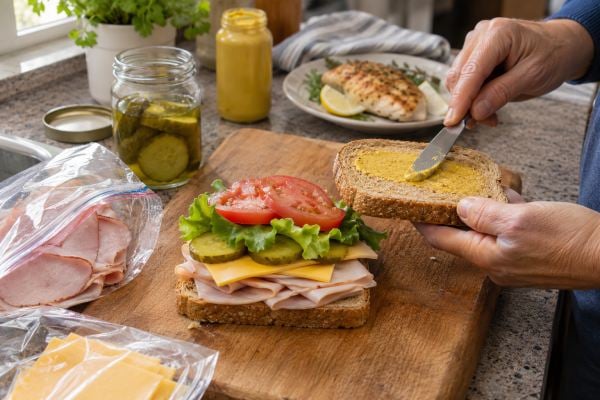
Deli turkey, ham, bacon, sausage, salami, pepperoni, hot dogs, jerky, and many meat substitutes are heavily salted for flavor, texture, and preservation. A sandwich with deli meat, cheese, bread, mustard, and pickles can easily approach or exceed 1,500 mg of sodium before adding chips or soup.
Better options include fresh roasted chicken or turkey, leftover lean meat, no-salt-added canned tuna or salmon when available, eggs, beans, lentils, or lower-sodium deli meat used in smaller portions. If processed meat is a regular habit, reducing frequency is more important than finding a slightly lower-sodium version of the same product.
Canned soups, instant noodles, and boxed meals
Soup can look light and wholesome while containing 700–1,000 mg of sodium per labeled serving. The catch is that many cans contain two servings, and many people eat the whole container. Instant noodles, boxed rice mixes, frozen pasta dishes, and seasoning packets can be similarly concentrated.
Choose products labeled “no salt added” or genuinely lower in sodium, then add flavor with herbs, garlic, onion, vinegar, citrus, pepper, chili, or salt-free seasoning blends. A homemade soup built from no-salt-added stock gives you far more control.
Pizza and savory baked foods
Pizza stacks several sodium sources: dough, cheese, tomato sauce, cured meat, and toppings. A few slices can consume most of a day’s sodium allowance. Calzones, stuffed breads, savory pastries, and some flatbreads work the same way.
If you eat pizza, choose thinner crust, less cheese, vegetable toppings, and no processed meat. Pair one or two slices with a large salad rather than making pizza the entire meal.
Pickles, olives, sauerkraut, and salty condiments
Fermented vegetables can provide flavor and may fit into a heart-healthy diet, but brined foods can be very salty. Soy sauce, fish sauce, teriyaki sauce, bottled dressings, barbecue sauce, ketchup, mustard, and seasoning sauces can add hundreds of milligrams in a few spoonfuls.
This does not mean you must avoid condiments. Measure them instead of pouring freely, compare labels, and use acidic or aromatic ingredients to carry more of the flavor.
Chips, crackers, pretzels, and salted nuts
Snack foods are easy to overeat, and the serving size on the label may be much smaller than what ends up in the bowl. Unsalted nuts, fruit, plain yogurt, air-popped popcorn seasoned without much salt, or vegetables with a lower-sodium dip are better everyday choices.
Frozen dinners and convenience foods
Frozen meals vary enormously. Some contain under 500 mg of sodium, while others contain 1,000–1,500 mg or more. The word “organic,” “natural,” “protein,” or “plant-based” tells you almost nothing about sodium content. Check the Nutrition Facts panel every time.
If convenience is essential, build a quick meal from minimally processed components: frozen vegetables, microwavable brown rice, canned no-salt-added beans, and a simple protein. A low-sodium eating pattern becomes much easier when your default foods start with less salt.
“Healthy” Foods That Can Still Be High in Sodium
Some of the most frustrating sodium sources are foods marketed as nutritious. They are not necessarily “bad” foods, but they can quietly push your daily intake much higher than expected.
Bread, wraps, and bagels
Bread usually does not taste very salty, yet each slice may contain 120–250 mg of sodium. Two slices at breakfast and two at lunch can add several hundred milligrams. Large wraps and bagels can contain even more.
Compare brands because sodium varies widely. Whole grain is still a good choice, but “whole grain” and “low sodium” are separate qualities.
Cottage cheese and cheese
Cheese can provide protein and calcium, but many varieties are sodium-dense. Cottage cheese is especially variable; some standard versions contain 300–450 mg in a half-cup. Feta, processed cheese, and some hard cheeses are also high.
Lower-sodium cottage cheese, fresh mozzarella, Swiss cheese, ricotta, or smaller portions may fit better. For more targeted strategies, see lower-sodium cheese choices for blood pressure.
Plant-based burgers and meat alternatives
A plant-based label can make a product sound automatically heart-friendly, but many meat substitutes rely on sodium for flavor and texture. Some patties contain more sodium than a plain beef or turkey patty. Beans, lentils, tofu, tempeh, and minimally processed soy foods usually offer better control.
Vegetable juice and canned vegetables
Vegetable juice can contain potassium and other nutrients, yet a single cup may have several hundred milligrams of sodium. Canned vegetables can also be high unless labeled no-salt-added or low-sodium. Draining and rinsing canned beans and vegetables can remove some surface sodium, though the exact amount varies.
Sports drinks and electrolyte products
Electrolyte beverages are designed to replace sodium lost through sweat. That can be useful during prolonged, hot, sweaty exercise, but many people drink them during ordinary daily activity when they do not need extra sodium. Electrolyte powders can be even more concentrated.
For routine hydration, water is usually enough. People with high blood pressure should check sodium per serving before making electrolyte drinks a daily habit.
Restaurant and Takeout Foods: The Hardest Sodium Problem
Restaurant food is often the single biggest sodium challenge because salt is used at multiple stages—marinades, sauces, broths, seasoning blends, cheese, breading, and finishing salt. A meal that does not taste exceptionally salty can still deliver 2,000–3,000 mg of sodium.
Common high-sodium restaurant choices include:
- ramen, pho, and other broth-based noodle bowls;
- pizza and calzones;
- deli sandwiches and subs;
- burgers with cheese, bacon, pickles, and sauce;
- fried chicken and breaded entrées;
- burritos with seasoned meat, cheese, salsa, and tortillas;
- Chinese takeout dishes heavy in soy-based sauces;
- restaurant salads topped with cheese, cured meat, croutons, and bottled dressing.
You do not need to stop eating out. Instead, change the order. Ask for sauces and dressings on the side. Choose grilled or roasted proteins without heavy seasoning. Skip cured meats. Request no added salt when practical. Replace fries with a plain vegetable or fruit. With soup or broth dishes, eat more of the solid ingredients and less of the broth.
Portion size matters too. If a restaurant meal contains 2,400 mg of sodium, eating half and saving the rest spreads that sodium across two meals. Pairing restaurant food with lower-sodium meals earlier and later in the day can also reduce the daily total.
A pattern such as the DASH diet for high blood pressure is useful because it shifts the whole plate toward fruits, vegetables, beans, whole grains, low-fat dairy, nuts, and minimally processed foods rather than relying on one “magic” low-sodium ingredient.
How to Read Labels Without Overcomplicating It
You do not need to calculate every milligram forever. Spend a few weeks learning which products are your biggest contributors, and the process becomes much faster.
Start with the serving size. If a soup lists 780 mg of sodium per serving and the can contains two servings, the whole can has 1,560 mg.
Next, look at milligrams of sodium, not just the front-of-package wording. “Reduced sodium” generally means the product has less sodium than its regular version, but it may still be quite salty. “Low sodium” is more informative because it refers to a defined amount per serving.
The % Daily Value can also help. As a simple rule:
- 5% Daily Value or less per serving is relatively low.
- 20% Daily Value or more per serving is high.
When comparing two similar products, choose the lower-sodium option if the rest of the nutrition profile is comparable. A difference of 150–300 mg per serving becomes meaningful when you eat that food often.
Look at the whole day, not one food
A single moderately salty food can fit if the rest of the day is low in sodium. The problem is stacking several medium-to-high sources without realizing it. Imagine a breakfast sandwich with 700 mg, a deli sandwich with 1,100 mg at lunch, and a restaurant dinner with 1,800 mg. Before snacks or condiments, the day has already reached about 3,600 mg. None of those meals has to taste extremely salty.
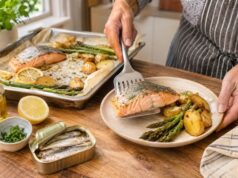
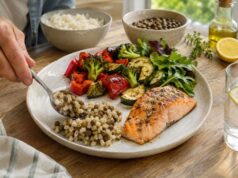
Now compare a different day: plain oatmeal with fruit and unsalted nuts, a lunch bowl made with no-salt-added beans, vegetables, brown rice, and a measured spoonful of sauce, followed by a home-cooked dinner of fish, potatoes, and vegetables seasoned with herbs and lemon. That pattern leaves room for a salty ingredient such as a small amount of cheese or sauce without pushing the total as high.
This is why “sodium budgeting” can be more practical than rigid avoidance. Save higher-sodium foods for the ones you truly enjoy and lower the sodium in foods where you will barely notice the difference. Bread, canned beans, broth, sauces, and snack foods often have lower-sodium alternatives that taste similar after a short adjustment period.
Also remember that nutrition labels list sodium per serving, not per package. Products such as ramen, frozen entrées, dips, and soups are often eaten in portions larger than the stated serving. If you routinely eat twice the serving, double the sodium before deciding whether the food fits your day.
Do not ignore calories, saturated fat, added sugar, and fiber. A product can be low in sodium and still be a poor everyday choice for other reasons. The goal is a healthier overall eating pattern, not sodium reduction in isolation. If labels feel confusing, a heart-health label-reading approach can help you compare sodium, fats, and fiber together.
Better Swaps That Still Taste Good
The best low-sodium strategy is replacement, not deprivation. If you only remove salt without adding other flavors, meals can feel flat and the plan becomes hard to maintain.
| Instead of | Try | Why it helps |
|---|---|---|
| Deli meat sandwich | Fresh chicken, hummus, or bean spread with vegetables | Cuts cured-meat sodium while keeping protein and texture |
| Regular canned soup | Low-sodium soup bulked up with frozen vegetables and beans | Lowers sodium per bowl and increases fiber |
| Salted chips | Unsalted nuts, fruit, or plain popcorn | Reduces sodium and can improve satiety |
| Soy sauce poured freely | Measured lower-sodium soy sauce plus lime, ginger, garlic, and vinegar | Keeps strong flavor with a smaller sodium load |
| Frozen entrée | Frozen vegetables + whole grain + simple protein | Lets you control seasoning and portions |
| Restaurant fries | Plain baked potato, fruit, or unsalted vegetables | Avoids a major side-dish sodium source |
Use flavor aggressively: lemon and lime juice, vinegars, fresh herbs, smoked paprika, cumin, coriander, black pepper, chili, garlic, ginger, onion, toasted spices, and salt-free blends. Acid and aroma make food taste more vivid even when sodium drops.
Potassium-rich foods can also support blood pressure for many people. Beans, lentils, potatoes, leafy greens, tomatoes, bananas, oranges, yogurt, and avocados are useful examples. However, potassium is not safe to increase freely for everyone, particularly some people with kidney disease or those taking certain medications.
When Sodium Reduction Is Not Simple
Most people with high blood pressure benefit from avoiding chronic excess sodium, but nutrition advice still needs to fit the person.
If you have chronic kidney disease, heart failure, adrenal disorders, or a history of low blood sodium, ask your clinician what sodium and fluid targets are appropriate. Likewise, do not automatically replace regular salt with potassium chloride salt substitutes if you take medicines that can raise potassium, such as ACE inhibitors, angiotensin receptor blockers, mineralocorticoid receptor antagonists, or some potassium-sparing diuretics. The safety of potassium-based salt substitutes depends on kidney function and medications.
Blood pressure also has many drivers beyond sodium. Sleep apnea, alcohol, excess body weight, low activity, stress, medications, kidney disease, thyroid problems, and genetics can all contribute. If your readings stay high despite major diet changes, do not assume you simply “failed” at sodium reduction.
A practical plan is to measure your blood pressure correctly at home, reduce the largest sodium sources for several weeks, and review the trend with your clinician. Dietary changes can complement medication, but they should not replace prescribed treatment unless your clinician adjusts it.
References
- 2024 ESC Guidelines for the management of elevated blood pressure and hypertension 2024 (Guideline)
- The blood pressure control effect of the sodium-restricted dietary approaches to stop hypertension diet: a systematic review 2024 (Systematic Review)
- Sodium Intake and Risk of Hypertension: A Systematic Review and Dose-Response Meta-analysis of Observational Cohort Studies 2022 (Systematic Review)
- 2021 Dietary Guidance to Improve Cardiovascular Health: A Scientific Statement From the American Heart Association 2021 (Position Statement)
- Reducing sodium intake to reduce blood pressure and risk of cardiovascular diseases in adults 2023 (Guideline)
Disclaimer
This article is for general educational purposes and does not replace medical care. If you have hypertension, kidney disease, heart failure, low blood sodium, or take medicines that affect potassium or fluid balance, ask your clinician before making major sodium or salt-substitute changes. Seek urgent care for very high blood pressure with symptoms such as chest pain, severe shortness of breath, weakness, confusion, or a severe sudden headache.