A low-sodium diet does not have to taste bland. The biggest reductions usually come from changing packaged foods, restaurant meals, sauces, breads, processed meats, and other everyday staples—not from eating plain food or banning the salt shaker forever. For many adults, keeping sodium below 2,300 mg per day is a practical ceiling, while people with high blood pressure may benefit from moving closer to 1,500 mg if their clinician agrees.
Sodium matters because higher intake tends to raise blood pressure, and lower blood pressure reduces strain on the heart and blood vessels. The effect is often larger in people who already have hypertension, are older, have kidney disease, or are especially salt-sensitive. But individual needs vary. Athletes in extreme heat, people with certain medical conditions, and anyone taking medications that affect fluid or potassium balance may need personalized advice.
The easiest approach is to reduce hidden sodium while adding flavor from acid, herbs, spices, aromatics, and better cooking techniques. You can make food taste brighter and more interesting while using less salt than you are used to.
Table of Contents
- How Much Sodium Should You Aim For?
- Where Most Sodium Hides
- How to Read Labels for Sodium
- How to Build Flavor With Less Salt
- Smart Low-Sodium Swaps
- Salt Substitutes and Potassium: Who Needs Caution
- A Realistic Low-Sodium Plan
How Much Sodium Should You Aim For?
For most adults, a useful target is no more than 2,300 mg of sodium per day, with a lower goal around 1,500 mg often recommended for people trying to optimize blood pressure. You do not need to hit the lowest possible number to benefit. Even cutting roughly 1,000 mg from a high-sodium diet can improve blood pressure in many people.
Sodium and salt are related but not identical. Table salt is sodium chloride, so only part of its weight is sodium. Roughly one teaspoon of table salt contains about 2,300 mg of sodium, although the amount can vary with crystal size and how a teaspoon is measured.
The blood-pressure response to sodium is not identical in everyone. Some people are more salt-sensitive than others. On average, people with hypertension tend to experience a larger reduction in blood pressure when sodium falls than people whose blood pressure is already normal.
For a broader explanation of the relationship, see how sodium affects blood pressure.
Do you need to count every milligram?
Not necessarily. Tracking for a few days can be educational because it reveals where sodium is coming from, but many people can maintain a lower intake by changing a handful of high-sodium habits.
A simple approach is to:
- compare labels within the same food category;
- choose more fresh or minimally processed foods;
- rinse canned foods when practical;
- cook more meals from basic ingredients;
- use smaller portions of salty condiments;
- order sauces and dressings on the side at restaurants.
If your current intake is very high, gradual reduction can be easier on your palate than an abrupt change. Taste preferences adapt over time, so food that initially seems less salty often starts to taste normal after several weeks.
Where Most Sodium Hides
Most dietary sodium comes from packaged, prepared, and restaurant foods rather than from the salt shaker alone. That is why “I never add salt” does not guarantee a low-sodium diet.
Common high-sodium sources include:
- deli meats, bacon, sausage, and cured meats;
- canned soups and instant noodles;
- pizza;
- breads, rolls, wraps, and tortillas;
- cheese;
- restaurant entrees;
- frozen meals;
- sauces such as soy sauce, teriyaki, barbecue sauce, and bottled dressings;
- pickles and olives;
- salted snacks;
- seasoning packets and bouillon;
- fast-food sandwiches and burgers.
Some foods do not taste extremely salty because sodium is spread through the product or balanced by sugar and fat. Bread is a classic example: one serving may not seem high, but several servings across a day can add up.
The guide to hidden sodium in common foods can help you identify the biggest sources in your routine.
“Healthy” foods can still be high in sodium
A food can be high in protein, whole grains, or vegetables and still contain a large sodium load. Watch items such as:
- plant-based meat substitutes;
- cottage cheese;
- canned beans with added salt;
- vegetable soups;
- smoked salmon;
- turkey slices;
- savory granola or crackers;
- packaged grain bowls;
- electrolyte powders.
The goal is not to avoid every packaged food. It is to choose lower-sodium versions of the foods you use often.
How to Read Labels for Sodium
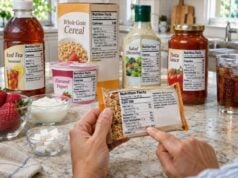
The Nutrition Facts label is the fastest way to find lower-sodium options because sodium can vary dramatically between brands of the same food. Compare products side by side instead of assuming one category is always low or high.
In the United States, the Daily Value for sodium is 2,300 mg. A useful rule of thumb is:
- 5% Daily Value or less per serving: relatively low in sodium;
- 20% Daily Value or more per serving: relatively high in sodium.
Always check the serving size first. A soup labeled 700 mg sodium per serving may contain two servings in a can, turning the total into 1,400 mg if you eat the whole container.
The article on reading nutrition labels for heart health covers sodium, fiber, and fat in more detail.
Know the label terms
Common sodium claims have specific meanings. In the U.S., terms such as “sodium free,” “very low sodium,” and “low sodium” are regulated. “Reduced sodium” means the product contains at least 25% less sodium than the reference food, but it can still be high overall.
For example, a reduced-sodium soup might still contain 500–700 mg per serving. The comparison claim is useful, but the actual milligrams matter more.
Watch condiments by the tablespoon
Condiments are easy to underestimate because portions are small. Soy sauce, bottled dressings, ketchup, mustard, hot sauce, and marinades can add hundreds of milligrams without changing the size of the meal.
Instead of eliminating them, try:
- using half the usual amount;
- diluting a salty sauce with citrus juice, vinegar, water, or unsalted broth;
- buying lower-sodium versions;
- adding fresh herbs or aromatics so the sauce does less of the flavor work.
How to Build Flavor With Less Salt
The best low-sodium cooking strategy is to replace “saltiness” with layers of flavor rather than simply removing salt. Acid, heat, aroma, browning, herbs, and texture can make food taste more complete even when sodium is lower.
Use acid to make flavors pop
Acid brightens food and can reduce the amount of salt needed. Try:
- lemon or lime juice;
- balsamic, red wine, rice, or cider vinegar;
- tomatoes;
- pomegranate molasses in small amounts if the product is not sodium-heavy;
- yogurt-based sauces with lemon and herbs.
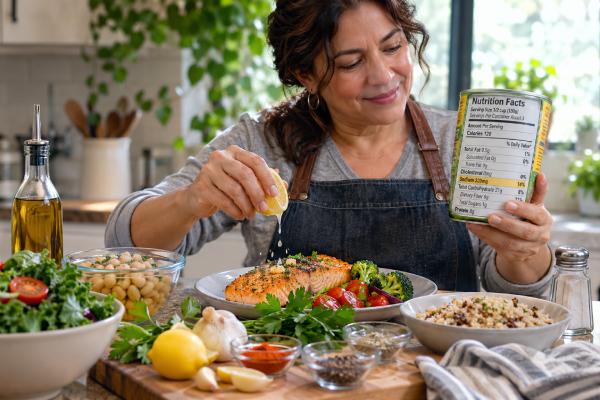
A squeeze of lemon added at the end of cooking often makes vegetables, fish, beans, and grains taste more vivid.
Build aromatic flavor early
Garlic, onion, shallots, ginger, scallions, celery, fennel, and chiles create depth. Sautéing or roasting them develops sweetness and savory flavor.
For soups and stews, start with a base of onion, garlic, carrots, and celery, then add herbs and spices before liquid. This gives the dish more flavor before any salt is added.
Use herbs and spices generously
Useful combinations include:
- garlic + rosemary + lemon for chicken or potatoes;
- cumin + coriander + smoked paprika for beans;
- ginger + garlic + chile + rice vinegar for stir-fries;
- oregano + basil + tomato for Mediterranean dishes;
- cinnamon + cumin + turmeric for lentils or roasted vegetables;
- dill + lemon + black pepper for fish or yogurt sauces.
Choose seasoning blends carefully. Some contain large amounts of salt. Look for “salt-free” or check sodium on the label.
Brown, roast, toast, and char
Cooking technique creates flavor without sodium. Roasting vegetables concentrates sweetness. Browning mushrooms adds umami. Toasting nuts and spices makes them more aromatic. Grilling or broiling can add smoky notes.
Add umami strategically
Umami makes food taste savory. Tomatoes, mushrooms, nutritional yeast, roasted garlic, and caramelized onions can help. Parmesan, soy sauce, miso, and fish sauce also provide umami but are salty, so use them in small amounts rather than as the main flavor source.
Salt late when possible
Salt sprinkled on the surface can sometimes provide more perceived saltiness than the same amount mixed throughout a large dish. For some meals, using a small measured amount at the end may be more satisfying than adding larger amounts throughout cooking.
Smart Low-Sodium Swaps
A few repeatable swaps can cut hundreds or even thousands of milligrams of sodium without changing your entire diet. Focus on foods you eat frequently.
| Higher-sodium choice | Lower-sodium swap | Flavor strategy |
|---|---|---|
| Deli meat sandwich | Home-cooked chicken, tuna without added salt, or hummus with lower-sodium ingredients | Mustard in a small amount, pepper, herbs, tomato, vinegar |
| Canned soup | Lower-sodium soup or homemade soup | Garlic, herbs, lemon, chile, roasted vegetables |
| Salted canned beans | No-salt-added beans or rinsed regular beans | Cumin, lime, cilantro, onion |
| Instant noodles | Plain noodles with vegetables and protein | Use part of the seasoning packet plus ginger, garlic, vinegar |
| Bottled dressing | Olive oil + vinegar or lemon | Herbs, pepper, garlic, mustard in a small amount |
| Salted nuts | Unsalted or lightly salted nuts | Toast with paprika, cinnamon, or herbs |
| Frozen entree | Simple frozen vegetables plus home-prepared protein and grain | Spices, citrus, unsalted sauce base |
Restaurant strategy
Restaurant food can contain a full day’s sodium in one meal. Helpful requests include:
- sauce or dressing on the side;
- no added salt when the kitchen can accommodate it;
- grilled or roasted rather than breaded and sauced;
- plain vegetables instead of seasoned fries;
- fresh fruit instead of salty sides;
- a half portion with leftovers packed early.
You do not need to make every restaurant meal low-sodium. If you eat out often, however, repeated choices matter.
Salt Substitutes and Potassium: Who Needs Caution
Potassium-enriched salt substitutes can lower blood pressure and may reduce cardiovascular events in appropriate people, but they are not safe for everyone. Many replace some sodium chloride with potassium chloride.
Randomized trials and meta-analyses have found that salt substitutes can reduce systolic blood pressure by several mm Hg on average. Large outcome studies also suggest fewer strokes and cardiovascular events in some populations.
The caution is potassium. A person with reduced kidney function may not be able to clear extra potassium effectively. Certain medications also raise blood potassium.
Talk with a clinician before using potassium-based salt substitutes if you have:
- chronic kidney disease;
- a history of high potassium;
- significant heart failure;
- adrenal insufficiency;
- or take medicines that can raise potassium, such as ACE inhibitors, ARBs, mineralocorticoid receptor antagonists, or certain potassium-sparing diuretics.
For more detail, see who can safely use potassium chloride salt substitutes.
Do not assume “mineral salt,” “lite salt,” or “heart salt” is sodium-free. Read the label for both sodium and potassium.
A Realistic Low-Sodium Plan
The most sustainable plan is to reduce the biggest sodium sources first, then adjust the rest of your diet around your blood-pressure response and preferences. You do not have to transform every meal overnight.
A simple four-step plan works well:
- Track one typical day. Add up sodium from packaged foods and restaurant meals. Do not change anything yet.
- Find your top two sources. These might be lunch meat, soup, bread, sauces, restaurant meals, or snacks.
- Replace one source at a time. Pick a lower-sodium brand or a different meal that you actually enjoy.
- Recheck your blood pressure. If you have hypertension, use a validated home cuff and look at averages over several days rather than one reading.
Example of a lower-sodium day
Breakfast might be oatmeal with berries, unsalted nuts, and plain yogurt. Lunch could be a homemade bean-and-vegetable bowl with brown rice, lime, herbs, and avocado. Dinner could be roasted salmon, potatoes, and vegetables seasoned with garlic, rosemary, lemon, and a measured amount of salt. Snacks might include fruit or unsalted nuts.
This pattern can be flavorful because it uses strong seasonings without depending on packaged sauces and processed meats.
A DASH-style eating pattern is another practical framework because it combines lower sodium with potassium-rich fruits and vegetables, legumes, whole grains, and low-fat dairy. See the DASH diet for high blood pressure for a full food plan.
Special situations need individual advice
A very strict low-sodium diet is not right for everyone. People with heavy occupational or athletic sweating, certain endocrine disorders, recurrent low blood pressure, or specific fluid-balance problems may need different targets. Heart failure recommendations can also vary depending on symptoms, medications, and fluid status; evidence does not support assuming that “the lower the sodium, the better” in every heart-failure patient.
If you take blood-pressure medicines and substantially lower sodium, monitor your readings. Blood pressure can improve enough that medication needs to be reviewed, particularly if you become dizzy or lightheaded. Do not change prescribed doses on your own.
A two-week reset can make lower-sodium food taste normal
Taste adapts. If food seems flat at first, reduce sodium in stages rather than expecting your palate to change overnight. During the first week, keep familiar meals but replace one or two major sodium sources—such as deli meat, canned soup, or a salty sauce—with lower-sodium versions. During the second week, cook more of the meal from basic ingredients and rely more heavily on herbs, spices, citrus, vinegar, garlic, onion, chiles, and toasted aromatics.
It can help to “spend” sodium where it has the biggest sensory payoff. A small amount of strongly flavored cheese, olives, soy sauce, or finishing salt may make an otherwise low-sodium meal satisfying. Measure the portion instead of pouring freely. This is often easier to sustain than trying to remove every salty ingredient at once.
Build meals around naturally low-sodium foods
Fresh fruit, plain vegetables, unsalted grains, dried beans, plain oats, unsalted nuts, eggs, fresh fish, and unseasoned meat or poultry start with relatively little sodium. The amount rises mainly through processing, brining, sauces, seasoning blends, and restaurant preparation. Starting with low-sodium building blocks gives you room to season intentionally.
If you track intake, use a few representative days rather than demanding perfect daily arithmetic. Include bread, condiments, beverages, supplements, and restaurant meals. The purpose is to identify the largest repeat sources. Cutting a 700-mg lunch item you eat five days a week usually matters more than worrying about the naturally occurring sodium in a serving of vegetables.
The core strategy is simple: cut hidden sodium, not flavor. Compare labels, cook more from basic ingredients, use acid and aromatics, choose unsalted or lower-sodium staples, and treat salt as one seasoning among many rather than the only source of taste.
Sodium needs also change with context. People who sweat heavily for hours in hot conditions, endurance athletes, and people with specific salt-wasting disorders may need individualized replacement rather than a generic low-sodium target. That does not mean routine gym sessions require high-sodium sports drinks. For most people, ordinary meals and water are enough for typical activity. If you have repeated cramps, dizziness, very heavy sweating, or a medical condition that affects fluid balance, ask for individualized advice instead of copying a high-salt or very-low-salt plan from someone else.
Finally, judge success with both intake and physiology. If your goal is blood-pressure control, take consistent home readings over several weeks while you change sodium intake. A meaningful reduction may occur even if you never reach 1,500 mg every day. If dizziness develops or readings become unusually low, discuss medications and hydration with your clinician. The best sodium target is one that lowers risk, fits your medical situation, and can be maintained without making meals joyless.
References
- Effect of population-based sodium reduction interventions on blood pressure: a systematic review and meta-analysis of randomized trials. 2025 (Systematic Review)
- The blood pressure control effect of the sodium-restricted dietary approaches to stop hypertension diet: a systematic review 2024 (Systematic Review)
- Long-Term Effect of Salt Substitution for Cardiovascular Outcomes : A Systematic Review and Meta-analysis 2024 (Systematic Review)
- Effects of salt substitutes on clinical outcomes: a systematic review and meta-analysis 2022 (Systematic Review)
- How Much Sodium Should I Eat Per Day? 2025 (Official Guidance)
Disclaimer
This article is for general education and is not individualized medical or nutrition advice. Ask your clinician about your sodium target if you have kidney disease, heart failure, recurrent low blood pressure, heavy sweat losses, or take medications that affect potassium or fluid balance. Do not use potassium-based salt substitutes without medical guidance if you are at risk for high potassium.