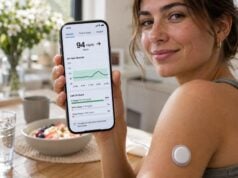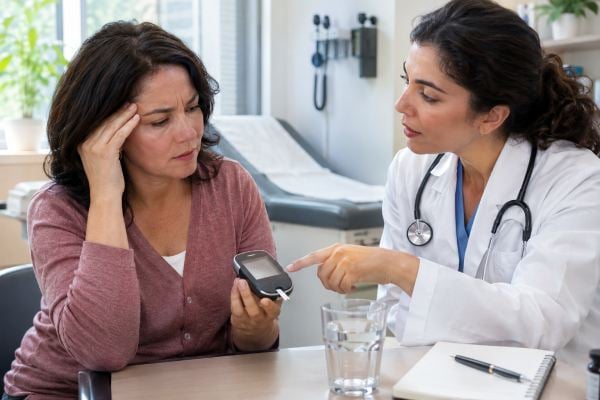
Blood sugar problems span a wide spectrum, from mildly abnormal lab results to life-threatening emergencies. Determining the right next step depends less on a single number and more on the overall clinical picture: how you feel, the trend of your readings, and any accompanying symptoms. A lone unusual home reading rarely tells the whole story. Glucose levels fluctuate naturally in response to meals, stress, poor sleep, illness, medications, dehydration, exercise, or even meter error.
However, repeated abnormal readings demand attention, particularly when paired with increased thirst, frequent urination, unexplained weight loss, shakiness, confusion, or fainting. In critical cases, very high glucose accompanied by vomiting, rapid breathing, severe dehydration, or altered mental status can signal diabetic ketoacidosis (DKA) or hyperosmolar hyperglycemic state (HHS), both of which require immediate emergency care. Severe hypoglycemia is equally urgent if a person cannot safely treat themselves. For less acute concerns, a primary care clinician can confirm patterns through fasting glucose, A1C, or oral glucose tolerance tests to determine whether prediabetes, diabetes, medication effects, or another condition is at play.
Table of Contents
- Blood Sugar Emergencies
- When High Blood Sugar Needs Medical Care
- When Low Blood Sugar Needs Medical Care
- Abnormal Readings Without Symptoms
- Special Situations That Need Faster Follow-Up
- What to Bring to the Appointment
- What Testing and Next Steps May Look Like
Blood Sugar Emergencies
Call emergency services or seek immediate care if blood sugar changes are accompanied by signs that the brain, circulation, or acid-base balance may be compromised. Do not wait for a routine appointment if someone is rapidly deteriorating.
Urgent warning signs include:
- Confusion, unusual drowsiness, seizures, fainting, or an inability to stay awake
- Severe weakness or an inability to walk safely
- Repeated vomiting or an inability to keep fluids down
- Deep, rapid, or labored breathing
- Severe dehydration, very dry mouth, or markedly reduced urination
- Fruity or acetone-like breath alongside high glucose and illness
- Chest pain, stroke-like symptoms, or severe shortness of breath
- A low glucose episode where the person cannot swallow safely or treat themselves
Diabetic ketoacidosis (DKA) develops when there is insufficient effective insulin, causing the body to produce excess ketones, which are acidic. While most common in type 1 diabetes, DKA can occur in type 2 diabetes, particularly during severe illness or with certain glucose-lowering medications. Hyperosmolar hyperglycemic state (HHS) involves extreme hyperglycemia and profound dehydration, affecting older adults with type 2 diabetes more frequently. Both conditions are potentially life-threatening.
A glucose number alone does not reliably distinguish routine hyperglycemia from a crisis. DKA can occur at lower-than-expected glucose levels, including in people taking SGLT2 inhibitors. Symptoms, ketone levels, hydration status, and blood chemistry matter far more than the meter value.
Severe hypoglycemia is similarly defined by function rather than just a number. If a person requires another’s help due to impaired thinking or coordination, the episode is severe, even if a glucose reading is unavailable.
A practical way to assess urgency is to combine symptoms with the direction of the glucose trend.
| Situation | Typical next step |
|---|---|
| One mildly high reading, no symptoms | Repeat under clean, consistent conditions and watch for a pattern |
| Repeated high readings over days or weeks | Arrange a medical appointment for confirmatory testing and treatment review |
| High glucose plus vomiting, rapid breathing, confusion, or significant ketones | Seek urgent or emergency care |
| Glucose below 70 mg/dL while awake and able to swallow | Treat promptly with measured fast-acting carbohydrate and recheck |
| Severe low with seizure, unconsciousness, or inability to swallow | Use glucagon if available and seek emergency help |
The same glucose number can carry different meanings for different people. A value of 250 mg/dL after a missed insulin dose in someone with type 1 diabetes is more concerning than a brief post-meal spike at the same level in a person being evaluated for type 2 diabetes, because the risk of ketosis differs. Similarly, a reading of 65 mg/dL in someone taking insulin requires immediate treatment, whereas an isolated sensor reading of 65 mg/dL during sleep may first need confirmation if there are no symptoms and sensor compression is possible. Context is integral to medical decision-making. When in doubt—especially with insulin use, pregnancy, significant illness, or rapidly changing symptoms—calling the treating team for same-day guidance is safer than waiting for a routine visit.
When High Blood Sugar Needs Medical Care
High blood sugar warrants medical evaluation when it is persistent, unexplained, or accompanied by classic diabetes symptoms. These can include frequent urination, intense thirst, blurry vision, fatigue, recurrent infections, slow wound healing, or unexplained weight loss. A guide to early diabetes symptoms and testing can help contextualize these signs.
For those without a prior diagnosis, standard laboratory criteria are more reliable than isolated home readings. In nonpregnant adults, diabetes is diagnosed by a fasting plasma glucose of at least 126 mg/dL, an A1C of at least 6.5%, or a 2-hour plasma glucose of at least 200 mg/dL during a 75-g oral glucose tolerance test. A random plasma glucose of at least 200 mg/dL can also establish the diagnosis when classic symptoms of hyperglycemia or a hyperglycemic crisis are present. Without clear symptoms, abnormal results generally require confirmation.
Contact a clinician promptly if you repeatedly see fasting readings in the diabetes range or frequent readings above your usual target, even if you feel well. If you already have diabetes, the concern is not simply that a single result is “too high.” The critical questions are whether values remain elevated despite adhering to your treatment plan, whether ketones are present, whether you are ill, and whether medication or insulin dosing needs adjustment.
Illness lowers the threshold for concern. Fever, infection, vomiting, diarrhea, dehydration, or missed insulin can cause glucose to rise quickly. Those with a sick-day plan should follow it strictly, including instructions about ketone testing. If glucose remains very high despite correction doses, ketones are moderate or large, or hydration is impossible, seek urgent medical advice.
Do not stop insulin because you are not eating unless your diabetes team has specifically instructed you to do so. Basal insulin often remains essential, especially in type 1 diabetes.
When Low Blood Sugar Needs Medical Care
Blood glucose below 70 mg/dL is considered hypoglycemia and should be treated, particularly for those taking insulin or medications that can cause lows. A level below 54 mg/dL is clinically significant and indicates a higher-risk episode.
Common symptoms include sweating, shaking, hunger, a pounding heartbeat, anxiety, tingling, dizziness, irritability, blurred vision, and difficulty concentrating. As glucose falls further, individuals may become confused, behave unusually, have a seizure, or lose consciousness.
For a conscious person who can swallow, the typical first step is consuming 15 grams of fast-acting carbohydrate, followed by a glucose recheck after about 15 minutes. Examples include glucose tablets or gel, 4 ounces of regular juice, or another measured source of rapid carbohydrate. Repeat treatment if glucose remains low. Once the immediate low is corrected, identifying the cause becomes important.
Arrange medical follow-up if lows are recurring, happen overnight, occur without warning symptoms, or follow ordinary medication doses. Recurrent hypoglycemia may indicate that insulin or sulfonylurea dosing is too aggressive, meals are inconsistent, kidney function has changed, alcohol is contributing, or exercise is altering insulin needs.
If a low causes loss of consciousness, a seizure, an inability to swallow, or severe confusion, do not give food or drink by mouth. Use glucagon if available and trained to do so, and seek emergency help. Place the person on their side if unconscious to reduce aspiration risk.
Not every shaky feeling is true hypoglycemia. Some people develop symptoms after meals even when glucose does not fall below the clinical threshold. The article on reactive hypoglycemia after meals explains why measured glucose is crucial before assuming every episode is a “sugar crash.”
Abnormal Readings Without Symptoms
Many blood sugar problems are discovered through routine testing rather than because the person feels ill. This is especially true for prediabetes and early type 2 diabetes.
Prediabetes is generally defined as fasting plasma glucose of 100–125 mg/dL, A1C of 5.7%–6.4%, or a 2-hour oral glucose tolerance value of 140–199 mg/dL. These numbers are not an emergency, but they warrant discussion with a clinician because they indicate a higher risk of future diabetes and cardiovascular disease.
If a home meter shows an unexpected result, repeat it before drawing conclusions. Wash and dry your hands, use an unexpired strip, and ensure the sample is adequate. Food residue on fingers can falsely raise a reading. Meters also have allowable measurement error, so a home value should not be treated as identical to a laboratory result.
Patterns are more meaningful than single data points. Consider making an appointment if you notice any of the following over several days or weeks:
- Fasting glucose that is repeatedly higher than expected
- Repeated post-meal values that stay unusually high for you
- A steady rise in home readings despite no obvious change in food or medication
- Large swings between highs and lows
- Morning values that are consistently higher than bedtime values
- A mismatch between A1C and home or CGM readings
Morning hyperglycemia can result from the dawn phenomenon, waning medication, late eating, illness, poor sleep, or other causes. The guide to high morning blood sugar explains how to sort through these common patterns.
If A1C and glucose seem inconsistent, do not assume one is wrong. A1C can be affected by iron deficiency, hemoglobin variants, kidney disease, recent blood loss or transfusion, pregnancy, and other conditions. Your clinician may use additional glucose measurements or alternative markers to clarify the picture.
Same-day call or routine appointment?
If you are stable, able to eat, drink, think clearly, and care for yourself, the next question is often whether to call today or book a routine visit. A same-day call is reasonable when glucose is repeatedly much higher or lower than your usual range despite following your plan, when you have moderate or large ketones, when vomiting or diarrhea is making hydration difficult, or when a new medication appears to be driving a rapid change. People using insulin should also call promptly when they are unsure how to adjust doses during illness, fasting, or repeated lows.
A routine appointment over the next several days or weeks is usually appropriate for a new pattern that is persistent but not causing acute symptoms. Examples include fasting glucose that has drifted upward, an abnormal screening A1C, repeated post-meal highs, or occasional mild lows that you can treat yourself. The appointment should happen sooner when values are moving quickly in the wrong direction or symptoms are developing.
If your clinic has a nurse line or diabetes on-call service, use it. Provide concrete information: the current glucose, recent trend, ketone result if relevant, symptoms, medications taken, whether you can keep fluids down, and what you have already tried. These details help the team decide whether you need a dose change, laboratory testing, urgent care, or emergency evaluation.
Special Situations That Need Faster Follow-Up
Some situations lower the threshold for contacting a healthcare professional because glucose can change quickly or complications carry greater risk.
Pregnancy or possible pregnancy
Glucose targets in pregnancy are tighter than for most nonpregnant adults because maternal hyperglycemia can affect both parent and baby. If you are pregnant, planning pregnancy, or develop high glucose during pregnancy, contact your obstetric or diabetes team rather than applying general adult thresholds on your own.
Type 1 diabetes
People with type 1 diabetes can develop ketosis rapidly if insulin delivery stops. Pump failure, a blocked infusion set, vomiting, or missed insulin can become urgent. Follow your ketone and sick-day instructions and seek help if you cannot bring glucose or ketones down.
SGLT2 inhibitor use
Medicines such as empagliflozin, dapagliflozin, and canagliflozin can rarely be associated with DKA at glucose levels that are not dramatically elevated. Nausea, vomiting, abdominal pain, unusual fatigue, or rapid breathing should not be dismissed simply because glucose is below 250 mg/dL.
Steroids and other glucose-raising medications
Prednisone and related glucocorticoids can raise glucose, often most noticeably later in the day. Some antipsychotic medicines and other drugs can also worsen glycemia. If high readings begin after a new medication or dose increase, call the prescriber. Do not abruptly stop a prescribed steroid.
Kidney disease, frailty, or older age
These factors can increase the danger of both dehydration and hypoglycemia. Medication clearance may change as kidney function declines, so a dose that was previously safe can become too strong.
Children and adolescents with new excessive thirst, frequent urination, bed-wetting after having been dry, weight loss, fatigue, or vomiting need prompt evaluation because type 1 diabetes can progress quickly.
What to Bring to the Appointment
A short, organized record can make a blood sugar appointment much more useful. You do not need weeks of perfect tracking. Three to seven representative days may be enough to identify a pattern.
Bring or record:
- Glucose readings with dates and times
- Whether each value was fasting, before a meal, 1–2 hours after eating, at bedtime, or during symptoms
- Meals or carbohydrate amounts around unusual readings
- Exercise, alcohol, illness, stress, and sleep when relevant
- All prescription medications, over-the-counter drugs, and supplements
- Insulin doses or pump settings if applicable
- Any recent steroid injections or oral steroid courses
- Symptoms such as thirst, urination, weight change, shakiness, palpitations, or nighttime sweating
If you use a CGM, bring the report rather than individual screenshots when possible. Time in range, average glucose, variability, and overnight patterns are usually more informative than the highest single spike. Be ready to mention possible compression lows or sensor readings that did not match how you felt.
Write down your main question before the visit. “Why is my fasting glucose rising?” or “Why am I going low after exercise?” is easier to solve than a general concern that blood sugar feels “off.”
What Testing and Next Steps May Look Like
The next step is usually to confirm whether the issue is persistent and identify its cause. A clinician may order fasting glucose, A1C, or an oral glucose tolerance test. Depending on the situation, they may also check kidney function, electrolytes, urine or blood ketones, liver tests, thyroid function, complete blood count, or medication-related labs.
If the result falls in the prediabetes range, treatment often starts with exercise, nutrition changes, weight management when appropriate, and follow-up testing. Some higher-risk people may also be candidates for medication. The article on what prediabetes means and what to do next explains those options.
If diabetes is confirmed, the treatment plan depends on diabetes type, glucose severity, symptoms, pregnancy status, kidney and heart disease, body weight, and personal preferences. Some people can start with lifestyle changes and non-insulin medication; others need insulin promptly.
Repeat testing is especially important when a result is close to a diagnostic cutoff. A1C and fasting glucose measure different aspects of glucose regulation, so they do not always land in the same category. Your clinician may repeat the same test, use a second test on another day, or investigate reasons for discordant results. Starting treatment from a verified pattern is more reliable than reacting to one borderline number.
If the problem is recurrent low glucose, the priority is usually medication adjustment and prevention. That may include changing doses, meal timing, exercise planning, CGM alerts, or prescribing glucagon for people at risk of severe episodes.
Do not wait for a scheduled appointment if symptoms escalate. Blood sugar care is safest when urgency is based on the whole clinical picture: the number, the trend, the symptoms, the medications involved, and whether you can stay hydrated and think clearly.
References
- 2. Diagnosis and Classification of Diabetes: Standards of Care in Diabetes-2026 2026 (Guideline)
- 6. Glycemic Goals, Hypoglycemia, and Hyperglycemic Crises: Standards of Care in Diabetes-2026 2026 (Guideline)
- Hyperglycemic Crises in Adults With Diabetes: A Consensus Report 2024 (Consensus Report)
- Management of Individuals With Diabetes at High Risk for Hypoglycemia: An Endocrine Society Clinical Practice Guideline 2023 (Guideline)
- 16. Diabetes Care in the Hospital: Standards of Care in Diabetes-2026 2026 (Guideline)
Disclaimer
This article provides general education and cannot determine the urgency of an individual medical situation. If you have severe symptoms, confusion, loss of consciousness, persistent vomiting, breathing difficulty, or signs of a hyperglycemic or hypoglycemic emergency, seek emergency medical care rather than relying on online guidance.