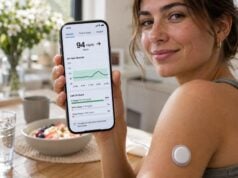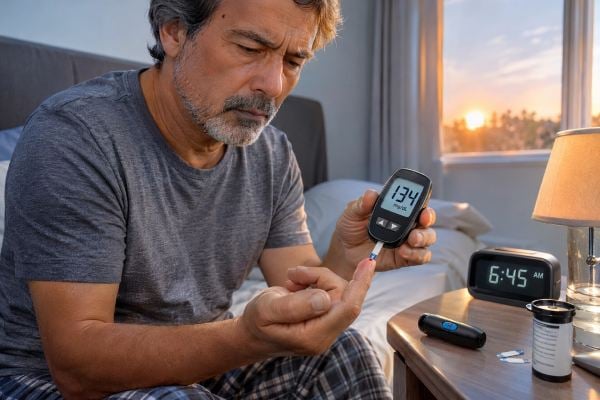
High morning blood sugar is common, and it does not always mean you ate “too many carbs” the night before. Glucose often rises before breakfast because the liver releases fuel as part of the body’s normal wake-up rhythm. In diabetes or insulin resistance, insulin may fail to fully restrain that output, creating the dawn phenomenon.
Other causes include late or large evening meals, medication wearing off overnight, insufficient basal insulin, poor sleep, stress, or illness. Less commonly, a rebound after overnight hypoglycemia plays a role. Because the best fix depends on the specific pattern, one high fasting value should not trigger a major diet or medication overhaul.
Instead, compare bedtime, overnight, and waking glucose for several days. Note dinner timing, exercise, sleep quality, and medications. For many people, earlier dinners, a short after-dinner walk, improved sleep hygiene, or a targeted treatment adjustment can help. Persistent fasting highs, especially in the diabetes range, warrant a conversation with a healthcare professional rather than trial-and-error self-management.
Table of Contents
- What Counts as High Morning Blood Sugar?
- The Dawn Phenomenon
- Other Common Causes
- Dawn Phenomenon vs Somogyi Effect
- How to Find Your Pattern
- Ways to Lower Morning Glucose
- When to Talk With a Doctor
What Counts as High Morning Blood Sugar?
The definition of “high” varies depending on whether you have diabetes, are pregnant, and what specific glucose target your clinician has established. For adults without diabetes, a laboratory fasting plasma glucose below 100 mg/dL is generally considered normal. Values between 100–125 mg/dL fall into the prediabetes range, while 126 mg/dL or higher can meet a diabetes criterion when confirmed appropriately through repeat testing.
For many nonpregnant adults living with diabetes, a common premeal target is 80–130 mg/dL. Individual targets may be tighter or looser based on age, pregnancy status, hypoglycemia risk, medication profiles, and other comorbid conditions.
A home meter is invaluable for tracking patterns but is not equivalent to a diagnostic laboratory test. If a fasting home reading is unexpectedly high, wash and dry your hands before repeating the test to rule out contamination errors. Continuous Glucose Monitor (CGM) readings can also lag behind actual blood glucose levels or be affected by sensor calibration issues.
What matters most is repetition. One morning at 118 mg/dL after a night of poor sleep is distinct from fasting values consistently hovering between 120–130 mg/dL for a month. Similarly, a person with diabetes who normally wakes near 105 mg/dL but suddenly wakes above 180 mg/dL for several days requires a different evaluation than someone with a single outlier reading.
Morning glucose can also be higher than later fasting values because glucose regulation follows a circadian rhythm. This does not render high fasting results meaningless, but it explains why timing must be consistent when comparing trends. Checking at 5:30 a.m. one day and 10:00 a.m. another day, particularly after different sleep durations, provides an unreliable comparison.
If your fasting glucose is normal but your A1C is high, the discrepancy may stem from post-meal glucose spikes, overnight patterns, or factors that directly affect A1C calculation. The guide to normal fasting glucose with a high A1C explores these possibilities in detail.
The Dawn Phenomenon
The dawn phenomenon describes a rise in glucose during the early morning that is not preceded by overnight hypoglycemia. It reflects the body’s circadian rhythm—the internal clock that prepares you to wake, move, and eat.
Before waking, hormones such as cortisol and growth hormone increase. These hormones oppose some of insulin’s effects and encourage the liver to release stored glucose. In someone with normal insulin regulation, the pancreas responds sufficiently to keep glucose in range. However, in cases of insulin resistance or diabetes, that compensatory response may be insufficient, allowing glucose levels to climb.
The pattern is often easiest to visualize with CGM data: glucose remains relatively stable overnight, reaches a nadir after midnight, and then climbs steadily toward waking. Research using CGM suggests the dawn phenomenon is common in type 2 diabetes and can also appear in individuals with prediabetes or elevated metabolic risk.
The magnitude of this rise matters clinically. Some studies define a dawn rise as approximately 20 mg/dL (1.11 mmol/L) from the overnight low to prebreakfast glucose. While this research definition is useful for scientific comparison, it is not a universal diagnostic cutoff for home use.
Dawn phenomenon can also extend into breakfast. If glucose is already rising before food intake, the same breakfast may produce a higher peak than it would later in the day. This explains why morning carbohydrate tolerance often feels worse for some people compared to afternoon or evening meals.
A closely related article on dawn phenomenon versus the Somogyi effect goes deeper into the overnight patterns that distinguish these two conditions.
Other Common Causes
Not every morning high is driven by circadian hormones. Several practical factors can raise fasting glucose or amplify the dawn rise.
Late or carbohydrate-heavy evening meals
A large dinner, late-night snack, dessert, or alcohol-containing meal can keep glucose elevated for hours. High-fat meals are particularly tricky because fat delays gastric emptying, producing a later and longer glucose rise rather than an immediate spike.
If bedtime glucose is already high and remains elevated overnight, the problem is less likely to be pure dawn phenomenon. In these cases, the evening meal composition or treatment plan may be the primary driver.
Medication wearing off overnight
Some glucose-lowering medicines do not provide coverage for the full night. Timing and duration are critical for basal insulin as well. If glucose gradually rises through the entire night rather than only near dawn, medication coverage may need review.
Do not respond by increasing insulin on your own unless you have a clinician-approved adjustment plan. Excessive overnight insulin can cause dangerous hypoglycemia.
Poor sleep and sleep apnea
Short, fragmented sleep worsens insulin sensitivity and increases stress hormones. Obstructive sleep apnea adds repeated drops in oxygen and surges in sympathetic activity, which further compromise glucose control. Loud snoring, witnessed breathing pauses, morning headaches, and daytime sleepiness are reasons to ask about evaluation. The connection between sleep apnea and blood sugar is often overlooked but significant.
Stress, pain, and illness
Cortisol and adrenaline help the body respond to threats by raising available glucose. Emotional stress, infection, inflammation, pain, surgery, and fever can therefore raise fasting glucose even when food intake has not changed.
Medications that raise glucose
Glucocorticoids such as prednisone are a common example. Some antipsychotic medications, certain immunosuppressants, and other drugs can also worsen glucose regulation. If the change began after a new prescription, dose increase, steroid injection, or treatment course, inform your prescriber immediately.
Less activity than usual
Muscle activity improves glucose uptake and insulin sensitivity. A few sedentary days, travel, an injury, or stopping regular exercise can show up in fasting numbers even before weight changes occur.
Dawn Phenomenon vs Somogyi Effect
The Somogyi effect is the concept that overnight hypoglycemia triggers counter-regulatory hormones, which then cause rebound morning hyperglycemia. While widely discussed in medical literature, modern CGM data suggest it is much less common than dawn phenomenon and may not explain many cases once attributed to it.
The distinction matters because the treatments point in opposite directions. If glucose rises because overnight insulin is insufficient, increasing or retiming treatment might help. Conversely, if glucose is truly dropping dangerously low overnight, increasing insulin could make the problem worse.
| Pattern | Likely explanation | Typical next question |
|---|---|---|
| Normal bedtime, stable overnight, rise before waking | Dawn phenomenon | Can evening activity, meal timing, or treatment timing be optimized? |
| High bedtime, high all night | Evening meal or insufficient overall treatment | Was dinner late, large, high in carbohydrate, or inadequately covered? |
| Normal bedtime, steady rise all night | Medication or basal insulin may be wearing off | Does treatment duration match the overnight period? |
| Overnight low followed by morning high | Possible rebound pattern or over-treatment | Is there documented hypoglycemia before changing medication? |
Do not diagnose a Somogyi effect from morning glucose alone. Overnight information is essential. A CGM is the easiest way to visualize this, but a few carefully timed finger-stick checks can also help if your clinician recommends them.
How to Find Your Pattern
A short period of structured tracking is usually more useful than repeatedly checking at random times. Three to seven days can reveal whether the problem begins at dinner, overnight, or just before waking.
Try not to change dinner, exercise, medication timing, and bedtime all at once during this tracking period. If five variables change simultaneously, you may improve the number without learning why. Keeping the routine fairly stable for a few days makes the pattern easier to interpret, provided doing so is safe and consistent with your treatment plan.
Record the following:
- Dinner time and approximate carbohydrate amount
- Evening snacks and alcohol consumption
- Exercise, especially after dinner
- Bedtime glucose
- Overnight glucose if available
- Waking glucose before food or coffee
- Medication and insulin timing
- Sleep duration and major sleep disruptions
- Illness, pain, unusual stress, or steroid use
If you do not use CGM, your clinician may suggest checking at bedtime, around 2–3 a.m., and on waking for a few nights. This is especially useful for people using insulin when the concern is overnight hypoglycemia.
Do not sacrifice sleep indefinitely to collect data. A few targeted checks are usually enough to identify a broad pattern, and CGM can provide overnight detail when clinically appropriate.
Use the overnight shape, not just the waking number
Three data points often tell more than a single fasting value: bedtime glucose, the overnight low (or middle-of-the-night value), and waking glucose. Suppose glucose is 145 mg/dL at bedtime and 150 mg/dL on waking. The morning number is high, but there was very little overnight rise; dinner, an evening snack, or overall treatment may be the main issue. If bedtime is 105 mg/dL, the overnight low is 95 mg/dL, and waking glucose is 145 mg/dL, an early-morning rise is much more obvious.
A third pattern involves glucose falling from 120 mg/dL at bedtime to 60 mg/dL overnight before rising again. That pattern needs review for hypoglycemia rather than an automatic increase in overnight medication. These specific numbers are examples, not diagnostic rules, but they illustrate why the shape of the curve matters.
Also note when the rise begins. A climb that starts soon after dinner suggests a different problem from a curve that is flat until 4 or 5 a.m. With CGM, use several nights and look for a repeated time window. With finger sticks, a few targeted nights can be sufficient. The goal is not to collect endless data; it is to identify which part of the night needs attention so the fix is directed at the cause.
Define “fasting” consistently as well. Morning glucose should generally be checked after at least 8 hours without calories and before breakfast. Coffee with milk, creamer, sugar, or other calories ends the fast. Even black coffee can raise glucose in some people through caffeine and stress-hormone effects, so compare readings before coffee when investigating a fasting pattern.
For people using CGM, look at several nights rather than one. Compression lows from sleeping on the sensor, sensor lag, or a poor sensor site can create false overnight patterns. If a reading looks implausible or does not match symptoms, confirm with a meter when safety decisions depend on it.
Ways to Lower Morning Glucose
The best fix matches the cause. Start with low-risk changes that improve the overnight pattern without creating hypoglycemia.
Move dinner earlier when possible
Late eating can worsen overnight and morning glucose, especially when dinner is large. If your schedule allows, finish the main meal a few hours before bed and avoid turning late-night snacking into a second dinner.
You do not need to go to bed hungry. If you truly need a snack, choose a small option that fits your treatment plan rather than a large refined-carbohydrate snack.
Reduce the evening carbohydrate load
If bedtime glucose is consistently high, try a smaller portion of rice, pasta, bread, potatoes, or dessert and add vegetables or protein instead. The goal is not zero carbohydrate; it is a meal size your body can handle without staying high for hours.
Walk after dinner
Ten to twenty minutes of easy-to-moderate walking after dinner can improve post-meal glucose and may lower the starting point for the night. It is simple, low cost, and does not require a formal workout.
Exercise regularly, but watch late intense exercise if you use insulin
Regular aerobic and resistance exercise improves insulin sensitivity over time. However, strenuous late-evening exercise can increase the risk of delayed hypoglycemia in people using insulin or insulin secretagogues. The right timing depends on your specific treatment regimen and training habits.
Prioritize sleep
A consistent sleep schedule, enough total sleep, and treatment of sleep apnea can improve the hormonal environment that affects morning glucose. If fasting numbers rise mainly after short nights, that pattern is useful information rather than coincidence.
Review medication timing with your clinician
If lifestyle changes do not align with the observed pattern, medication timing or dose may need adjustment. Basal insulin, metformin, GLP-1-based treatment, and other medicines can affect fasting glucose differently. Never increase overnight insulin solely to “beat” the dawn phenomenon without first checking whether lows occur.
Be careful with bedtime snacks
A bedtime snack is sometimes recommended for specific treatment plans, but it is not a universal cure for morning highs. If glucose is already elevated at bedtime, adding food can make morning glucose worse. The decision should be based on the overnight pattern and medication risk.
Hydration is helpful during illness or mild hyperglycemia, but drinking large amounts of water is not a treatment for persistent fasting hyperglycemia. Water can correct dehydration; it cannot replace missing insulin or overcome an untreated medication problem. Similarly, skipping breakfast may lower the immediate food-related rise but does not necessarily correct the overnight cause. Some people even see glucose continue to climb while fasting because the liver keeps releasing glucose. The better question is whether breakfast composition, medication timing, or the overnight pattern needs adjustment—not whether breakfast should be removed from a balanced daily routine, especially if skipping it causes later hunger, overeating, or a medication mismatch.
When to Talk With a Doctor
Make a routine appointment if fasting glucose is repeatedly in the prediabetes or diabetes range, if your diabetes readings are consistently above your personal target, or if morning glucose has changed without a clear reason.
Seek faster advice if high morning glucose comes with excessive thirst, frequent urination, unexplained weight loss, nausea, vomiting, abdominal pain, or significant ketones. People with type 1 diabetes or those using SGLT2 inhibitors should have a low threshold for following their sick-day and ketone plan.
If you are pregnant, fasting targets are different and generally tighter. Contact your obstetric or diabetes team rather than applying standard nonpregnant targets.
Bring a few days of bedtime, overnight, and morning data to the appointment. That pattern can help distinguish a dawn rise from an evening meal effect or medication problem. If you need help deciding how urgent an abnormal reading is, blood sugar red flags and when to see a doctor provides a practical triage framework.
Morning glucose is often fixable, but the solution is rarely “never eat carbs after 6 p.m.” or “take more insulin.” Find the pattern first. Then use the smallest effective change—meal timing, portion adjustment, movement, better sleep, or a treatment review—to address the actual cause.
References
- The dawn phenomenon in diabetes: pathophysiology from periphery to central nervous system and circadian rhythm-based therapeutic strategies 2026 (Review)
- 6. Glycemic Goals, Hypoglycemia, and Hyperglycemic Crises: Standards of Care in Diabetes-2026 2026 (Guideline)
- A probabilistic computation framework to estimate the dawn phenomenon in type 2 diabetes using continuous glucose monitoring 2024 (Clinical Study)
- Circadian clock, diurnal glucose metabolic rhythm, and dawn phenomenon 2022 (Review)
- Continuous glucose monitoring in adults with type 2 diabetes: a systematic review and meta-analysis 2024 (Systematic Review)
Disclaimer
This article is for general education and is not a personal glucose or medication plan. If you use insulin or medicines that can cause hypoglycemia, are pregnant, have type 1 diabetes, or have symptoms of a hyperglycemic emergency, seek individualized medical guidance before changing treatment.