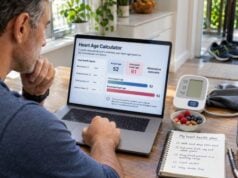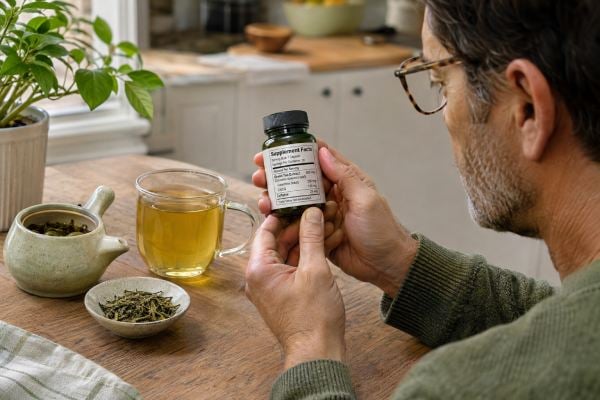
Green tea extract can modestly improve some cardiovascular risk markers, but concentrated supplements are not the safest way to get those benefits. Meta-analyses of randomized trials have found small reductions in LDL cholesterol and blood pressure with green tea or catechin supplements. The problem is that capsules can deliver a large bolus of epigallocatechin gallate (EGCG), sometimes equal to several cups of tea at once, and concentrated green tea extract has been linked to rare but potentially severe liver injury. The risk appears idiosyncratic—meaning it cannot be predicted reliably from dose alone—and may be greater when high-dose extracts are taken while fasting. For most people seeking heart-health benefits, brewed green tea is the safer first choice because it provides catechins in a less concentrated form and has a long history of use as a beverage. If you already take a green tea extract, check the label for EGCG, avoid taking it on an empty stomach, and discuss it with a clinician if you have liver disease, take multiple medications, or develop symptoms such as jaundice or dark urine.
Table of Contents
- What Green Tea Extract Is
- Possible Heart-Health Benefits
- Green Tea Extract and Liver Injury Risk
- Dose, EGCG, and Why Fasting Matters
- Who Should Avoid or Use Extra Caution
- Safer Options for Heart Health
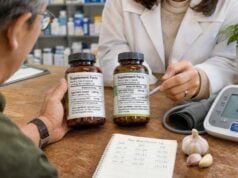
- How to Read a Green Tea Extract Label
What Green Tea Extract Is
Green tea extract is a concentrated preparation made from Camellia sinensis leaves. Manufacturers typically standardize the product to a percentage of polyphenols, catechins, or EGCG. EGCG is the catechin most often highlighted because it has been studied for effects on lipids, blood vessels, glucose metabolism, and oxidative stress.
The key safety point is that a capsule is not simply a cup of tea in pill form. Extracts can concentrate catechins and remove much of the water and other tea components. Some products are decaffeinated, while others contain caffeine. A single serving may contain hundreds of milligrams of green tea extract or EGCG, and multi-ingredient products may combine it with stimulants, herbs, or weight-loss ingredients.
That makes label reading difficult. “500 mg green tea extract” does not tell you how much EGCG is present unless the label specifies a standardized percentage or exact catechin amount. Two 500 mg products can therefore deliver very different doses of active compounds.
The supplement is also absorbed differently from a beverage. Drinking tea spreads exposure over water and usually over time. Swallowing a concentrated extract creates a larger bolus. Fasting can further increase catechin bioavailability, which is one reason safety assessments treat supplements differently from brewed tea.
This distinction matters because the heart-health evidence often combines beverages and supplements, while the liver-safety signal is concentrated largely in extract products, especially those used for weight loss. Anyone considering a capsule because ordinary tea seems “too weak” should first understand that higher concentration is not automatically better.
Possible Heart-Health Benefits
Green tea catechins can modestly improve several cardiovascular risk markers. In a 2023 meta-analysis of 55 randomized trials, green tea supplementation lowered LDL cholesterol by about 5.8 mg/dL and total cholesterol by about 7.6 mg/dL on average. Diastolic blood pressure fell by less than 1 mmHg. A newer 2025 meta-analysis focused on blood pressure found reductions of roughly 1.1 mmHg in both systolic and diastolic pressure.
These are small average effects. They may add to a healthy lifestyle, but they are not comparable to the effect expected from appropriately selected cholesterol or blood-pressure medication.
Potential mechanisms include:
- reduced intestinal cholesterol absorption;
- changes in liver cholesterol handling;
- improved nitric oxide signaling and blood-vessel function;
- antioxidant and anti-inflammatory effects; and
- modest effects on glucose metabolism or body weight in some studies.
The evidence is stronger for changes in laboratory risk markers than for proof that taking green tea extract prevents heart attacks or extends life. That difference is important. A supplement can lower LDL by a few points without having the same outcome evidence as therapies tested directly for cardiovascular event reduction.
More extract does not mean more cardiovascular benefit
Trials use widely different products, catechin amounts, durations, and participant populations. Dose-response patterns are inconsistent. In the 2025 blood-pressure review, there was no clear linear relationship showing that higher tea doses or longer treatment reliably produced larger blood-pressure reductions.
That weakens the case for chasing a high-EGCG supplement. If a low-to-moderate exposure produces a small effect and higher exposure adds safety concerns, the risk-benefit balance shifts toward food and beverage sources.
If LDL cholesterol is the main target, proven approaches such as soluble fiber, replacing saturated fat with unsaturated fat, weight management when appropriate, and medication based on risk are more predictable. See how high LDL is evaluated and treated rather than relying on a supplement alone.
Green Tea Extract and Liver Injury Risk
The most important safety concern with concentrated green tea extract is drug-induced liver injury. It is uncommon relative to the number of people who use supplements, but documented cases can be severe.
In a U.S. Drug-Induced Liver Injury Network analysis, 40 cases were attributed to green tea. Symptoms developed 15 to 448 days after exposure, with a median of 72 days. The pattern was usually hepatocellular, meaning liver enzymes such as ALT rose markedly. Most affected patients were symptomatic and jaundiced; 14 cases were considered severe and 3 required liver transplantation.
Those numbers do not mean 8% of all green tea extract users need a transplant. They describe a selected group of people who already had recognized liver injury. They do show why the rare reaction deserves respect.
Typical warning signs include:
- yellowing of the skin or eyes;
- dark urine;
- pale stools;
- persistent nausea or vomiting;
- loss of appetite;
- unusual fatigue;
- itching; and
- pain or discomfort in the right upper abdomen.
Stop the supplement and seek prompt medical evaluation if these occur. Liver injury can begin with nonspecific symptoms, so do not wait for dramatic jaundice if you feel clearly unwell after starting a concentrated extract.
The reaction appears partly immune mediated
Green tea-associated liver injury has a strong genetic association with the HLA-B*35:01 allele. In the Drug-Induced Liver Injury Network analysis, this allele was present in 72% of green-tea cases compared with roughly 11–12% of population or drug-injury controls. Laboratory research has also shown that EGCG can activate T cells, supporting an immune-mediated mechanism.
This helps explain why toxicity does not follow a simple “safe dose below X, toxic dose above X” pattern. Susceptible people can react at doses tolerated by many others.
Routine HLA testing is not currently a standard screening strategy before using green tea extract. A negative result would not prove safety, and supplement composition itself can be uncertain.
Re-exposure can be dangerous
Some documented patients developed liver injury again when exposed to a green tea-containing product later, sometimes with a shorter time to onset. If a clinician has attributed previous liver injury to green tea extract, avoid future green tea extract supplements unless a liver specialist specifically advises otherwise. Rechallenge is not a sensible way to “test” whether the supplement was the cause.
Dose, EGCG, and Why Fasting Matters
There is no universally established safe supplemental dose of EGCG for every adult. One influential safety review by the European Food Safety Authority found that 800 mg/day of EGCG from supplements may be associated with early signs of liver injury, while available evidence was insufficient to define a dose below which risk is zero.
That 800 mg figure should not be interpreted as a recommended ceiling to approach. Liver-injury case reports have involved a broad range of estimated intakes, and individual susceptibility varies.
Fasting can increase catechin exposure
Taking concentrated green tea extract on an empty stomach can increase systemic exposure to EGCG and other catechins. Repeated bolus dosing while fasting has raised safety concerns in both experimental and human data.
If someone uses a green tea extract despite the limitations, taking it with food is a more conservative approach than taking it fasting. This does not eliminate liver risk, but it avoids a known factor that can raise catechin bioavailability.
Do not judge the dose by “green tea extract” milligrams alone
A label might state:
- 500 mg green tea extract;
- standardized to 50% catechins; and
- 45% EGCG.
If the percentages refer to the full extract, that serving could contain roughly 225 mg EGCG. Another 500 mg extract standardized differently could contain far less or far more. Some labels list EGCG directly, which is easier to interpret.
Multi-ingredient formulas are harder. A proprietary blend may hide the amount of each component, and products marketed for “fat burning” can add caffeine or other stimulants. For heart health, that is often the opposite of what you want if you are prone to palpitations, anxiety, or high blood pressure.
Caffeine also deserves separate attention. A concentrated extract can be decaffeinated yet still have high catechin exposure, while another can contain meaningful caffeine. Do not assume “decaf” means “low risk” for the liver.
Who Should Avoid or Use Extra Caution
Green tea extract is not necessary for cardiovascular health, so the threshold for avoiding it should be low when risk is uncertain.
Extra caution is reasonable for people with:
- current or previous liver disease;
- unexplained elevated liver enzymes;
- a history of drug- or supplement-induced liver injury;
- heavy alcohol use;
- use of several medications or supplements that affect the liver;
- pregnancy or breastfeeding, because high-dose supplement safety is not established;
- significant heart-rhythm sensitivity to caffeine or stimulants; or
- a previous adverse reaction to a green tea supplement.
Children and adolescents should not be given concentrated green tea extract for “heart health” or weight management without specialist guidance.
Medication interactions are another reason to ask first
Green tea components can affect drug absorption or metabolism. Green tea has been shown to reduce exposure to nadolol, a beta blocker. Vitamin K in green tea can also complicate warfarin management when intake changes substantially, although the issue is more relevant to consistency than to a single cup.
People taking anticoagulants, cardiovascular medicines, cancer therapies, transplant drugs, or multiple prescription medications should have a pharmacist review the exact product rather than assuming a plant-derived supplement is interaction-free.
If your goal is blood pressure control, a product containing caffeine or stimulant blends may temporarily raise pressure or heart rate. A consistent home blood-pressure monitoring routine gives more useful information than checking randomly after taking a supplement.
Safer Options for Heart Health
For most people, brewed green tea is the safer green-tea option. It delivers catechins at a lower concentration, spreads exposure through fluid, and has far less association with liver injury than high-dose extract capsules.
A practical intake is often 2–4 cups of brewed tea per day, adjusted for caffeine tolerance. Unsweetened tea can replace sugary drinks, which may provide an additional cardiovascular advantage. Decaffeinated green tea is reasonable if caffeine worsens sleep, palpitations, anxiety, reflux, or blood pressure.
The evidence and practical cup range are covered in green tea for LDL and blood pressure.
But the safest option may be to skip green tea entirely and target the actual risk factor directly.
If LDL is the goal
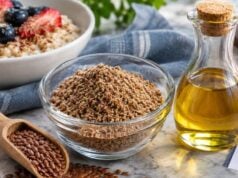
Prioritize soluble fiber, nuts, seeds, legumes, vegetables, whole grains, and replacement of saturated fat with unsaturated fat. Psyllium and oat beta-glucan have much more predictable LDL-lowering roles than an extract. A broader soluble-fiber plan for cholesterol can be built around ordinary foods.
If LDL remains high enough to justify medication, supplements should not delay treatment. Statins have extensive cardiovascular outcome evidence, and non-statin LDL-lowering options are available when a statin is not tolerated or is not enough.
If blood pressure is the goal
The biggest lifestyle levers are sodium reduction when appropriate, regular physical activity, weight loss when needed, limited alcohol, adequate sleep, and a DASH-style diet. Prescription treatment can be lifesaving when pressure remains high. Green tea extract should never be used to postpone evaluation of repeated hypertension.
If weight loss is the goal
Many liver-injury cases involved products marketed for weight loss. The expected weight effect from green tea catechins is generally small, while multi-ingredient “fat burners” add uncertainty. A sustained calorie deficit, adequate protein and fiber, physical activity, sleep, behavioral support, and evidence-based obesity treatment when indicated offer a more rational risk-benefit balance.
How to Read a Green Tea Extract Label
If you still plan to use green tea extract, the label should answer several questions before the first dose.
Look for:
- Exact serving size. One capsule may not equal one serving.
- Total green tea extract per serving. This is not the same as EGCG.
- Catechin or polyphenol standardization. Percentages help estimate concentration.
- EGCG amount. A direct milligram amount is easier to interpret than vague “antioxidant complex” wording.
- Caffeine amount. Count caffeine from all daily sources.
- Other active ingredients. Avoid products with unnecessary stimulant blends or long proprietary formulas.
- Independent quality testing. Third-party certification can improve confidence that the bottle contains what the label claims, although it does not prove clinical benefit or eliminate liver risk.
Do not assume that “natural,” “detox,” “clinically studied,” or “antioxidant” is a safety certification. Supplement claims can be much broader than the evidence behind the exact product.
A sensible decision rule is to ask, What problem am I trying to solve, and is there a safer, better-proven way to solve it? For small LDL or blood-pressure improvements, the answer is usually yes. Brewed tea, diet, exercise, sleep, smoking cessation, and appropriate medication have clearer roles.
If you do take an extract, avoid taking several products that contain green tea at the same time. A multivitamin, pre-workout powder, weight-loss product, and “metabolism” capsule can each contribute catechins or caffeine without making the total obvious. Keep the original bottle so a clinician can review the ingredients if symptoms occur.
Do you need liver blood tests?
There is no universal rule that every healthy person taking a low-dose green tea supplement needs scheduled liver tests. That does not mean testing is useless. A clinician may reasonably check baseline or follow-up liver enzymes when a person has liver disease, takes other potentially liver-toxic medicines, uses a concentrated product for an extended period, or develops symptoms. The decision should match the individual rather than a supplement-marketing schedule.
More important, do not rely on a normal test from months ago as proof that a current supplement is safe. Green tea extract liver injury is idiosyncratic: it appears to depend partly on individual susceptibility, and it may develop after a period of apparently uneventful use. New jaundice, dark urine, pale stools, persistent nausea, loss of appetite, marked fatigue, itching, or right-upper-abdominal discomfort deserves prompt medical attention. Stop the suspected supplement while seeking care unless a clinician specifically advises otherwise.
If a clinician concludes that green tea extract probably caused liver injury, restarting the product to “see if it happens again” is unsafe. Re-exposure can trigger another episode and may be more severe. Bring the bottle or a clear photograph of the full ingredient panel to the visit, because multi-ingredient products can make the responsible compound difficult to identify.
Green tea extract is not inherently dangerous, but its concentrated form changes the safety equation. The cardiovascular benefits are modest, while rare liver injury can be serious. For a low-stakes goal such as gaining a few points of LDL improvement, a lower-risk strategy usually makes more sense.
References
- Effect of green tea supplementation on blood pressure in adults: a GRADE-assessed systematic review and dose-response meta-analysis of randomised controlled trials 2025 (Systematic Review)
- The effects of green tea supplementation on cardiovascular risk factors: A systematic review and meta-analysis 2023 (Systematic Review)
- Green tea extract–associated acute liver injury: Case report and review 2022 (Review)
- Investigating the Immune Basis of Green Tea Extract Induced Liver Injury in Healthy Donors Expressing HLA-B*35:01 2023
- The Epidemiology of Newly Recognized Causes of Drug-Induced Liver Injury: An Update 2024 (Review)
- HLA-B*35:01 and Green Tea-Induced Liver Injury 2021
Disclaimer
This article is for general education and is not individualized medical advice. Green tea extract can cause rare but serious liver injury, so stop the supplement and seek medical care for jaundice, dark urine, persistent nausea, severe fatigue, or right-upper-abdominal pain. Ask a clinician or pharmacist before using concentrated green tea extract if you have liver disease, take prescription medicines, are pregnant or breastfeeding, or are considering a high-EGCG product.