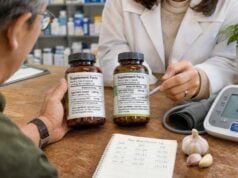
Green tea can support heart health, but its effects are modest rather than medication-like. Randomized-trial meta-analyses suggest that regular green tea or green tea catechins can lower LDL cholesterol by only a few milligrams per deciliter and may reduce blood pressure by roughly 1–2 mmHg on average. Those small changes can be useful as part of an overall heart-healthy diet, especially when green tea replaces sugary drinks, but they are not a substitute for treatment of high LDL or hypertension. For most healthy adults, about 2–4 cups of brewed green tea per day is a practical range that provides tea polyphenols without the concentrated exposure found in extracts. Caffeine content varies by product and brewing method, so people who develop palpitations, anxiety, insomnia, reflux, or a temporary blood-pressure rise may need less or should choose decaffeinated tea. Green tea also interacts with a few medicines. The safest strategy is to think of brewed tea as a food and beverage choice, not as a high-dose cardiovascular supplement.
Table of Contents
- How Green Tea May Affect Heart Risk
- Green Tea and LDL Cholesterol
- Green Tea and Blood Pressure
- How Many Cups of Green Tea Per Day?
- Caffeine, Decaf, and Brewing Choices
- Side Effects and Medication Interactions
- The Best Way to Use Green Tea for Heart Health
How Green Tea May Affect Heart Risk
Green tea is made from Camellia sinensis, the same plant used for black and oolong tea. The leaves are processed in a way that preserves a relatively high concentration of catechins, a group of polyphenols. Epigallocatechin gallate, usually shortened to EGCG, is the best known.
Catechins can influence several pathways that matter to cardiovascular health. Laboratory and human studies suggest effects on nitric oxide signaling, blood-vessel function, oxidative stress, lipid absorption, and cholesterol metabolism. Green tea also supplies caffeine unless it has been decaffeinated.
The important distinction is between a biological effect and a large clinical effect. Green tea can move some risk markers in a favorable direction, but the average changes in randomized trials are small. A 2023 systematic review of 55 randomized trials found green tea supplementation lowered LDL cholesterol by about 5.8 mg/dL and diastolic blood pressure by less than 1 mmHg on average. A 2025 blood-pressure meta-analysis of 36 trials found reductions of about 1.1 mmHg in both systolic and diastolic pressure.
Those are population averages. Some people will see no measurable change, while others may see somewhat more. Differences in baseline risk, tea dose, caffeine exposure, study duration, diet, genetics, and the form of green tea all contribute to the variation.
Green tea may be most useful when it improves the overall pattern of a person’s diet. Replacing a 12-ounce sugary beverage with unsweetened tea can remove a large dose of added sugar and calories, which may matter more over time than the direct catechin effect. That fits naturally with a broader heart-healthy eating pattern rather than treating one drink as a cure.
Green Tea and LDL Cholesterol
Green tea can lower LDL cholesterol modestly. The effect is real enough to appear across multiple meta-analyses, but it is usually much smaller than the change expected from a statin, ezetimibe, or a major dietary overhaul.
An umbrella review published in 2022 pooled prior meta-analyses and estimated an average LDL reduction of about 4.3 mg/dL. Another large 2023 meta-analysis of randomized trials estimated about 5.8 mg/dL. These numbers are useful for setting expectations. If LDL is 180 mg/dL, drinking green tea is unlikely to bring it anywhere close to a typical treatment target by itself.
Why the effect may occur
Green tea catechins may reduce intestinal absorption of cholesterol and influence hepatic cholesterol handling. They may also have indirect metabolic effects, although weight loss from ordinary brewed tea is generally small.
LDL response depends partly on where you start. Someone with higher baseline LDL may have more room to improve, while someone with already-low LDL may notice little change. Trial results also combine brewed tea, catechin-rich beverages, and supplemental preparations, so the exact effect from a few cups of home-brewed tea is difficult to predict.
What matters more than the tea itself
For LDL lowering, the strongest dietary levers remain replacing saturated fat with unsaturated fat and increasing soluble fiber. Oats, barley, beans, lentils, psyllium, fruit, nuts, seeds, and plant oils generally have a more direct role in an LDL-lowering plan. See how soluble fiber lowers LDL cholesterol for practical targets.
If LDL is very high, especially 190 mg/dL or higher, or if there is known coronary disease, diabetes, familial hypercholesterolemia, or a prior heart attack or stroke, lifestyle measures should not delay a medication discussion. The approach to high LDL cholesterol depends on overall cardiovascular risk, not on whether one food or drink produces a small improvement.
Green tea works best as an addition to proven measures, not as a reason to postpone them.
Green Tea and Blood Pressure
The average blood-pressure effect of green tea is small. The 2025 meta-analysis of 36 randomized trials found an average reduction of 1.08 mmHg systolic and 1.09 mmHg diastolic. The authors found stronger effects in some subgroups, including people who started with systolic pressure of at least 120 mmHg, but there was no clear linear relationship showing that ever-higher doses produced ever-larger reductions.
Other reviews have reached similar conclusions: modest benefit, substantial variation between trials, and no reason to treat green tea as an antihypertensive drug.
That can sound unimpressive, but small average blood-pressure shifts across a population can still matter. For one individual, however, the priority is achieving an actual safe blood-pressure range. Someone with repeated home readings of 150/95 mmHg should not expect tea to solve the problem.
Caffeine can temporarily push pressure the other way
Caffeine can cause a short-term rise in blood pressure in people who are sensitive to it or do not use caffeine regularly. Green tea usually has less caffeine than coffee, but the amount varies widely. A typical 8-ounce cup often contains roughly 20–50 mg, although some products fall outside that range.
This creates a practical paradox: green tea’s polyphenols may modestly support blood pressure over time, while the caffeine in a cup can cause a temporary increase in some people. Regular caffeine users often develop partial tolerance, but not everyone does.
If you are tracking hypertension, do not judge your baseline pressure immediately after tea, coffee, exercise, nicotine, or a stressful event. Accurate technique matters more than chasing single readings. Use the same principles described in measuring blood pressure correctly at home.
Use green tea as an adjunct, not the treatment
For meaningful blood-pressure reduction, the larger evidence-based levers are medication when needed, sodium reduction in salt-sensitive people, weight loss when appropriate, regular activity, better sleep, moderation of alcohol, and a DASH-style eating pattern. Green tea can fit into that plan, but it should sit near the edge of the strategy rather than at the center. For a broader approach, see habits that help lower blood pressure.
How Many Cups of Green Tea Per Day?
For most healthy adults, 2–4 cups of brewed green tea daily is a reasonable practical range. There is no universally established cardiovascular “dose,” and research does not show that more is always better.
A cup in research may not match the mug in your kitchen. Tea strength depends on leaf amount, water volume, temperature, and steeping time. Bottled products can contain very little catechin or a great deal of added sugar, while matcha provides powdered whole leaf and can be more concentrated than ordinary steeped tea.
A simple routine is:
- start with 1–2 cups daily if you are not used to tea or caffeine;
- increase to 2–4 cups if you enjoy it and tolerate it well;
- keep it unsweetened or lightly sweetened;
- avoid pushing intake upward simply because a study used a concentrated dose; and
- count all caffeine sources, including coffee, energy drinks, cola, chocolate, and pre-workout products.
There is no cardiovascular requirement to reach four cups. One or two cups can still be a useful replacement for less healthy drinks.
What about five or more cups?
Many adults can drink more than four cups without a problem, but potential downsides rise with caffeine and total tea intake. Insomnia, jitteriness, reflux, headache, urinary frequency, palpitations, and iron-absorption concerns can become more relevant.
For most healthy nonpregnant adults, a commonly used general caffeine ceiling is around 400 mg per day from all sources, but sensitivity varies widely. Pregnancy typically calls for a lower caffeine limit established with an obstetric clinician. People with arrhythmias, poorly controlled blood pressure, severe anxiety, reflux, or sleep problems may need much less.
Tea is not better simply because the cup count is higher. Consistency at a comfortable intake is more sensible than trying to maximize catechin exposure.
Caffeine, Decaf, and Brewing Choices
You do not need caffeine to get green tea polyphenols. Decaffeinated green tea can be a good option for people who enjoy the drink but develop sleep problems, palpitations, tremor, or blood-pressure spikes with caffeine.
Decaffeination can reduce some catechins depending on the process, but decaf tea still contains polyphenols. The exact amounts are rarely printed on labels, so choosing a reputable tea you will drink consistently matters more than trying to calculate milligrams of EGCG from every cup.
Brewing changes what ends up in the cup
Hotter water, more leaf, and longer steeping usually extract more catechins and caffeine, although flavor can become bitter. A practical method is to steep green tea in hot but not aggressively boiling water for roughly 2–3 minutes, then adjust to taste. There is no need to optimize brewing like a laboratory protocol for heart benefits.
Matcha deserves separate mention. Because the leaf is ground and consumed rather than removed after steeping, matcha can deliver more catechins and caffeine per serving. Serving size varies enormously. Start small if you are caffeine-sensitive.
Bottled green tea is often the least predictable option. Some products contain added sugar, and catechin content can fall during processing and storage. Check the nutrition label. A bottle with 30–50 g of added sugar undermines the reason many people choose tea for cardiovascular health.
Timing matters if tea disrupts sleep
Poor sleep can worsen blood pressure, appetite regulation, and daytime energy. If green tea after lunch delays sleep or causes nighttime awakenings, move it earlier or use decaf later in the day. A theoretical benefit from catechins is not worth sacrificing reliable sleep.
Side Effects and Medication Interactions
Brewed green tea is generally well tolerated, but it is still biologically active. The main practical issues are caffeine, gastrointestinal effects, iron absorption, and a small number of medication interactions.
Common problems include:
- insomnia or lighter sleep;
- jitteriness, anxiety, or tremor;
- palpitations;
- reflux, nausea, or stomach irritation; and
- headache, especially with abrupt changes in caffeine intake.
Tea tannins and polyphenols can reduce absorption of non-heme iron from plant foods and supplements. People with iron-deficiency anemia may be advised to separate tea from iron-rich meals or iron tablets by an hour or more, depending on their clinician’s guidance.
Important medication cautions
Green tea can interact with warfarin because tea leaves contain vitamin K, although the amount in ordinary brewed tea is usually much lower than in leafy vegetables. Consistency matters for people taking warfarin; sudden large changes in intake are unwise. Anyone on warfarin should discuss major dietary changes with the anticoagulation team.
Green tea or its catechins can also affect the absorption or metabolism of some medications. One clinically important example is nadolol, a beta blocker whose blood level can be reduced by green tea. Drug interactions depend on the specific medicine and dose, so a pharmacist is the best person to check a regular high intake.
Brewed tea and extract are not equivalent
The safety profile of a beverage should not be assumed for concentrated supplements. Green tea extracts can deliver hundreds of milligrams of EGCG quickly and have been linked to rare but potentially serious liver injury. If the goal is heart health, brewed tea is usually the more conservative option. The differences are covered in green tea extract benefits and liver safety.
Stop a supplement and seek medical care for jaundice, dark urine, severe persistent nausea, unusual itching, or right-upper-abdominal pain. Those warnings are mainly relevant to concentrated extracts rather than ordinary tea.
The Best Way to Use Green Tea for Heart Health
The best cardiovascular use of green tea is simple: drink a moderate amount you tolerate, keep it unsweetened, and let it replace a less healthy beverage.
A realistic heart-health routine might look like this:
- Have 1 cup in the morning instead of a sugary coffee drink.
- Use a second cup with lunch or in the early afternoon.
- Choose decaf if caffeine raises your blood pressure, triggers palpitations, or interferes with sleep.
- Do not add large amounts of sugar, honey, or syrup.
- Keep the bigger priorities in place: LDL treatment, blood-pressure control, exercise, sleep, smoking cessation, and a high-fiber diet.
If your main goal is cholesterol reduction, pair tea with oats or barley, beans, nuts, seeds, vegetables, and unsaturated fats. A structured diet and exercise plan for lowering cholesterol is likely to produce a larger change than tea alone.
If your main goal is blood-pressure control, measure your pressure properly for several days rather than checking immediately after a cup and deciding whether the tea “worked.” Use average home readings and bring them to your clinician.
Who is most likely to get practical value from green tea?
Green tea makes the most sense when it improves the overall beverage pattern. Someone who replaces a 150- to 250-calorie sweetened drink with plain tea most days may gain more from the swap than from catechins alone. The same is true when tea replaces a high-saturated-fat coffee drink or becomes a pleasant ritual that supports a better breakfast or afternoon snack.
People with mildly elevated LDL or blood pressure may see small changes over time, but the average research effect is not large enough to predict what will happen to one person. A drop of a few milligrams per deciliter in LDL or roughly 1–2 mmHg in blood pressure can still contribute to a healthier pattern, yet it should be treated as a bonus rather than the main treatment. Someone with an LDL of 190 mg/dL, repeated blood pressure around 160/100 mmHg, known coronary disease, diabetes with high cardiovascular risk, or another major risk factor needs a treatment plan proportionate to that risk. Tea is not a substitute for it.
It is also reasonable to drink no green tea at all. If you dislike the taste, caffeine bothers you, or it conflicts with a medication, similar heart-health goals can be met through water, unsweetened herbal tea, coffee in a suitable amount, and a diet rich in plant foods. The important question is not whether green tea is mandatory, but whether the beverage choice helps your overall cardiovascular habits.
Green tea is a good example of how heart-healthy foods should be viewed: useful, but not magical. A few cups per day can be a pleasant part of a healthy pattern and may produce small improvements in LDL and blood pressure. The benefit becomes most meaningful when the drink displaces sugar-sweetened beverages and supports a diet that already does the heavy lifting.
References
- Effect of green tea supplementation on blood pressure in adults: a GRADE-assessed systematic review and dose-response meta-analysis of randomised controlled trials 2025 (Systematic Review)
- Effects of green tea catechin on the blood pressure and lipids in overweight and obese population-a meta-analysis 2023 (Systematic Review)
- The effects of green tea supplementation on cardiovascular risk factors: A systematic review and meta-analysis 2023 (Systematic Review)
- A comprehensive overview on the effects of green tea on anthropometric measures, blood pressure, glycemic and lipidemic status: An umbrella review and meta meta-analysis study 2022 (Systematic Review)
- Effect of Green Tea on Blood Pressure in Healthy Individuals: A Meta-Analysis 2023 (Systematic Review)
Disclaimer
This article is for general education and is not a substitute for individualized medical advice. Green tea should not replace prescribed treatment for high blood pressure, high cholesterol, or cardiovascular disease. Ask a clinician or pharmacist about green tea if you take warfarin, nadolol, or other medicines with possible food interactions, and choose lower-caffeine or decaffeinated tea if caffeine causes symptoms.