The best foods for heart health are not a short list of “superfoods.” They are everyday foods that work together to improve blood pressure, LDL cholesterol, triglycerides, blood sugar control, and overall diet quality. The strongest pattern is simple: build most meals around vegetables, fruit, whole grains, beans and lentils, nuts and seeds, fish, and unsaturated plant oils, while keeping sodium, added sugar, refined carbohydrates, processed meats, and excess saturated fat lower. That approach closely matches both Mediterranean-style and DASH-style eating patterns, which have the best overall evidence for cardiovascular health. You do not need to eat perfectly or overhaul every meal at once. A few high-impact swaps—oatmeal instead of a pastry, beans instead of processed meat, olive oil instead of butter, or fruit instead of a sugary dessert—can move several heart-risk factors in the right direction. The goal is a pattern you can repeat most days.
Table of Contents
- What a Heart-Healthy Eating Pattern Looks Like
- Best Foods for Better Cholesterol
- Best Foods for Better Blood Pressure
- Best Proteins and Fats for the Heart
- Foods to Limit Without Making Your Diet Miserable
- Simple Heart-Healthy Meal Ideas
- How to Make the Plan Stick
What a Heart-Healthy Eating Pattern Looks Like
A heart-healthy diet is built around food quality more than any single nutrient. The biggest benefits come from repeatedly choosing foods that are high in fiber, potassium, unsaturated fats, and protective plant compounds while keeping sodium, added sugars, and heavily processed foods in check.
Two patterns fit that description especially well: Mediterranean-style eating and the DASH diet. They overlap far more than they differ. Both emphasize vegetables, fruit, whole grains, legumes, nuts, seeds, and minimally processed foods. Mediterranean-style eating usually puts extra emphasis on olive oil, fish, and traditional plant-based meals, while DASH was designed specifically to support lower blood pressure and emphasizes fruits, vegetables, low-fat dairy, whole grains, and lower sodium intake. A practical comparison of the Mediterranean and DASH diets can help if you want a more formal plan.
For most people, a useful plate template is:
- About half the plate: non-starchy vegetables and fruit.
- About one-quarter: a high-fiber starch such as oats, barley, brown rice, quinoa, or another whole grain.
- About one-quarter: beans, lentils, fish, tofu, skinless poultry, or another lean protein.
- A small amount of unsaturated fat: olive oil, nuts, seeds, avocado, or natural nut butter.
This structure works because several heart-protective changes happen at the same time. Fiber can help lower LDL cholesterol and improve fullness. Potassium-rich plant foods support blood pressure regulation. Replacing saturated fats with unsaturated fats generally improves the lipid profile. Less ultra-processed food often means less sodium and added sugar without requiring you to count every milligram or gram.
Think in terms of what you can add, not only what you need to remove. Adding a cup of vegetables to dinner, a piece of fruit to breakfast, or beans to lunch can naturally crowd out foods that offer less cardiovascular value.
Best Foods for Better Cholesterol
If LDL cholesterol is a major concern, prioritize foods that either reduce cholesterol absorption, increase bile acid loss, or replace saturated fat with unsaturated fat. The most useful categories are soluble-fiber foods, nuts and seeds, legumes, and plant oils.
Oats, barley, and other soluble-fiber foods
Oats and barley contain beta-glucan, a soluble fiber that forms a gel in the digestive tract and helps the body remove bile acids made from cholesterol. Psyllium, beans, lentils, apples, citrus fruit, and some vegetables also add useful soluble fiber. You can learn more about practical sources in this guide to soluble fiber for cholesterol.
A simple target is to include a soluble-fiber food at two meals each day. For example, have oatmeal at breakfast and beans at lunch, or barley at dinner and fruit as a snack. Total fiber intake matters too; many adults benefit from working toward roughly 25 to 38 g of fiber per day, increasing gradually and drinking enough fluid.
Beans and lentils
Beans, chickpeas, split peas, and lentils provide soluble fiber, plant protein, potassium, magnesium, and very little saturated fat. They are especially helpful when they replace higher-saturated-fat meats or processed meats. A serving of about 1/2 to 1 cup cooked is easy to fit into soups, grain bowls, salads, tacos, and pasta sauces. See beans and lentils for heart health for more serving ideas.
Nuts and seeds
Nuts and seeds provide unsaturated fats, fiber, plant sterols, protein, and minerals. A small handful—about 1 ounce—is a practical daily portion for many people. Walnuts, almonds, pistachios, peanuts, chia seeds, and ground flaxseed are all useful choices. Unsalted versions are easiest to fit into a lower-sodium diet. Because nuts are calorie-dense, use them as a replacement for chips, cookies, cheese-heavy snacks, or processed meats rather than simply adding large portions on top of your usual intake.
Olive oil and other liquid plant oils
Extra-virgin olive oil is a cornerstone of Mediterranean-style eating, but the broader principle is to use liquid plant oils in place of butter, coconut oil, shortening, and other fats high in saturated fat. Canola, avocado, soybean, sunflower, and similar oils can also fit. The benefit comes largely from the swap: replacing saturated fat with unsaturated fat is more useful than simply adding oil to an already high-calorie diet.
Best Foods for Better Blood Pressure
For blood pressure, the strongest food strategy is to combine more potassium-rich whole foods with less sodium from packaged and restaurant foods. Magnesium, calcium, fiber, and dietary nitrates can also contribute.
Vegetables and fruit
Vegetables and fruit should appear several times a day, not because one specific produce item “treats” high blood pressure but because the overall package is favorable. Leafy greens, tomatoes, potatoes, sweet potatoes, squash, beans, bananas, oranges, kiwi, melon, berries, and avocados are examples of potassium-rich foods. Berries, citrus, grapes, and colorful vegetables also supply polyphenols and other plant compounds.
A practical goal is to build toward at least four to five combined servings of vegetables and fruit per day if that is realistic for you. One serving can be a medium piece of fruit, about 1 cup of raw vegetables, or roughly 1/2 cup of cooked vegetables. For ideas focused specifically on vegetables, see heart-healthy vegetables.
People with chronic kidney disease, certain adrenal disorders, or medicines that raise potassium may need individualized potassium advice. In those cases, “more potassium” is not automatically safer.
Low-fat or unsweetened dairy and fortified alternatives
Milk and yogurt can provide calcium, potassium, and protein. Low-fat or fat-free dairy is the traditional DASH choice, although an unsweetened fortified soy beverage can work for people who avoid dairy. Watch flavored yogurts and sweetened plant milks, which can contain a surprising amount of added sugar.
Whole grains
Whole grains provide fiber, magnesium, and a steadier carbohydrate source than refined grains. Oats, barley, brown rice, quinoa, bulgur, whole-wheat bread, and whole-grain pasta are practical staples. If the ingredient list begins with a whole grain and the product provides several grams of fiber per serving, it is usually a stronger choice than white bread, refined crackers, or sweetened cereal. A guide to whole grains for heart health can help you compare options.
Lower-sodium versions of convenience foods
You do not need to cook everything from scratch. Look for “no salt added,” “low sodium,” or genuinely lower-sodium versions of canned beans, vegetables, soups, sauces, and frozen meals. Draining and rinsing canned beans can also remove some sodium. The label matters more than marketing language: compare similar products and choose the one with less sodium per serving.
Best Proteins and Fats for the Heart
The most heart-supportive protein pattern leans toward plant proteins and fish, with leaner unprocessed animal proteins used in moderate amounts if desired.
Fish, especially oily fish
Salmon, sardines, trout, herring, and mackerel provide long-chain omega-3 fats along with high-quality protein. For many adults, eating fish about twice per week is a practical target. Choose baked, grilled, roasted, or canned fish more often than deep-fried fish. If you use canned fish, compare sodium levels and watch added sauces. This guide to fatty fish for heart health covers easy choices and serving frequency.
Plant proteins
Beans, lentils, peas, soy foods, nuts, and seeds reduce reliance on higher-saturated-fat animal foods. Tofu, tempeh, edamame, bean chili, lentil soup, and hummus can all anchor a meal. Plant proteins are not automatically healthy if they are highly processed, heavily salted, or fried, so the preparation still matters.
Poultry, eggs, and lean meats
Skinless poultry, eggs, and lean cuts of meat can fit into a heart-healthy diet. The key is portion, frequency, and what they replace. A 3- to 4-ounce portion of lean protein with vegetables and whole grains is very different from a large processed-meat sandwich with cheese and salty condiments.
Unsaturated fats over saturated fats
A useful rule is to replace, rather than merely reduce. Use olive oil instead of butter, nuts instead of cheese crackers, avocado instead of mayonnaise-heavy spreads, and fish instead of fatty processed meat. For a deeper look at one of the most practical swaps, see extra-virgin olive oil benefits.
Foods to Limit Without Making Your Diet Miserable
Heart-healthy eating works best when you know which foods deserve the most attention. You do not need a long forbidden-food list, but several categories can raise cardiovascular risk factors when they become everyday staples.
| Food or habit | Why it can be a problem | Better everyday swap |
|---|---|---|
| Processed meats | Often high in sodium and saturated fat | Beans, fish, chicken, tofu |
| Sugary drinks | Add concentrated sugar without much fullness | Water, sparkling water, unsweetened tea |
| Refined snacks and desserts | Low fiber; often high in sugar, sodium, or saturated fat | Fruit, yogurt, nuts, whole-grain snacks |
| Butter, coconut oil, fatty cuts of meat | High in saturated fat | Olive/canola oil, fish, nuts, avocado |
| Salty packaged meals | Can deliver a large sodium load | Lower-sodium frozen meals plus vegetables |
| Heavy alcohol intake | Can raise blood pressure and triglycerides | Less alcohol or alcohol-free alternatives |
Processed meat is one of the clearest places to cut back. Bacon, sausage, salami, hot dogs, and many deli meats combine high sodium with processing and often significant saturated fat. Reserve them for occasional use rather than making them your default protein.
Added sugar matters most when it comes in concentrated forms such as soda, sweet tea, energy drinks, candy, and desserts. These foods can make it easier to exceed calorie needs and can worsen triglycerides when intake is high.
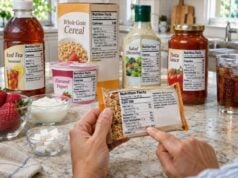
Sodium deserves special attention if you have hypertension. Much of it comes from bread, pizza, restaurant food, deli meat, soups, sauces, and packaged meals rather than the salt shaker alone. If you want a systematic way to compare products, use the strategies in reading nutrition labels for heart health.
Alcohol is not required for heart health. If you do not drink, there is no cardiovascular reason to start. If you do drink, less is generally better for blood pressure, triglycerides, sleep, and calorie control.
Simple Heart-Healthy Meal Ideas
The best plan is one you can assemble quickly on an ordinary weekday. These combinations use familiar foods and cover several heart-health targets at once.
Breakfast
- Oatmeal cooked with milk or fortified soy beverage, topped with berries, ground flaxseed, and walnuts.
- Whole-grain toast with avocado and a side of fruit.
- Plain yogurt with oats, berries, chia seeds, and a small handful of nuts.
- Vegetable omelet with whole-grain toast and fruit.
Lunch
- Lentil soup with a side salad and whole-grain bread.
- Chickpea, cucumber, tomato, and olive-oil salad stuffed into a whole-grain pita.
- Canned salmon over greens with beans, vegetables, and a lemon-olive-oil dressing.
- Leftover brown rice or quinoa bowl with roasted vegetables, edamame, and tahini-lemon sauce.
Dinner
- Baked salmon, roasted broccoli, and barley.
- Bean chili topped with avocado and served with a cabbage-lime slaw.
- Whole-grain pasta with tomato sauce, white beans, spinach, and olive oil.
- Tofu or chicken stir-fry with mixed vegetables and brown rice, using a lower-sodium sauce.
Snacks
Choose snacks that add nutrition rather than simply filling time between meals: fruit with nuts, carrots with hummus, plain yogurt with berries, or a small portion of unsalted trail mix.
The pattern matters more than any one recipe. If a meal contains a plant food, a high-fiber carbohydrate, a sensible protein, and an unsaturated fat, you are usually moving in the right direction.
How to Make the Plan Stick
You are more likely to improve heart-health markers with a plan you can sustain for months and years than with a strict diet you abandon after two weeks. Start with the changes that remove the biggest nutritional bottlenecks in your current routine.
A useful first month might look like this:
- Week 1: Fix breakfast. Choose oats, whole-grain toast, fruit, yogurt, nuts, or eggs with vegetables instead of pastries, sugary cereal, or processed-meat breakfast sandwiches.
- Week 2: Upgrade lunch. Add beans, vegetables, or whole grains and reduce deli meat, chips, and salty sauces.
- Week 3: Change your cooking fat and dinner protein. Use olive or canola oil more often and replace two meat-heavy dinners with fish, beans, lentils, or tofu.
- Week 4: Tackle drinks and snacks. Make water or unsweetened beverages the default and keep fruit, nuts, hummus, and yogurt easy to reach.
Use blood pressure readings, laboratory results, body weight trends if relevant, and how you feel as feedback—not as a daily grade. Cholesterol and triglyceride changes are usually assessed with repeat blood work after several weeks to a few months, depending on the situation. Blood pressure can respond sooner, especially when sodium intake drops, activity increases, and weight changes.
A little food preparation also reduces the number of decisions you have to make when you are hungry. Keep a few dependable staples on hand: rolled oats, canned no-salt-added beans, frozen vegetables, fruit, unsalted nuts, whole-grain bread, olive oil, plain yogurt, and a freezer option such as fish or edamame. When time is short, combine two or three of those foods rather than relying on takeout. Even a basic bowl of beans, brown rice, frozen vegetables, and olive oil is more aligned with a heart-healthy pattern than many convenience meals. Consistency usually comes from making the better choice easier, not from relying on willpower at every meal.
Food can make a meaningful difference, but it does not replace prescribed treatment when medication is indicated. People with very high LDL cholesterol, severe hypertension, diabetes, kidney disease, known cardiovascular disease, or a strong family history may need both lifestyle changes and medical therapy. A clinician can help set targets based on your total risk rather than one isolated number.
One practical test is to look at your most repeated meals rather than your most perfect meal. Breakfast eaten five days a week, the lunch you pack for work, and the dinner you make when tired have more influence than an occasional restaurant meal. Improving those defaults can be simple: oats instead of a refined pastry, beans added to a grain bowl, fruit and nuts instead of chips, or fish and vegetables in place of a processed-meat dinner.
Aim for substitutions that improve several risk factors at once. Replacing butter with olive oil lowers saturated fat without removing flavor. Replacing a salty processed meat with beans can reduce sodium and saturated fat while adding fiber and potassium. Replacing a sugary dessert with fruit and plain yogurt can lower added sugar while adding nutrients. These are not dramatic changes, but repeating them makes the eating pattern more favorable for LDL cholesterol, blood pressure, blood sugar, and body weight at the same time.
Shopping strategy can make those substitutions automatic. Build the cart around produce, whole grains, beans, fish or other lean proteins, unsalted nuts, and liquid plant oils before adding discretionary foods. Compare sodium in breads, sauces, soups, and packaged meals because these everyday foods can contribute more salt than the salt shaker. For foods high in saturated fat—such as butter, fatty processed meats, full-fat cheese, and coconut-based products—decide what will replace them rather than simply removing them. Olive oil, nuts, avocado, beans, fish, and lower-fat dairy can keep meals satisfying while improving the fat profile.
Consistency matters more than a perfect score. A heart-healthy pattern can include celebrations, restaurant meals, and favorite foods. The useful question is what your usual week looks like. If most meals are built from minimally processed plant foods, whole grains, healthy fats, and appropriate protein portions, occasional less-ideal choices are unlikely to define the overall pattern.
References
- 2021 Dietary Guidance to Improve Cardiovascular Health: A Scientific Statement From the American Heart Association 2021 (Position Statement)
- Popular Dietary Patterns: Alignment With American Heart Association 2021 Dietary Guidance: A Scientific Statement From the American Heart Association 2023 (Position Statement)
- Long-term secondary prevention of cardiovascular disease with a Mediterranean diet and a low-fat diet (CORDIOPREV): a randomised controlled trial 2022 (RCT)
- Comparing dietary strategies to manage cardiovascular risk in primary care: a narrative review of systematic reviews 2024 (Review)
- Dietary Approaches to Stop Hypertension (DASH) for the primary and secondary prevention of cardiovascular diseases 2025 (Systematic Review)
Disclaimer
This article provides general nutrition information and is not a substitute for individualized medical care. If you have cardiovascular disease, kidney disease, diabetes, very high cholesterol, high blood pressure, or take medicines that affect potassium or blood pressure, discuss major diet changes with your healthcare professional.