Vegetables support heart health through several routes at once: they can help lower blood pressure, improve cholesterol, add potassium and magnesium, increase fiber, and replace foods that are higher in sodium or saturated fat. The best choices are not one “superfood,” but a mix of leafy greens, cruciferous vegetables, tomatoes and peppers, beans and peas, and other colorful vegetables you can eat consistently. Nitrate-rich greens such as arugula, spinach, and lettuce are especially interesting because the body can convert dietary nitrate into nitric oxide, a compound that helps blood vessels relax. Fiber-rich vegetables and legumes also help with LDL cholesterol, blood sugar, fullness, and overall diet quality. You do not need complicated recipes or huge portions to benefit. A practical goal is to make vegetables a routine part of lunch and dinner, then add them to breakfast or snacks when convenient. Preparation matters too: steaming, roasting, sautéing, or eating vegetables raw usually keeps the heart benefits while limiting excess sodium and saturated fat.
Table of Contents
- Which vegetables are best for heart health?
- How nitrate-rich vegetables may support blood pressure
- Fiber, potassium, and cholesterol benefits
- How much vegetables should you eat?
- Easy ways to eat more vegetables
- Preparation, frozen vegetables, and label traps
- When vegetable choices need extra care
Which vegetables are best for heart health?
The most useful answer is variety. Different vegetables provide different combinations of nitrate, fiber, potassium, folate, carotenoids, vitamin C, polyphenols, and other compounds. Eating several types across the week is more practical and nutritionally complete than trying to rely on one vegetable every day.
A strong heart-friendly rotation includes:
- Leafy greens: arugula, spinach, romaine, kale, Swiss chard, bok choy, and other salad greens. Many are rich in nitrate, potassium, folate, and vitamin K.
- Cruciferous vegetables: broccoli, cauliflower, cabbage, Brussels sprouts, and kale. These add fiber, vitamin C, and a range of plant compounds.
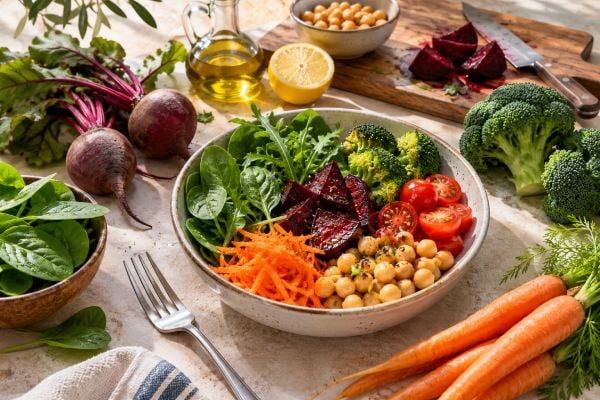
- Tomatoes and red vegetables: tomatoes, red peppers, and beets contribute potassium and colorful antioxidant compounds. Beets are also especially high in nitrate.
- Orange and yellow vegetables: carrots, winter squash, pumpkin, and sweet potatoes provide carotenoids and often substantial potassium.
- Beans, peas, and lentils: nutritionally, these are legumes rather than typical non-starchy vegetables, but they deserve a place in a heart-focused eating pattern because they provide soluble fiber, plant protein, potassium, and very little saturated fat.
- Alliums: onions, garlic, scallions, and leeks add flavor that can make lower-sodium meals easier to enjoy.
- High-volume non-starchy vegetables: zucchini, eggplant, mushrooms, green beans, cucumbers, celery, and peppers make it easier to build filling meals without relying on large amounts of refined starch or fatty sauces.
Green leafy vegetables have some of the strongest evidence for cardiovascular benefit as a group. If blood pressure is your main concern, nitrate-rich leafy greens are a particularly useful category to eat often.
Color is a good shortcut, but it is not a rule that darker is always better. Pale vegetables such as cauliflower, mushrooms, onions, and cabbage can still be excellent choices. What matters most is total intake, variety, and preparation.
One useful way to think about vegetables is by the job they do in a meal. Leafy greens and beets are good nitrate sources; beans and peas are unusually rich in fiber and plant protein; potatoes and squash can contribute substantial potassium; tomatoes and peppers add flavor and color with relatively few calories. That makes variety practical, not just decorative. A bowl built from several vegetables can cover more nutritional ground than a very large serving of only one type.
Vegetables also differ in how filling they are. Non-starchy vegetables such as greens, peppers, broccoli, mushrooms, and zucchini add volume with relatively little energy. Starchy vegetables such as potatoes, corn, peas, and winter squash provide more carbohydrate and can function as part of the main starch in a meal. Both can fit a heart-healthy diet; the distinction mainly helps with meal balance, especially for people who are managing blood sugar or total calorie intake.
A simple “best vegetable” shortlist
If you want a short grocery list, start with spinach or arugula, broccoli, tomatoes, carrots, bell peppers, frozen mixed vegetables, and one type of bean or lentil. That combination covers nitrate-rich greens, fiber, potassium, color variety, convenience, and plant protein without making shopping complicated.
How nitrate-rich vegetables may support blood pressure
Dietary nitrate is one reason leafy greens and beets receive so much attention in blood-pressure research. After you eat nitrate-containing foods, part of that nitrate is converted to nitrite and then to nitric oxide. Nitric oxide helps blood vessels widen and can improve vascular function. In some trials, nitrate-rich foods or beetroot products have produced modest reductions in systolic blood pressure.
Vegetables that tend to be relatively high in nitrate include:
- Arugula
- Spinach
- Lettuce
- Beetroot
- Swiss chard
- Celery
- Radish
The nitrate content of a specific vegetable can vary with soil, season, farming conditions, storage, and preparation, so it is not useful to chase an exact milligram value for every serving. The practical takeaway is simpler: eating leafy greens regularly and including beets if you enjoy them can increase dietary nitrate intake as part of a healthy pattern.
This does not mean beet juice or nitrate supplements are necessary. Whole vegetables bring fiber, potassium, folate, and other nutrients along with nitrate. Beetroot juice can provide a concentrated dose, but it is better viewed as an optional food rather than a treatment. If you are specifically considering concentrated beet products, see the guidance on beetroot juice and blood pressure.
A modest blood-pressure effect can still matter at the population level, but vegetables should not be used as a substitute for prescribed antihypertensive medication. Blood pressure also responds to sodium intake, body weight, physical activity, sleep, alcohol, medication adherence, and genetics.
Nitrate in vegetables is not the same issue as nitrate in processed meat
People sometimes see the word “nitrate” and assume all dietary nitrate is harmful. The food context matters. Vegetables contain nitrate alongside vitamin C, polyphenols, fiber, and other compounds, and observational research generally associates higher vegetable intake with better cardiovascular outcomes. Processed meats come with a very different nutritional package, often including high sodium and other processing factors. It is therefore misleading to judge leafy greens and processed meats by the word “nitrate” alone.
Fiber, potassium, and cholesterol benefits
Nitrates are only one piece of the story. Vegetables support heart health even when they are not especially nitrate-rich.
Fiber helps in several ways. Soluble fiber can bind bile acids in the digestive tract, which encourages the body to use more cholesterol to replace them. Fiber also supports more gradual blood-sugar responses, feeds gut microbes, and adds volume that can improve fullness. Beans, peas, lentils, artichokes, Brussels sprouts, carrots, and many other vegetables contribute meaningful fiber. If lowering LDL is a priority, vegetables work best as part of a broader high-fiber cholesterol-lowering diet that also includes oats, barley, legumes, nuts, seeds, and other sources of soluble fiber.
Potassium helps counterbalance some of sodium’s effects on blood pressure and supports normal nerve, muscle, and heart function. Potatoes, sweet potatoes, spinach, beet greens, tomatoes, winter squash, beans, and lentils can all contribute substantial potassium. For most people, food sources are preferred over potassium supplements. People with kidney disease or those taking certain medicines may need individualized limits, so more is not always better. The potassium and blood pressure guidance explains this safety issue in more detail.
Magnesium is involved in vascular tone, glucose regulation, and many enzyme systems. Leafy greens, beans, peas, and some other vegetables contribute it naturally.
Plant pigments and polyphenols may support vascular and metabolic health through several pathways. Tomatoes supply lycopene; carrots and squash provide carotenoids; purple cabbage and eggplant contain anthocyanin-related compounds. These compounds are one reason eating a range of colors makes sense, but they are not magic ingredients that cancel out an otherwise poor diet.
Vegetables also help by displacement. A cup of roasted vegetables, a side salad, or a bean-based dish can replace some refined grains, processed meat, salty snack foods, or creamy sides. That substitution can reduce sodium and saturated fat while increasing fiber and potassium at the same time.
How much vegetables should you eat?
You do not need to measure every bite. A useful everyday target is to include vegetables at two or more eating occasions and make them roughly half the plate at many lunches and dinners. People with higher energy needs may eat more; people with smaller appetites may start with less.
A practical progression looks like this:
- Start with one reliable serving a day. Add a cup of salad, a cooked vegetable side, or a handful of vegetables to a familiar dish.
- Build toward two meals a day. Once vegetables appear automatically at lunch and dinner, intake rises without much tracking.
- Increase variety across the week. Aim for several colors and include leafy greens, cruciferous vegetables, and legumes regularly.
- Use convenience foods when they improve consistency. Frozen vegetables, prewashed greens, no-salt-added canned vegetables, and canned beans can make a healthy pattern much easier to maintain.
For blood pressure, vegetables fit naturally within the DASH eating pattern, which emphasizes vegetables, fruits, whole grains, beans, nuts, lower-fat dairy or suitable alternatives, and lower sodium intake.
There is no cardiovascular prize for forcing down a vegetable you dislike. Consistency matters more than culinary virtue. If you hate kale but happily eat spinach, broccoli, peppers, tomatoes, carrots, and peas, you can still build an excellent heart-friendly diet.
Raw versus cooked
Both count. Cooking can reduce some heat-sensitive vitamins, but it can also make vegetables easier to eat in larger amounts and may improve availability of certain carotenoids. Light steaming, roasting, sautéing, microwaving, simmering, and eating vegetables raw are all reasonable methods.
For many people, the best preparation is simply the one that turns vegetables into food they actually want to eat.
If your current intake is low, doubling it overnight is not necessary. Add one repeatable habit first, such as keeping frozen broccoli for weeknight dinners or adding a bagged salad to lunch. Once that feels automatic, add another. Small changes often produce a larger long-term increase than a highly ambitious plan that lasts only a week.
Easy ways to eat more vegetables
The easiest strategy is to attach vegetables to meals you already eat rather than inventing a separate “healthy” menu.
Breakfast
Add spinach, mushrooms, tomatoes, or peppers to eggs. Stir leftover roasted vegetables into a breakfast bowl. Blend a small handful of spinach into a fruit-based smoothie if you enjoy the texture and taste. Breakfast does not have to contain vegetables, but it is an easy place to add an extra serving.
Lunch
Use a “two-vegetable rule”: add at least two different vegetables to sandwiches, wraps, grain bowls, salads, or leftovers. For example, a turkey sandwich becomes more filling with lettuce, tomato, cucumber, and roasted peppers. A rice bowl can include broccoli plus carrots or cabbage.
Dinner
Keep one fast vegetable and one frozen vegetable available. Roast broccoli while the main dish cooks, microwave frozen green beans, or sauté spinach in a few minutes. If dinner already includes pasta, rice, or potatoes, mix vegetables into the main dish instead of serving them only on the side.
Snacks
Carrots, bell peppers, cherry tomatoes, snap peas, or cucumber can work with hummus or another bean-based dip. The point is not that raw vegetables are the only acceptable snack; they are simply one way to increase intake without changing meals.
Sauces, soups, and mixed dishes
Vegetables are often easier to eat when they are built into something. Add onions, carrots, celery, mushrooms, spinach, or zucchini to soups, chili, pasta sauce, curry, tacos, casseroles, or stir-fries. Lentils or beans can stretch ground meat in chili or pasta sauce while adding fiber.
A useful meal-building formula is protein + whole grain or starchy vegetable + two non-starchy vegetables + unsaturated fat. For example: salmon, barley, roasted Brussels sprouts, tomato-cucumber salad, and olive oil dressing. If you prefer a plant-based meal, use beans or lentils as the protein. Whole grains pair especially well with vegetables because they add more fiber and help create a satisfying plate.
Preparation, frozen vegetables, and label traps
Fresh vegetables are excellent, but they are not automatically healthier than frozen or canned options. The best choice is the form you will use before it spoils.
| Option | Heart-health advantages | What to watch |
|---|---|---|
| Fresh | Versatile, good texture, wide variety | Food waste if you buy more than you use |
| Frozen | Long shelf life, fast, usually no need to chop | Sauces, butter, or seasoning packets can add sodium and saturated fat |
| Canned | Convenient and inexpensive | Choose no-salt-added or lower-sodium when possible; drain and rinse |
| Prewashed greens | Removes a major prep barrier | Use promptly and store according to package directions |
| Prepared vegetable trays | Easy snack or side | Dips can add sodium and saturated fat |
Roasting vegetables with olive or another unsaturated oil is heart-friendly. So is sautéing. A small amount of oil can improve flavor and help with absorption of fat-soluble carotenoids. The problem is not cooking vegetables with any fat; it is routinely turning them into a vehicle for large amounts of butter, cream, cheese, bacon, or salty sauces.
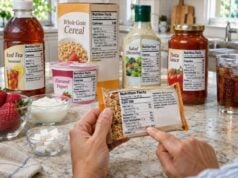
Salt deserves special attention. Vegetables themselves are usually naturally low in sodium, but restaurant vegetables, canned products, soups, sauces, seasoning mixes, and frozen prepared dishes can contain much more. Learning to read sodium and fiber on nutrition labels makes comparisons easier.
To keep flavor high without depending on salt, use garlic, onions, lemon, vinegar, black pepper, smoked paprika, cumin, chili, herbs, ginger, or toasted spices. Acid and browning from roasting often make vegetables taste more intense even with less salt.
When vegetable choices need extra care
For most adults, eating more vegetables is one of the safest heart-health changes available. A few situations need extra thought.
Kidney disease or high potassium: People with impaired kidney function may not clear potassium normally. Some blood pressure and heart medicines can also raise potassium. If you have chronic kidney disease, a history of high blood potassium, or have been told to limit potassium, do not deliberately increase high-potassium vegetables without checking your care plan.
Warfarin: Leafy greens are rich in vitamin K. People taking warfarin usually do not need to avoid greens completely; the key is keeping vitamin K intake reasonably consistent so the medication can be adjusted accurately. Sudden large changes in leafy-green intake can affect anticoagulation control.
Digestive sensitivity: A rapid jump in beans, cruciferous vegetables, and other high-fiber foods can cause gas or bloating. Increase portions gradually, drink adequate fluids if appropriate for you, and cook vegetables well if that improves tolerance.
Food allergies or swallowing problems: Choose forms that are safe for you. Soft-cooked vegetables, purées, soups, or finely chopped options may be easier for some people.
Very high blood pressure or cardiovascular disease: Vegetables are supportive, but they are not a substitute for medical evaluation. If you have repeated very high blood-pressure readings, chest pain, shortness of breath, fainting, stroke-like symptoms, or other urgent symptoms, seek medical care rather than trying to correct the problem with diet.
The most effective heart-health pattern is usually not a perfect one. It is a repeatable one: vegetables you like, prepared in ways you will actually use, paired with other heart-supportive foods and an overall lifestyle you can maintain.
References
- Dietary Green Leafy Vegetables and Cardiovascular Disease Risk: A Systematic Review and Meta-Analysis 2026 (Systematic Review)
- Plasma nitrate, dietary nitrate, blood pressure, and vascular health biomarkers: a GRADE-Assessed systematic review and dose-response meta-analysis of randomized controlled trials 2025 (Systematic Review)
- Associations between Vegetable Nitrate Intake and Cardiovascular Disease Risk and Mortality: A Systematic Review 2024 (Systematic Review)
- Vegetable and Fruit Intake Variety and Cardiovascular Health and Mortality: A Systematic Review and Meta-Analysis of Observational Studies 2023 (Systematic Review)
- Dietary intake of total vegetable, fruit, cereal, soluble and insoluble fiber and risk of all-cause, cardiovascular, and cancer mortality: systematic review and dose-response meta-analysis of prospective cohort studies 2023 (Systematic Review)
Disclaimer
This article is for general educational purposes and is not a substitute for individualized medical or nutrition advice. If you have kidney disease, take warfarin, have been told to restrict potassium, or are being treated for high blood pressure or heart disease, discuss major dietary changes with your healthcare professional.