
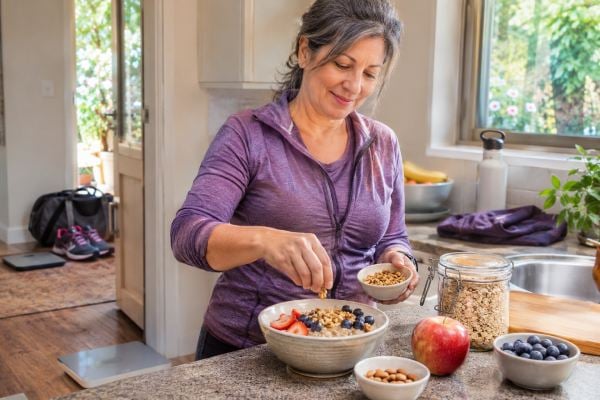
Yes, many people can lower cholesterol without medication, but how far lifestyle can take you depends on your starting LDL, genetics, weight, diet, and overall cardiovascular risk. The biggest non-drug changes are replacing saturated fat with unsaturated fat, increasing soluble fiber, losing excess weight when appropriate, and exercising regularly. These steps can lower LDL, improve triglycerides, raise fitness, and support blood pressure and blood sugar. However, lifestyle does not always lower LDL enough. People with very high LDL, familial hypercholesterolemia, established cardiovascular disease, diabetes, chronic kidney disease, or other major risk factors may need medication even when they eat well and exercise. The right goal is not to “avoid statins at all costs”; it is to reduce long-term exposure to atherogenic cholesterol enough for your personal risk. A structured 6- to 12-week lifestyle trial can be useful when it is medically appropriate, followed by repeat bloodwork and a decision based on the actual response rather than guesswork.
Table of Contents
- How much can lifestyle lower cholesterol?
- The food changes that matter most for LDL
- How weight loss and exercise change your lipid panel
- A 6- to 12-week cholesterol-lowering plan
- When lifestyle alone may not be enough
- How to read your repeat results
- Supplements and other non-drug options
How much can lifestyle lower cholesterol?
There is no single percentage that applies to everyone. A person whose LDL is elevated mainly because of a high-saturated-fat, low-fiber diet may see a substantial improvement after changing those habits. Someone with a strong genetic cause may make the same changes and see only a modest decrease.
That difference is important. Lifestyle affects cholesterol, but LDL is also strongly influenced by how efficiently the liver clears LDL particles from the bloodstream. Genetics can set that clearance rate. Thyroid disease, kidney conditions, medications, and other factors can also shift cholesterol levels.
A realistic lifestyle plan usually works through several small-to-moderate effects that add up. Replacing butter and fatty meats with unsaturated fats can lower LDL. Soluble fiber can lower it further. Plant sterols can contribute another reduction. Weight loss may improve LDL and often has a stronger effect on triglycerides. Exercise usually produces a modest LDL change but improves triglycerides, HDL, fitness, blood pressure, insulin sensitivity, and overall risk.
The goal should be the number you need, not the largest percentage that can be found in a study. An LDL decrease from 150 to 125 mg/dL may be a meaningful success for one person, while another person with known coronary disease may still need a much lower target.
Current cholesterol guidance puts lifestyle at the foundation of treatment, while also recommending medication when the expected benefit is large enough. If you need a refresher on the numbers, cholesterol ranges and treatment targets depend on overall risk rather than one universal “normal” LDL.
The food changes that matter most for LDL
The highest-yield dietary change is often reducing saturated fat and replacing it with unsaturated fat. The replacement matters. Removing butter but adding refined snacks does not provide the same benefit as replacing butter with olive oil, nuts, seeds, avocado, or fish.
Common high-saturated-fat foods include butter, cream, fatty cuts of red meat, processed meats, coconut and palm oils, many baked goods, and large portions of full-fat cheese. You do not necessarily have to eliminate every one of these foods, but they should not dominate the diet if LDL lowering is the goal.
Next, increase soluble fiber. Soluble fiber forms a gel-like material in the gut and helps increase bile acid excretion, which encourages the liver to use more cholesterol. Oats, barley, beans, lentils, apples, citrus, chia, flax, and psyllium are useful sources. A practical target is to build toward at least 5 to 10 g of soluble fiber per day within an overall fiber-rich diet. Higher intakes can produce more LDL lowering for some people.
Psyllium is especially well studied. A 2024 meta-analysis of Plantago products found a meaningful average decrease in LDL across randomized trials. If you use psyllium, start low, increase gradually, take it with adequate fluid, and separate it from medications when the product label or pharmacist recommends doing so. For food-first ideas, soluble fiber sources and daily amounts can help you plan meals.
Plant sterols and stanols can also reduce intestinal cholesterol absorption. Fortified foods and some supplements provide around 2 g per day, a commonly studied intake. They are an optional tool, not a replacement for a high-quality diet.
A Portfolio-style pattern combines several LDL-lowering components: nuts, plant protein such as soy and legumes, viscous fiber, plant sterols, and unsaturated fats while limiting saturated fat. It is a useful model because it focuses on adding beneficial foods, not only banning foods.
A simple plate can look like this: half vegetables, a quarter beans, tofu, fish, or another lean protein, and a quarter intact whole grains or another high-fiber carbohydrate, with olive oil, nuts, or seeds for unsaturated fat. That pattern is easier to sustain than chasing a single “superfood.”
What a cholesterol-lowering day can look like
Breakfast could be oatmeal topped with berries, ground flax, and walnuts. Lunch might be a lentil-and-vegetable soup with whole-grain bread and a side salad dressed with olive oil. For a snack, choose fruit with a small handful of nuts. Dinner could be baked salmon or tofu with barley, roasted vegetables, and a yogurt-based or olive-oil-based sauce. None of these foods has to be eaten every day; the point is the pattern of soluble fiber, minimally processed carbohydrates, unsaturated fats, and relatively little saturated fat.
If your usual diet is very different, change it in stages. Replacing breakfast first, then the main cooking fat, then two or three dinners per week is often easier than redesigning every meal at once. Keep the foods culturally familiar where possible. Beans can be lentils, chickpeas, black beans, butter beans, or another staple; whole grains can be oats, barley, brown rice, bulgur, or whole-grain bread. A plan that fits your normal food environment is more likely to survive beyond the next cholesterol test. If eating out is common, identify two or three restaurant orders that fit the same pattern so busy days do not automatically become high-saturated-fat days. Keep convenient high-fiber foods at home and at work for the same reason.
If you want a broader food list, cholesterol-lowering foods that have meaningful evidence can help you build variety.
How weight loss and exercise change your lipid panel
If you carry excess body fat, losing even a modest amount of weight can improve several cardiovascular risk factors at once. A loss of about 5% of body weight is often enough to improve triglycerides, blood pressure, and glucose regulation, although the LDL response varies.
Weight loss is not required for exercise to help. Regular aerobic activity and resistance training improve cardiovascular fitness and metabolic health even when body weight changes little. A 2025 meta-analysis of randomized trials found that exercise training lowered LDL by about 7 mg/dL on average, lowered triglycerides, and raised HDL modestly.
Those averages can seem small, but exercise lowers risk through more than the lipid panel. It improves cardiorespiratory fitness, endothelial function, insulin sensitivity, blood pressure, and body composition. Strength training also helps preserve muscle, which is particularly valuable during calorie reduction and with aging.
A standard weekly target for many adults is at least 150 minutes of moderate aerobic activity, or 75 minutes of vigorous activity, plus muscle-strengthening activity on at least 2 days. If you are inactive now, start below that and build gradually. Even 10-minute walks can accumulate into a meaningful weekly dose.
Walking is an accessible starting point. walking for heart health explains how pace and weekly duration affect the training benefit. If lifting is part of your routine, strength training can support LDL and triglyceride management while preserving lean mass.
For people who do not need to lose weight, do not force weight loss simply to chase a cholesterol number. Focus instead on dietary fat quality, fiber, activity, sleep, smoking avoidance, and whatever treatment is appropriate for your risk.
A 6- to 12-week cholesterol-lowering plan
A short, structured experiment is more informative than making vague changes and hoping for the best. If your clinician agrees that a lifestyle trial is appropriate, use a plan you can repeat long enough to affect your bloodwork.
During week 1, establish a baseline. Record your current weight if relevant, typical meals, activity, alcohol use, and medications. Save your most recent lipid values: LDL, HDL, triglycerides, total cholesterol, and non-HDL cholesterol. If you have ApoB or lipoprotein(a), keep those results too.
During weeks 2 through 4, make the highest-impact diet changes. Replace butter and other major saturated-fat sources with olive oil, nuts, seeds, avocado, or fish. Add a soluble-fiber food at breakfast and another at lunch or dinner. Eat beans or lentils several times per week. Make vegetables and minimally processed plant foods the default rather than an occasional side.
During weeks 3 through 6, stabilize exercise. Build toward brisk walking, cycling, swimming, or another aerobic activity on most days, and add two full-body strength sessions. Do not increase exercise so aggressively that soreness or injury makes you stop after two weeks.
During weeks 6 through 12, focus on consistency. Restaurant meals, weekends, travel, and snacks are often where saturated fat and calories creep back up. You do not need perfect adherence, but the pattern must be consistent enough that the repeat lipid panel reflects a real change.
| Target | Practical action | What it mainly affects |
|---|---|---|
| Saturated fat | Replace butter, fatty meats, and large cheese portions with unsaturated-fat foods | LDL and non-HDL cholesterol |
| Soluble fiber | Add oats, barley, beans, lentils, fruit, or psyllium daily | LDL cholesterol |
| Plant sterols | Use fortified foods or an appropriate product if desired | LDL cholesterol |
| Exercise | Build toward 150 minutes of moderate cardio plus 2 strength days | Triglycerides, HDL, LDL, fitness |
| Weight | If needed, create a modest calorie deficit while preserving protein and strength training | Triglycerides, glucose, blood pressure, sometimes LDL |
Repeat testing at the interval recommended by your clinician. If the result improves substantially, you now know which habits are worth protecting. If it barely changes, that is also valuable: it suggests genetics or other factors may be playing a larger role.
When lifestyle alone may not be enough
Some situations should not be treated as an open-ended lifestyle experiment. LDL around 190 mg/dL or higher, suspected familial hypercholesterolemia, known coronary or other atherosclerotic disease, and certain high-risk conditions often justify medication because the absolute benefit of lowering LDL is larger.
Familial hypercholesterolemia is a major example. People with this genetic condition can eat an excellent diet and still have very high LDL because the liver cannot clear LDL normally. A family history of heart attack or stroke at an unusually young age raises suspicion. If that sounds familiar, familial hypercholesterolemia requires specific diagnosis and treatment.
Medication may also be appropriate at lower LDL levels when total risk is high. Age, smoking, blood pressure, diabetes, kidney disease, existing plaque, and lipoprotein(a) all matter. Current guidelines use formal risk assessment rather than treating LDL in isolation.
This is why the question “Can I lower cholesterol without medication?” is less useful than “Can I lower my atherogenic cholesterol enough without medication for my level of risk?” For some people, the answer is yes. For others, lifestyle gets part of the way and medication provides the additional reduction needed.
If a statin is recommended, you can still do every lifestyle step in this article. The benefits are complementary. Better diet, more activity, and weight management can improve risk factors that a statin does not fully address, while medication can produce a larger LDL reduction than lifestyle alone.
Do not stop an existing prescription to “see what happens” without speaking with the prescriber. A supervised trial may sometimes be reasonable, but the decision depends on why the medication was started in the first place.
How to read your repeat results
Start with the change in LDL and non-HDL cholesterol. A meaningful decline tells you the intervention is affecting atherogenic cholesterol. If ApoB was measured, it can add information about the number of atherogenic particles.
Then look at triglycerides. They can change substantially with weight loss, alcohol reduction, improved glucose control, and lower intake of refined carbohydrate. A drop in triglycerides is useful, but it does not compensate for an LDL that remains very high.
HDL is more complicated. Exercise and weight loss can raise HDL modestly, but trying to push HDL as high as possible is not a treatment goal. Focus on lowering atherogenic particles and improving the overall risk profile.
Compare results under similar conditions when possible. A lipid panel drawn during rapid weight loss, illness, major dietary change, or poor medication adherence may not represent your stable baseline. If a result is unexpected, repeating it can be sensible.
Also consider what happened to blood pressure, waist measurement, fitness, sleep, and glucose. A plan that lowers LDL by 10% while also improving blood pressure, triglycerides, and fitness may be more valuable than the LDL number alone suggests.
If LDL remains above the recommended range, discuss the next step. That might mean intensifying dietary changes, checking for secondary causes, measuring ApoB or lipoprotein(a), assessing for familial hypercholesterolemia, or starting medication. If medication is being considered, statin benefits, side effects, and who is most likely to benefit can help you prepare questions for the visit.
Supplements and other non-drug options
“Natural” cholesterol products vary widely in evidence and safety. Psyllium and plant sterols have reasonably strong evidence because they work through known mechanisms and have been tested in many controlled studies. They are best viewed as additions to a solid dietary pattern.
Psyllium can cause gas or bloating if you increase it too quickly. It also absorbs water, so take it with adequate fluid unless you have been told to restrict fluids. Because fiber products can affect absorption of some medicines, check timing instructions with a pharmacist.
Plant sterols and stanols can lower LDL when taken consistently, but they are not appropriate for everyone, including people with rare sitosterolemia. More is not necessarily better, and they do not replace medication when medication is clearly indicated.
Be cautious with red yeast rice. Some products contain monacolin K, which is chemically identical to lovastatin, but the amount can vary and product quality is inconsistent. It can cause statin-like side effects and drug interactions while providing less predictable dosing. If you want a non-statin treatment because you cannot tolerate a statin, regulated prescription alternatives are often more reliable than an unstandardized supplement.
The core strategy remains simple: lower saturated fat, increase soluble fiber, favor minimally processed plant foods and unsaturated fats, exercise consistently, manage excess weight when relevant, and reassess. Lifestyle can produce meaningful cholesterol improvements, but success should be judged against the LDL reduction your cardiovascular risk actually requires.
References
– 2026 ACC/AHA/AACVPR/ABC/ACPM/ADA/AGS/APhA/ASPC/NLA/PCNA Guideline on the Management of Dyslipidemia: A Report of the American College of Cardiology/American Heart Association Joint Committee on Clinical Practice Guidelines 2026. Clinical practice guideline. – The Effect of Exercise Training on Blood Lipids: A Systematic Review and Meta-analysis 2025. Systematic review and meta-analysis. – Plantago consumption significantly reduces total cholesterol and low-density lipoprotein cholesterol in adults: A systematic review and meta-analysis 2024. Systematic review and meta-analysis. – Use of phytosterol-fortified foods to improve LDL cholesterol levels: A systematic review and meta-analysis 2023. Systematic review and meta-analysis. – The Portfolio Diet Score and Risk of Cardiovascular Disease: Findings from Three Prospective Cohort Studies 2023. Prospective cohort study.
Disclaimer
This article is for general education and does not replace individualized medical care. Very high LDL, suspected familial hypercholesterolemia, known cardiovascular disease, diabetes, kidney disease, or other high-risk conditions may require medication in addition to lifestyle changes. Do not stop or delay prescribed cholesterol treatment without discussing the decision with your healthcare professional.





