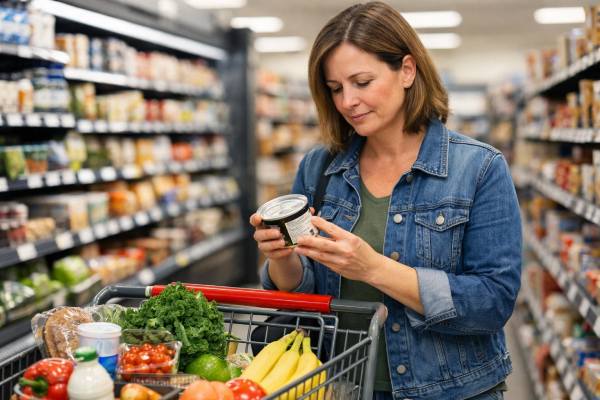
Weight loss is easier when your groceries make good decisions simpler instead of harder. Most people do not struggle only because of what they eat in the moment. They struggle because the foods in their home keep pulling them toward grazing, oversized portions, skipped meals, or low-protein convenience choices that leave them hungry again fast.
That is why grocery shopping habits matter so much. The cart you build today shapes what feels easy all week. A smarter routine can reduce impulse buys, improve meal consistency, and make it more likely that your kitchen supports your goals when you are tired, rushed, or stressed. This article breaks down how to plan better, shop with more intention, choose foods that support fullness, and turn grocery shopping into a repeatable habit that makes weight loss easier to maintain.
Table of Contents
- Why grocery habits matter
- Plan before you shop
- Build a cart that supports fullness
- Use a simple store strategy
- Avoid common shopping traps
- Set up your home after shopping
- Turn shopping into a repeatable habit
Why grocery habits matter
Grocery shopping is not just an errand. It is one of the biggest upstream decisions in any weight loss effort. Once food enters your home, it becomes part of your default environment. That means the store does not only influence what you buy once. It influences what you snack on at 3 p.m., what you throw together when dinner feels late, and what you reach for when you are mentally tired and want something easy.
That is why people often blame themselves for eating habits that were partly shaped by earlier decisions. If your kitchen is full of foods that are convenient, hyper-palatable, and easy to overeat, you will need more restraint than if your shelves and fridge are set up for steadier choices. The opposite is also true. When your groceries include enough protein, fiber, produce, and practical meal components, healthy eating becomes less about motivation and more about what is already available.
This is especially important during busy weeks. Very few people overeat because they sat down calmly, reviewed their goals, and made a thoughtful decision. More often, they overeat because the easiest available option was also the least helpful one. Grocery shopping habits reduce how often that happens.
A good shopping routine helps in several ways:
- It lowers the number of food decisions you have to make during the week.
- It makes meals faster to assemble.
- It reduces reliance on takeout, vending-machine snacks, and random convenience foods.
- It increases the odds that hunger is answered with a real meal instead of grazing.
- It makes portion control easier because you have more structured options at home.
This is also why grocery habits and home habits are closely connected. A strong food environment reset does not begin in the pantry. It begins in the store, when you decide what comes into the house in the first place. The same logic is behind pre-commitment strategies. You make one better decision ahead of time so you do not have to fight the same battle repeatedly later.
A useful mindset shift is this: do not shop only for your ideal self on a highly motivated day. Shop for the version of you who gets home late, feels stressed, sleeps badly, or has twenty minutes to solve dinner. That is the person your groceries really need to support.
If your weekly cart helps that version of you eat well enough, your overall diet usually improves. Weight loss becomes more consistent not because every choice is perfect, but because fewer situations turn into food emergencies.
Plan before you shop
Walking into a grocery store without a plan is one of the fastest ways to buy a mix of random ingredients, appealing snacks, and not quite enough food for actual meals. Good grocery shopping habits start before you touch a cart.
You do not need a rigid meal plan with every bite mapped out. In fact, many people do better with a flexible framework. The goal is to know what kinds of meals and snacks you need for the next few days, how often you will be home, and what foods will realistically get used.
Start with three quick questions:
- How many breakfasts, lunches, dinners, and snacks do I need before the next shop?
Count real eating occasions, not idealized ones. - What is already at home that needs to be used first?
Check protein sources, produce, frozen items, and half-used ingredients. - What are the busiest points of my week?
Those are the times that need the easiest food solutions.
This short planning step prevents a common mistake: buying “healthy ingredients” without buying usable meals. A bag of spinach, a tub of yogurt, and a few chicken breasts may sound productive, but if you do not also have easy lunch components, quick vegetables, and practical snacks, the week can still fall apart.
A simple approach is to choose:
- 2 to 3 breakfast options
- 2 lunch options
- 3 to 4 dinners
- 2 to 3 snack choices
- a few flexible add-ons such as fruit, wraps, rice, salad kits, frozen vegetables, or canned beans
This keeps variety high enough to prevent boredom without turning grocery shopping into a giant planning project.
A written list matters too. It does not have to be fancy. You can sort it by store section or keep it in a notes app. The point is to reduce drift. When people shop without a list, they are more vulnerable to hunger, store layout, promotions, and impulse buying. A list gives structure before the environment starts nudging you.
This is where meal planning habits become practical rather than perfectionistic. The best plan is not the most impressive one. It is the one that matches your week. If Tuesday is chaotic, buy a dinner that takes ten minutes, not a recipe that needs six steps and three pans.
Budget matters here as well. Planning ahead usually protects both money and consistency. Buying what fits together into meals tends to cost less than buying scattered foods and then filling the gaps later with takeout. If cost is a major concern, meal planning on a budget works best when you repeat staple ingredients in different ways instead of buying a completely different setup for every meal.
One useful rule is to build your list around meals first and “fun extras” second. That way, if you buy something enjoyable, it is sitting on top of a solid foundation rather than replacing it. You are not trying to eliminate pleasure from your cart. You are making sure the basics that support better choices get protected first.
Build a cart that supports fullness
A weight loss grocery cart should do more than look healthy. It should help you stay full, steady, and less vulnerable to rebound cravings. That usually means building around foods that support satiety instead of relying too heavily on low-substance “diet foods” that look disciplined but do not keep you satisfied.
The most helpful cart usually includes four anchors: protein, fiber, produce, and practical convenience.
Protein helps meals feel more substantial and can make it easier to stay satisfied between meals. Common options include Greek yogurt, eggs, cottage cheese, chicken, turkey, fish, tofu, tempeh, lean beef, edamame, canned tuna, and high-protein milk or soy milk. You do not need all of them. You need enough protein choices that fit your budget, tastes, and routine. A high-protein grocery list can make this much easier if you tend to run out of ideas.
Fiber adds bulk and staying power. Helpful choices include fruit, vegetables, beans, lentils, oats, potatoes, popcorn, high-fiber wraps, and whole grains. Fiber is especially useful when your usual pattern includes snacking soon after meals or feeling hungry again too quickly.
Produce does not need to be aspirational. Buy what you will actually eat. Fresh is great, but frozen and canned are often more practical, cheaper, and less likely to be wasted. If salads usually rot in the fridge, choose chopped vegetables, slaw mixes, frozen stir-fry blends, or microwaveable vegetables instead.
Convenience is where many smart carts fail. If every “good” choice takes too much time, your tired self may still default to less helpful options. Helpful convenience foods include pre-cooked chicken, bagged salad, frozen vegetables, microwavable rice, canned beans, rotisserie chicken, yogurt cups, frozen berries, and prepared soups with decent protein and fiber.
| Category | What to buy | Why it helps | Examples |
|---|---|---|---|
| Protein base | 2 to 4 reliable protein staples | Supports fullness and easier meal building | Eggs, Greek yogurt, chicken, tofu, tuna |
| Fiber and carbs | 2 to 4 filling carbohydrate staples | Improves energy and satiety | Oats, potatoes, beans, rice, whole grain bread |
| Produce | Fresh, frozen, or canned items you will really use | Adds volume and nutrition without much planning friction | Berries, apples, salad kits, frozen broccoli, carrots |
| Fast meal helpers | Low-effort foods for busy days | Reduces takeout and random grazing | Bagged salad, rotisserie chicken, microwavable grains, soup |
| Structured snacks | Planned snacks with protein or fiber | Helps prevent impulsive snacking | Yogurt, fruit, popcorn, cottage cheese, roasted edamame |
This is one reason the best grocery habits usually focus on foods to eat in a calorie deficit rather than just “low-calorie” foods. Lower-calorie products can help in some cases, but foods that also support satiety are usually more useful than foods that simply look light on the label.
You can also make life easier with strategically chosen freezer staples. The best frozen items are not emergency backups you never touch. They are normal parts of the weekly plan. Keeping a few frozen foods for weight loss on hand can protect you from the common “there is nothing to eat” spiral that leads to overeating or ordering out.
A strong cart is not built around restriction. It is built around staying fed well enough that good choices remain realistic.
Use a simple store strategy
The average grocery store is designed to increase browsing and unplanned purchases. If you rely only on good intentions once you are inside, the environment often wins. A better approach is to use a repeatable store strategy that makes your route, choices, and priorities more automatic.
Start by thinking in zones rather than aisles. You are not wandering. You are collecting meal components.
A simple strategy looks like this:
- Get your protein first.
Choose the items that will anchor meals and snacks. - Add produce next.
Pick a mix of fresh and frozen based on how quickly you will use them. - Choose your core carbs and fiber foods.
Buy the items that make meals feel complete and satisfying. - Finish with practical extras.
Sauces, seasonings, drinks, and any convenience items that genuinely support the week.
This order matters because it protects the most useful parts of your cart before you get pulled into less important choices.
Shopping by category also helps you avoid a familiar trap: ending up with ingredients that do not combine into meals. For example, if your cart has deli turkey, wraps, salad kits, fruit, yogurt, frozen vegetables, rice, chicken, and eggs, you can build multiple breakfasts, lunches, and dinners quickly. If it has protein bars, granola, crackers, and flavored snacks, it may look full but still leave you improvising meals.
It can help to use a “base plus add-on” method:
- Base: protein + carb or grain + produce
- Add-on: sauce, seasoning, dip, cheese, or crunch for variety
This keeps food satisfying without making every trip feel repetitive.
There is also a strong case for simplifying the number of decisions you make in-store. You do not need to compare twelve yogurts if two options work well for you. Repeating staple items is not boring if it helps you stay consistent. In fact, shopping often becomes easier when you build a personal shortlist of foods that regularly earn a place in your cart.
For some people, online grocery shopping works especially well because it reduces impulse buying and keeps the list front and center. Others do better in person because they can judge produce quality more easily and feel more connected to what they are buying. There is no universal winner. The better option is the one that helps you buy more intentionally and stick closer to your plan.
This is also where a beginner-friendly framework like a weight loss grocery list for beginners can be useful. It reduces the pressure to invent a perfect cart from scratch every week. Over time, your own version becomes clearer.
A good store strategy does not need to be rigid. It needs to be reliable. If you know how you move through the store, what categories come first, and what your cart is supposed to accomplish, you are far less likely to leave with a random mix of good intentions and impulse buys.
Avoid common shopping traps
Many grocery trips go off track for the same predictable reasons. The good news is that most of them can be managed with a few simple rules.
The first trap is shopping while very hungry. Hunger does not just make food look appealing. It changes how rewarding quick, high-calorie items feel in the moment. If you know you tend to throw extra snacks, bakery items, or convenience foods into the cart when hungry, eat a small meal or balanced snack before you shop.
The second trap is buying for a fantasy week. This happens when you fill the cart with ingredients for ambitious cooking, daily salads, or completely different habits than the ones you currently live. Then the foods sit unused while you go back to your usual patterns. A realistic cart beats an idealized one almost every time.
The third trap is confusing health halo foods with genuinely helpful foods. Just because something is labeled organic, gluten-free, keto, protein-packed, natural, or low sugar does not mean it fits your goals well. Some of these products are useful. Some are expensive versions of snack foods that are still easy to overeat. The question is not whether a package sounds healthy. The question is whether it helps you stay satisfied, structure meals, and manage intake in a practical way.
The fourth trap is overbuying trigger foods in large packages. This does not mean you can never buy foods you enjoy. It means you should be honest about what tends to become mindless eating at home. If a food is hard to portion, easy to graze from, and repeatedly leads to overeating, buying a large container of it is usually not neutral. It is a setup.
The fifth trap is treating snacks like an afterthought. When planned snacks are missing, people often end up grabbing the most convenient, least filling option available. Structured snacks can be part of a weight loss plan, especially when they include protein or fiber. A simple craving toolkit with protein and fiber is often more useful than trying to eliminate snacks altogether.
The sixth trap is buying too few easy lunches and dinners. Many overeating episodes begin with being too hungry, too tired, and too unprepared. That is why having at least a few fast lunch and dinner options matters. A fridge full of ingredients is not the same as having food you can assemble quickly. Practical options from make-ahead healthy lunches or similar simple meal formats often prevent random eating better than strict rules do.
Another common problem is being overly influenced by sales. Discounts can save money, but only if the item fits your normal pattern. Buying foods because they are on promotion rather than because they support your week can quietly fill the house with less helpful defaults.
A useful filter is this: before something goes in the cart, ask one of three questions:
- Will this help me build a meal?
- Will this help me stay full between meals?
- Will this make a busy day easier without derailing my goals?
If the answer is no to all three, it may be more of an impulse than a plan.
Set up your home after shopping
A good grocery trip can still be wasted if the food disappears into the fridge and pantry without any structure. The period right after shopping is where better choices become easier or less likely to happen.
Think of this step as reducing friction. You do not need a full meal prep session every time, but a little setup goes a long way.
Start with visibility and access. Foods you want to eat more often should be easier to see and easier to grab. Wash and place fruit where it is noticeable. Put yogurt, cut vegetables, or ready-to-use proteins at eye level. Store less helpful snack foods farther away or in less visible spots. Small changes in placement can strongly affect what gets chosen first.
Next, create a few “ready” foods. This might mean:
- washing berries or grapes
- chopping vegetables for snacks or dinners
- portioning trail mix or popcorn
- cooking a batch of protein
- making one easy lunch option in advance
- freezing extra bread, meat, or leftovers before they become waste
This setup matters because tired people usually do not choose between a healthy option and an unhealthy option in theory. They choose between what is ready now and what requires effort. The more usable your groceries are, the more likely they are to become meals instead of good intentions.
This is where making healthy choices easier at home becomes practical. Better eating often depends less on motivation than on reducing how many steps stand between you and a decent meal.
Portion structure helps too. If there are foods you enjoy but tend to overeat, portioning them after the trip can make a real difference. You are not creating punishment. You are creating stopping points. Open containers and family-size packages often encourage drifting, while smaller portions make awareness easier.
It also helps to match groceries to actual meal patterns. If you bought wraps for lunch, place the fillings together. If your easiest dinner is chicken, rice, and vegetables, store those items in a way that makes the combination obvious. The fewer mental steps required, the more often the meal happens.
If you have time for one bigger weekly setup task, choose the one that will save you the most decision-making later. For some people that is batch-cooking chicken or chili. For others it is just setting up grab-and-go breakfasts and one dependable lunch. A simple weekend meal prep plan can help, but even a lighter version works if it removes friction from your highest-risk times.
The key idea is simple: grocery shopping supports weight loss best when the food you bought becomes easy to use quickly. The store trip and the home setup are part of the same system, not separate tasks.
Turn shopping into a repeatable habit
The most effective grocery shopping habits are not built on inspiration. They are built on repetition. You want a routine that works well enough on ordinary weeks, not just on highly motivated Sundays.
A repeatable shopping habit usually has three parts: a set time, a short prep ritual, and a consistent shopping template.
Set time: choose a predictable window for planning and shopping. That might be Saturday morning, Sunday afternoon, or one evening after work. When the time moves around constantly, the habit stays fragile.
Prep ritual: use the same five- to ten-minute routine each week. Check the fridge, note what needs using, look at the next few days, and make the list. That small ritual removes friction because you are not deciding from scratch every time.
Shopping template: keep a default structure for your list and your cart. You might always buy:
- three protein staples
- three vegetables
- two fruits
- two lunch items
- two snack options
- one easy dinner backup
- one enjoyable extra
The exact foods can change, but the framework stays familiar. This kind of structure supports consistency without making you feel boxed in.
It also helps to review the results of each trip. Not in a perfectionistic way. Just ask:
- What got eaten?
- What got wasted?
- What ran out too fast?
- What would have made this week easier?
That small review improves your next cart quickly. Over time, your list becomes more personal and more efficient.
If you often fall off after travel, stress, or a chaotic week, keep a “minimum viable grocery list” for resets. This is your short backup version of shopping when life is messy. It might include eggs, yogurt, rotisserie chicken, bagged salad, fruit, frozen vegetables, bread, oats, and one or two simple dinners. Having a reduced-plan version prevents an off week from turning into several.
You can also use habit cues to lock the routine in place. For example:
- After Saturday coffee, I make my grocery list.
- After checking the fridge, I order groceries.
- After unpacking groceries, I prep tomorrow’s lunch.
That kind of sequence makes the routine easier to repeat because each step leads naturally into the next. It is similar to habit stacking for weight loss, where one reliable action becomes the cue for the next one.
Most of all, avoid turning grocery shopping into a test of whether you are being “good.” It is a practical system, not a moral scorecard. Some weeks will be cleaner than others. Some carts will include convenience foods, desserts, or shortcuts. That is fine if the overall setup still supports your goals.
A successful shopping habit is not one that looks perfect in the cart. It is one that helps you eat better across real days, real stress, and real hunger. When grocery shopping becomes a repeatable system instead of a weekly guessing game, weight loss choices usually become steadier almost automatically.
References
- Strategies associated with improved healthiness of consumer purchasing in supermarket interventions: a systematic overview of reviews and evaluation of primary articles 2024 (Systematic Review)
- Encouraging Healthier Food and Beverage Purchasing and Consumption: A Review of Interventions within Grocery Retail Settings 2022 (Review)
- Home food environment and associations with weight and diet among U.S. adults: a cross-sectional study 2021 (Study)
- Can Ordering Groceries Online Support Diet Quality in Adults Who Live in Low Food Access and Low-Income Environments? 2023 (Review)
- Efficiency of In-Store Interventions to Impact Customers to Purchase Healthier Food and Beverage Products in Real-Life Grocery Stores: A Systematic Review and Meta-Analysis 2021 (Systematic Review)
Disclaimer
This article is for general educational purposes only and is not a substitute for medical advice, diagnosis, or treatment. If you have a medical condition, a history of disordered eating, or need a nutrition plan tailored to your health needs, speak with a qualified clinician or registered dietitian.
If this article was useful, share it on Facebook, X (formerly Twitter), or your preferred platform to help someone else build grocery habits that support better choices.