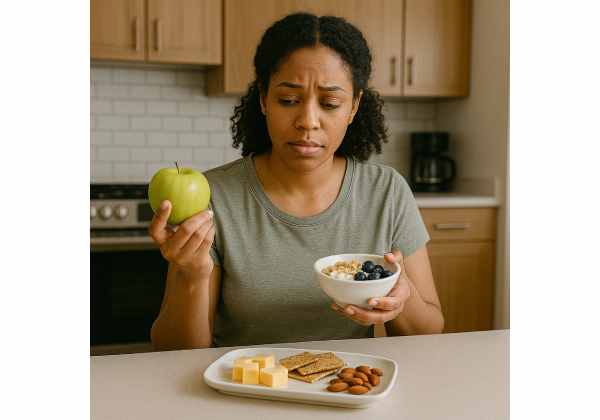
Cravings often feel sudden, but most of them are not random. They tend to show up when meals are too light, protein is low, fiber is missing, sleep is short, stress is high, or too much time passes between eating occasions. That is why grabbing any snack rarely solves the real problem. A sweet coffee drink, a handful of crackers, or a few bites from a snack bag may quiet the urge for ten minutes, then leave you hungrier and more distracted than before.
A better approach is to keep a small craving toolkit built around foods that actually buy time and improve control. In practice, that usually means quick protein snacks, easy fiber add-ons, and a few default combinations you can repeat at home, at work, in the car, or late at night. This article explains why that works, which snacks are worth keeping around, how to match the snack to the craving, and how to make cravings less disruptive without turning eating into a constant project.
Table of Contents
- Why protein and fiber calm cravings
- What a craving-fix snack needs
- Quick protein snacks that buy time
- Fast fiber fixes that add staying power
- Match the snack to the craving
- Build your grab-and-go toolkit
Why protein and fiber calm cravings
Most cravings are easier to manage when your meals create more fullness in the first place. Protein and fiber help because they slow the pace of eating, increase satisfaction, and make it less likely that you will swing from “fine” to “ravenous” in the space of an hour.
Protein tends to be especially useful when cravings are tied to true hunger. A snack with a meaningful amount of protein often feels more settling than one built mostly from refined starch or sugar. That matters in real life because many common snack foods are fast to eat, easy to overconsume, and not very satisfying per bite. A pastry, candy bar, or handful of crackers may be convenient, but those foods often disappear before your appetite has had time to register that you ate.
Fiber helps in a different but complementary way. High-fiber foods usually add bulk, chewing time, and staying power. Fruit, vegetables, beans, lentils, oats, popcorn, chia, and higher-fiber whole grains can make a snack feel larger without making it heavy. They also help slow the “I need something now” feeling that shows up when the stomach feels empty but the next meal is still far away.
This combination matters most when cravings repeat at predictable times:
- Mid-morning after a light breakfast
- Late afternoon when lunch was mostly carbs
- After dinner when the meal was small and low in volume
- At night after a stressful day and poor sleep
- During long stretches at a desk, in traffic, or while traveling
That does not mean every craving is physical hunger. Some are driven by routine, emotion, boredom, or convenience. But even then, better food structure lowers the baseline pressure. If you get enough protein across the day and include fiber-rich foods regularly, cravings usually become less urgent and less frequent.
A useful way to think about it is this: protein reduces the chance that hunger gets loud quickly, and fiber reduces the chance that a snack feels too small to matter. Together, they help you bridge the gap to the next meal with more control.
If your cravings are strongest when meals are irregular, it helps to look at your broader meal timing habits. If they are strongest after poor sleep or during long evenings, those patterns often connect with sleep and hunger hormones more than people realize.
What a craving-fix snack needs
A craving-fix snack is not just any small food. It is a snack that solves a problem without creating another one. In practical terms, that means it should reduce hunger, fit your day, and not set off a second round of grazing 30 minutes later.
The simplest test is whether the snack has enough structure. Most effective options include three features:
- A clear protein source such as Greek yogurt, skyr, cottage cheese, eggs, edamame, tofu, tuna, turkey, milk, or a protein shake
- A fiber source or high-volume side such as fruit, vegetables, popcorn, oats, beans, chia, or whole-grain crackers
- A portion you can repeat consistently without guessing every time
For many adults, a craving-control snack works better when it includes roughly one “anchor” food and one “booster” food. The anchor is the protein. The booster is the fiber, crunch, or volume. Greek yogurt by itself may help, but Greek yogurt with berries or chia usually works better. Cheese by itself may taste good, but cheese with an apple or sliced vegetables usually holds you longer.
A good snack should also match the size of the problem. If you are genuinely hungry because lunch was five hours ago, 80 calories will not fix much. If dinner is in 45 minutes, a small snack is enough. This is where people often get stuck: they choose a snack that is too small, stay preoccupied with food, then eat more while standing at the counter.
A practical checklist looks like this:
- Will this snack still sound appealing in ten minutes?
If not, it may be a passing urge rather than true hunger. - Does it have enough protein to matter?
A token amount usually will not be satisfying. - Does it have fiber, volume, or both?
A few bites of a dense food may feel unsatisfying even if calories are high. - Can I keep this on hand regularly?
The best snack is useless if you never have it when cravings hit. - Will I feel calmer after eating it?
Cravings are often easier to judge by what happens after the snack than by nutrition labels alone.
This is also where many people benefit from a lighter tracking style. You do not need to count every calorie to notice whether a snack is doing its job. A simple system like protein targets and the plate method can help you evaluate whether your choices are reducing hunger or just filling time.
Finally, remember that convenience matters. A perfect snack that requires chopping, cooking, and cleanup will lose to chips when you are tired. Build your toolkit around foods that can survive real life, not just organized weekends.
Quick protein snacks that buy time
When cravings are driven by hunger, protein usually gives you the fastest return. It is the part of the snack most likely to make you feel as if you actually ate something. The goal is not to make every snack huge. It is to choose options that are quick, satisfying, and easy to repeat.
Here are strong protein-first choices that work well for many people:
- Greek yogurt or skyr with berries
- Cottage cheese with pineapple, apple slices, or tomatoes
- Two hard-boiled eggs with baby carrots
- String cheese with fruit
- Edamame, warm or chilled, with salt and lemon
- Tuna packet with cucumber slices or whole-grain crackers
- Turkey roll-ups with bell pepper strips
- Milk or a ready-to-drink protein shake with a piece of fruit
- Tofu cubes or roasted tofu with a dipping sauce
- Soy yogurt with berries and seeds for a plant-based option
The best option depends on what kind of craving you are trying to interrupt.
When you need something cold and easy:
Greek yogurt, skyr, cottage cheese, and ready-to-drink shakes are reliable because they require no prep and can live in the front of the fridge where you see them first.
When you need more chewing and crunch:
Eggs with vegetables, turkey roll-ups, tuna with crackers, or edamame tend to feel more substantial than a drink alone.
When you need something portable:
String cheese, single-serve yogurt, roasted edamame, shelf-stable milk boxes, tuna pouches, and jerky can work well, though jerky is often lower in volume and can be salty.
When you want plant-based options:
Soy yogurt, edamame, tofu, and roasted chickpeas can all help. If you rely mostly on plant-based meals, keeping a short list of go-to foods from a high-protein foods guide makes snack planning much easier.
It also helps to think in combinations rather than single items. A protein snack that “buys time” often includes one of these pairings:
- Dairy or soy protein plus fruit
- Eggs, turkey, or tuna plus vegetables
- Protein shake plus a high-fiber add-on
- Cheese plus an apple or pear
- Edamame plus a small crunchy side
A few cautions matter. Nuts and nut butters contain some protein, but people often overestimate how protein-rich they are. They can still fit, yet they usually work better as part of a snack than as the whole answer. The same is true of protein bars. Some are useful, especially for travel, but many are closer to candy bars with extra protein than to a food that truly improves appetite control.
If mornings are when cravings start, fixing breakfast often works better than adding more snacks later. In that case, a stronger high-protein breakfast can make the rest of the day easier.
Fast fiber fixes that add staying power
Fiber fixes are most useful when a snack feels too small, too fast, or too easy to keep eating. They add chew, bulk, and a sense of completion. They also help when cravings are more about wanting volume, crunch, or sweetness than about needing a large amount of food.
The easiest fiber fixes are foods you can add to a protein snack in less than a minute:
- Berries added to yogurt or cottage cheese
- An apple, pear, or orange on the side
- Baby carrots, cucumbers, snap peas, or cherry tomatoes
- Air-popped popcorn
- Chia or ground flax stirred into yogurt
- Oats mixed into yogurt or blended into a shake
- High-fiber whole-grain crackers
- Beans or lentils added to a savory snack box
- Roasted chickpeas for crunch
- A small bowl of high-fiber cereal with milk or soy milk
These foods solve different problems.
For sweet cravings: fruit is usually the simplest fix. It gives you sweetness, water, and fiber, which makes it more calming than grabbing sweets alone.
For crunch cravings: popcorn, raw vegetables, and crisp whole-grain crackers often work better than trying to “just avoid crunchy foods.” Texture matters more than people think.
For snacks that feel too light: chia, oats, berries, or a piece of fruit can make yogurt or a shake feel more like a real eating occasion.
For late-afternoon appetite: fiber can help stretch a snack so you are less likely to arrive at dinner overly hungry and overeat the first thing you see.
One useful rule is to add fiber before you add a second snack. If a yogurt does not seem like enough, try berries and chia before deciding it failed. If cheese feels unsatisfying, add an apple or crunchy vegetables before going back to the pantry.
Fiber also tends to work best when it is increased gradually. If your usual intake is low, jumping suddenly to very high-fiber meals and snacks can leave you bloated or uncomfortable. Build up over a week or two and drink enough fluids. If you want a broader plan for that, this guide on daily fiber targets and easy food swaps can help.
Food should be the first line for most people, but some adults use a fiber supplement as a backup, especially when meals are low in produce or whole grains. If you go that route, start small, take it with plenty of water, and use it to support a better eating pattern rather than as a substitute for it. People with digestive disease, swallowing problems, or major medication schedules should check with a clinician or pharmacist first.
The best fiber fix is the one you actually enjoy enough to repeat. A food can be nutritious and still be the wrong tool if you never want to eat it.
Match the snack to the craving
Not every craving needs the same response. The fastest way to improve control is to get better at naming the situation before you eat. Ask one question first: What kind of craving is this? The answer usually falls into one of five buckets.
1. I am actually hungry.
This shows up as stomach hunger, lower concentration, irritability, or the sense that almost any food sounds good. Use a full snack with protein and fiber. Examples:
- Greek yogurt with berries and chia
- Cottage cheese and fruit
- Tuna and crackers with vegetables
- Edamame and an apple
2. I want something sweet.
This is often stronger when meals were low in protein, when lunch was mostly refined carbs, or when afternoons are stressful. Start with a sweet snack that still has structure:
- Skyr with fruit
- Apple with string cheese
- Protein shake and berries
- Cottage cheese with cinnamon and pear
If sweet cravings hit mostly at night, it may help to review the bigger pattern behind night-time sugar cravings rather than trying to out-willpower them every evening.
3. I want something salty, crunchy, or mindless.
This is often more about texture and stimulation than hunger. Try:
- Popcorn plus a protein side
- Cucumbers, carrots, or snap peas with a protein dip
- Roasted chickpeas
- Whole-grain crackers with cottage cheese or tuna
4. I am stressed, bored, or emotionally worn down.
Food may help briefly, but it will not solve the real trigger. Pause before choosing a snack:
- Drink water or tea
- Move for five minutes
- Ask whether you need a snack, a break, or both
If stress eating is a frequent pattern, work on the trigger directly. Tools for stress-related cravings usually help more than simply tightening food rules.
5. I keep craving food late at night.
This often has three common causes: dinner was too small, protein was low earlier in the day, or the evening has become a cue for snacking. A preplanned snack can help, but so can fixing the earlier setup. If evenings are a regular struggle, pair your snack plan with strategies to stop late-night snacking more consistently.
A final point matters: if a craving feels intense, frequent, and disconnected from hunger, do not assume it is a character flaw. It may reflect under-eating, overly rigid food rules, poor sleep, emotional strain, or a habit loop that has become automatic. The right response is often to adjust the system, not to blame yourself for wanting food.
Build your grab-and-go toolkit
A craving toolkit works best when it is visible, boring in a good way, and ready before you need it. If you wait until you are hungry, busy, or stressed to decide what to eat, convenience usually wins over intention. The goal is to make the better choice the easier choice.
Start by choosing five to seven default snacks you genuinely like. That is enough variety to prevent boredom without turning every grocery trip into research. Your list might include:
- Greek yogurt and berries
- Cottage cheese and fruit
- Eggs and vegetables
- Edamame
- Tuna packet and crackers
- Popcorn with a protein side
- Protein shake and an apple
Then build them into your environment.
At home
- Keep ready-to-eat produce washed and visible
- Put yogurt, eggs, cottage cheese, and string cheese at eye level
- Portion popcorn, crackers, nuts, or roasted chickpeas before you are hungry
- Move less helpful snack foods out of immediate reach if they are easy for you to overeat
At work
- Store a shelf-stable backup such as tuna, roasted edamame, protein bars you tolerate well, or higher-fiber crackers
- Keep one emergency snack in a drawer for late meetings
- Use a lunch bag with one protein and one fiber default every day
In the car or while traveling
- Pack portable protein first, then add fruit or a crunchy fiber source
- Avoid relying only on sweet snack bars
- Use travel days to repeat simple combinations instead of trying to “be perfect”
This is where a quick food environment reset can change more than motivation ever will. When better options are easier to see and grab, cravings become less disruptive because the response is already decided.
A weekly reset also helps. Once or twice a week, take ten minutes to restock your basics, prep a few pairings, and notice which snack disappears fastest. If your afternoons are always chaotic, prepare afternoon snacks first. If evenings are harder, make your after-dinner default obvious and pre-portioned.
Finally, keep expectations realistic. The point of a craving toolkit is not to eliminate every urge to eat. It is to reduce the number of moments where a craving turns into a spiral of grazing, regret, and “I will restart tomorrow.” Good snack planning gives you a middle ground between rigid control and eating whatever is closest.
When your snack choices become routine, cravings stop feeling like emergencies. They become signals you know how to answer.
References
- Impacts of dietary animal and plant protein on weight and glycemic control in health, obesity and type 2 diabetes: friend or foe? 2024 (Review)
- Effects of dietary fibre on metabolic health and obesity 2024 (Review)
- Cereal Fibers and Satiety: A Systematic Review 2025 (Systematic Review)
- Frequency of Meals and/or Snacking and Energy Intake: A Systematic Review 2024 (Systematic Review)
- Overweight and obesity management 2025 (Guideline)
Disclaimer
This article is for general education about food choices, appetite, and weight-loss habits. It is not a substitute for personal medical advice, diagnosis, or treatment, especially if you have diabetes, digestive disease, a history of disordered eating, or persistent cravings linked to medication, sleep problems, or another health condition.
If you found this helpful, please share it on Facebook, X, or any platform where it might help someone build a calmer, more practical approach to cravings.