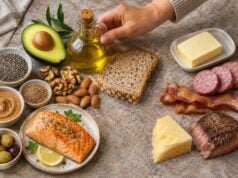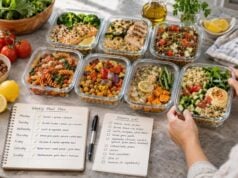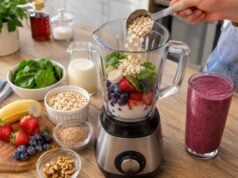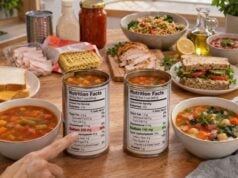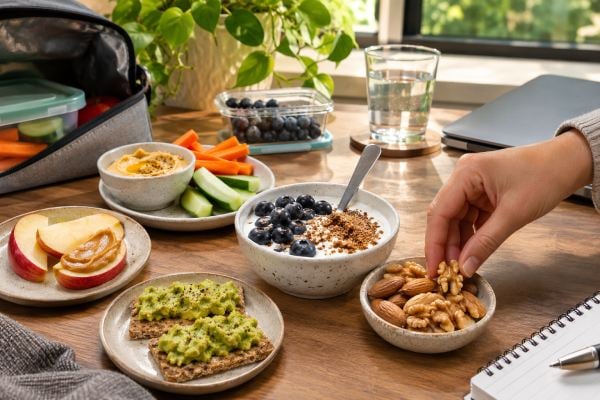
Heart-healthy snacks can support better cholesterol and triglyceride levels when they replace foods high in saturated fat, refined starch, added sugar, or excess sodium. The most useful choices usually combine fiber with unsaturated fat or plant protein: fruit with nuts, vegetables with hummus, plain yogurt with berries, oats, edamame, roasted chickpeas, or whole-grain foods with nut butter. Snacks do not have to be “low fat”; they need to use the right kinds of fat and fit your overall energy needs.
Snacking is not required for heart health. If three balanced meals keep you comfortable, there is no reason to add food between them. The value comes from what a snack replaces and whether it prevents less helpful choices later. Unsalted nuts instead of chips can improve the diet’s fat profile. An apple with peanut butter instead of a pastry adds fiber while reducing refined carbohydrate. For high triglycerides, replacing sugary drinks, candy, and oversized refined-carbohydrate snacks is especially important. Think of snacks as small opportunities to reinforce the same food pattern you want at meals.
Table of Contents
- What Makes a Snack Heart Healthy
- Best Snacks for Lowering LDL
- Best Snacks for High Triglycerides
- Snacks to Limit or Rethink
- Portion Size and Label Reading
- Quick Snack Ideas for Home, Work, and Travel
- How to Build a Snack Routine That Helps
What Makes a Snack Heart Healthy
For blood lipids, a snack is most helpful when it does at least one of three things: adds soluble or viscous fiber, replaces saturated fat with unsaturated fat, or replaces refined carbohydrate and added sugar with a more filling whole-food option.
A simple snack formula is:
fiber-rich food + protein or unsaturated fat
That formula is not a rigid rule. A piece of fruit can be enough when you want something small, and a larger snack may make sense when meals are many hours apart. The point is to avoid the common pattern of highly refined carbohydrate eaten alone, which is easy to consume quickly and often does not keep hunger away for long.
Examples include an apple with peanut butter, berries with plain yogurt, carrots with hummus, or oats with chia. This pairing improves satiety and usually creates a slower, more balanced eating experience than crackers, cookies, or sweetened drinks alone.
LDL cholesterol and triglycerides respond to somewhat different dietary levers. LDL is strongly influenced by saturated-fat intake, soluble fiber, genetics, body weight, and cholesterol-lowering treatment when needed. Triglycerides often rise with excess calories, alcohol, added sugars, refined carbohydrates, poorly controlled diabetes, and excess weight. A snack that works well for one goal can still work for the other, but the emphasis changes.
For an overview of lipid numbers, see LDL, HDL, and triglycerides explained.
Best Snacks for Lowering LDL
The strongest snack choices for LDL combine foods with known cholesterol-lowering properties and good replacement value.
Nuts
Nuts are one of the most practical options. Randomized-trial meta-analyses show that regular nut intake can modestly reduce total cholesterol, LDL cholesterol, triglycerides, and apolipoprotein B. The benefit is not because one nut is magical; nuts provide unsaturated fats, fiber, plant protein, phytosterols, and minerals, and they often replace less favorable snack foods.
A typical snack portion is about 1 ounce, or 28 g, roughly a small handful. Choose unsalted or lightly salted varieties when blood pressure is also a concern. Walnuts, almonds, pistachios, peanuts, cashews, hazelnuts, and pecans can all fit. For practical comparisons, see the best nuts for heart health and sensible portions.
Fruit plus nuts or nut butter
Whole fruit adds fiber and replaces desserts or refined snack foods well. Apples, pears, oranges, berries, and other fruits can pair with a tablespoon of natural peanut or almond butter or a small handful of nuts.
The combination matters. Fruit alone is perfectly healthy, but pairing it with nuts can make it more satisfying and shifts the snack toward unsaturated fat and protein. Choose nut butters with little or no added sugar and modest sodium.
Whole fruit is usually a better snack than fruit juice for lipid and appetite goals because it retains its fiber and takes longer to consume. Juice can fit in small amounts, but it is easy to drink the carbohydrate from several pieces of fruit without the same fullness. This distinction matters even more when triglycerides are high.
Oats and oat-based snacks
Oats contain beta-glucan, a viscous soluble fiber that helps lower LDL. A small bowl of oatmeal can be a snack, not just breakfast. Use plain oats and add berries, cinnamon, chia, or a few nuts rather than relying on sweetened instant packets.
Overnight oats in a small container are useful for work. Mix oats with plain yogurt or unsweetened soy milk and refrigerate. Keep the portion snack-sized if you plan to eat a full meal later.
Hummus with vegetables
Hummus is made primarily from chickpeas and tahini, so it combines legume fiber and plant protein with unsaturated sesame fat. Pair a few tablespoons with bell pepper strips, carrots, cucumber, or cherry tomatoes.
Legume interventions in randomized trials have shown modest LDL reductions. The effect is more meaningful when beans, lentils, chickpeas, and peas appear repeatedly across the diet rather than only as an occasional spoonful of dip.
Roasted chickpeas or edamame
These are portable alternatives to chips. Choose lower-sodium versions or season them at home with paprika, cumin, garlic, or chili. They provide more protein and fiber than most refined snack crackers.
Psyllium-containing foods
Psyllium is a viscous soluble fiber with strong evidence for lowering LDL. It is most often used as a supplement rather than a snack ingredient, but some high-fiber cereals and foods include it. If you use a psyllium supplement, follow label directions, take it with adequate fluid, and separate it from certain medicines when advised because fiber can affect drug absorption. Psyllium for lowering LDL cholesterol explains dosing and safety in more detail.
Best Snacks for High Triglycerides
For high triglycerides, the most important snack change is often reducing added sugars, refined starches, alcohol, and excess calories. The goal is not to eliminate carbohydrate; it is to choose higher-fiber foods in sensible portions and avoid liquid sugar and repeated sweets.
Useful options include:
- Plain Greek yogurt with berries.
- A small apple or pear with nuts.
- Vegetables with hummus.
- Edamame.
- A hard-boiled egg with fruit or vegetables.
- Plain oatmeal with cinnamon and chia.
- Air-popped popcorn with minimal salt and no butter-heavy coating.
- Cottage cheese with tomato or fruit if you choose a lower-sodium version and saturated fat fits your diet.
Sweetened coffee drinks, soda, juice drinks, candy, pastries, and large portions of sweetened granola can deliver a lot of rapidly absorbed carbohydrate without much satiety. Replacing those foods often has more impact on triglycerides than finding a specialty “triglyceride-lowering” snack.
Timing can matter indirectly. Late-night snacking is not automatically harmful, but people often choose larger portions of sweets, chips, and alcohol at night rather than fruit, yogurt, or vegetables. If evening eating is pushing total calories upward, plan a defined snack portion or make dinner more filling instead of grazing from packages until bedtime.
Alcohol deserves special attention because it can raise triglycerides substantially in susceptible people. If triglycerides are very high, clinicians may recommend avoiding alcohol completely until levels are controlled. For a broader strategy, see diet changes that help lower triglycerides.
If you have diabetes, blood-sugar control is also central. A snack with protein, fiber, and a moderate amount of carbohydrate may be more useful than a large fruit-only smoothie or several servings of dried fruit. Medication timing and hypoglycemia risk can change snack needs, so follow your diabetes care plan.
Snacks to Limit or Rethink
A snack does not become heart healthy because the package says “natural,” “protein,” “keto,” or “gluten-free.” Check what the food is actually made from.
Pastries, cookies, and bakery snacks
These often combine refined flour, added sugar, and saturated fat from butter, shortening, palm oil, or coconut oil. That combination is unfavorable for both LDL and triglyceride goals when eaten frequently.
Chips and many crackers
Some chips are cooked in unsaturated oils, so the fat itself may not be the main problem. The issue is that they are easy to overeat, often high in sodium, and provide little protein or fiber. Portioning a small amount alongside hummus or beans is different from eating directly from a large bag.
Processed meat snacks
Jerky, salami sticks, bacon-based snacks, and similar products can be high in sodium and saturated fat. Lean, lower-sodium jerky may be better than some alternatives but is still a processed meat and does not need to be a daily staple.
Sweetened yogurt
Yogurt can be a useful protein-rich snack, but flavored versions may contain a large amount of added sugar. Plain yogurt with fresh or frozen fruit lets you control sweetness. If LDL is high, low-fat or nonfat yogurt can reduce saturated fat while preserving protein and calcium.
“Healthy” bars
Bars vary from mostly nuts and seeds to candy-like products with syrups, chocolate coatings, coconut oil, and refined starch. Compare added sugar, saturated fat, fiber, protein, and sodium. A short ingredient list is not automatically better, but it makes it easier to see whether the bar is mainly whole foods.
Dried fruit in large portions
Dried fruit is nutritious, but removing water concentrates carbohydrate and calories. A small portion paired with nuts can work well for travel. Eating several handfuls can provide much more sugar than you intended, especially when triglycerides or blood glucose are high.
Portion Size and Label Reading
Heart-healthy foods still contain calories, and portions matter when weight or triglycerides are part of the goal. Nuts are a classic example: one ounce is a useful serving, while several large handfuls can turn a 170-calorie snack into 500 calories without much notice.
You do not need to weigh food forever. Measure a few times until you recognize what a practical portion looks like.
Useful starting portions include:
| Food | Practical snack portion |
|---|---|
| Nuts | About 1 ounce / 28 g |
| Nut butter | 1 tablespoon |
| Hummus | 2–4 tablespoons |
| Plain yogurt | About 3/4–1 cup |
| Fruit | 1 medium piece or about 1 cup berries |
| Oatmeal | About 1/3–1/2 cup dry oats before cooking |
| Roasted chickpeas | About 1/2 cup |
| Air-popped popcorn | About 3 cups |
When reading labels, focus on the nutrients that match your goal. For LDL, compare saturated fat and fiber. For triglycerides, pay close attention to added sugars, portion size, and total calories. If blood pressure is also high, compare sodium.
Ingredients can provide context too. A bar made mostly from nuts, seeds, and oats may have more total fat than a low-fat cookie but a much better fatty-acid profile. Likewise, a “cholesterol-free” product can still be high in saturated fat. Dietary cholesterol on a label is not the same thing as LDL cholesterol in your bloodstream.
Do not assume “0 g trans fat” tells the whole story. Check the ingredient list for partially hydrogenated oils, although they are now uncommon in many food supplies. More importantly, look at the overall snack rather than chasing a perfect label: a piece of fruit and a handful of nuts may not need a label at all.
Quick Snack Ideas for Home, Work, and Travel
Convenience determines whether a good plan survives a busy day. Keep options where you actually need them.
At home
- Apple slices with peanut or almond butter.
- Plain yogurt, berries, and a tablespoon of chia.
- Carrots, cucumber, and hummus.
- Small bowl of oatmeal with walnuts.
- Edamame with pepper, garlic, or chili flakes.
- Whole-grain toast with avocado and tomato.
At work
- Pre-portioned unsalted nuts plus a piece of fruit.
- Small container of overnight oats.
- Plain yogurt kept in a refrigerator.
- Roasted chickpeas.
- Whole-grain crispbread with natural nut butter.
- Bell pepper strips with hummus.
For travel
- Single-serving nut packs without heavy salt or sugar coatings.
- Apple, orange, or pear.
- A simple nut-and-seed bar with low added sugar and saturated fat.
- Roasted edamame or chickpeas.
- A small homemade trail mix of nuts and a modest amount of dried fruit.
For travel days, shelf-stable foods are practical, but sodium can creep up through packaged products. Balance a salty airport or restaurant meal with lower-sodium snacks rather than trying to make every individual item perfect.
Food safety matters too. Yogurt, hummus, eggs, cut fruit, and other perishable foods should be kept cold. Use an insulated lunch bag with an ice pack when refrigeration is not available.
How to Build a Snack Routine That Helps
Start by identifying the snack that is currently doing the most damage. Maybe it is a 3 p.m. pastry, evening chips, a sugary coffee drink, or grazing on sweets after dinner. Replace that one pattern before overhauling everything.
A useful sequence is:
- Decide whether you are actually hungry. Boredom, habit, thirst, and stress can feel like a snack cue.
- Choose a fiber-rich base. Fruit, vegetables, oats, legumes, or whole grains.
- Add protein or unsaturated fat if needed. Yogurt, nuts, seeds, hummus, edamame, or nut butter.
- Portion it before eating. Especially for nuts, crackers, popcorn, or trail mix.
- Keep the routine repeatable. A snack you can prepare in two minutes is more useful than an elaborate recipe you rarely make.
If you consistently become ravenous between meals, look at the meals too. A lunch of refined crackers and a sweet drink will not keep most people full for long. A meal with vegetables, beans or another protein, whole grains, and unsaturated fat is more likely to carry you through the afternoon.
Also consider your schedule. Someone who eats breakfast at 7 a.m. and lunch at noon may not need a morning snack, while a person who cannot eat dinner until 9 p.m. may benefit from a planned afternoon option. Planned hunger management is different from constant grazing, and it can make portions at the next meal easier to manage.
Snacks can also be unnecessary calories when eaten automatically despite adequate meals. If you are not hungry, skipping the snack is fine. Heart health does not depend on eating every two or three hours.
If LDL remains high despite strong dietary habits, do not assume you have failed. Genetics can produce high LDL even with an excellent diet, and medication may be appropriate based on overall cardiovascular risk. Lifestyle approaches to lower cholesterol can help clarify what diet, weight, and exercise can realistically achieve.
The best snack strategy is not a collection of “superfoods.” It is a replacement strategy: fewer foods rich in saturated fat, added sugar, refined starch, and excess sodium; more whole foods that bring fiber, unsaturated fat, and plant protein. Repeated across weeks and months, those small decisions contribute to a much stronger overall lipid-lowering pattern.
References
- Effect of Non-Soy Legumes on Lipid Profile: A Systematic Review and Meta-analysis of Randomized Controlled Trials 2026 (Systematic Review)
- Effect of nut consumption on blood lipids: An updated systematic review and meta-analysis of randomized controlled trials 2025 (Systematic Review)
- Legume intakes on cardiometabolic profile and gut microbiome function: systematic review and meta-analyses of randomised controlled trials 2024 (Systematic Review)
- Plantago consumption significantly reduces total cholesterol and low-density lipoprotein cholesterol in adults: A systematic review and meta-analysis 2024 (Systematic Review)
- Nuts and seeds consumption and risk of cardiovascular disease, type 2 diabetes and their risk factors: a systematic review and meta-analysis 2023 (Systematic Review)
- Soluble Fiber Supplementation and Serum Lipid Profile: A Systematic Review and Dose-Response Meta-Analysis of Randomized Controlled Trials 2023 (Systematic Review)
Disclaimer
This article provides general nutrition education and is not individualized medical advice. People with diabetes, kidney disease, severe hypertriglyceridemia, food allergies, or other medical conditions may need different snack choices or portions. Do not stop prescribed cholesterol- or triglyceride-lowering treatment without guidance from your healthcare professional.