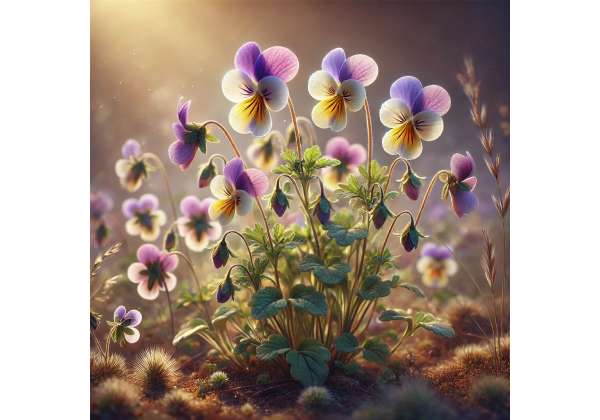
Heartsease, botanically known as Viola tricolor, is a small flowering herb recognized for its delicate purple, yellow, and white blossoms. Though often admired as a wild pansy in gardens and meadows, heartsease has a long history in traditional European herbal medicine. Herbalists valued the aerial parts—especially the flowering tops—for supporting skin health, easing mild respiratory irritation, and gently aiding the body’s natural detoxification pathways.
Modern phytotherapy continues to explore the plant’s properties, which stem largely from its flavonoids, saponins, mucilage, and phenolic compounds. These components are thought to provide mild anti-inflammatory, expectorant, and soothing effects, making heartsease useful in teas, extracts, and topical preparations.
In traditional practice, heartsease was frequently used to help with eczema, acne, mild coughs, and digestive sluggishness. While modern research is still developing, the herb’s long-standing use and gentle nature have helped maintain its place in contemporary herbal traditions. Understanding how heartsease works, how to use it responsibly, and what precautions to consider can help readers decide whether this classic botanical fits into their wellness routine.
Key Insights
- Traditionally used to support skin health and help soothe mild inflammatory conditions such as eczema and acne.
- Often used in herbal teas to ease mild coughs and support gentle respiratory comfort.
- A typical infusion uses about 1 to 2 g of dried herb per cup of hot water, taken up to 3 times daily.
- Avoid use during pregnancy, breastfeeding, or in children without professional medical guidance.
Table of Contents
- What is heartsease
- Key ingredients and active compounds
- Heartsease health benefits
- Traditional and modern uses
- How to use heartsease
- How much heartsease per day
- Side effects and who should avoid it
- What the research says
What is heartsease
Heartsease (Viola tricolor) is a low-growing flowering plant native to Europe and parts of western Asia. It belongs to the Violaceae family and is commonly referred to as wild pansy. Historically, the plant has been associated with both ornamental and medicinal uses. Herbal traditions often focused on the aerial parts—leaves, stems, and flowers—which were collected during the blooming season and dried for later use.
In folklore and historical herbals, heartsease was frequently mentioned as a remedy for skin eruptions and respiratory discomfort. Early European herbalists believed the plant could “clear the blood,” a phrase used historically to describe herbs thought to support the body’s natural detoxification processes. Although the phrase is outdated from a medical standpoint, it reflects the herb’s traditional association with improving skin appearance and easing inflammatory conditions.
Botanically, the plant typically grows between 10 and 30 centimeters tall and thrives in grasslands, meadows, and disturbed soils. The flowers are distinctive, often displaying a combination of violet, yellow, and white petals. These vibrant blossoms contributed to the plant’s symbolic association with emotional calm and “heart’s ease,” which is how the common name originated.
Heartsease also occupies an interesting place in the evolution of modern herbalism. While many herbs have lost their popularity as pharmaceutical medicine advanced, Viola tricolor retained attention among herbal practitioners for its gentle, supportive qualities. The herb is not usually considered a powerful or fast-acting treatment; instead, it is valued for gradual supportive effects, especially in skin and respiratory wellness formulas.
Today, heartsease appears in herbal teas, tinctures, and skin-support supplements. It is also occasionally used alongside other traditional herbs such as burdock root for skin and detox support in herbal blends intended for long-term wellness.
Despite its long history, heartsease is not a miracle herb. It works best as part of a broader lifestyle approach that includes balanced nutrition, hydration, and proper medical care when needed.
Key ingredients and active compounds
The therapeutic potential of heartsease largely comes from its diverse profile of plant compounds. These natural constituents interact in complex ways to produce the herb’s mild anti-inflammatory, soothing, and expectorant properties.
Among the most studied groups of compounds in Viola tricolor are flavonoids. Flavonoids are plant pigments known for their antioxidant activity and their ability to influence inflammatory pathways. In heartsease, these compounds help explain why the herb has traditionally been used for irritated skin and mild respiratory discomfort.
Another important group of constituents includes saponins. These compounds are known for their mild expectorant action, meaning they may help thin mucus and support the body’s natural clearance of respiratory secretions. This property is one reason heartsease has been used in herbal teas aimed at easing coughs and throat irritation.
Heartsease also contains mucilage—plant polysaccharides that form a soothing gel-like texture when mixed with water. Mucilage can coat irritated tissues, particularly in the throat and digestive tract, providing a calming effect. Similar soothing actions are seen in herbs such as marshmallow root for mucilage-based digestive comfort.
Other notable compounds include:
- Phenolic acids, which contribute antioxidant effects
- Salicylic acid derivatives, which may provide mild anti-inflammatory activity
- Tannins, which have gentle astringent properties
- Carotenoids, plant pigments that support antioxidant activity
Together, these compounds give heartsease a multi-layered pharmacological profile. Rather than acting through a single mechanism, the herb works through a combination of antioxidant, anti-inflammatory, and soothing actions.
This synergy is common in herbal medicine. Whole plant preparations often provide broader support than isolated compounds because multiple constituents interact to influence the body’s biological pathways.
However, it is important to note that the concentration of these compounds varies depending on growing conditions, harvest timing, and preparation methods. Extracts, teas, and tinctures can all differ significantly in potency. As a result, standardized products may provide more predictable outcomes than homemade preparations.
Understanding these compounds helps explain why heartsease has been valued for centuries as a gentle but versatile herbal ally.
Heartsease health benefits
Heartsease is primarily known for its supportive role in skin health and mild respiratory conditions. While it is not a strong pharmaceutical treatment, its gentle nature makes it a useful complementary herb in certain wellness practices.
One of the most recognized traditional benefits of heartsease is its potential support for skin conditions. Herbalists have historically used it for eczema, acne, and minor inflammatory skin eruptions. The plant’s flavonoids and salicylic acid derivatives may help reduce inflammation and support the body’s natural skin-repair processes.
Skin support is often approached holistically in herbal medicine. Herbs like heartsease are believed to support internal balance that reflects outwardly through the skin. Because of this philosophy, heartsease is often paired with herbs such as dandelion for gentle detox and liver support in traditional formulas.
Another commonly cited benefit involves respiratory health. The saponins and mucilage found in heartsease may help soothe irritated airways and support mucus clearance. This makes the herb a mild expectorant, sometimes used in herbal teas for coughs or throat irritation.
Digestive support is another potential area of use. Some herbal traditions suggest heartsease may help stimulate mild digestive function and support natural elimination processes. While the effects are generally subtle, the herb’s gentle action can complement a balanced diet and adequate hydration.
Additional potential benefits sometimes discussed include:
- Support for mild inflammatory conditions
- Antioxidant protection against oxidative stress
- Assistance with seasonal skin flare-ups
- Gentle diuretic action that may support fluid balance
Despite these promising qualities, it is important to emphasize that many of heartsease’s benefits are supported primarily by traditional use and preliminary research rather than large clinical trials. This does not mean the herb is ineffective; rather, it highlights the importance of viewing herbal medicine as supportive rather than curative.
For individuals interested in botanical wellness, heartsease can serve as a mild, versatile herb that complements other lifestyle approaches to maintaining skin and respiratory comfort.
Traditional and modern uses
Heartsease has been used in European herbal medicine for centuries, appearing in traditional herbals dating back to the Middle Ages. Historically, it was considered a remedy for “impurities of the blood,” a phrase used in earlier medical traditions to describe conditions such as skin eruptions, boils, and rashes.
In traditional practice, heartsease was often prepared as an herbal tea or decoction. These preparations were consumed regularly over several weeks to support gradual improvements in skin conditions. Herbalists believed that the plant helped restore internal balance, which would then manifest as clearer skin.
Another historical use involved respiratory complaints. Heartsease tea was sometimes recommended for coughs, bronchial irritation, and mild chest congestion. The herb’s mild expectorant properties made it a suitable addition to respiratory formulas alongside herbs like thyme for respiratory support.
In modern herbal practice, heartsease continues to appear in herbal blends designed for:
- Skin support formulas
- Seasonal allergy support
- Respiratory comfort teas
- Gentle detox and cleansing blends
Topical preparations have also gained popularity. Extracts of heartsease may appear in creams or lotions intended to soothe irritated skin or reduce redness. These products rely on the plant’s anti-inflammatory and antioxidant compounds.
The herb is also sometimes incorporated into herbal combinations with other botanicals traditionally associated with skin health, including burdock, nettle, and dandelion. Such combinations aim to support multiple body systems simultaneously.
However, modern herbalists emphasize that heartsease should not replace medical treatment for chronic or severe conditions. Instead, it is best viewed as a complementary herb that supports the body’s natural regulatory processes.
In contemporary wellness culture, the plant’s reputation has also expanded beyond its medicinal uses. Heartsease is often appreciated for its symbolic associations with emotional calm and well-being, reflecting the historical meaning of its name.
How to use heartsease
Heartsease can be used in several forms, each offering slightly different benefits depending on the intended application. The most common preparations include teas, tinctures, capsules, and topical extracts.
Herbal tea is one of the simplest and most traditional ways to use the plant. To prepare heartsease tea:
- Measure about 1 to 2 grams of dried herb.
- Pour 200 to 250 milliliters of hot water over the herb.
- Allow it to steep for about 10 minutes.
- Strain and drink while warm.
This infusion may be consumed up to three times per day in traditional herbal practice. Because the herb is relatively mild, it is often combined with complementary botanicals to enhance its effects.
Tinctures offer another convenient option. These alcohol-based extracts concentrate the herb’s active compounds and allow for smaller dosing volumes. The exact dosage depends on the preparation, but many tinctures are taken in small measured drops diluted in water.
Capsules and standardized extracts provide a more modern approach. These products can offer consistent dosing and may be preferred by individuals who do not enjoy herbal teas.
Topical use is also possible. Heartsease extracts sometimes appear in herbal skincare products designed to calm irritated or inflamed skin. Creams, lotions, and herbal compresses are common forms.
Regardless of the preparation chosen, quality matters. Selecting reputable herbal products helps ensure purity, proper identification of the plant species, and appropriate manufacturing practices.
How much heartsease per day
Dosage recommendations for heartsease vary depending on the form of the herb and the intended purpose. Because the plant is generally considered mild, traditional herbalists often recommend moderate, consistent use rather than large single doses.
For dried herb used in tea, a typical range is:
- 1 to 2 grams of dried herb per cup
- Up to 3 cups per day
For powdered herb or capsules, daily intake may range between 2 and 4 grams of dried plant material. This amount is usually divided into two or three doses throughout the day.
Tincture preparations vary widely depending on extraction strength. A common guideline is:
- 2 to 4 milliliters of tincture, taken up to three times daily
Duration of use also matters. Heartsease is often taken for several weeks when used for skin support or seasonal concerns. Because herbal effects tend to be gradual, consistent use over time is typically recommended.
However, more is not always better. Excessive intake of any herb can increase the likelihood of side effects. Following product instructions and consulting a healthcare professional when necessary helps ensure safe use.
People who are new to herbal supplements may benefit from starting with a lower dose to evaluate tolerance. If no adverse effects occur, the dosage can be gradually adjusted within recommended ranges.
Side effects and who should avoid it
Heartsease is generally considered safe when used in moderate amounts, especially as a traditional herbal tea. Nevertheless, like any medicinal plant, it can produce side effects or interact with certain medical conditions.
Possible side effects are usually mild but may include:
- Digestive upset
- Nausea
- Headache
- Allergic skin reactions in sensitive individuals
Because the herb contains salicylic acid derivatives, people who are sensitive to salicylates or aspirin should exercise caution. In rare cases, individuals may experience irritation or allergic responses.
Certain groups should avoid heartsease unless advised by a healthcare professional:
- Pregnant or breastfeeding individuals
- Children without medical supervision
- People with salicylate sensitivity
- Individuals taking medications that interact with anti-inflammatory compounds
Another precaution involves underlying medical conditions. Individuals with chronic illness, especially inflammatory disorders or autoimmune conditions, should consult a qualified healthcare provider before starting herbal supplements.
It is also important to remember that herbal products vary widely in quality and concentration. Using reputable products and following dosage recommendations significantly reduces the risk of unwanted effects.
When used responsibly, heartsease remains a gentle herbal option. However, it should always complement—not replace—professional medical care for serious health conditions.
What the research says
Scientific research on heartsease is still evolving. Much of the herb’s reputation is based on centuries of traditional use, supported by preliminary laboratory and pharmacological studies.
Modern research has focused primarily on the plant’s anti-inflammatory, antioxidant, and antimicrobial properties. Laboratory studies suggest that flavonoids and phenolic compounds found in Viola tricolor can influence inflammatory signaling pathways and help neutralize oxidative stress.
These findings help explain why the herb has historically been used for skin conditions. Inflammation and oxidative stress are known contributors to many dermatological issues, including eczema and acne. Although human clinical trials remain limited, early results suggest that the plant’s bioactive compounds may play a supportive role in skin health.
Respiratory research has also explored the expectorant properties of saponins found in heartsease. These compounds may help loosen mucus in the respiratory tract, supporting the body’s natural ability to clear irritants.
Despite these promising findings, researchers emphasize that more rigorous clinical trials are needed. Many existing studies involve laboratory models or small sample sizes, making it difficult to draw definitive conclusions about therapeutic effectiveness in humans.
Nevertheless, the combination of traditional knowledge and emerging scientific evidence continues to attract interest in this herb. Researchers are increasingly examining the pharmacological potential of Viola tricolor and its compounds.
For now, heartsease remains best categorized as a supportive herbal remedy with a long history of safe use rather than a clinically validated pharmaceutical treatment.
References
- Viola tricolor L.: Phytochemistry, Traditional Uses, and Biological Activities 2020 (Review)
- Traditional Uses, Phytochemistry, Pharmacology and Toxicology of Viola tricolor 2018 (Review)
- Anti-inflammatory and antioxidant potential of Viola species: A review 2021 (Review)
- Medicinal Plants and Dermatological Applications 2023 (Review)
Disclaimer
The information in this article is provided for educational purposes only and is not intended as medical advice. Herbal remedies, including heartsease, can affect individuals differently and may interact with medications or existing health conditions. Always consult a qualified healthcare professional before using herbal supplements, especially if you are pregnant, breastfeeding, taking medication, or managing a chronic medical condition.
If you found this article helpful, consider sharing it on Facebook, X (formerly Twitter), or your favorite social platform to help others learn about herbal wellness.