Henna, or Lawsonia inermis, is one of the few herbs that sits comfortably between beauty, culture, and medicine. Most people know it as the plant behind reddish-brown hair color and body art, yet traditional systems have also used henna leaves, flowers, bark, and seeds for skin irritation, minor wounds, itching, heat-related discomfort, and inflammatory complaints. Its best-known natural pigment, lawsone, helps explain both its cosmetic value and some of its biological activity. Modern research suggests henna contains antioxidant, antimicrobial, anti-inflammatory, and wound-supportive compounds, especially in its leaves. Even so, henna is not a simple “natural equals safe” plant. Pure henna and so-called black henna are very different products, and internal use is much less established than topical use. That distinction matters. For most readers, henna is most useful as a topical botanical with cultural importance, cosmetic benefits, and a growing but still limited evidence base for skin-related applications. It deserves interest, but also careful use, realistic expectations, and a clear understanding of safety.
Key Insights
- Henna may help calm itching, irritation, and mild inflammatory skin symptoms when used topically in well-made formulations.
- Lawsone, tannins, flavonoids, and phenolic compounds contribute to henna’s coloring, astringent, antioxidant, and antimicrobial actions.
- Small clinical studies have used 1% topical henna ointment once daily for up to 4 weeks or nightly topical use for 2 weeks.
- Avoid internal use in pregnancy, in infants, and in people with G6PD deficiency or significant liver concerns.
- Black henna is not the same as pure henna and carries a much higher risk of severe skin reactions.
Table of Contents
- What is henna and why use it
- Key compounds in henna
- What can henna help with
- How henna is used
- How much henna to use
- Safety, black henna, and avoidance
- What the evidence actually shows
What is henna and why use it
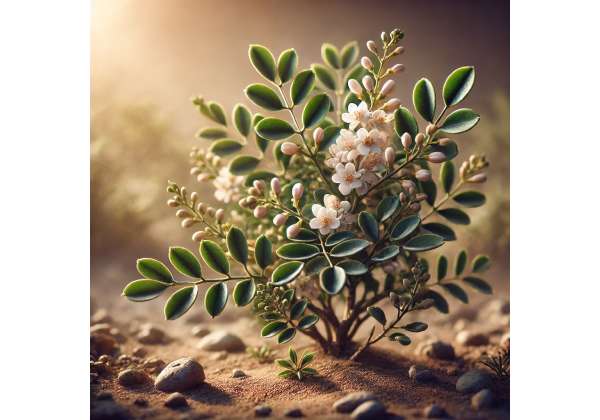
Henna is a flowering shrub native to hot, dry regions of North Africa, the Middle East, and South Asia. Its leaves are dried and ground into the powder most people recognize. When mixed into a paste, that powder releases a red-orange pigment that binds to keratin in skin, hair, and nails. That simple fact explains why henna has stayed relevant for centuries. It is decorative, functional, and plant-based all at once.
But henna is more than a natural dye. Traditional medicine has treated it as a cooling, astringent, and skin-supportive herb. In older texts and folk practice, henna was applied to sore or inflamed areas, minor wounds, fungal-type skin complaints, scalp problems, and hot or irritated skin. Some traditions also used it for headache, sleep-related restlessness, feverish discomfort, and joint or nerve pain. Those historical uses do not prove modern medical value, but they do suggest that people repeatedly noticed topical effects worth preserving.
Modern readers often come to henna with one of three questions. First, is it actually medicinal, or only cosmetic? Second, what are the real benefits beyond coloring hair? Third, is it safe? The best answer is that henna has genuine pharmacologic interest, especially for topical skin use, but its safest and most evidence-aligned role is still external rather than internal. That matters because the word “henna” is used loosely. Pure henna leaf powder is one thing. Commercial blends, fast-darkening cones, and black henna products are something else entirely.
Henna also occupies an unusual space because its strongest everyday use is not disease treatment. It is a cultural cosmetic with plausible therapeutic overlap. That means some of its most reliable benefits are practical rather than dramatic. It can color hair while coating the shaft. It can decorate skin while offering a mild astringent effect. It can be used in topical preparations that may ease irritation, itching, or minor inflammatory discomfort. That combination helps explain why henna has never belonged to only one category.
For readers looking for a gentler aromatic herb used mainly for calming and sensory comfort, lavender is usually the simpler choice. Henna is more specialized. It is best understood as a traditional cosmetic-medicinal plant with real topical promise, a clear active chemistry, and a safety profile that depends heavily on the form used. That last point shapes everything else in the article.
Key compounds in henna
The chemistry of henna is one reason it has remained scientifically interesting. Its best-known active compound is lawsone, also called 2-hydroxy-1,4-naphthoquinone. Lawsone is the pigment that stains hair, nails, and skin, and it is widely treated as the plant’s signature molecule. Reviews describe it as a major driver of henna’s coloring action and a contributor to its antioxidant, antimicrobial, and anti-inflammatory potential. In leaf material, lawsone is often reported in roughly the 0.5% to 1.5% range, although that can vary by cultivation conditions, processing, and plant part.
Lawsone is important, but henna is not a one-compound herb. Its leaves also contain tannins, flavonoids, coumarins, triterpenoids, xanthones, sterols, and phenolic acids. That wider chemical pattern helps explain why henna has been associated with several overlapping topical effects instead of one narrow action. Tannins contribute an astringent feel and may help explain why henna is often described as tightening, drying, or soothing on irritated surfaces. Flavonoids and phenolic compounds support the antioxidant side of the plant’s profile. Coumarins and quinone-related molecules add to the broader pharmacologic complexity.
In practical terms, henna’s main actions appear to cluster into five themes:
- dyeing and keratin binding,
- astringent surface action,
- antioxidant activity,
- antimicrobial activity,
- anti-inflammatory and wound-supportive effects.
That combination is what makes henna unique. A plant can color tissue, reduce moisture at the surface, influence microbial growth, and still behave as a soothing topical when formulated well. Few botanicals are used so comfortably in both beauty rituals and medicinal settings.
There is also a useful distinction between the whole leaf and isolated lawsone. Whole henna preparations may behave differently from a purified lawsone-based model because other plant constituents can soften, amplify, or redirect the effect. A whole-leaf preparation may feel more balanced on the skin than a single active molecule might suggest. This is one reason traditional topical use often favors the leaf as a paste, oil, or ointment rather than a purified extract.
At the same time, chemistry is also where safety begins. The same naphthoquinone family that gives henna biological value is one reason vulnerable people, especially those with G6PD deficiency, need extra caution. In other words, the active chemistry that makes henna interesting is also the chemistry that prevents it from being treated as completely risk-free. That is a recurring theme with herbal medicine, and henna is a strong example of it.
What can henna help with
Henna’s most realistic benefits are topical. That is the clearest place where traditional use, experimental findings, and limited clinical research overlap. If you want a grounded answer rather than a promotional one, henna appears most promising for mild wound support, itch relief, contact-type irritation, and certain inflammatory skin complaints. It may also be useful as a supportive scalp and hair-care botanical, though that is more cosmetic than medical in most cases.
Small human studies suggest topical henna preparations may improve symptoms such as itching, burning, edema, sweating, and discomfort in certain skin conditions. That does not make henna a first-line treatment for chronic dermatitis or severe wounds, but it does support the idea that its traditional anti-inflammatory and skin-enhancing reputation is not imaginary. In epidermolysis bullosa research, a 1% henna ointment showed encouraging effects on itching and local skin symptoms. In contact dermatitis related to prosthetic use, a topical henna preparation improved several symptom measures over placebo. Those are meaningful signals, even if the studies are small and not broad enough to justify sweeping claims.
Henna also has a plausible role in minor wound and burn support. Animal and formulation studies suggest that henna-containing topical preparations may help reduce inflammation and support re-epithelialization. That is especially relevant because the plant’s astringent, antioxidant, and antimicrobial properties all point in the same general direction: a cleaner, calmer wound surface and a more favorable healing environment.
Hair and scalp use belongs in a separate category. Henna is widely used to coat and color hair, and many users find that it adds body, shine, and a firmer feel to the shaft. Some traditional practices also use it for dandruff-like complaints and irritated scalp. These benefits are believable, but they should not be confused with strong evidence for hair regrowth or treatment of medical hair-loss disorders. Henna can improve the condition and appearance of hair, but it is not a proven cure for alopecia.
There is also lab evidence for antifungal, antibacterial, and antioxidant activity. That helps explain why henna keeps resurfacing in research on skin, scalp, and wound care. But lab activity is only part of the picture. What matters to a reader is whether the plant produces a useful effect in the body at a realistic dose and with acceptable safety. For henna, the most honest answer is yes for some topical uses, maybe for a few others, and not established for internal wellness claims.
If your main interest is skin soothing from a gentler, more standardized herbal route, calendula is often easier to justify. Henna can help, but its strongest benefits remain niche, topical, and context-dependent rather than broad and universal.
How henna is used
Henna is used in three main ways: as a hair colorant, as a decorative skin stain, and as a topical botanical in skin-supportive preparations. Those uses overlap, but they are not the same. A person applying henna for hair color is not necessarily using it medicinally, and someone using a henna ointment for itching is not using it the same way as a mehndi artist. Understanding the form is essential.
For hair, henna powder is typically mixed into a paste and applied externally. It binds to the outer hair shaft, creating a reddish or copper tone while also making the hair feel thicker and more coated. This is one of henna’s clearest practical benefits. Unlike many synthetic dyes, pure henna does not rely on ammonia or bleach to deposit color. That said, people often confuse pure henna with mixed “herbal hair colors” or with darker products that include other botanicals, metallic salts, or chemical dye ingredients. Those products should not be assumed to share the same safety or performance profile.
For skin decoration, traditional henna paste is applied briefly and leaves a temporary stain. In many cultures this is an art form tied to celebration, ceremony, and identity. From a medicinal perspective, however, decorative use is not automatically therapeutic. It becomes a health question only when the product is impure, the skin is damaged, or the person is prone to allergy. This is where black henna becomes a separate issue altogether.
For topical herbal use, henna may appear in oils, ointments, gels, washes, or pastes aimed at itching, mild dermatitis, skin discomfort, or wound support. This is the form most relevant to medicinal discussion. Clinical studies have used specifically formulated topical products rather than casual household mixtures, which is an important detail. Research outcomes cannot simply be copied by stirring random powder into water at home.
A practical home-use framework looks like this:
- Choose pure henna only for hair or body art.
- Patch test before first use, especially on sensitive skin.
- Do not apply to actively infected, deeply broken, or extensively blistered skin unless guided by a clinician.
- Separate cosmetic use from therapeutic use in your expectations.
- Treat fast-darkening or chemically scented products with suspicion.
There is also a strong case for choosing simpler skin herbs when the goal is just everyday soothing. For example, aloe vera is easier to use for minor cooling and hydration, while henna makes more sense when color, astringency, and skin-supportive tradition are part of the appeal. In short, henna is most useful when used intentionally, in the right form, and for the right reason.
How much henna to use
Henna dosage depends almost entirely on form. That makes it very different from herbs that are usually taken as capsules or teas. For henna, the most defensible dosing guidance comes from topical studies, not from standardized internal use. In other words, the best question is not “How many grams per day should I take?” but “What kind of preparation was studied, how often was it applied, and for how long?”
The strongest practical data come from small clinical trials of topical formulations. In one study involving epidermolysis bullosa, researchers used a 1% henna ointment once daily for 4 weeks. In another clinical trial involving contact dermatitis in prosthetic users, participants applied topical henna nightly for 2 weeks. These are useful guideposts because they show how henna has actually been tested in humans: externally, in modest-strength preparations, for limited periods, and with follow-up.
That does not mean every homemade paste should be treated as equivalent to a 1% ointment. Formulation matters. A well-made ointment or gel has different absorption, contact time, and irritation risk than loose powder mixed in the kitchen. This is why translating study results into DIY dosing is risky.
For cosmetic use, there is still no single universal amount. Hair length, thickness, surface area, and product formulation all change how much powder or paste is needed. Product labels vary widely, and that is appropriate. Cosmetic use is guided more by coverage than by a medicinal “dose.”
The safest practical dosing principles are these:
- prefer topical use over internal use,
- use a defined commercial or clinically styled formulation when possible,
- start with a small area,
- limit initial use to short courses,
- stop if redness, blistering, increased burning, or unusual swelling develops.
Internal dosing is where the article must become more conservative. Traditional medicine has used henna internally in some settings, but there is no widely accepted, evidence-based oral dose for modern self-treatment. Because henna contains biologically active quinones and has special concerns in pregnancy and G6PD deficiency, internal use should not be improvised. For most readers, the safest oral dose is none unless a qualified practitioner has a specific reason and knows the person’s risk factors.
A helpful way to frame this is by comparing henna with simpler topicals. If you just want a mild astringent or skin-toning botanical, witch hazel is easier to standardize and easier to stop at the first sign of irritation. Henna can be useful, but it works best when its dosage is narrow, external, and deliberate rather than general and casual.
Safety, black henna, and avoidance
This is the section that deserves the most attention. Henna is often described as natural and therefore assumed to be harmless. That is not a safe assumption. Pure henna is generally less problematic than black henna, but even pure henna is not suitable for everyone or every use.
The first major distinction is pure henna versus black henna. Pure henna normally stains the skin and hair in orange-brown to reddish-brown tones. Black henna is usually darkened with para-phenylenediamine, or PPD, a chemical hair-dye ingredient that can trigger severe allergic reactions, blistering, scarring, and future sensitization to hair dyes. This is one of the most important practical facts readers need to know. Many of the worst “henna reactions” in the real world are actually reactions to adulterated products rather than to pure Lawsonia inermis leaf alone.
The second distinction is topical versus internal use. Topical henna may still cause irritation, dryness, itching, or contact allergy, but internal use introduces a very different risk profile. Reviews also note serious concerns in vulnerable groups, especially people with G6PD deficiency, where lawsone-related oxidative stress has been linked to hemolytic crises. Infants are a particularly sensitive group, and topical or internal henna exposure in known or suspected G6PD deficiency should be treated with great caution.
Pregnancy is another area where caution is warranted. Animal data and traditional miscarriage-related concerns make internal use difficult to justify during pregnancy. Even when people are mainly interested in cosmetic application, it is wise to avoid experimental internal use and to be cautious with large-area exposure if there is a history of sensitivity.
People who should avoid medicinal henna use, especially internal or repeated therapeutic use, include:
- infants and very young children,
- anyone with known or suspected G6PD deficiency,
- pregnant or breastfeeding people,
- anyone with a history of severe contact allergy,
- people with extensive open wounds or actively infected skin,
- anyone considering black henna products.
There is also a regulatory point worth knowing. In the United States, henna is approved as a hair dye color additive, not for direct application to the skin. That does not erase the long cultural history of mehndi, but it does show how modern regulators view the uncertainty around skin-use products and additives.
The practical rule is simple: use only pure henna from reputable sources, patch test first, never assume black henna is safe, and do not treat internal henna use like an ordinary herb. If your goal is a simple calming tea or low-risk internal herb, chamomile is a far easier choice. Henna is a topical botanical first and a caution-heavy herb second.
What the evidence actually shows
The evidence on henna is better than folklore alone, but it is still not as strong as many popular herb summaries imply. The clearest support lies in three areas: phytochemistry, laboratory activity, and small topical clinical studies. That is a respectable foundation, but it is not the same as broad clinical proof.
First, the chemistry is well supported. Modern reviews consistently show that Lawsonia inermis contains lawsone, tannins, flavonoids, quinones, and other bioactive compounds with plausible antioxidant, antimicrobial, and anti-inflammatory behavior. That gives henna a credible mechanistic basis.
Second, experimental data are encouraging. Animal and in vitro studies repeatedly suggest wound-supportive, antimicrobial, and anti-inflammatory potential. This matters because it moves henna beyond purely symbolic or cosmetic use. A plant that colors hair and also shows measurable biologic activity deserves scientific attention.
Third, there are real but limited human data. The clinical work on epidermolysis bullosa-related itching and wound symptoms, and on contact dermatitis in prosthetic users, suggests that topical henna may be genuinely useful in some narrow settings. These studies do not prove henna is a universal skin remedy, but they do show that the plant can produce more than a placebo-like cosmetic impression.
What the evidence does not show is just as important:
- no strong case for routine internal supplementation,
- no validated oral dose for general health use,
- no high-level evidence that henna treats major chronic skin disease on its own,
- no justification for black henna use,
- no basis for treating henna as a cure-all.
That means henna sits in a middle zone. It is more evidence-backed than many decorative plants, but less clinically established than the reader might assume from its long cultural history. Its topical uses are plausible and partly supported. Its internal uses remain much less convincing and much less safe.
There is also a practical lesson here. When a plant is deeply embedded in beauty culture, it is easy to overread the health claims. Henna does have medicinal properties, but its cosmetic visibility sometimes makes people expect more evidence than actually exists. In reality, henna’s best-supported role remains as a topical plant with colorant value and some skin-supportive potential.
For readers who want a broader herbal perspective, the most sensible conclusion is that henna is promising but specialized. It is not the best first herb for beginners, and it is not the cleanest choice for internal wellness routines. It is most appropriate when the goal is topical, the product is pure, the expectations are realistic, and the user understands the safety boundaries. That is a strong role, but a narrow one.
References
- Therapeutic potential of Lawsonia inermis Linn: a comprehensive overview 2023 (Review)
- Lawsone Unleashed: A Comprehensive Review on Chemistry, Biosynthesis, and Therapeutic Potentials 2024 (Review)
- Efficacy of a Topical Formulation of Henna (Lawsonia Inermis Linnaeus) on the Itch and Wound Healing in Patients With Epidermolysis Bullosa: a Pilot Single-arm Clinical Trial 2022 (Clinical Trial)
- Efficacy of a topical formulation of henna (Lawsonia inermis L.) in contact dermatitis in patients using prosthesis: A double-blind randomized placebo-controlled clinical trial 2020 (Clinical Trial)
- Temporary Tattoos, Henna/Mehndi, and “Black Henna”: Fact Sheet 2024 (Official Guidance)
Disclaimer
This article is for educational purposes only and is not a substitute for medical advice, diagnosis, or treatment. Henna is best understood as a topical botanical and cosmetic plant, not a routine internal remedy. Do not use medicinal henna preparations during pregnancy, in infants, or in anyone with known or suspected G6PD deficiency unless a qualified healthcare professional specifically advises it. Seek medical care for severe skin reactions, blistering, signs of infection, or any reaction after black henna exposure.
Please share this article on Facebook, X, or your preferred platform if it could help someone choose safer, more informed herbal and cosmetic products.