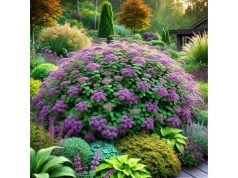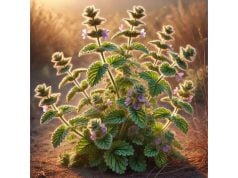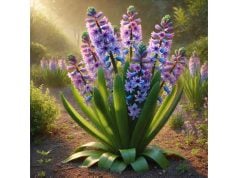
Himalayan Zedoary, Curcuma zedoaria, is an aromatic rhizome from the ginger family that has long been valued across South and Southeast Asian healing traditions. Sometimes called white turmeric or zedoary, it looks related to turmeric but has a more camphor-like aroma, a paler interior, and a somewhat different medicinal profile. Traditional systems have used it for digestive discomfort, flatulence, sluggish appetite, inflammatory pain, menstrual complaints, and certain skin or topical applications. Modern research adds another dimension: the rhizome contains a volatile oil rich in sesquiterpenes and other bioactive compounds that show antioxidant, antibacterial, anti-inflammatory, and cytotoxic activity in laboratory settings.
Still, this is not a herb that should be oversold. Most of the evidence remains preclinical, and even promising human findings are still early and limited. The most responsible way to approach Himalayan Zedoary is as a traditional digestive and aromatic medicinal plant with intriguing modern pharmacology, modest but real practical uses, and clear limits when it comes to standardized dosage and long-term self-treatment.
Top Highlights
- Traditionally used to support digestion, ease flatulence, and stimulate appetite.
- Shows antioxidant, antibacterial, and anti-inflammatory activity in preclinical studies.
- Traditional powdered rhizome use is often listed at 1 to 3 g per day.
- Avoid medicinal self-use during pregnancy and breastfeeding.
- Do not treat laboratory anticancer findings as proof for self-treatment of cancer.
Table of Contents
- What is Himalayan Zedoary
- Key compounds in Curcuma zedoaria
- What does it help with
- How is it used
- How much per day
- Side effects and who should avoid it
- What research actually shows
What is Himalayan Zedoary
Himalayan Zedoary is a perennial rhizomatous herb in the Zingiberaceae family, the same botanical family that includes ginger and turmeric. The accepted species name is Curcuma zedoaria, and its native range is generally described from the eastern Himalaya into Assam, with broader cultivation across tropical Asia. In everyday herbal language, it is often called white turmeric, though that common name can sometimes blur important differences between Curcuma zedoaria and other Curcuma species. For readers, the scientific name matters because the chemistry, aroma, and therapeutic profile of zedoary are not identical to those of ordinary culinary turmeric.
The plant’s medicinal value centers on the rhizome. This underground stem is aromatic, slightly bitter, and distinctly resinous. Traditional medical systems, especially Ayurveda and Unani practice, have long described it as a warming, digestive, decongesting, and channel-opening herb. It appears in older formulations for dyspepsia, flatulence, abdominal heaviness, cough, feverish states, skin issues, and certain gynecologic complaints. In some regions it was also used in culinary or spice preparations, though more for aroma and function than for the bright color people associate with turmeric.
One reason the herb remains interesting today is that it has not disappeared into history. It still sits in a meaningful middle space between food, traditional medicine, and pharmacologic research. Its rhizome carries enough traditional credibility to stay relevant, yet it is chemically distinctive enough to attract modern attention. That mix is often a sign that a plant has both cultural depth and scientific potential.
At the same time, Himalayan Zedoary is not a simple substitute for turmeric. Turmeric is often discussed through curcumin, whereas zedoary is better understood through its volatile oils, sesquiterpenes, and broader rhizome chemistry. The overlap is real, but the center of gravity is different. Zedoary tends to be more aromatic, more bitter, and more traditionally associated with digestion, stagnation, and certain inflammatory complaints than with the bright yellow curcumin story that dominates commercial turmeric marketing.
That distinction helps readers avoid a common mistake. When people hear “Curcuma,” they often assume every species works the same way. In reality, species identity, plant part, extraction method, and dose can change the whole medicinal picture. Himalayan Zedoary deserves to be judged as its own herb, with its own strengths, limitations, and evidence base.
Key compounds in Curcuma zedoaria
The chemistry of Curcuma zedoaria is one of the main reasons the herb keeps turning up in modern pharmacology papers. The rhizome contains both volatile and non-volatile compounds, but its most distinctive character often comes from the essential-oil fraction rather than from curcumin alone. That is an important correction to make early. Zedoary belongs to the turmeric family, yet its medicinal identity is not defined only by curcuminoids.
In volatile-oil studies, several compounds repeatedly stand out. These include curzerenone, curzerene, 1,8-cineole, germacrone, trans-β-elemene, camphor, and related sesquiterpenes. Depending on geography, growing conditions, and how the rhizome is processed, the dominant balance can shift. A Nepal study, for example, found curzerenone and 1,8-cineole among the major constituents in C. zedoaria essential oil. That matters because these aromatic compounds are often linked to antimicrobial, anti-inflammatory, spasm-modulating, and digestive-supporting effects in the broader herbal literature.
The non-volatile fraction also matters. Researchers have described compounds such as curcumenol, curcumenone, furanodiene, and other sesquiterpenoids with cytotoxic, anti-inflammatory, and liver-protective potential in preclinical work. Some reviews also mention smaller amounts of curcuminoid-related constituents, but zedoary is not usually prized for high curcumin content in the same way as Curcuma longa. For readers, this means zedoary is best understood as an aromatic medicinal rhizome, not just as “another source of curcumin.”
This chemistry helps explain why the plant has such a strong traditional reputation for digestive complaints. Bitter-aromatic rhizomes often work through several overlapping mechanisms: they may stimulate salivation and gastric secretions, influence bile flow, reduce microbial pressure, and provide mild antispasmodic or carminative effects. Zedoary’s rhizome chemistry fits that pattern well. It is more closely related in everyday herbal feel to an aromatic digestive rhizome than to a bright culinary coloring agent.
The chemistry also explains why the herb interests cancer and inflammation researchers. Several isolated compounds show cytotoxic or apoptosis-related activity in cell models, while other extracts appear to reduce inflammatory signaling or oxidative stress. These are real findings, but they should be handled carefully. A laboratory-active sesquiterpene is not the same as a clinically proven herbal treatment. It is a lead, not a finished answer.
For readers used to rhizome herbs, a useful comparison is ginger’s active rhizome chemistry. Both herbs are aromatic and digestive in character, but zedoary tends to lean more bitter, more resinous, and more experimental in the research literature. That makes its phytochemistry fascinating, but it also means standardization matters more than many casual herb users expect.
What does it help with
Himalayan Zedoary is most believable when it is discussed as a digestive and aromatic medicinal herb first, and as a broader pharmacologic prospect second. Traditional use, modern preclinical work, and the small amount of human evidence all point in that direction.
Digestive support is the clearest traditional category. Older herbal systems repeatedly connect zedoary with flatulence, sluggish digestion, abdominal heaviness, appetite loss, and dyspepsia. That pattern makes sense for a bitter, resinous, aromatic rhizome. Herbs in this class often help by stimulating digestive secretions, easing gas, reducing microbial load, and supporting more efficient movement through the upper digestive tract. In plain language, zedoary has historically been used for the kinds of digestive complaints that feel heavy, stuck, cold, or bloated rather than intensely inflamed.
Inflammatory and pain-related uses form the second major cluster. Traditional descriptions include swelling, painful conditions, and certain stagnation-related discomforts. Preclinical studies support this direction, with rhizome extracts showing anti-inflammatory and antinociceptive activity in animal and laboratory models. That does not make it a proven pain herb in humans, but it does give some scientific support to its older use patterns.
Antimicrobial and antioxidant activity is another promising area. A 2023 study found that different solvent fractions of C. zedoaria rhizome extract showed measurable antioxidant and antibacterial effects, with the ethyl acetate and methanol fractions performing best in antioxidant testing. This is encouraging for mechanism, especially for digestive and oral uses, but it is still one step removed from saying the herb reliably treats infection in people.
Liver and metabolic support may become one of the more discussed modern uses, but the evidence is still early. A 2025 single-blind randomized trial in non-alcoholic fatty liver disease suggested symptom improvement and acceptable short-term safety compared with vitamin E. That is worth noting, yet it should not be inflated into proof that zedoary is now an evidence-based liver therapy. One trial is a signal, not a settled conclusion.
Cancer-related interest is real but often misunderstood. Compounds isolated from zedoary show cytotoxic effects in cell studies, and the herb is frequently discussed in preclinical anticancer research. That makes it scientifically important, but it does not make crude zedoary a self-treatment for cancer. The most honest phrasing is that zedoary contains compounds of oncologic interest, not that it is a proven anticancer herb for routine use.
For everyday users, the strongest practical expectation is still digestive support. If the goal is simple relief from gas and meal-related heaviness, a more familiar option such as peppermint for digestive comfort may be easier to dose and tolerate. Zedoary remains promising, but it is still better viewed as a strong traditional digestive herb with expanding research rather than a broadly validated cure-all.
How is it used
Himalayan Zedoary has traditionally been used in several forms, and that detail matters more than many readers realize. The plant part is usually the rhizome, but the way it is prepared can change its effect, intensity, and safety profile. Powder, decoction, fresh rhizome, tincture-like extracts, essential oil, and topical applications are not equivalent.
In classical and folk use, powdered rhizome is one of the most common forms. This makes sense because zedoary is aromatic and resinous, and powder offers a practical way to preserve those qualities while allowing easy combination with other herbs. In Ayurvedic-style usage, it is often paired with herbs chosen for digestion, congestion, respiratory heaviness, or inflammatory discomfort. That kind of formula logic is typical for aromatic rhizomes: they are often used to move, warm, and sharpen the action of a broader blend.
Decoctions and infusions are also used, though zedoary is not as gentle or tea-like as herbs people casually steep every day. Its flavor is bitter, pungent, and somewhat camphoraceous. In food traditions, the rhizome may be sliced, pickled, cooked, or added to spice mixtures, especially in Southeast Asian settings. Those culinary uses generally rely on small amounts and emphasize aroma and digestive effect rather than heavy medicinal dosing.
Topical use appears in some traditional records as well. Pastes or externally applied preparations may be used for localized discomfort, swelling, or skin-related concerns. Here again, the form matters. A mild topical paste made from a crude rhizome preparation is very different from essential oil or a concentrated extract.
The essential oil deserves special caution. It is chemically potent and often the focus of modern laboratory work, but concentrated volatile oils are not interchangeable with the whole herb. They are easier to irritate the skin with, easier to misuse, and far less forgiving if someone assumes that “natural” automatically means mild. The same warning applies to extract products sold without clear standardization. Zedoary’s chemistry is active enough that preparation quality genuinely matters.
Modern use can be divided into four practical categories:
- Traditional digestive powder or mixed formula.
- Culinary or spice-level rhizome use in small amounts.
- Experimental supplement or extract use.
- Topical aromatic or paste-based application.
Of these, the first two are the most historically grounded and the least likely to be misunderstood. Experimental extracts and essential oils are where the gap between research promise and consumer safety becomes wider. That is why it helps to think of zedoary not as a casual pantry herb, but as a medicinal rhizome that benefits from context.
Readers looking for a gentler bitter-aromatic herb for digestive routines may prefer something like cardamom for aromatic digestive support. Zedoary can be useful, but it asks for more respect, more clarity about preparation, and less improvisation than many everyday herbs.
How much per day
Dosage is where Himalayan Zedoary needs the most careful, nuanced treatment. There is a traditional dosing history, but there is not yet a strong modern consensus for standardized human use across extracts, powders, oils, and formulations.
In traditional Ayurvedic-style practice, powdered zedoary rhizome is often listed in a range of about 1 to 3 g. That is probably the most useful concrete number for a general reader, because it reflects long-standing practice and avoids pretending that modern extract science has already solved the dosing problem. Even so, that range should be understood as a traditional reference point, not as a universal self-prescription rule.
Why the caution? Because “zedoary” on a label can mean several very different things in practice. It may refer to raw powder, a dried extract, a high-ratio extract, an alcohol-based preparation, or an essential-oil-containing product. A gram of crude powder is not equivalent to a gram of concentrated extract. And an essential oil cannot be sensibly translated into powder grams at all. Once those distinctions blur, dosage advice stops being useful and starts becoming misleading.
There is also a problem of therapeutic target. A traditional aromatic powder used for flatulence after meals is not the same thing as an experimental extract used in a metabolic or oncology-adjacent research setting. The doses, expectations, and safety margins differ. This is why many herbal articles accidentally oversimplify zedoary. They mix folk dosing, preclinical dosing, and supplement marketing language into one paragraph, even though these are three very different worlds.
A practical way to think about dosage is to separate traditional use from modern evidence.
Traditional reference
- Powdered rhizome: often 1 to 3 g.
What is not established
- A validated long-term daily extract dose.
- A generally accepted essential-oil internal dose.
- A clinically standardized dose for liver disease, cancer support, or chronic inflammation.
The 2025 NAFLD study is encouraging, but it does not yet solve the real-world dosing issue for consumers. One controlled trial can hint at usefulness, yet it still leaves unanswered questions about formulation, duration, interactions, and how reproducible the findings are in broader practice.
Timing also matters. Zedoary is traditionally more of a short-course or need-based herb than a casual indefinite supplement. Used around meals for digestive heaviness, it fits a clear herbal logic. Used daily for months without supervision, the logic becomes weaker because the safety and efficacy data are simply not mature enough.
The safest conclusion is straightforward: a traditional powder range exists, but modern dosing remains under-standardized. For that reason, anyone using zedoary medicinally should pay close attention to the exact form, start conservatively, and avoid assuming that more concentrated always means better.
Side effects and who should avoid it
Himalayan Zedoary is generally not viewed as one of the harshest medicinal rhizomes, but that should not be confused with “risk-free.” Its aromatic oils, bitter compounds, and digestive-stimulating action can be helpful in the right context and irritating in the wrong one.
The most likely side effects are gastrointestinal. People may notice stomach warmth, reflux, abdominal irritation, nausea, or loose stools if they take too much, take a concentrated product on an empty stomach, or use a preparation that does not suit them. This is not surprising. Bitter-aromatic rhizomes often stimulate digestion, and stimulation is helpful only up to a point. Past that point, it can become unpleasant.
The second issue is concentration. Whole powdered rhizome is very different from essential oil or a highly concentrated extract. Essential oils, in particular, can irritate the skin and mucosa and are easy to overdose relative to the whole plant. This matters for anyone tempted to experiment with internal essential-oil use or strong topical applications. Zedoary oil is a pharmacologically dense substance, not a mild flavoring drop.
Pregnancy is the clearest avoid category for unsupervised use. Traditional sources often place zedoary among herbs that influence menstrual flow, pelvic circulation, or stagnation patterns. That historical reputation, combined with limited modern safety data, makes pregnancy a poor setting for casual medicinal use. The same cautious logic applies to breastfeeding, where data are insufficient and risk is not clearly defined.
People with biliary obstruction, active gallbladder problems, or severe reflux should also be cautious. A rhizome that stimulates digestion and bile-related pathways may not be appropriate in every digestive condition. Likewise, anyone taking anticoagulant, antiplatelet, or diabetes medicines should check for interactions before using a concentrated zedoary product, because the broader Curcuma genus has enough pharmacologic activity to justify careful review even when species-specific human data are limited.
Who should avoid self-use or seek medical advice first?
- Pregnant or breastfeeding people.
- Children.
- People with active ulcers, severe reflux, or gallbladder disease.
- Anyone using blood thinners, antiplatelet drugs, or multiple metabolic medications.
- Anyone considering concentrated essential-oil ingestion.
- Anyone trying to use zedoary as a substitute for oncology or liver care.
This last point matters most. Zedoary’s preclinical anticancer and liver-support research is interesting, but it can tempt people into overreach. If someone needs a more established herb for inflammatory discomfort, boswellia for joint and inflammation support is usually easier to evaluate from a clinical perspective. Zedoary has promise, but its safety logic is still tied to traditional moderation rather than modern mass-market certainty.
What research actually shows
The research on Himalayan Zedoary is strongest in phytochemistry and preclinical pharmacology, moderate in traditional plausibility, and still limited in high-quality human outcome data. That sentence is the best foundation for understanding the herb honestly.
What is already well supported is that Curcuma zedoaria is chemically active. Multiple studies and reviews show that the rhizome contains bioactive volatile compounds and sesquiterpenoids with antioxidant, antibacterial, anti-inflammatory, antiparasitic, and cytotoxic potential. This is not a case of a folklore-only plant with no measurable activity. The chemistry is real, and the biological signals are real.
What is also well supported is the herb’s traditional role in digestive and inflammatory complaints. Ethnomedicinal use across South and Southeast Asia gives zedoary a durable therapeutic identity. The persistence of a use pattern does not prove modern efficacy on its own, but it does add weight when the same pattern aligns with plausible chemistry and repeated laboratory findings.
Where research becomes less secure is in the move from mechanism to medicine. Many impressive claims around zedoary are still based on cell culture, animal models, or isolated compounds. Anticancer activity is a good example. Rhizome extracts and isolated constituents can inhibit cell proliferation, alter apoptosis pathways, or show selective cytotoxicity in vitro. That is valuable research, but it does not justify marketing zedoary as a proven anticancer herb for people.
The same caution applies to inflammation, metabolic disease, and liver support. These are promising areas, and the 2025 randomized single-blind trial in non-alcoholic fatty liver disease is a meaningful step forward. It suggests the herb may have real clinical value in a metabolic-liver context. But one positive study does not erase the need for replication, standardization, clearer safety monitoring, and better characterization of the preparation used.
In practical terms, the evidence supports four conclusions.
- Zedoary is a legitimate traditional medicinal rhizome.
- Its rhizome contains active compounds with credible laboratory effects.
- Digestive use is more defensible than many of its broader marketed claims.
- Human evidence is still too limited to justify broad therapeutic promises.
That puts Himalayan Zedoary in an interesting but not fully settled position. It is more evidence-backed than many obscure traditional herbs, yet less clinically established than the marketing language around “white turmeric” sometimes suggests. For digestive and hepatobiliary readers, a more defined herb such as artichoke for digestive and bile support may still offer a clearer user path. Zedoary remains promising, but it is best treated as an herb under active clarification rather than a fully proven supplement category.
References
- Evaluation of Curcuma zedoaria Rosc. in the management of non-alcoholic fatty liver Disease: A Randomized, single blind, controlled trial 2025 (RCT)
- Antioxidant and antibacterial activities of the rhizome extract of Curcuma zedoaria extracted using some organic solvents 2023
- Analysis of Volatile Constituents in Curcuma Species, viz. C. aeruginosa, C. zedoaria, and C. longa, from Nepal 2022
- Curcuma zedoaria Rosc (Zingiberaceae): a review on its chemical, pharmacological and biological activities 2021 (Review)
- Curcuma zedoaria Rosc. (white turmeric): a review of its chemical, pharmacological and ethnomedicinal properties 2009 (Review)
Disclaimer
This article is for educational purposes only and is not medical advice, diagnosis, or treatment. Himalayan Zedoary is a traditional medicinal herb with promising laboratory and early clinical findings, but it does not have strong standardized evidence for most self-care uses. Do not use Curcuma zedoaria as a substitute for medical treatment of liver disease, cancer, infection, or chronic gastrointestinal symptoms. Avoid unsupervised use during pregnancy and breastfeeding, and use extra caution with concentrated extracts or essential oils.
If you found this guide useful, please share it on Facebook, X, or any platform you prefer so more readers can find balanced, evidence-aware herbal information.