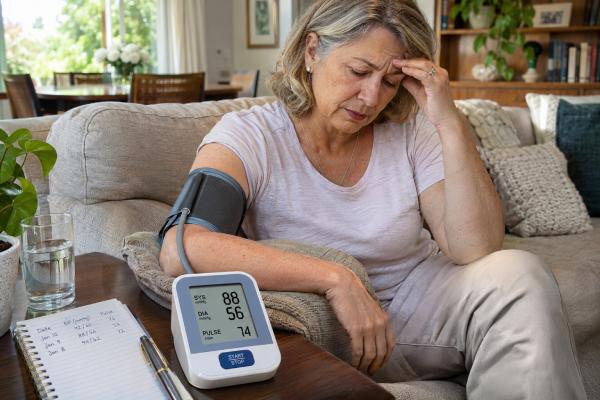
Low blood pressure is not automatically dangerous. Some healthy people naturally run around 90/60 mm Hg or even a little lower and feel completely well. What matters most is whether the pressure is too low for you, whether it has dropped suddenly, and whether your brain, heart, kidneys, and other organs are getting enough blood flow.
Symptoms such as dizziness, fainting, blurred vision, weakness, nausea, confusion, or unusual fatigue make a low reading more important. A sudden fall in blood pressure can be caused by dehydration, bleeding, infection, an allergic reaction, a heart problem, or medication effects. A drop that happens mainly after standing may be orthostatic hypotension, a specific condition that deserves evaluation when it is recurrent or causes falls.
The number also needs context. A blood pressure of 88/58 mm Hg in a relaxed, symptom-free young adult is different from the same reading in someone with chest pain, black stools, fever, or fainting. This guide explains what low blood pressure means, common causes, what you can check at home, and when to get urgent help.
Table of Contents
- What Counts as Low Blood Pressure?
- Symptoms of Low Blood Pressure
- Common Causes of Low Blood Pressure
- When Blood Pressure Drops After Standing
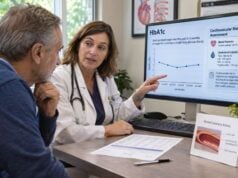
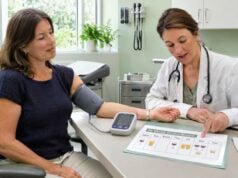
- How Low Blood Pressure Is Evaluated
- What You Can Do About Low Blood Pressure
- When Low Blood Pressure Is an Emergency
What Counts as Low Blood Pressure?
A reading below about 90/60 mm Hg is commonly called low blood pressure, but there is no single cutoff that is dangerous for everyone. Blood pressure becomes a problem when it causes symptoms, represents a large drop from your usual level, or occurs with signs that organs are not receiving enough blood flow.
Blood pressure has two numbers:
- Systolic pressure is the top number and reflects pressure when the heart contracts.
- Diastolic pressure is the bottom number and reflects pressure while the heart relaxes between beats.
A person who normally runs 95/60 mm Hg and feels well may not need treatment. By contrast, someone who usually has a systolic pressure of 150 mm Hg and suddenly falls to 95 mm Hg may be very symptomatic even though 95 is not extremely low by population standards.
This is why clinicians look at the whole picture rather than treating the number alone. A low reading is more concerning when it comes with fainting, confusion, cold or clammy skin, rapid breathing, weak pulses, reduced urine output, chest pain, severe shortness of breath, or evidence of bleeding.
If you are comparing your reading with typical ranges, the guide to normal blood pressure readings can help. Keep in mind, however, that “normal” is not the same as “ideal for every individual,” especially when medications, pregnancy, dehydration, or chronic illness are involved.
A single low reading can be misleading
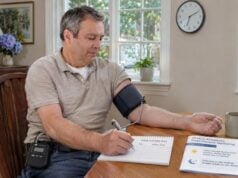
Home cuffs can produce falsely low numbers if the cuff is too large or loose, your arm is unsupported, you are moving, or the device is inaccurate. Recheck after sitting quietly for about five minutes, with your back supported, feet flat, and arm supported at heart level. If you feel faint, do not stand just to repeat the test.
Repeated readings matter more than one isolated number. Write down the time, symptoms, heart rate, recent meals, exercise, fluid intake, and medication timing. Patterns often reveal more than a single measurement.
Symptoms of Low Blood Pressure
The most typical symptoms are lightheadedness, dizziness, weakness, blurred vision, and fainting. Symptoms often occur when the brain briefly receives less blood flow, particularly during standing or after a sudden change in posture.
Common symptoms include:
- lightheadedness or a “floating” feeling;
- dizziness, especially on standing;
- blurred, dimmed, or tunnel vision;
- weakness or unusual fatigue;
- nausea;
- difficulty concentrating or mental fog;
- unsteadiness or falls;
- fainting, also called syncope;
- headache in some people;
- palpitations or a racing heart if the body is compensating for low pressure.
A rapid pulse with low blood pressure can occur with dehydration, blood loss, fever, infection, or other states in which the body tries to maintain circulation by making the heart beat faster. A very slow heart rate can also cause low blood pressure if the heart cannot maintain enough cardiac output. If slow pulse is part of the pattern, see when bradycardia is normal and when it is not.
Symptoms matter more than the number alone
Two people can have the same blood pressure and feel very different. Some people tolerate low resting pressure for years. Others experience symptoms after a relatively small drop.
Repeated fainting is never something to dismiss as “just low blood pressure.” Falls can cause head injuries or fractures, and fainting can occasionally reflect a heart rhythm problem, internal bleeding, or another condition that needs prompt evaluation.
Low blood pressure may also be a secondary clue. For example, dizziness plus vomiting and diarrhea suggests fluid loss; dizziness plus black, tarry stools raises concern for gastrointestinal bleeding; low pressure with fever and confusion may indicate a serious infection.
Common Causes of Low Blood Pressure
Low blood pressure has many possible causes, ranging from harmless physiology to medical emergencies. The timing of the symptoms often gives important clues.
Dehydration and fluid loss
Not drinking enough, heavy sweating, fever, vomiting, diarrhea, or excessive urination can reduce circulating blood volume. Dehydration is especially likely when low pressure occurs with thirst, dry mouth, dark urine, reduced urination, or a faster-than-usual heart rate.
Older adults may become dehydrated without feeling very thirsty. Diuretics, sometimes called “water pills,” can also contribute by increasing fluid and sodium loss.
Medications
Many medicines can lower blood pressure. Common examples include:
- blood pressure medicines;
- diuretics;
- nitrates used for angina;
- some medications for prostate symptoms;
- certain antidepressants or antipsychotics;
- medications for Parkinson’s disease;
- opioids and sedatives;
- some drugs that slow the heart rate.
Do not stop a prescribed medicine on your own because of one low reading. Instead, record the numbers and symptoms and contact the prescribing clinician, especially if the pattern began after a new drug or dose change.
Bleeding
Blood loss can cause dangerous hypotension. Heavy menstrual bleeding, gastrointestinal bleeding, trauma, surgery, or internal bleeding may lower blood volume. Black stools, red blood in stool or vomit, vomiting material that looks like coffee grounds, severe abdominal pain, or unexplained weakness with low pressure need urgent assessment.
Heart-related causes
The heart may be unable to maintain adequate blood pressure because of a very slow or very fast rhythm, a heart attack, severe heart failure, a significant valve problem, or other causes of reduced cardiac output. Low blood pressure with chest pressure, severe breathlessness, or new irregular heartbeat should be treated seriously.
Severe infection or allergic reaction
Sepsis can cause blood vessels to dilate and circulation to fail. A severe allergic reaction, or anaphylaxis, can also rapidly lower blood pressure. Both can progress to shock and require emergency treatment.
Hormonal and metabolic problems
Adrenal insufficiency, severe hypothyroidism, low blood sugar, and some other endocrine disorders can contribute to hypotension. These are less common than dehydration or medication effects but become more relevant when low blood pressure is persistent or accompanied by other suggestive symptoms.
Pregnancy
Blood pressure often falls during pregnancy because the circulatory system changes and blood vessels dilate. Some decline can be normal, especially earlier in pregnancy. Still, fainting, heavy bleeding, severe abdominal pain, or persistent symptomatic hypotension needs medical evaluation.
Autonomic nervous system disorders
The autonomic nervous system automatically adjusts heart rate and blood vessel tone when you stand. Diabetes, Parkinson’s disease, multiple system atrophy, some neuropathies, and other conditions can impair this response and cause recurrent orthostatic hypotension.
When Blood Pressure Drops After Standing
Orthostatic hypotension is a sustained drop in blood pressure after standing, classically at least 20 mm Hg systolic or 10 mm Hg diastolic within three minutes. It is a specific pattern rather than simply “having low blood pressure.”
Someone may have a normal or even high blood pressure while lying down and still experience a large fall after standing. Symptoms can include dizziness, blurred vision, neck or shoulder discomfort, weakness, cognitive slowing, and fainting. Some people have few symptoms despite a measurable drop.
The dedicated guide to orthostatic hypotension and dizziness on standing covers this pattern in more detail.
How to check standing blood pressure
When it is safe to do so, a clinician may measure blood pressure after several minutes lying down and then again after standing. Home measurements can sometimes help document a pattern, but people who are prone to fainting should not perform a standing test alone.
A useful home log may include:
- blood pressure and heart rate after resting flat or seated;
- the time you stand;
- blood pressure and heart rate after about one minute;
- another reading by three minutes, if safe;
- symptoms at each point.
The heart-rate response can provide clues. A large blood-pressure drop with very little increase in heart rate may suggest autonomic impairment, while a faster pulse may occur with dehydration or other non-neurogenic causes. Interpretation is not always straightforward, so use the log as information for a clinician rather than as a self-diagnosis.
Triggers that can worsen orthostatic symptoms
Symptoms may be worse:
- first thing in the morning;
- after a large meal, especially one rich in rapidly absorbed carbohydrate;
- after alcohol;
- in hot weather or hot showers;
- after prolonged bed rest;
- after exercise stops abruptly;
- during dehydration;
- after starting or increasing certain medications.
How Low Blood Pressure Is Evaluated
The goal is to identify why the pressure is low, not merely to raise the number. Evaluation depends on whether the problem is chronic and mild, recurrent with standing, or sudden and severe.
A clinician may review:
- your usual blood pressure and how quickly it changed;
- symptoms and their timing;
- medication and supplement use;
- recent vomiting, diarrhea, fever, heat exposure, or poor intake;
- bleeding symptoms;
- pregnancy status when relevant;
- heart rhythm symptoms;
- diabetes, neurologic disease, kidney disease, or endocrine conditions.
Testing can include a physical exam, orthostatic vital signs, electrocardiogram, blood count, electrolytes, kidney function, glucose, thyroid testing, or other tests guided by the history. In selected cases, an echocardiogram, rhythm monitor, autonomic testing, or tilt-table test may be useful.
Keep a short blood-pressure diary
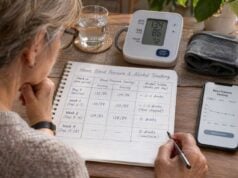
For recurrent but non-emergency symptoms, a 3- to 7-day record can be very useful. Record morning and evening readings plus any symptomatic episodes. Include heart rate, body position, medication timing, meals, and unusual fluid losses.
If readings are highly variable, a clinician may occasionally use 24-hour ambulatory blood pressure monitoring to understand daytime, nighttime, and posture-related patterns.
What You Can Do About Low Blood Pressure
Treatment depends on the cause, and symptom control usually matters more than forcing blood pressure to a particular target. Simple measures help many people, but they are not appropriate for every condition.
For mild, recurrent symptoms after standing, clinicians commonly recommend some combination of the following:
- stand up in stages rather than jumping from bed to your feet;
- sit on the edge of the bed briefly before walking;
- maintain adequate fluid intake unless you have a fluid restriction;
- avoid prolonged standing when symptoms are active;
- limit excess alcohol;
- avoid very hot showers, saunas, or overheated environments if they trigger symptoms;
- use physical counter-pressure maneuvers, such as leg crossing or tensing the leg and abdominal muscles, when appropriate;
- review medications with a clinician rather than changing them yourself;
- consider compression garments when advised, particularly abdominal compression in some cases.
What about salt?
Increasing sodium can help some people with chronic orthostatic hypotension by expanding blood volume, but “eat more salt” is not universal advice. It can worsen hypertension, heart failure, kidney disease, or swelling. People with both supine hypertension and orthostatic hypotension need especially careful management because raising standing pressure can worsen blood pressure while lying down.
If your clinician recommends more sodium or fluid, ask for a specific target rather than guessing. The right amount depends on the cause and your other medical conditions.
When medicines are used
Persistent symptomatic orthostatic hypotension may require prescription treatment after reversible causes and non-drug measures are addressed. Options can include midodrine or droxidopa, and sometimes other medications such as fludrocortisone depending on the situation. These treatments can cause side effects, including excessive blood pressure while lying down, so they need medical supervision.
The goal is usually to reduce dizziness, fainting, and falls—not to make every blood-pressure reading look “normal.”
Make symptom prevention part of the daily routine
For recurrent orthostatic symptoms, small changes in timing can matter. Rise in stages: sit on the edge of the bed for a moment, move your ankles and calves, then stand while holding a stable surface if needed. Avoid standing still for long periods, especially in heat. If symptoms begin while upright, sitting or lying down promptly is safer than trying to “push through” the dizziness.
Meals can also affect blood pressure. Some people develop post-meal hypotension, often after large meals or meals high in rapidly absorbed carbohydrate. Smaller, more frequent meals may reduce symptoms. Alcohol can widen blood vessels and worsen dehydration, so limiting it may help. Compression garments that cover the abdomen and legs can reduce blood pooling for selected patients, but knee-high socks alone may not provide enough pressure for significant orthostatic hypotension.
Hydration and sodium advice must fit the cause. Extra fluid may help if volume depletion contributes, but people with heart failure, advanced kidney disease, severe liver disease, or a prescribed fluid restriction should not deliberately increase fluids or salt without medical guidance. If symptoms started after a medication change, ask the prescriber to review timing and dose rather than stopping the drug on your own.
When Low Blood Pressure Is an Emergency
Call emergency services for low blood pressure accompanied by signs of shock, major bleeding, a possible heart attack, severe allergic reaction, or loss of consciousness that does not quickly resolve. Do not drive yourself if you are faint, confused, or severely unwell.
Urgent warning signs include:
- fainting with chest pain, severe shortness of breath, or a new irregular heartbeat;
- confusion, extreme drowsiness, or difficulty staying awake;
- cold, pale, clammy, or mottled skin;
- very rapid breathing or severe breathing difficulty;
- weak, rapid pulse with marked weakness;
- heavy bleeding or signs of internal bleeding;
- severe abdominal or back pain with collapse or faintness;
- high fever with confusion, rapid breathing, or worsening weakness;
- swelling of the tongue or throat, wheezing, hives, or breathing difficulty after an allergic exposure;
- low blood pressure after a major injury;
- pregnancy with fainting plus significant bleeding or severe abdominal pain.
Shock is a state of inadequate tissue perfusion. A person can be in shock before the blood-pressure number becomes dramatically low, so symptoms and overall appearance matter. Conversely, a healthy person with an asymptomatic blood pressure of 88/58 mm Hg is not automatically in shock.
If you repeatedly see systolic readings under about 90 mm Hg but feel well, arrange routine medical advice rather than assuming you need emergency treatment. If those readings are new, worsening, or associated with dizziness or falls, seek evaluation sooner.
The practical rule is simple: low blood pressure is most concerning when it is new, symptomatic, rapidly falling, or linked to a serious underlying cause. Chronic low readings without symptoms may be normal for you, while a sudden drop with fainting or signs of poor circulation can be an emergency regardless of the exact number.
Age and fall risk also change the threshold for action. An older adult who becomes lightheaded every time they stand may need medication review and fall-prevention measures even if the lowest reading is not dramatic. Likewise, someone who drives, climbs ladders, operates machinery, or cares for a baby should take near-fainting seriously because a brief loss of consciousness can cause harm beyond the blood-pressure problem itself. Recurrent symptoms deserve a cause-focused evaluation rather than repeated attempts to “fix the number” with salt, caffeine, or sports drinks.
References
- Orthostatic Hypotension in Adults With Hypertension: A Scientific Statement From the American Heart Association 2024 (Scientific Statement)
- Orthostatic hypotension: Review and expert position statement 2024 (Position Statement)
- Diagnosis and treatment of orthostatic hypotension 2022 (Review)
- Treating Lows: Management of Orthostatic Hypotension 2024 (Review)
- Evaluation and management of hypotensive patients in the emergency department 2023 (Review)
Disclaimer
This article is for general education and is not a diagnosis or treatment plan. Seek urgent medical care for low blood pressure with fainting, chest pain, severe breathing difficulty, major bleeding, confusion, or signs of shock. Do not stop prescribed blood-pressure or heart medications without guidance from the clinician who manages them.