Feeling dizzy when you stand up can happen because your blood pressure briefly falls before your body catches up with gravity. When that drop is large or sustained, it may be orthostatic hypotension. The standard definition is a fall in systolic blood pressure of at least 20 mmHg or diastolic pressure of at least 10 mmHg within three minutes of standing. Some people feel lightheaded, weak, blurry, nauseated, or close to fainting; others have the blood-pressure drop without obvious symptoms.
Orthostatic hypotension is not one disease. It can result from dehydration, blood loss, medications, diabetes-related nerve damage, Parkinson disease and other autonomic disorders, or problems that limit the heart and blood vessels from responding normally. It is especially common in older adults and can raise the risk of falls and fainting. Treatment depends on the cause, so simply adding salt or stopping blood-pressure medicine on your own can be unsafe. Understanding the timing, triggers, blood-pressure pattern, and heart-rate response helps point toward the right next step.
Table of Contents
- What Orthostatic Hypotension Is
- Symptoms and Common Patterns
- Causes and Risk Factors
- How Orthostatic Hypotension Is Diagnosed
- What to Do When You Feel Dizzy Standing Up
- Treatment Options and Daily Strategies
- When to Get Medical Help
What Orthostatic Hypotension Is
Orthostatic hypotension means blood pressure falls too much when you move into an upright position. “Orthostatic” refers to standing; “hypotension” means low blood pressure. The classic diagnostic threshold is a sustained decrease of 20 mmHg or more in systolic pressure or 10 mmHg or more in diastolic pressure within three minutes of standing after resting flat.
When a healthy person stands, roughly 500–1,000 mL of blood can shift toward the legs and abdominal circulation. Sensors called baroreceptors detect the temporary reduction in blood return to the heart. The nervous system then tightens blood vessels, slightly increases heart rate and heart contraction, and helps maintain blood flow to the brain.
Orthostatic hypotension occurs when that compensation is inadequate. The problem may be too little circulating fluid, medication-related vasodilation, impaired autonomic nerves, or a heart that cannot increase output enough. The result is reduced blood flow to the brain and sometimes other organs while upright.
A low number by itself does not always mean disease. Some healthy people naturally have lower blood pressure. The important pattern is a position-related fall combined with symptoms, recurrence, falls, fainting, or an underlying condition. If you are unsure what your usual numbers mean, the guide to normal blood pressure readings explains standard ranges and why context matters.
There are also timing variants. Initial orthostatic hypotension happens within about 15 seconds of standing and may cause a very brief head rush. Classic orthostatic hypotension occurs within three minutes. Delayed orthostatic hypotension appears after more than three minutes upright and may be missed by a quick office check.
Symptoms and Common Patterns
The most typical symptom is lightheadedness soon after standing, especially after getting out of bed, rising from a chair, or standing still for a long time. Symptoms often improve after sitting or lying down because blood flow to the brain recovers.
Possible symptoms include:
- Lightheadedness or a “floating” feeling.
- Blurred, dimmed, or tunnel vision.
- Weakness, fatigue, or heavy legs.
- Feeling unsteady or about to faint.
- Actual fainting, also called syncope.
- Nausea.
- Trouble concentrating or feeling mentally slowed.
- Neck and shoulder aching sometimes called “coat-hanger” pain.
- Shortness of breath, chest discomfort, or palpitations in some people.
The pattern can offer clues. Symptoms that occur mainly first thing in the morning may reflect overnight fluid loss and lower circulating volume. Hot showers, warm rooms, fever, prolonged standing, alcohol, or exercise can worsen symptoms because they dilate blood vessels or increase fluid loss. Large meals can trigger postprandial hypotension, especially in older adults or people with autonomic failure, because more blood is directed toward the digestive system.
Not every episode of dizziness after standing is orthostatic hypotension. Inner-ear vertigo often creates a spinning sensation and may be triggered by head movement rather than simply being upright. Low blood sugar, anemia, dehydration, anxiety, arrhythmias, and medication side effects can also cause similar symptoms.
Orthostatic hypotension is also different from postural orthostatic tachycardia syndrome (POTS). POTS is characterized by a substantial rise in heart rate during standing without the blood-pressure drop that defines classic orthostatic hypotension. The distinction matters because evaluation and treatment differ.
The length of the episode can also help. A brief head rush that resolves within seconds after standing may fit initial orthostatic hypotension, especially in a younger otherwise healthy person. Symptoms that persist for minutes while upright, recur throughout the day, or force someone to sit or lie down are more concerning for classic or delayed orthostatic hypotension. Delayed episodes may appear during a long checkout line, shower, church service, or other situation that requires standing still, so a three-minute office measurement can miss them.
Some people do not report “dizziness” at all. Older adults may describe unexplained weakness, fatigue, falls, a need to sit frequently, or vague mental fog when upright. People with autonomic disorders can also have reduced warning symptoms even when blood pressure drops substantially. That is one reason recurrent falls or near-falls deserve attention even if the person does not remember feeling lightheaded first.
Heart-rate symptoms can be misleading. A pounding or faster pulse does not automatically mean POTS, and a normal pulse does not rule out orthostatic hypotension. In dehydration, the heart rate often rises more as the body tries to compensate for low circulating volume. In neurogenic orthostatic hypotension, that rise may be unusually small because the autonomic reflex itself is impaired. Clinicians interpret heart rate together with the blood-pressure fall, medications, rhythm, and symptoms rather than using a single cutoff in isolation.
Causes and Risk Factors
Orthostatic hypotension has many possible causes, and more than one can be present at the same time.
Low fluid or blood volume
Dehydration is one of the most common reversible causes. Vomiting, diarrhea, fever, heavy sweating, inadequate fluid intake, or diuretic use can reduce circulating volume. Blood loss can do the same. Anemia may worsen symptoms because less oxygen reaches tissues even when blood pressure is only moderately reduced.
Medications
Many drugs can contribute by lowering blood pressure, slowing heart rate, reducing fluid volume, or interfering with autonomic responses. Examples include:
- Diuretics.
- Nitrates.
- Alpha blockers.
- Some beta blockers and calcium-channel blockers.
- ACE inhibitors and angiotensin receptor blockers in some circumstances.
- Certain antidepressants and antipsychotics.
- Sedatives, opioids, and some Parkinson medications.
- Medications for erectile dysfunction that dilate blood vessels.
This does not mean you should stop a prescribed drug when dizziness appears. Blood-pressure treatment often protects against stroke, heart attack, kidney disease, and heart failure. A clinician can adjust dose, timing, or drug choice while balancing upright symptoms against the risks of uncontrolled hypertension.
Autonomic nervous system disorders
The autonomic nervous system controls blood-vessel tightening and heart-rate responses without conscious effort. Damage to this system can cause neurogenic orthostatic hypotension. Causes include Parkinson disease, multiple system atrophy, pure autonomic failure, amyloidosis, and autonomic neuropathy from diabetes or other conditions.
In neurogenic orthostatic hypotension, the heart rate often rises less than expected despite a significant blood-pressure fall. That heart-rate pattern can help distinguish autonomic failure from dehydration or other non-neurogenic causes.
Heart and vascular conditions
Slow heart rhythms, some valve disorders, heart failure, or other problems that limit cardiac output can contribute to dizziness while standing. Palpitations or an irregular pulse deserve attention because an arrhythmia may mimic or aggravate orthostatic symptoms. The guide to atrial fibrillation symptoms explains one common rhythm problem that can cause dizziness and weakness.
Risk increases with age, frailty, diabetes, prolonged bed rest, multiple medications, and neurodegenerative disease. Orthostatic hypotension can also coexist with high blood pressure, which makes treatment more complicated rather than less important.
How Orthostatic Hypotension Is Diagnosed
The basic test compares blood pressure and heart rate while lying down and after standing. A commonly recommended approach is to rest supine for about five minutes, measure blood pressure and pulse, then stand and repeat measurements during the first three minutes—often at one minute and three minutes.
A fall of at least 20 mmHg systolic or 10 mmHg diastolic within three minutes supports the diagnosis. In people with significant supine hypertension, clinicians may use a larger systolic threshold, such as a 30-mmHg drop, because the starting pressure is high.
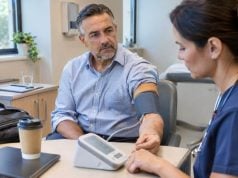
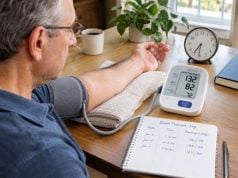
If you try an orthostatic check at home, safety comes first. Have support nearby if you are prone to fainting, and stop the test if you become very dizzy. Use a validated upper-arm monitor with the correct cuff size, keep the arm supported near heart level, and record both blood pressure and heart rate. Home readings can be useful evidence, but they do not replace a medical evaluation.
A clinician will also look beyond the numbers. The history should cover when symptoms started, whether they occur after meals or exercise, fluid intake, alcohol use, recent illness, falls, fainting, and all prescription and nonprescription drugs. Examination may include a heart and neurologic assessment.
Depending on the situation, tests can include:
- Complete blood count for anemia or bleeding clues.
- Electrolytes, kidney function, and glucose.
- Thyroid testing.
- Electrocardiogram to look for rhythm or conduction problems.
- Additional cardiac testing if symptoms suggest heart disease.
- Tilt-table testing when bedside measurements are normal but suspicion remains high, when standing is unsafe, or when delayed orthostatic hypotension is suspected.
People with neurogenic orthostatic hypotension may also have supine hypertension—high blood pressure while lying flat. In that setting, 24-hour ambulatory blood pressure monitoring can reveal daytime lows and nighttime highs that a single office reading cannot show.
A home log is most useful when it is structured. For several days, record a lying or seated reading after resting, a standing reading at one and three minutes when safe, the pulse at each point, and whether symptoms occurred. Also note meals, exercise, heat exposure, alcohol, illness, and medication timing. The goal is not to collect dozens of random measurements; it is to show whether symptoms consistently follow a position change and whether they cluster around a trigger.
Technique matters because measurement error can mimic a true drop. A cuff that is too small can read high, talking or moving can distort the result, and measuring the standing pressure with the arm hanging at the side can falsely raise the reading relative to heart level. Use the same arm and cuff when possible. If repeated home measurements show a large drop but you feel well, bring the log and monitor to an appointment rather than assuming the result is harmless.
When bedside testing does not reproduce the problem, clinicians sometimes extend standing measurements beyond three minutes or use tilt-table testing. That is particularly useful for delayed orthostatic hypotension, unexplained fainting, or people who cannot stand safely long enough for a standard test.
What to Do When You Feel Dizzy Standing Up
If you suddenly feel lightheaded after standing, the immediate goal is to prevent a fall and restore blood flow to the brain.
- Sit or lie down right away. Do not try to “walk it off” if you feel faint.
- Raise your legs if practical. This can help return pooled blood toward the heart.
- Stand again slowly. Move from lying to sitting, pause, then rise while holding a stable surface.
- Use muscle counterpressure. If symptoms are mild and you can remain safe, crossing your legs and tensing the thighs and buttocks, or repeatedly contracting calf muscles, may temporarily raise blood pressure.
- Consider hydration. If dehydration is plausible and you do not have a fluid restriction, drinking water may help. People with heart failure, advanced kidney disease, or other fluid-sensitive conditions should follow their clinician’s advice.
If episodes recur, write down the time, position, activity, meal timing, symptoms, blood pressure, heart rate, and medicines taken that day. Patterns are often more informative than one isolated low reading.
Avoid driving, climbing ladders, showering alone in very hot water, or doing other high-risk activities when you feel unstable. A brief dizzy spell can become dangerous if it leads to a head injury or fracture.
Treatment Options and Daily Strategies
Treatment aims to reduce symptoms, improve function, and prevent falls—not necessarily to make every standing blood-pressure reading “normal.” The best plan treats the cause first.
If dehydration, anemia, infection, uncontrolled diabetes, or medication effects are contributing, correcting those problems may substantially improve symptoms. Medication review is often one of the highest-value steps. Sometimes a clinician can lower a dose, change timing, or replace a drug, but this should be individualized.
Non-drug strategies can include:
- Rising slowly, especially in the morning.
- Drinking enough fluid when medically appropriate.
- Increasing sodium only when a clinician says it is safe; extra salt can worsen hypertension, heart failure, kidney disease, or swelling.
- Avoiding excessive alcohol and prolonged heat exposure.
- Eating smaller, more frequent meals if symptoms worsen after eating.
- Staying physically active rather than becoming deconditioned, while avoiding abrupt position changes.
- Using physical counter-maneuvers such as leg crossing or muscle tensing.
- Wearing abdominal or waist-high compression garments; compression of the abdomen can be especially helpful because a large volume of blood can pool there.
- Elevating the head of the bed in selected people with neurogenic orthostatic hypotension and nighttime hypertension.
When symptoms remain disabling, medications may be considered. Midodrine tightens blood vessels and can raise standing pressure but may worsen blood pressure while lying down, so it is generally avoided close to bedtime. Droxidopa increases norepinephrine availability and is also used for symptomatic neurogenic orthostatic hypotension. Fludrocortisone expands blood volume but can cause fluid retention, low potassium, and hypertension and has more long-term safety concerns.
Treatment is especially nuanced when high blood pressure and orthostatic hypotension coexist. Simply stopping antihypertensive therapy can leave dangerous hypertension untreated. The 2024 American Heart Association scientific statement emphasizes identifying triggers and medications, characterizing the blood-pressure pattern, and choosing therapy that addresses both upright symptoms and overall cardiovascular risk.
Exercise can help, but the starting position matters. A person who becomes dizzy as soon as they stand may tolerate recumbent cycling, rowing, or seated resistance work better than upright treadmill exercise at first. Building leg and core muscle can improve the muscle pump that helps return blood to the heart. After exercise, avoid stopping abruptly and standing still; a gradual cool-down allows circulation to adjust.
Compression garments work only if they compress the areas where blood pools. Knee-high socks may help swelling but often do little for orthostatic hypotension because substantial pooling occurs in the thighs and abdomen. Waist-high compression or an abdominal binder can be more effective, although comfort and heat can limit use. A clinician or physical therapist can help choose a practical option.
Medication timing is another small detail with a large effect. Drugs that raise standing blood pressure can worsen supine hypertension if taken too close to lying down, while diuretics or vasodilators taken at certain times may intensify symptoms. The safest schedule depends on the person’s day-night blood-pressure pattern, which is why self-adjusting doses based on one dizzy spell is risky.
When to Get Medical Help
Occasional mild lightheadedness after standing quickly can happen to healthy people, but recurrent or severe symptoms deserve evaluation. Make a medical appointment if episodes are frequent, worsening, causing near-falls, or associated with new medication use, weight loss, poor intake, diabetes, neurologic disease, or known heart disease.
Seek urgent or emergency care for dizziness or fainting accompanied by:
- Chest pain or pressure.
- Severe shortness of breath.
- A new rapid, very slow, or clearly irregular heartbeat.
- Fainting during exercise or while lying down.
- New one-sided weakness, facial droop, trouble speaking, or other stroke-like symptoms.
- Black or bloody stools, vomiting blood, or other signs of significant bleeding.
- Serious injury from a fall.
- Persistent confusion or inability to remain awake.
- Severe dehydration with little urine, ongoing vomiting, or inability to keep fluids down.
A first unexplained fainting episode also warrants medical assessment, particularly in an older adult or anyone with heart disease.
The main message is that orthostatic hypotension is a measurable blood-pressure pattern, not merely a synonym for dizziness. If standing repeatedly produces symptoms, checking blood pressure and heart rate in a structured way—and reviewing medications and underlying causes—can turn a vague complaint into a treatable problem.
References
- Orthostatic Hypotension in Adults With Hypertension: A Scientific Statement From the American Heart Association 2024 (Scientific Statement)
- Diagnosis and treatment of orthostatic hypotension 2022 (Review)
- Orthostatic Hypotension: A Practical Approach 2022 (Review)
- Treating Lows: Management of Orthostatic Hypotension 2024 (Review)
- Management of Orthostatic Hypotension: A Review 2026 (Review)
Disclaimer
This article is for general education and does not replace medical evaluation. Do not stop blood-pressure, heart, neurologic, or psychiatric medicines or deliberately increase salt and fluid intake without guidance from a qualified clinician, especially if you have hypertension, heart failure, or kidney disease. Fainting, chest pain, severe shortness of breath, stroke-like symptoms, or significant bleeding requires urgent assessment.