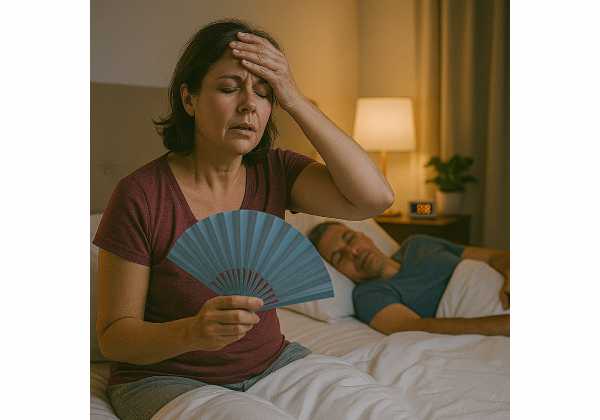
Menopause changes more than menstrual cycles. During the years around the final period, estrogen and progesterone shift in uneven waves, then settle at lower levels. That change affects body temperature control, sleep, fat storage, muscle, appetite, blood vessels, and the way the body handles glucose. Hot flashes and night sweats often feel like isolated symptoms, but they sit inside a larger metabolic picture.
For some women, fasting glucose, A1c, waist size, triglycerides, blood pressure, and sleep quality begin changing at the same time. The solution is not to chase every number or treat menopause as a disease. It is to notice the pattern early, protect muscle, calm nighttime symptoms, reduce glucose swings, and work with a clinician when symptoms are disruptive. Small daily choices—protein at breakfast, walking after meals, strength training, cooler sleep, and smart testing—often change the trajectory.
Table of Contents
- Why Menopause Changes Metabolism
- Hot Flashes and Glucose Control
- Sleep Loss and Insulin Resistance
- Tests and Patterns to Track
- Food Timing and Glucose Stability
- Movement, Muscle, and Metabolic Flexibility
- Treatment Options and Safety
- A Four-Week Metabolic Reset
Why Menopause Changes Metabolism
Menopause is confirmed after 12 months without a menstrual period, but metabolic changes often begin years earlier. Perimenopause brings irregular cycles, changing estrogen levels, disrupted sleep, heavier or lighter bleeding, mood shifts, and the first wave of hot flashes for many women. These changes often arrive while work stress, caregiving, aging parents, teenage children, and reduced recovery all compete for attention.
Estrogen helps regulate insulin sensitivity, fat distribution, blood vessel function, inflammation, and muscle metabolism. As estrogen falls, fat storage often shifts from the hips and thighs toward the abdomen. This does not mean every woman gains weight, but it does mean the same body weight often sits differently. A person who stays the same weight through menopause can still gain visceral fat, the deeper abdominal fat linked with insulin resistance and cardiovascular risk.
Muscle also becomes harder to maintain. Starting in midlife, adults lose muscle unless they train and eat enough protein. Lower muscle mass matters because muscle is the largest storage site for glucose after meals. Less active muscle means more glucose stays in the blood for longer after a carbohydrate-rich meal. That pattern raises insulin demand and increases the chance of higher fasting glucose over time.
Several metabolic changes tend to cluster during the menopause transition:
- More abdominal fat, even without large weight gain
- Higher fasting insulin or higher HOMA-IR, a calculation that estimates insulin resistance
- Higher triglycerides and lower HDL cholesterol in some women
- Higher blood pressure or stronger salt sensitivity
- More glucose variability after meals and during poor sleep
- Lower energy expenditure from reduced activity, less muscle, or worse recovery
This is why waist circumference, strength, sleep, blood pressure, and glucose markers deserve attention together. Looking only at scale weight misses much of the story. A woman with stable weight but worsening sleep, higher waist size, rising fasting insulin, and stronger post-meal glucose spikes is showing a real metabolic shift.
A practical starting point is to combine symptom tracking with basic markers such as A1c, fasting glucose, fasting insulin, lipids, blood pressure, and waist-to-height ratio. For a deeper explanation of these core markers, see A1c, fasting glucose, and fasting insulin ranges.
Hot Flashes and Glucose Control
Hot flashes are sudden waves of heat, sweating, flushing, and sometimes palpitations or anxiety. Night sweats are hot flashes that happen during sleep. They come from changes in the brain’s temperature-control system, especially in the hypothalamus. During menopause, the temperature “comfort zone” narrows. Small changes in core temperature trigger sweating and blood vessel widening.
Hot flashes are not simply inconvenient. Frequent vasomotor symptoms can fracture sleep, raise perceived stress, reduce exercise recovery, and push people toward quick-energy foods the next day. A woman waking four times a night drenched in sweat is not starting the morning from the same metabolic place as someone who slept through the night.
Hot flashes also interact with glucose control through stress biology. A sudden heat episode can bring a brief rise in heart rate and sympathetic nervous system activity. At night, repeated arousals increase cortisol and adrenaline signaling. These hormones help the body wake up and mobilize fuel, but repeated nighttime activation can leave fasting glucose higher in the morning.
Common hot flash triggers vary, but the following often matter:
- Alcohol, especially wine or spirits in the evening
- Large late meals
- Spicy foods
- Hot rooms, heavy bedding, or warm sleepwear
- Stress, rumination, and emotional conflict
- Caffeine later in the day
- Rapid glucose swings after refined carbohydrates
The glucose connection is not identical for everyone. Some women notice hot flashes after alcohol or dessert. Others see no clear food trigger but notice worse symptoms after short sleep or stressful days. A simple symptom log works better than guessing. Track hot flash timing, sleep wake-ups, alcohol, late meals, exercise, cycle stage if still cycling, and morning glucose if you measure it.
Use patterns, not single days. One hot flash after a meal proves little. A repeated pattern—wine at dinner followed by night sweats, poor sleep, and higher fasting glucose—gives useful information.
Hot flashes also deserve medical attention when they are severe, sudden after years without symptoms, paired with unexplained weight loss, fever, chest pain, fainting, or new heart rhythm symptoms. Menopause is common, but not every episode of sweating or palpitations is menopause.
Sleep Loss and Insulin Resistance
Sleep is one of the strongest daily levers for glucose control. Short or fragmented sleep reduces insulin sensitivity, raises hunger signals, increases cravings, and makes exercise feel harder. During menopause, sleep often suffers from night sweats, insomnia, anxiety, joint pain, restless legs, bladder symptoms, and a rising risk of sleep apnea.
Sleep apnea deserves special attention. After menopause, snoring, breathing pauses, dry mouth, morning headaches, high blood pressure, and daytime fatigue should not be dismissed because body weight is “normal.” Women often present with insomnia, tiredness, mood changes, or frequent waking rather than classic loud snoring. Untreated sleep apnea increases cardiometabolic risk and often worsens morning glucose.
A useful sleep target for most adults is 7 to 9 hours in bed with enough consistency to wake at a similar time most days. The exact number varies, but repeated nights under 6 hours create a metabolic strain. Sleep timing also matters. Late nights, irregular bedtimes, and bright light exposure after dark disrupt circadian rhythm, the internal timing system that helps coordinate insulin sensitivity, hunger, body temperature, and cortisol.
For menopause-related glucose control, the most useful sleep habits are simple:
- Keep the bedroom cool, often around 60°F to 67°F if comfortable.
- Use breathable layers so sweating does not require a full bedding change.
- Stop alcohol for 2 to 4 weeks as an experiment if night sweats are frequent.
- Finish large dinners at least 3 hours before bed when reflux or glucose spikes disrupt sleep.
- Get outdoor morning light within the first hour after waking.
- Keep wake time steady, even after a poor night.
- Use cognitive behavioral therapy for insomnia rather than relying on sedating antihistamines.
Wearables can help when they show trends, not when they create anxiety. Resting heart rate, bedtime consistency, wake after sleep onset, and subjective energy are often more useful than obsessing over deep sleep percentages. Sleep-stage estimates from consumer devices are imperfect. They should guide behavior, not define success. For a practical filter on sleep data, see what to trust from sleep wearables.
A poor night does not ruin metabolic health. The risk comes from the pattern: night sweats, fragmented sleep, fatigue, less movement, more snacking, higher glucose, and then another poor night. Breaking that loop often improves both symptoms and numbers.
Tests and Patterns to Track
Testing helps when it answers a clear question. During menopause, the main question is whether glucose, insulin, blood pressure, lipids, liver markers, and waist size are moving in a direction that raises future risk. Testing every week usually adds noise. Testing at baseline, after a focused intervention, and during annual care gives cleaner information.
| Marker | What it shows | Useful timing |
|---|---|---|
| A1c | Average blood glucose over roughly 2 to 3 months | Baseline and every 3 to 12 months, based on risk |
| Fasting glucose | Morning glucose regulation and liver glucose output | With routine labs or short home experiments |
| Fasting insulin | How much insulin the body needs to hold fasting glucose steady | With fasting glucose when insulin resistance is suspected |
| HOMA-IR | An estimate of insulin resistance using fasting glucose and insulin | When interpreting fasting insulin with a clinician |
| Triglycerides and HDL | A rough signal of insulin resistance and lipid metabolism | With a lipid panel |
| Waist circumference | Abdominal fat pattern and cardiometabolic risk | Monthly during lifestyle changes |
| Blood pressure | Vascular strain and cardiometabolic risk | Home checks over 7 days when readings rise |
A1c is useful, but it hides variability. Two people can have the same A1c while one has steady glucose and the other has large spikes and drops. Fasting glucose also has limits because stress, sleep, illness, late meals, and the dawn phenomenon can raise morning readings. The dawn phenomenon is an early-morning rise in glucose driven by normal wake-up hormones.
Fasting insulin adds context. A fasting glucose of 94 mg/dL with low insulin does not mean the same thing as 94 mg/dL with high insulin. The second pattern suggests the body is working harder to keep glucose normal. For people with strong family history, abdominal fat gain, polycystic ovary syndrome history, gestational diabetes history, or rising triglycerides, fasting insulin and HOMA-IR are often worth discussing. For more detail on challenge testing, see HOMA-IR, OGTT, and mixed-meal testing.
Continuous glucose monitoring can be useful for short experiments. A 10- to 14-day sensor period can show which breakfasts spike glucose, whether walking after dinner helps, and whether alcohol worsens overnight patterns. CGM is not necessary for everyone, and it is not a scorecard for moral success. It works best as a learning tool. For setup and interpretation basics, see continuous glucose monitoring for longevity.
Patterns that deserve attention include:
- Fasting glucose repeatedly at or above 100 mg/dL
- A1c rising toward or above 5.7%
- Post-meal glucose staying elevated for more than 2 to 3 hours
- Triglycerides rising while HDL falls
- Waist circumference increasing despite stable body weight
- Blood pressure repeatedly above the range your clinician recommends
Lab ranges are not personal destiny. They are signals. A rising trend caught early gives time to act before diabetes, hypertension, fatty liver, or cardiovascular disease become harder to reverse.
Food Timing and Glucose Stability
Food choices during menopause should protect muscle, reduce glucose swings, support sleep, and keep meals satisfying. Severe restriction often backfires because poor sleep and hot flashes already raise stress load. A stable pattern works better: enough protein, high-fiber plants, minimally processed carbohydrates, healthy fats, and consistent meal timing.
Protein deserves priority because it supports muscle protein synthesis, satiety, and blood glucose stability. Many midlife women under-eat protein at breakfast, then feel hungrier at night. A useful target is often 25 to 40 grams of protein per meal, adjusted for body size, kidney health, training, and clinician advice. Good options include Greek yogurt, eggs, fish, poultry, tofu, tempeh, lean meat, cottage cheese, beans, lentils, and protein-rich smoothies with real food ingredients.
Breakfast composition often changes the whole day. A breakfast of coffee and toast can lead to a glucose rise, midmorning hunger, and more cravings. A protein-forward breakfast with fiber and fat usually produces steadier energy. Examples include:
- Greek yogurt with berries, chia seeds, and walnuts
- Eggs with vegetables and beans
- Tofu scramble with greens and avocado
- Cottage cheese with berries and ground flaxseed
- Salmon or turkey with whole-grain toast and vegetables
Carbohydrates do not need to disappear. The better question is which carbs, how much, and when. Whole grains, beans, lentils, fruit, root vegetables, and cooled potatoes or rice often fit well, especially around activity. Refined flour, sweet drinks, large desserts, and late-night snacks create bigger glucose swings for many people.
Meal timing also matters. Insulin sensitivity is often better earlier in the day than late at night. Large late dinners can worsen reflux, raise overnight glucose, and trigger night sweats in some women. A practical rhythm is a protein-rich breakfast, a balanced lunch, and a dinner finished 3 hours before bed when possible. Time-restricted eating can help some adults, but aggressive fasting during perimenopause can worsen sleep, training recovery, and evening overeating. A gentler 12:12 or 14:10 eating window often fits better than jumping to long fasts. For a deeper look, see fasting versus time-restricted eating.
Alcohol is one of the clearest menopause symptom amplifiers. It worsens sleep architecture, raises nighttime heart rate, increases hot flashes for some women, and can push food choices later in the evening. A 2- to 4-week alcohol break is one of the cleanest experiments for night sweats and morning glucose.
Caffeine is more individual. Morning coffee often fits well. Caffeine after noon or early afternoon can worsen insomnia, especially during perimenopause. The test is simple: keep caffeine before 10 a.m. for two weeks and watch sleep, hot flashes, and morning glucose.
Movement, Muscle, and Metabolic Flexibility
Movement is the most reliable way to make muscle hungry for glucose. After menopause, exercise is not just for burning calories. It preserves muscle, improves insulin sensitivity, supports bone density, lowers blood pressure, improves sleep pressure, and helps regulate mood.
Post-meal walking is the easiest glucose tool. A 10- to 20-minute walk after a carbohydrate-containing meal often lowers the glucose peak because working muscle pulls glucose from the blood. The walk does not need to be intense. Dishes, stairs, light cycling, or errands also help. The habit matters more than the perfect workout.
Strength training is the long-term anchor. Two to four sessions per week can preserve or build muscle and improve glucose disposal. A complete plan trains the major patterns: squat or sit-to-stand, hinge, push, pull, carry, and rotation control. Beginners can start with body weight, bands, machines, or light dumbbells. Progress comes from adding repetitions, load, range of motion, or control over time. For women who feel unsure where to begin, a weekly strength training plan gives structure.
Aerobic training improves mitochondrial function and metabolic flexibility, the ability to shift between fat and carbohydrate use. Zone 2 training—steady effort where conversation is possible but slightly challenged—fits well for many midlife adults. Two to four sessions per week of 30 to 45 minutes builds a strong base. Intervals can help, but they should not replace sleep or recovery. A woman sleeping 5 hours with severe night sweats does not need more punishment; she needs a dose she can recover from.
Training should follow the body’s current capacity. Menopause symptoms often fluctuate. On good weeks, train harder. On poor sleep weeks, keep the habit but lower intensity. Consistency beats heroic effort.
A simple weekly template:
- 2 to 3 full-body strength sessions
- 2 to 4 zone 2 walks, rides, swims, or hikes
- 10 minutes of walking after the largest meal most days
- Daily mobility for hips, ankles, shoulders, and spine
- One lower-stress day after poor sleep or heavy symptoms
The best sign that training is working is not only weight loss. Watch waist size, strength, resting heart rate, blood pressure, post-meal glucose, sleep quality, and energy. A woman who gains a pound of muscle, loses abdominal fat, sleeps better, and lowers fasting insulin has made a meaningful metabolic improvement even if scale weight changes slowly.
Treatment Options and Safety
Lifestyle changes help, but severe menopause symptoms deserve treatment. No one earns better health by enduring years of night sweats, insomnia, and impaired function. Treatment choices should match symptom severity, age, time since menopause, personal risk factors, uterus status, migraine history, clot risk, breast cancer history, cardiovascular risk, and preferences.
Menopausal hormone therapy is the most effective treatment for hot flashes and night sweats. It usually includes estrogen, with progesterone or a progestogen added for people with a uterus to protect the endometrium. Estrogen alone is used only when the uterus is absent, unless a clinician gives specific guidance for another situation.
Timing matters. For healthy women who are younger than 60 or within 10 years of the final menstrual period, the benefit-risk balance is often more favorable when symptoms are bothersome and no contraindications exist. Risks differ by dose, route, formulation, duration, and personal history. Transdermal estrogen, such as patches or gels, avoids first-pass liver metabolism and is often considered when triglycerides, migraine, gallbladder concerns, or clot risk need careful discussion.
Hormone therapy is not a weight-loss drug or a guaranteed glucose treatment. Some studies suggest favorable effects on insulin resistance and abdominal fat patterns, but symptom relief remains the main reason to use it. The metabolic benefit is best viewed as one part of a larger plan that includes muscle, sleep, food quality, and risk monitoring.
Nonhormone treatments also help. Evidence-supported options for vasomotor symptoms include certain SSRIs and SNRIs, gabapentin, oxybutynin, and neurokinin-3 receptor antagonists such as fezolinetant where approved and appropriate. Each has side effects and medication interactions. Herbal supplements are not automatically safer, and many have weaker evidence or quality-control concerns.
Medical review is especially important for:
- Hot flashes that severely disrupt sleep or work
- Symptoms before age 45, or possible premature ovarian insufficiency before 40
- Personal history of breast cancer, blood clots, stroke, heart attack, or liver disease
- Unexplained vaginal bleeding after menopause
- New palpitations, fainting, chest pressure, or shortness of breath
- Snoring, witnessed breathing pauses, or daytime sleepiness
- Fasting glucose, A1c, blood pressure, or lipids moving into high-risk ranges
Medication review also matters. Some antidepressants, steroids, sleep aids, anticholinergic drugs, and pain medications can affect weight, sleep, appetite, or glucose. Do not stop prescribed medication abruptly. Bring the full list to a clinician and ask which options best fit metabolic health and menopause symptoms.
A Four-Week Metabolic Reset
A short reset works best when it reduces noise. Four weeks is long enough to see patterns in sleep, hot flashes, glucose, cravings, waist size, and energy. It is not long enough to solve every metabolic issue, but it gives clear direction.
Week 1: Measure the pattern
Start with baseline information. Record bedtime, wake time, night sweats, hot flashes, alcohol, caffeine timing, workouts, steps, and meals. Measure waist circumference once, using the same tape position each time. If you already use a glucose meter or CGM, watch patterns without changing everything at once.
This week is about observation. Look for obvious links: late wine and night sweats, poor sleep and higher fasting glucose, low-protein breakfast and afternoon cravings, or large late dinners and restless sleep.
Week 2: Stabilize breakfast and dinner
Build breakfast around protein and fiber. Aim for 25 to 40 grams of protein, plus berries, vegetables, beans, oats, chia, flax, or another fiber source. Keep caffeine earlier. At dinner, reduce refined starch portions if they cause large glucose rises and finish eating earlier when possible.
Avoid turning this into a restrictive diet. The aim is steadier glucose and fewer nighttime triggers. Keep meals satisfying enough to prevent late snacking.
Week 3: Add post-meal movement and strength
Walk for 10 to 20 minutes after the meal that usually produces the largest glucose rise. Add two full-body strength sessions. Use simple movements: sit-to-stand, hip hinge, row, wall push-up or incline push-up, farmer carry, and step-up. Keep effort moderate if sleep is poor.
This week often produces noticeable changes: lower post-meal glucose, less evening hunger, better mood, and a stronger sense of control.
Week 4: Cool the night and review treatment needs
Make sleep the project. Cool the room, change bedding layers, stop alcohol if you have not already, keep wake time steady, and reduce bright light at night. If night sweats still wake you often, schedule a clinician visit to discuss hormone and nonhormone options.
At the end of the four weeks, review the trend. Do not judge success by perfect days. Look for fewer night wakings, lower fasting glucose on well-slept mornings, smaller post-meal spikes, fewer cravings, steadier energy, and a waist measurement moving in the right direction.
A useful long-term plan is simple enough to repeat:
- Protein at each meal
- Fiber-rich plants daily
- Post-meal walking most days
- Strength training 2 to 4 times weekly
- Consistent sleep timing
- Alcohol kept low or avoided when night sweats flare
- Labs reviewed with symptom history, not in isolation
Menopause is a metabolic transition, but it is also a chance to update the plan. The body is asking for stronger signals: more muscle work, steadier meals, better sleep protection, and earlier attention to risk markers. Those signals compound over years.
References
- The 2022 hormone therapy position statement of The North American Menopause Society 2022 (Position Statement)
- The 2023 nonhormone therapy position statement of The North American Menopause Society 2023 (Position Statement)
- Body composition and cardiometabolic health across the menopause transition 2022 (Review)
- Metabolic Disorders in Menopause 2022 (Review)
- Global view of vasomotor symptoms and sleep disturbance in menopause: a systematic review 2023 (Systematic Review)
- Hormone therapy and insulin resistance in non-diabetic postmenopausal women: a systematic review and meta-analysis 2025 (Systematic Review and Meta-analysis)
Disclaimer
This article is for education only and does not replace care from a qualified clinician. Menopause symptoms, glucose changes, sleep disorders, and hormone therapy decisions require personal medical review, especially with a history of cancer, blood clots, cardiovascular disease, unexplained bleeding, diabetes, or complex medication use.