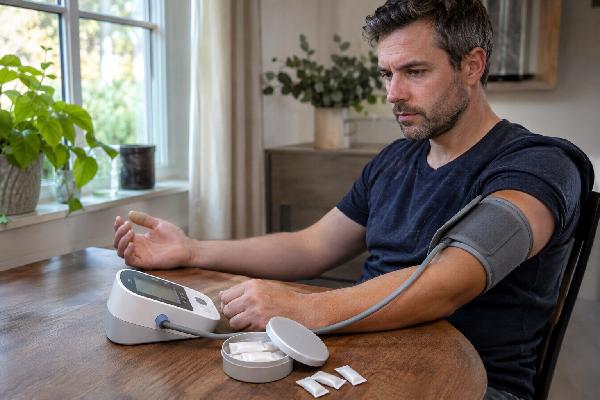
Nicotine pouches avoid smoke and tobacco leaf, but they are not harmless to the heart. Their main cardiovascular concern is nicotine itself: it can raise heart rate and blood pressure, tighten blood vessels, increase cardiac workload, and reinforce dependence. What remains uncertain is the long-term risk of heart attack, stroke, or cardiovascular death from years of exclusive pouch use because nicotine pouches are relatively new and long-duration outcome studies are still limited.
That uncertainty should be interpreted carefully. It does not mean pouches are as dangerous as cigarettes, and it does not mean they are proven safe. For an adult who smokes, switching completely away from combustible cigarettes can reduce exposure to many of the toxic chemicals created by burning tobacco. For someone who does not use nicotine, however, starting pouches adds addiction and cardiovascular exposure without a health benefit. Dose matters too: modern pouches range from modest to very high nicotine strengths, and some can deliver nicotine exposure that approaches or exceeds a cigarette over the course of use.
Table of Contents
- What nicotine pouches are
- How nicotine affects the heart
- What studies show about pouch risks
- Dose, strength, and nicotine exposure
- Pouches vs cigarettes, vaping, and NRT
- Who should avoid or use extra caution
- How to reduce risk or quit
What nicotine pouches are
Nicotine pouches are small fiber pouches placed between the gum and lip. They usually contain nicotine, flavorings, sweeteners, fillers, and pH-adjusting ingredients, but no cut tobacco leaf. Nicotine passes through the lining of the mouth and enters the bloodstream.
The absence of combustion is important. Cigarette smoke contains carbon monoxide, fine particles, oxidants, and many toxic chemicals that damage arteries, increase clotting, and promote cancer and lung disease. Pouches do not expose the lungs to smoke. They also differ from traditional smokeless tobacco products such as snuff or chewing tobacco because those products contain tobacco and tobacco-specific contaminants.
Still, “tobacco-free” does not mean “nicotine-free,” and nicotine is biologically active. Depending on the brand and strength, one pouch may contain a few milligrams of nicotine or far more. The amount printed on a label may be stated per pouch or per gram, so comparing products requires reading the unit carefully.
Pouches are often held in place for 20 to 60 minutes. Nicotine absorption is slower than with cigarette smoke because it enters through the oral mucosa rather than the lungs. That slower rise can make the effect feel smoother, but total nicotine exposure can still be substantial. Some high-strength products produce plasma nicotine levels comparable with or higher than common tobacco products.
Their discreet design also changes behavior. A person can use a pouch in places where smoking or vaping would be inconvenient, potentially extending nicotine exposure across more of the day. That matters for dependence and for repeated cardiovascular stimulation.
How nicotine affects the heart
Nicotine activates the sympathetic nervous system. In practical terms, it triggers part of the same “fight-or-flight” response that appears during stress or exertion. The body releases catecholamines such as epinephrine and norepinephrine, which can increase heart rate, contractility, and blood pressure.
The immediate effects can include:
- a faster pulse;
- a temporary increase in systolic and diastolic blood pressure;
- narrowing of some blood vessels;
- greater myocardial oxygen demand because the heart is working harder;
- changes in vascular function and endothelial signaling.
For most healthy adults, a single transient increase does not automatically cause a cardiovascular event. The concern is exposure pattern and vulnerability. Someone using strong pouches repeatedly may experience many nicotine-driven surges in a day. Someone with coronary artery disease, an arrhythmia, or uncontrolled hypertension may have less cardiovascular reserve.
Nicotine’s blood-pressure effect is explained in more detail in how nicotine raises blood pressure. The key point is that the cardiovascular effect comes from nicotine even when smoke is absent.
Longer-term biology is more complicated. Nicotine has been linked in experimental and clinical research to endothelial dysfunction, oxidative stress, altered vascular tone, and changes in autonomic balance. However, translating those effects into the long-term event risk of modern nicotine pouches is difficult because products are new, doses vary, and many users have a history of smoking or use multiple nicotine products. That makes it hard to isolate the pouch itself.
What studies show about pouch risks
The strongest conclusion from current evidence is that nicotine pouches can deliver pharmacologically meaningful nicotine and can sustain dependence. The weakest area of evidence is decades-long cardiovascular outcomes in exclusive users.
Recent reviews have found that most human pouch studies focus on pharmacokinetics: how quickly nicotine appears in blood, how high levels rise, and how total exposure compares with cigarettes, snus, or nicotine-replacement products. These studies are useful for estimating addiction potential and acute cardiovascular exposure, but they cannot tell us the precise risk of heart attack 15 years later.
The American Heart Association has emphasized that smokeless oral nicotine products occupy a complicated place on a risk continuum. Combustible tobacco remains much more harmful because burning tobacco creates a large toxic burden. At the same time, oral nicotine products should not be treated as harmless consumer goods, especially for young people and people who previously did not use nicotine.
Another limitation is industry funding. A meaningful share of the early pouch pharmacokinetic literature has been sponsored by manufacturers. Industry-funded research is not automatically invalid, but it makes independent replication and careful study-quality assessment especially important.
What can reasonably be said today is:
- Acute cardiovascular effects are plausible and expected. Nicotine raises sympathetic activity, blood pressure, and heart rate.
- Dependence is a clear risk. Pouches can deliver enough nicotine to suppress withdrawal and reinforce continued use.
- Long-term cardiovascular event risk is not yet well quantified. Lack of data is different from evidence of no risk.
- Risk is likely lower than continuing to smoke if someone switches completely. Removing combustion eliminates major toxic exposures.
- Dual use weakens the harm-reduction argument. Continuing to smoke while adding pouches may increase total nicotine exposure without removing smoke-related risk.
For people choosing between products, the most useful question is not “Are pouches safe?” but “Safe compared with what?” The answer differs for a current smoker, a person using medical nicotine replacement, and a nicotine-naive teenager or adult.
Dose, strength, and nicotine exposure
Nicotine strength is one of the most important practical variables. A systematic review and meta-analysis published in 2025 found that lower-strength pouches delivered less nicotine than cigarettes, while products around 4 mg could produce similar total nicotine exposure with a lower, slower peak. Pouches containing 8 mg or more could deliver total exposure that matched or exceeded cigarettes in some studies.
That does not mean an 8 mg pouch equals one cigarette in every person. Absorption depends on product formulation, pH, free-base nicotine fraction, moisture, flavor, use duration, saliva, and individual behavior. Cigarettes deliver nicotine much faster, often producing a peak within minutes. Pouch peaks commonly occur tens of minutes later.
The label can also be confusing. Compare these examples:
| Label style | What it means | Why it matters |
|---|---|---|
| 3 mg per pouch | Each pouch contains 3 mg nicotine | Easy to compare per use |
| 12 mg per pouch | Each pouch contains 12 mg nicotine | High nominal dose with greater exposure potential |
| 20 mg/g | 20 mg nicotine per gram of pouch material | You need pouch weight to know the per-pouch amount |
Frequency matters as much as strength. Six 6 mg pouches spread across a day represent a very different exposure pattern from one 3 mg pouch. Using two pouches at once, “parking” a pouch for a long time, or immediately replacing one with another can increase total exposure.
Signs that a dose may be too high include nausea, dizziness, headache, sweating, tremor, palpitations, hiccups, or vomiting. Severe nicotine poisoning can cause confusion, marked weakness, abnormal heart rhythms, seizures, or breathing problems and requires urgent medical care.
Children and pets can become seriously ill from ingesting nicotine products. Store pouches in child-resistant packaging, out of sight and reach, and dispose of used pouches securely because they can retain nicotine.
Pouches vs cigarettes, vaping, and NRT
Nicotine products do not all carry the same risk. Combustion is a major dividing line.
| Product | Combustion | Nicotine dependence | Key cardiovascular issue |
|---|---|---|---|
| Cigarettes | Yes | High | Nicotine plus smoke toxins, carbon monoxide, particles, inflammation, and thrombosis |
| Nicotine pouches | No | Can be high | Nicotine exposure; long-term pouch-specific outcome data remain limited |
| Nicotine vaping | No tobacco combustion | Can be high | Nicotine plus inhaled aerosol constituents; acute vascular effects documented |
| Nicotine-replacement therapy | No | Lower reinforcement than cigarettes | Controlled nicotine exposure designed to support quitting |
For an adult smoker who cannot quit immediately, switching completely to a noncombustible source can reduce exposure to smoke toxins. Complete switching is the key phrase. If someone smokes the same number of cigarettes and adds pouches for times when smoking is restricted, the main source of cardiovascular danger remains.
For smoking cessation, approved nicotine-replacement therapy has advantages over consumer pouches. Patches, gum, and lozenges have standardized dosing and are specifically studied and regulated for quitting. Prescription medications can also help. If the goal is to stop smoking, it makes sense to use tools designed around a taper and cessation plan rather than simply substituting one indefinite nicotine habit for another.
Vaping carries its own uncertainties and inhalation exposures. If you are comparing those products, vaping and heart-health risks explains what is known about vascular and cardiovascular effects.
Who should avoid or use extra caution
People who do not currently use nicotine have no cardiovascular reason to start nicotine pouches. The clearest preventive choice is to avoid nicotine dependence in the first place.
Extra caution is warranted for people with:
- uncontrolled high blood pressure;
- recent heart attack or unstable chest pain;
- symptomatic arrhythmias;
- advanced coronary or peripheral artery disease;
- recent stroke or transient ischemic attack;
- pregnancy or breastfeeding;
- strong sensitivity to nicotine or stimulants.
If you use pouches and monitor blood pressure, check your baseline under standardized conditions rather than immediately after a pouch. Avoid nicotine, caffeine, and exercise for at least 30 minutes before a resting measurement. If readings are repeatedly elevated when you are rested and nicotine-free, do not dismiss them as a pouch effect. Persistent hypertension needs evaluation.
People with palpitations should pay attention to pattern. A brief sense of a faster pulse after nicotine is expected, but sustained racing, fainting, chest pain, or severe shortness of breath is not something to self-diagnose. Seek prompt care when symptoms are severe or new.
Nicotine can also interact with the practical management of hypertension. If you take medication, do not add extra doses simply because a reading rises after a pouch. Blood pressure may fall as the nicotine effect fades, creating a risk of over-treatment. A clinician can help interpret a home log and adjust medication based on average pressure rather than isolated peaks.
How to reduce risk or quit
The lowest-risk option for the heart is no nicotine exposure. How you get there depends on why you use pouches now.
If you originally used pouches to replace cigarettes, first protect the progress that matters most: do not return to smoking. Then work on reducing nicotine in a structured way. If you use pouches recreationally, there is no harm-reduction benefit to preserving the habit, so a direct cessation plan may make more sense.
A practical taper can include:
- Track the number of pouches and strength for three to seven days without changing anything.
- Set a daily maximum rather than using automatically.
- Remove the easiest “habit” pouch, such as one used from boredom rather than craving.
- Step down nicotine strength while keeping the daily count stable at first.
- Add nicotine-free periods, especially around sleep, exercise, and blood-pressure checks.
- Avoid carrying multiple strengths that make escalation easy.
- Use behavioral support or approved cessation medication if cravings repeatedly derail the plan.
Do not compensate for a lower-strength pouch by doubling up or using them continuously. That can erase the reduction in total nicotine.
Oral irritation is another reason to reduce exposure. Pouches can cause gum soreness, local lesions, dry mouth, or irritation where they sit. Rotating placement may reduce local irritation, but persistent sores, bleeding, color changes, or lesions should be examined by a dental or medical professional.
If blood pressure is one of your concerns, combine nicotine reduction with proven measures rather than relying on supplements. Regular physical activity, less sodium, adequate potassium from food when safe, good sleep, weight management when appropriate, and limiting excess alcohol have stronger evidence. A broader blood-pressure-lowering lifestyle plan can help address the factors that matter throughout the day.
The main decision framework is straightforward. If you do not use nicotine, do not start pouches. If you smoke, eliminating cigarettes is the biggest cardiovascular priority, and evidence-based cessation treatment is preferable to long-term dual use. If you already use pouches exclusively, lowering dose and frequency—and ultimately quitting—reduces repeated nicotine exposure while avoiding the much larger hazard of returning to combustible tobacco.
Dose matters more than the pouch label may suggest at first glance. Modern products range from relatively low nicotine amounts to strengths capable of producing substantial systemic exposure. Pharmacokinetic research shows that pouches generally deliver nicotine more slowly than a cigarette, but higher-dose products can approach or even exceed cigarette-like total nicotine exposure. The slower rise may feel less intense, yet the cardiovascular system still receives the drug.
That is why counting only the number of pouches can be misleading. Ten low-strength pouches and ten high-strength pouches are very different exposures. Duration matters too: leaving a pouch in place longer can increase absorption. When tapering, track strength × number used, not just the number of times you reach for the tin.
Switching completely away from cigarettes is also different from dual use. If an adult smoker replaces combustible cigarettes entirely with a noncombustible nicotine product, exposure to carbon monoxide and many toxic products of combustion falls sharply. But continuing to smoke while also using pouches can preserve much of the smoking-related cardiovascular risk while increasing the number of hours per day that nicotine is present. Harm reduction depends on what the pouch replaces.
For someone who has never smoked or used nicotine, pouches offer no cardiovascular benefit. They introduce dependence and repeated sympathetic stimulation without removing a more dangerous exposure. This is especially relevant for teenagers and young adults, people who are pregnant, and anyone with a reason to avoid nicotine.
If you are using pouches to stop smoking, make the transition goal explicit: replace cigarettes rather than add pouches, then decide whether and how to taper nicotine. Evidence-based cessation counseling and approved medications can improve the odds of staying smoke-free. If a pouch keeps you from returning to cigarettes in the short term, avoiding relapse is the priority, but long-term nicotine dependence does not have to be the endpoint.
A useful check is to ask what your heart and blood vessels experience over an entire day. A pouch after waking, another while commuting, repeated use at work, and one near bedtime can create a long exposure window even without smoke. Reducing both dose and the number of nicotine hours per day gives a clearer path toward lower exposure.
Dependence can also change exposure over time. A strength that once felt sufficient may become routine, prompting more frequent use or a move to stronger pouches. That tolerance can make a “smoke-free” product feel harmless while daily nicotine intake quietly rises. Periodically checking your average daily strength and count can catch that drift early. If you notice needing a pouch immediately on waking, waking at night to use nicotine, or feeling unable to get through meetings, travel, or exercise without it, dependence is becoming a larger part of the health picture.
Long-term risk is the biggest remaining uncertainty. Cigarettes have decades of outcome data linking them to heart attack, stroke, heart failure, and vascular disease. Nicotine pouches are much newer, so researchers do not yet have comparable decades-long studies of exclusive users. That gap should not be mistaken for proof of safety. It means the most confident conclusions come from nicotine pharmacology, short-term cardiovascular effects, dependence, oral effects, and comparisons with better-studied products.
Risk also depends on the comparison. Compared with not using nicotine, pouches add exposure and dependence. Compared with continuing to smoke cigarettes, complete substitution is likely to reduce harm because it removes combustion. Compared with approved cessation treatment, recreational pouches have less evidence for helping people quit and less standardized clinical guidance. Those are three different questions.
People with coronary artery disease, prior stroke, arrhythmias, difficult-to-control hypertension, or multiple cardiovascular risk factors should be especially cautious about high-strength or frequent use. A pouch that reliably causes racing heartbeat, marked dizziness, chest pressure, nausea, or a large blood-pressure rise is a reason to stop and seek medical advice rather than simply switching flavors or brands.
For parents and households, storage matters too. Nicotine can be toxic if a child swallows a pouch, including a used one that still contains nicotine. Keep containers closed and out of reach, and dispose of used pouches where children and pets cannot access them. Cardiovascular risk is the focus here, but safe handling is part of responsible use.
References
- Impact of Smokeless Oral Nicotine Products on Cardiovascular Disease 2024 (Position Statement)
- Nicotine pouch pharmacokinetics compared to smoked tobacco: A systematic review and meta-analysis 2025 (Systematic Review)
- A Comprehensive Review on Oral Nicotine Pouches: Available Scientific Evidence and Future Research Needs 2024 (Review)
- The Potential Impact of Oral Nicotine Pouches on Public Health: A Scoping Review 2024 (Review)
- Nicotine and Cardiovascular Health: When Poison is Addictive – a WHF Policy Brief 2024 (Position Statement)
Disclaimer
This article provides general health information and does not replace medical advice or a personalized quit plan. People with cardiovascular disease, uncontrolled hypertension, pregnancy, or significant palpitations should discuss nicotine use with a healthcare professional. Seek urgent care for chest pain, fainting, stroke symptoms, severe shortness of breath, or suspected nicotine poisoning.